
Lecture·Archaeological Research Unit - University of Cyprus·2018
Christianization in the Aegean: Pilgrims, Ports, and Pottery
Rebecca J. Sweetman
Chapters
About the lecture
Rebecca J. Sweetman of the University of St Andrews examines how Christianity spread and became monumentalized across the Aegean and the Eastern Mediterranean during the Roman and Late Antique periods. First, she introduces a St Andrews project digitizing an unprovenanced private collection of 184 Cypriot artifacts donated to the university. Her team created 3D models and had a local potter replicate a lamp and a spindle whorl to test how museum visitors respond to glass cases, handling boxes, and digital screens; while visitors preferred handling objects, digital interaction produced stronger memory retention. She also asks for help identifying a Cypriot figurine of a seated woman flanked by two rams.
In the main lecture, Sweetman applies network theory to the earliest churches, arguing that monumental Christianization resulted from strategic and emergent processes rather than social tension. Using the Peloponnese as a model, she outlines three stages: initial churches at ports and active sanctuaries such as Kenchreai and Epidaurus, spread through social competition to urban gateways and cemeteries at Corinth and Argos, and a later tipping point into rural areas. Comparing Salamis in Cyprus (with the fourth-century church of Ayios Epiphanius), Paroikia on Paros, Antioch, Ephesus, Athens, and Edessa, alongside Apamea and Pergamon, she shows that distance from Jerusalem, missionary visits, and trade networks seen in Cypriot Sigillata and Eastern Sigillata A do not explain why some cities built churches in the third or fourth centuries and Athens and Apamea in the fifth. Instead, she argues, uninterrupted civic investment, imperial patronage, and pilgrimage were decisive. Questions afterwards touch on Corinth, Athens, and churches in Hellenistic and Roman cemeteries in the occupied north of Cyprus.
Background
Where to read more on this site before or after watching.
The site
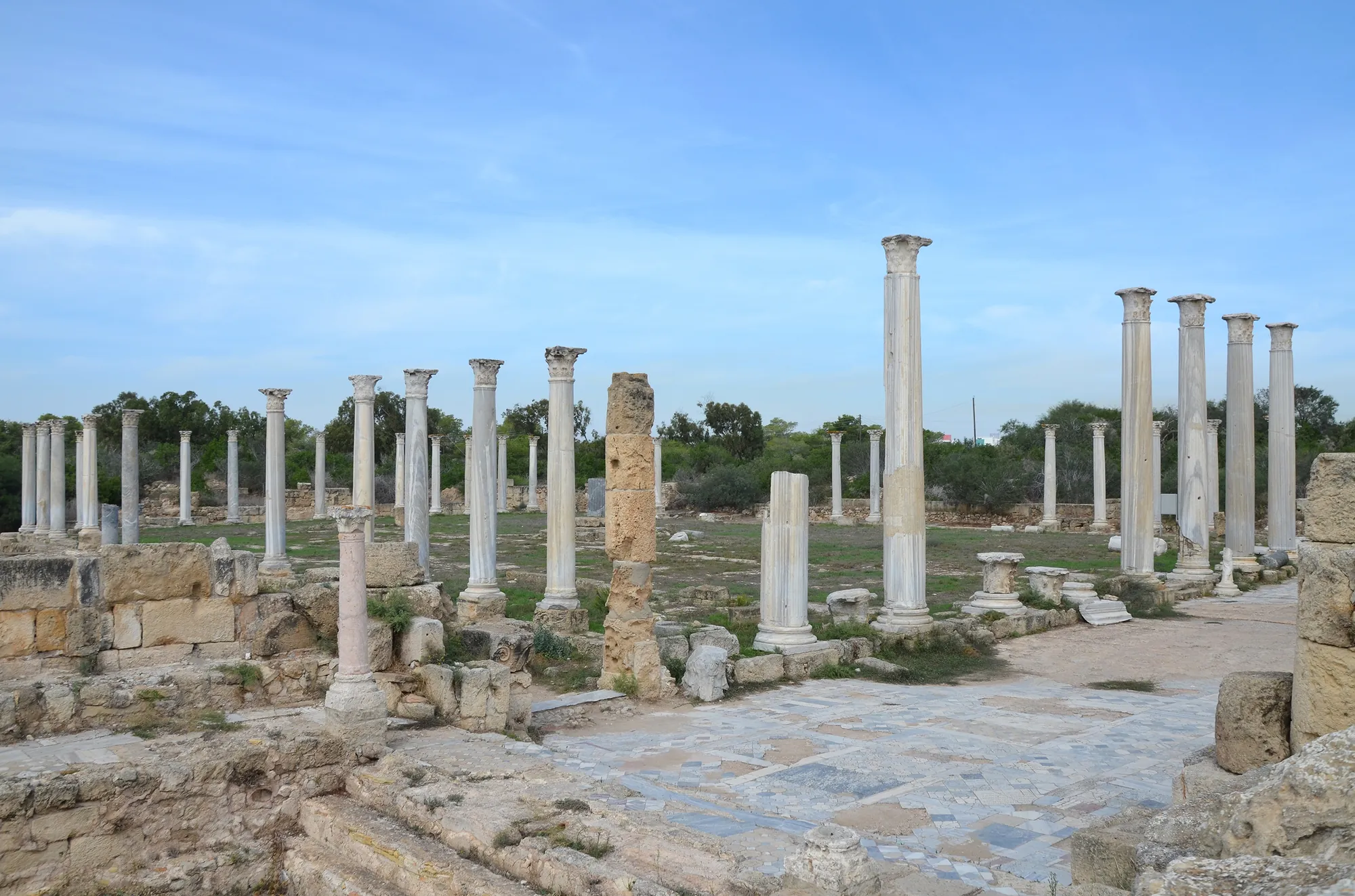
Salamis
A city on the east coast of Cyprus at the mouth of the Pedieos river, founded in the 11th century BC and one of the leading city-kingdoms of the island until 311/310 BC. It is known for the Royal Tombs with their sacrificed horses and chariots, for its Roman gymnasium, baths and theatre, and as Constantia, seat of the bishops of Cyprus from the 4th century AD. The site lies in the north of the island; the Cypriot and French excavations stopped in 1974.
In the compendium
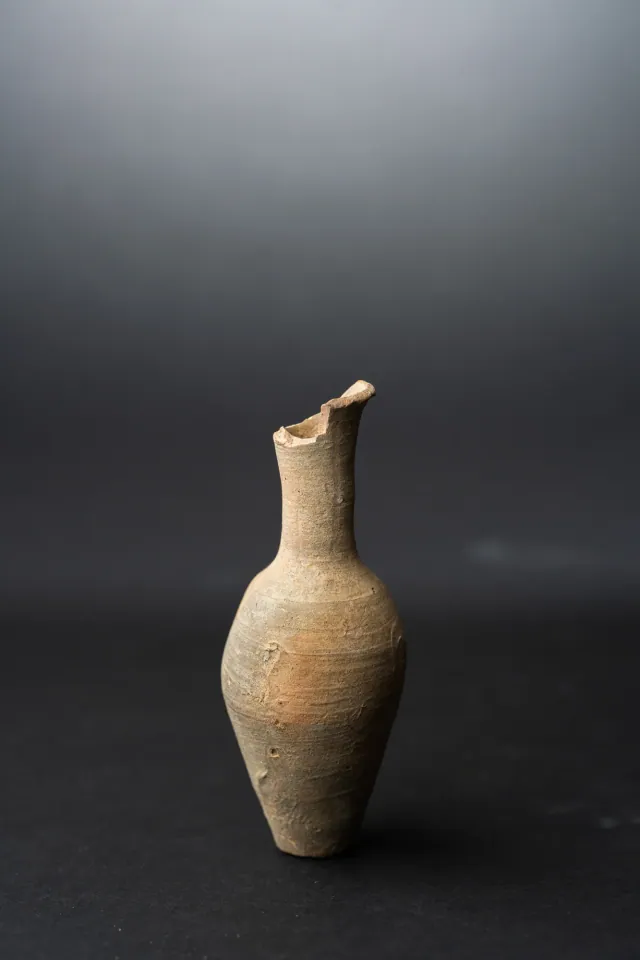
Hellenistic and Roman Pottery in Cyprus
Cyprus used a succession of slipped fine wares from c. 310 BCE to the 7th century CE, some made on the island and many imported from Syria, Cilicia and Pamphylia.
In the compendium
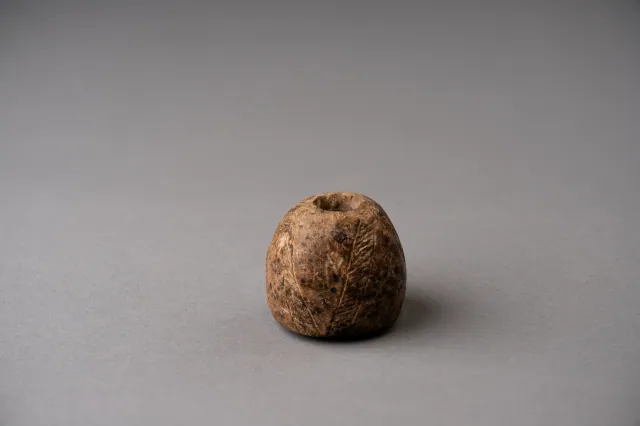
Spindle Whorls and Textile Tools in Ancient Cyprus
The tools of spinning, weaving and dyeing in ancient Cyprus, from Neolithic bone needles to the terracotta whorls and loom weights of the Bronze Age.
The period
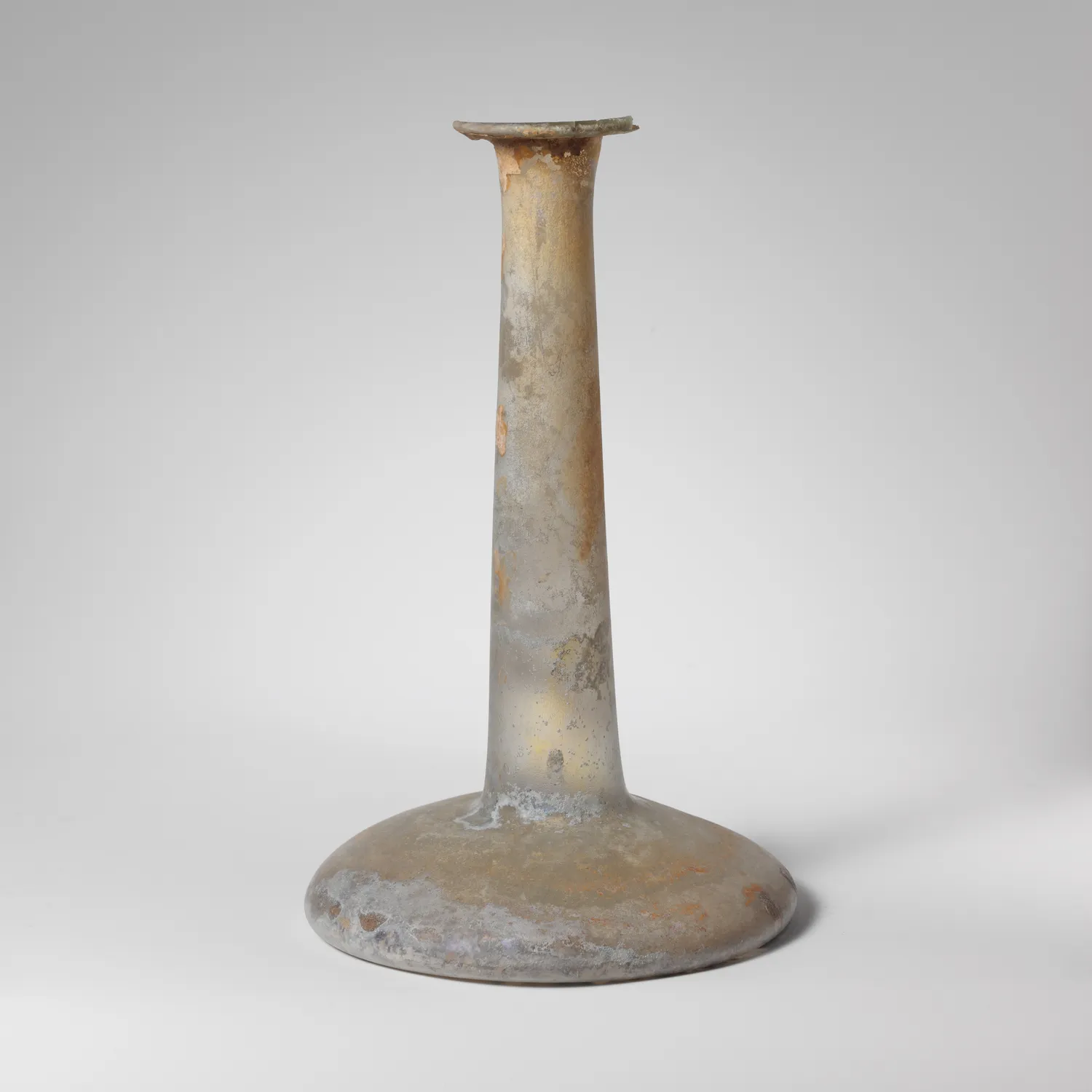
Roman
Cyprus as a Roman province from 58 BCE to the fourth century CE, governed from Nea Paphos, mined for copper, and finally wrecked by earthquakes.