
Lecture·The Institute for the Study of Ancient Cultures·2024
After 1177 BC: The Survival of Civilizations
Eric H. Cline
This video covers more than Cyprus. The description below concentrates on its Cypriot parts, the first of which begins at 37:45.
Chapters
About the lecture
In this Archaeological Institute of America lecture at the University of Chicago, introduced by Katie Kearns, Eric H. Cline presents his book After 1177 BC: The Survival of Civilizations. After reviewing the small-world network of the Late Bronze Age and the combination of megadrought, famine, invaders, earthquakes and disease that brought it down around 1200 BCE, Cline examines the four centuries that followed across the Aegean and Near East, grading eight societies on a five-tier scale of resilience, adaptation and transformation.
Cyprus and the Phoenicians occupy the top tier, which Cline, borrowing Nassim Nicholas Taleb's term, calls "antifragile": societies that innovate and gain in disorder. Discussing Cyprus in the fifth chapter (from 0:36:49), he attributes Cypriot resilience in the Iron Age to the island's metalsmiths. Having supplied most of the Mediterranean's copper during the Late Bronze Age, Cypriot smiths made the shift to iron, which they may have learned to work while smelting copper and making bronze. At first they produced bimetallic weapons and tools, illustrated by a find from Perati on mainland Greece with an iron blade and bronze rivets in the handle. Cypriots exported these objects to Greece and southern Canaan along with the smelting technology itself, enabling region after region to work local iron ore. Cypriot pottery and artifacts also appear alongside Phoenician finds at sites across the Aegean.
In the rest of the lecture Cline places Assyria, Babylonia, the Neo-Hittites and northern Canaanites in his second tier; Egypt in the third; the Mycenaeans and Minoans in the fourth; and the Hittites and southern Canaanites in the fifth.
From our collection
Pieces in the Drakopoulos collection of the kinds and periods this talk covers: Late Cypriot (Late Bronze Age), Cypro-Geometric.
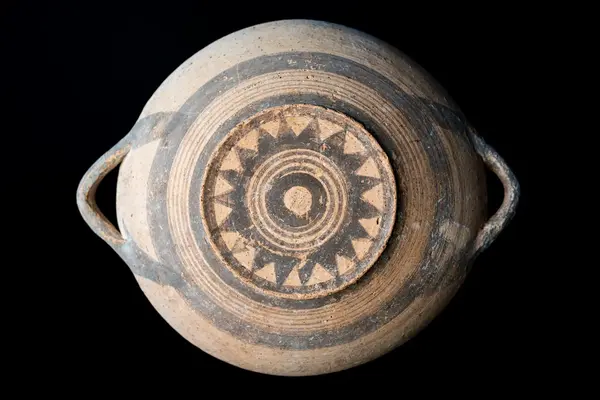
White Painted Plate with a Sawtooth Star on the Underside
Cypro-Geometric
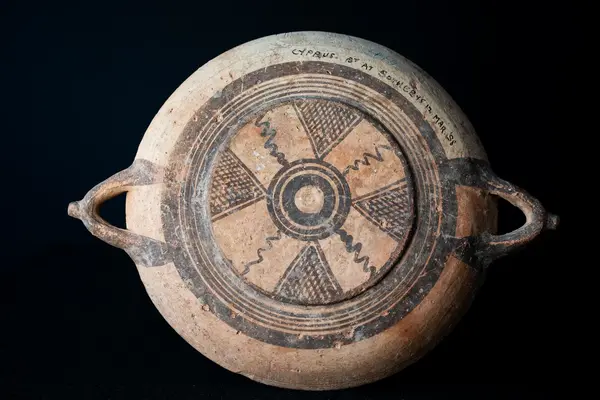
White Painted Plate with Latticed Triangles and Wavy Lines on the Underside
Cypro-Geometric
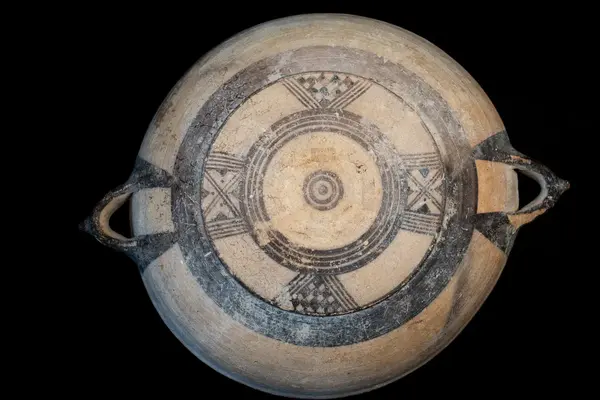
Large White Painted Plate with Knobbed Handles and a Four-Armed Cross on the Underside
Cypro-Geometric
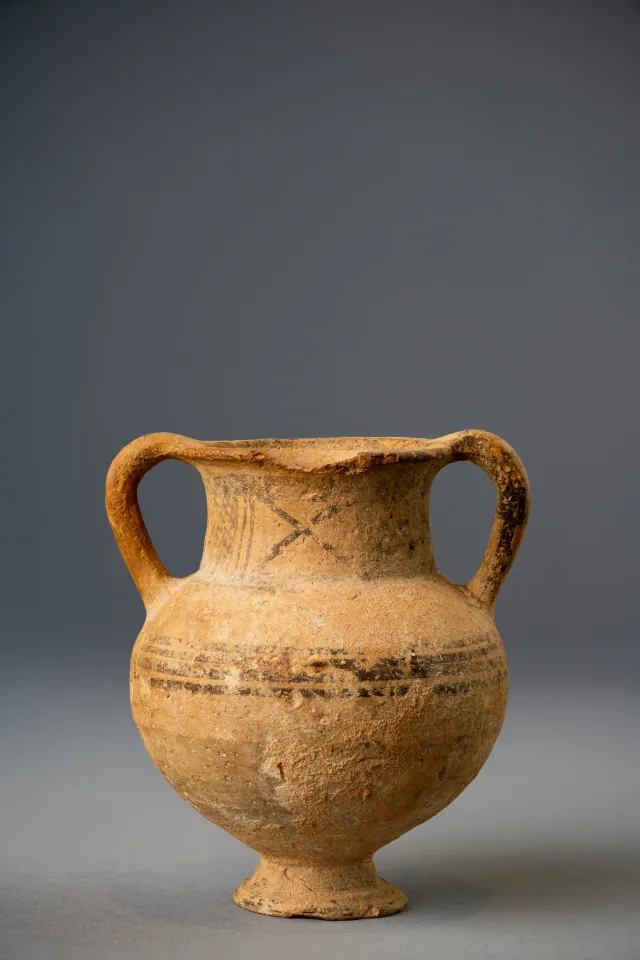
White Painted Amphoriskos on a Conical Foot
Cypro-Geometric
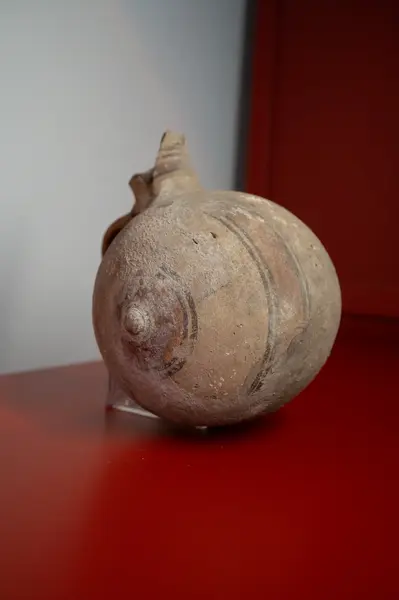
Bichrome Barrel Jug with Circled End-Knobs
Cypro-Geometric
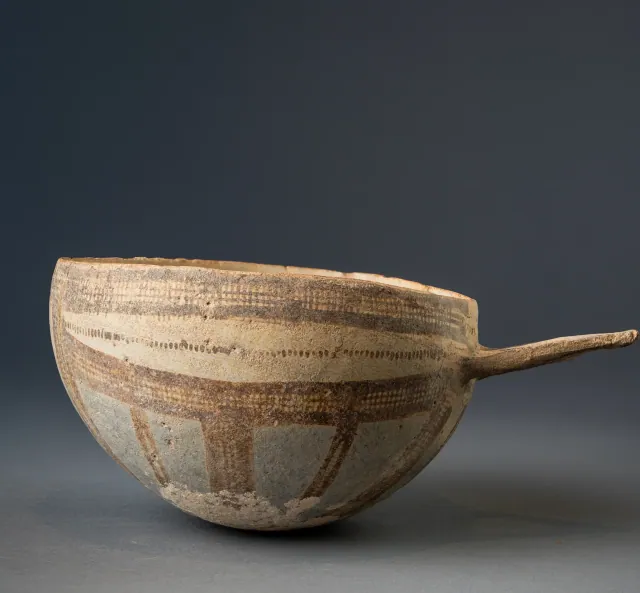
White Slip II Hemispherical Bowl with Wishbone Handle
Late Cypriot (Late Bronze Age)
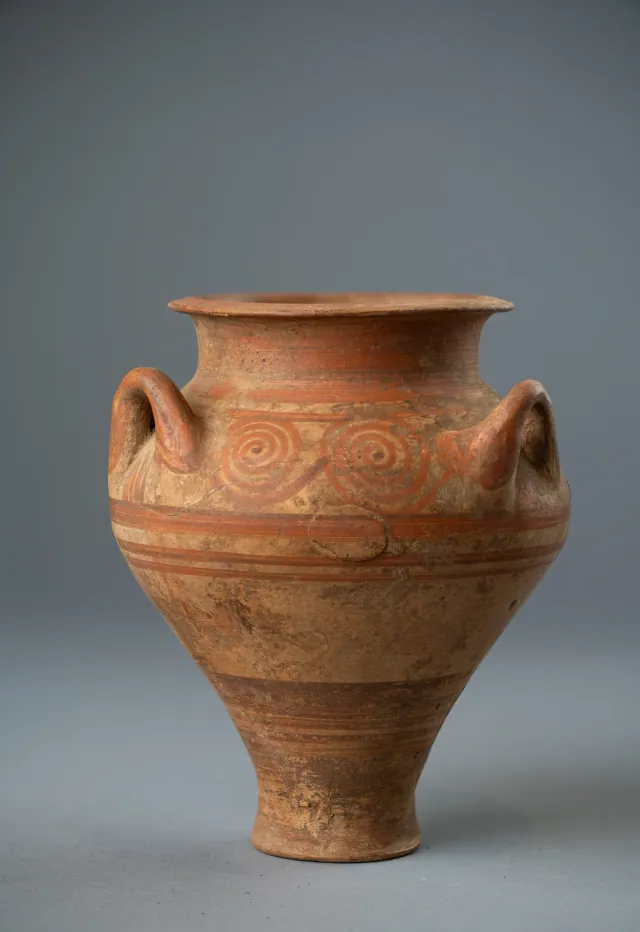
Cypriot Three-Handled Jar in the Mycenaean Style with Running Spirals
Late Cypriot (Late Bronze Age)
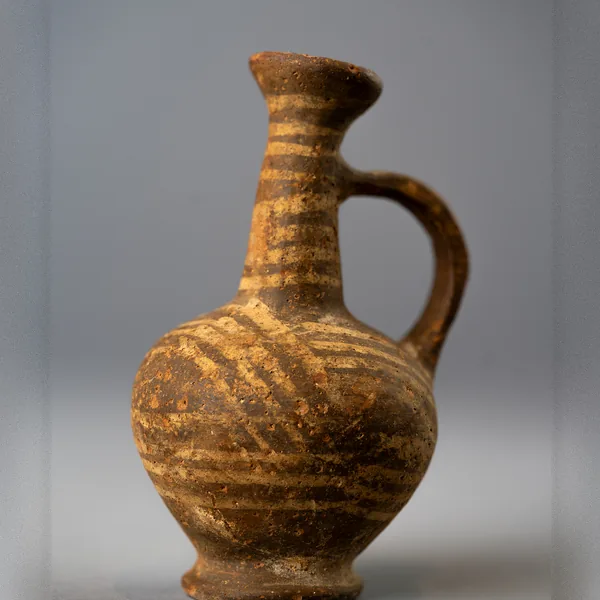
Base Ring II Bilbil Juglet with White-Painted Bands
Late Cypriot (Late Bronze Age)
Background
Where to read more on this site before or after watching.
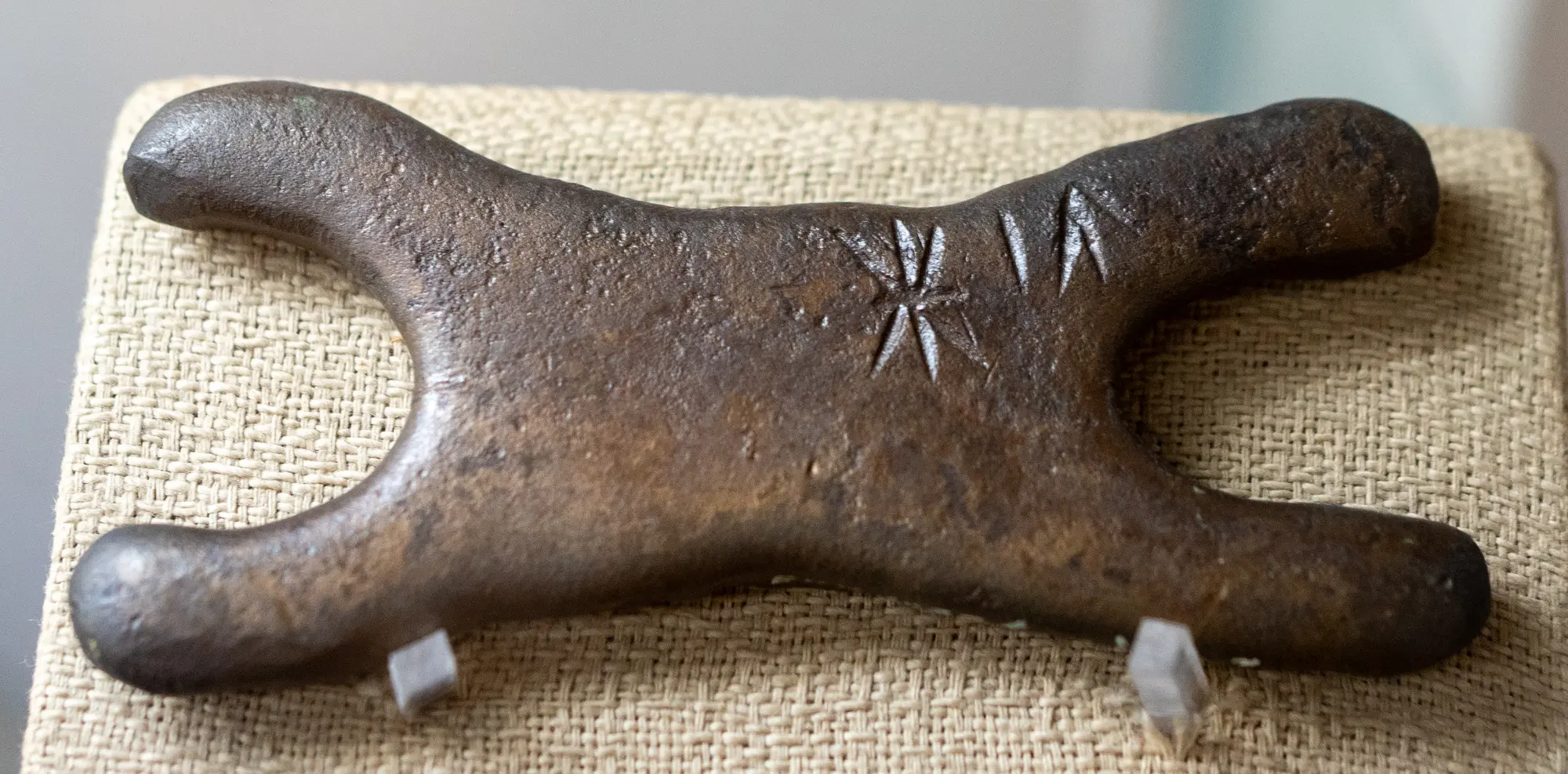
In the compendium
Copper Metallurgy in Ancient Cyprus
The mining, smelting and casting of the Troodos sulphide ores, from hammered Chalcolithic native copper to Late Bronze Age oxhide ingots and Archaic slag heaps.
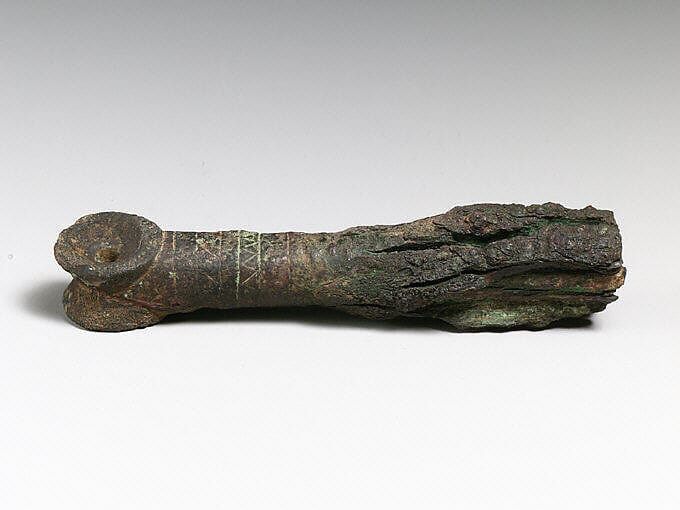
In the compendium
Gold, Silver, Tin, Arsenic and Iron in Ancient Cyprus
The metals other than copper used by Cypriot smiths from the Philia facies to the Hellenistic period, including arsenic, tin, gold, electrum, silver, lead and iron.
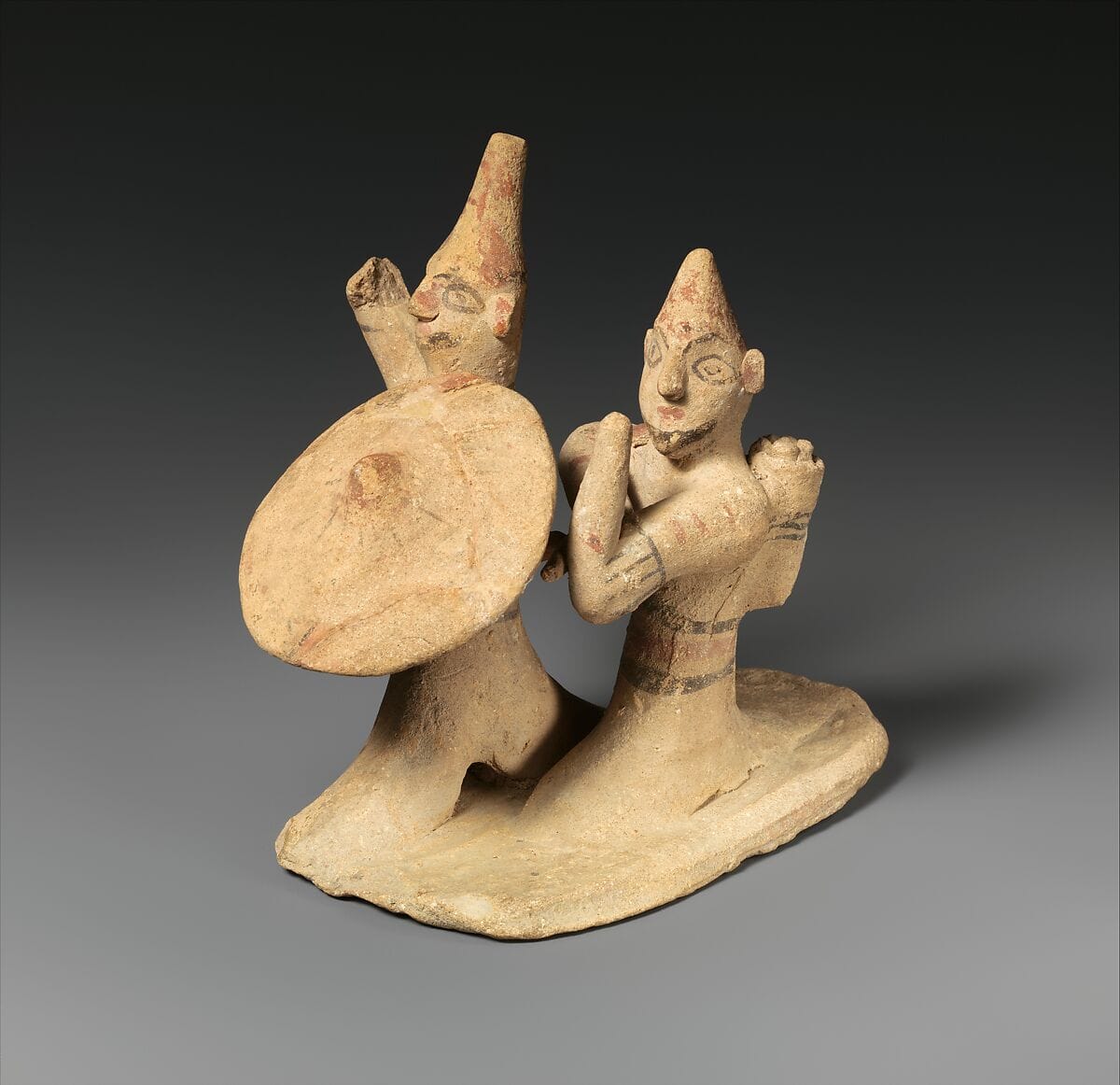
In the compendium
Arms and Armour of Iron Age Cyprus
The iron and bronze weapons, armour and chariots of Cyprus from the first iron daggers of c. 1100–1050 BCE to the end of the city-kingdoms around 310 BCE.

The period
Late Bronze Age
The Late Cypriot period, c. 1650–1050 BCE, when copper exports made Cyprus an urban, literate trading power before the crisis around 1200 BCE.