
Video·Wanax TV·2025
Trojan War: Catalogue of Achaean and Trojan Armies
This video covers more than Cyprus. The description below concentrates on its Cypriot parts, the first of which begins at 34:20.
Chapters
About the video
In this livestream, the presenter of Wanax TV examines the Achaean Catalogue of Ships and the Trojan battle order from Homer's Iliad alongside the Epic Cycle, comparing the epic geography with the historical map of the Late Bronze Age Aegean and Anatolia.
Several passages address Cyprus directly. Discussing how the Catalogue of Ships could have survived from the Bronze Age to the eighth century BC, the presenter notes at 0:33:52 that while mainland Greece lost Linear B, the Cypriot syllabary developed from the Cypro-Minoan script around the 11th century BC and was used throughout the Greek Dark Ages by both incoming Greek colonists and Eteocypriots. At 0:45:39 and in a longer exchange with viewers from 1:01:42, he discusses the Arcadocypriot dialect group, arguing that geographic isolation in Arcadia and on Cyprus preserved archaic Mycenaean features such as the digamma and the royal title wanax, while coastal Peloponnesian dialects evolved into classical Doric.
At 1:27:33 the presenter recalls the mythological episode in which Agamemnon asked the king of Cyprus for fifty ships, received one real vessel and forty-nine clay toy ships, and cursed the Cypriot king in response. Finally, in a discussion of Bronze Age naval warfare at 1:33:31, he cites two Hittite records concerning Cyprus (Alashiya): the Indictment of Madduwatta (c. 1400 BC), which records the Ahhiyawan leader Attarsiya raiding Cyprus alongside Madduwatta, and the account of Suppiluliuma II defeating the Alashiyan fleet at sea before landing on the island to impose temporary vassalage shortly before the Sea Peoples overran it.
From our collection
Pieces in the Drakopoulos collection of the kinds and periods this talk covers: Late Cypriot (Late Bronze Age), Cypro-Geometric.
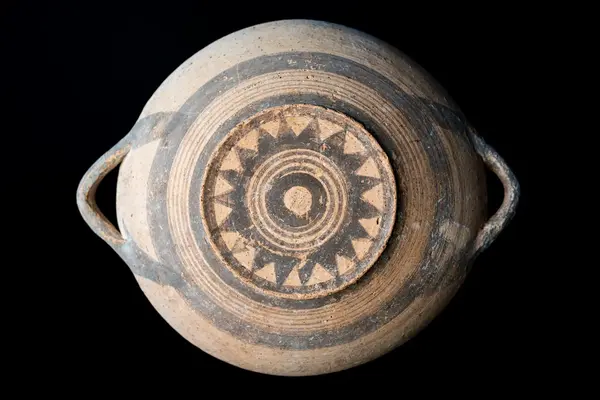
White Painted Plate with a Sawtooth Star on the Underside
Cypro-Geometric
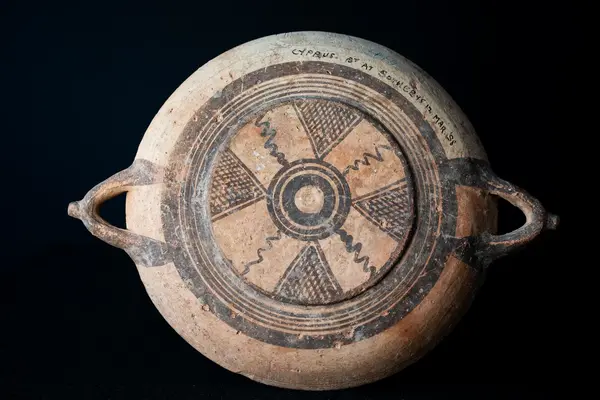
White Painted Plate with Latticed Triangles and Wavy Lines on the Underside
Cypro-Geometric
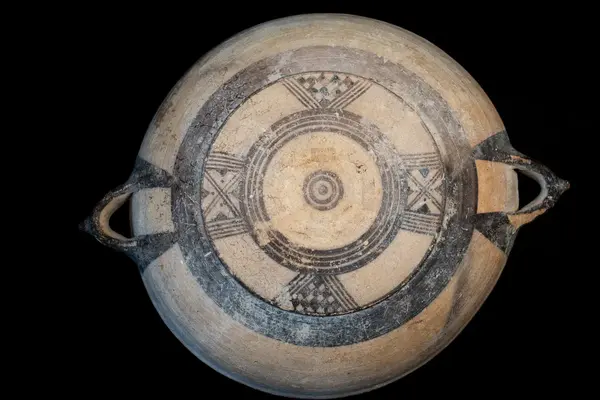
Large White Painted Plate with Knobbed Handles and a Four-Armed Cross on the Underside
Cypro-Geometric
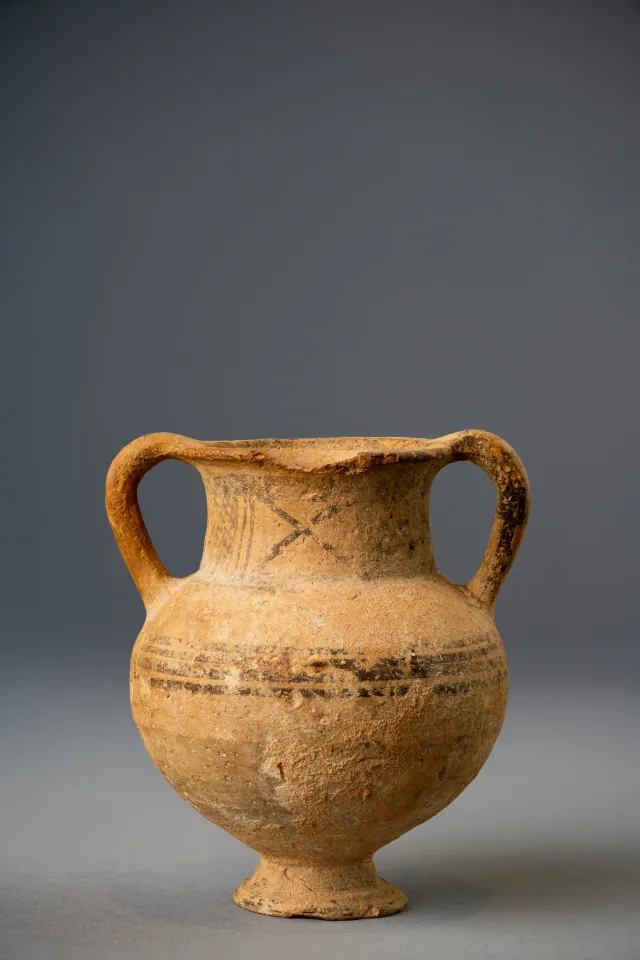
White Painted Amphoriskos on a Conical Foot
Cypro-Geometric
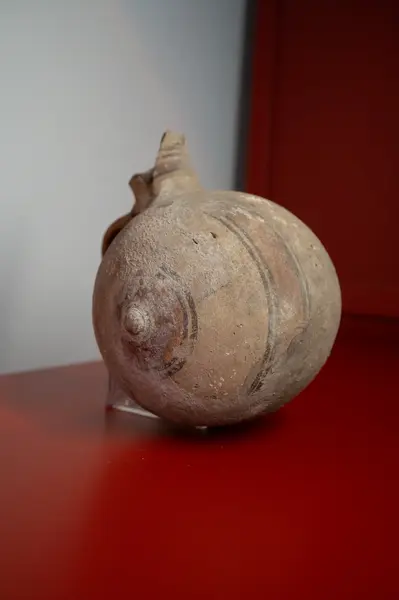
Bichrome Barrel Jug with Circled End-Knobs
Cypro-Geometric
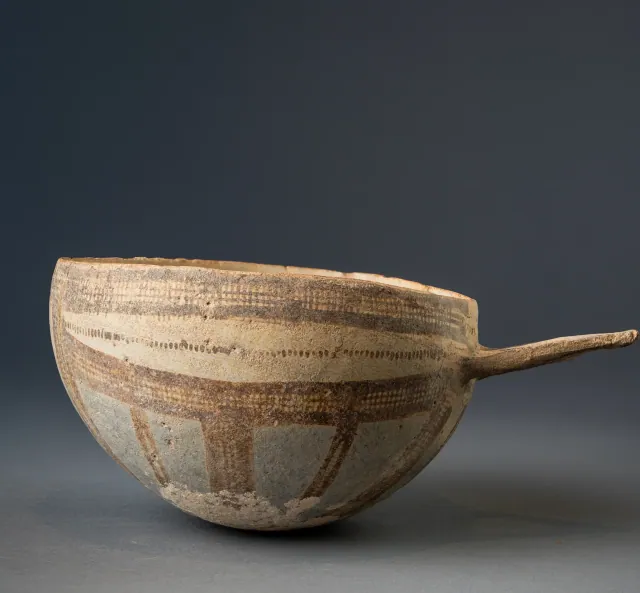
White Slip II Hemispherical Bowl with Wishbone Handle
Late Cypriot (Late Bronze Age)
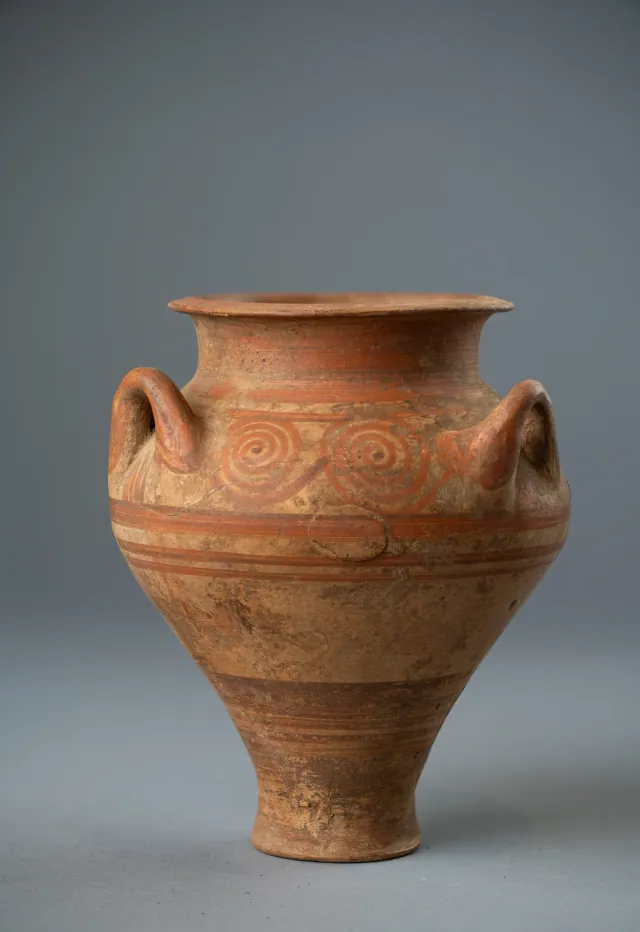
Cypriot Three-Handled Jar in the Mycenaean Style with Running Spirals
Late Cypriot (Late Bronze Age)
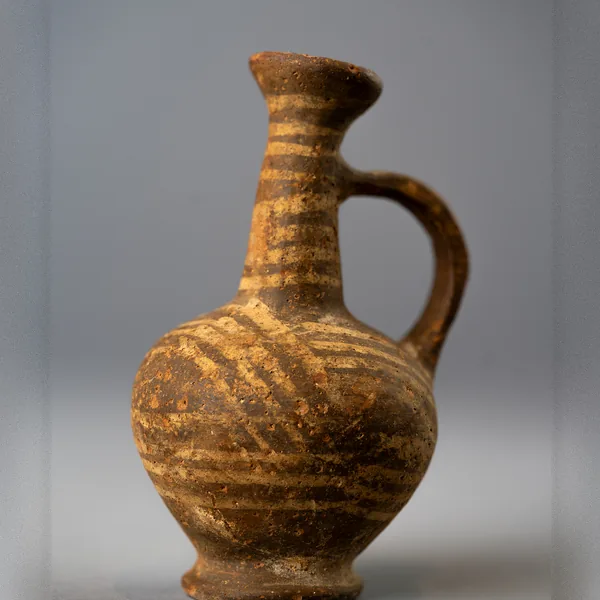
Base Ring II Bilbil Juglet with White-Painted Bands
Late Cypriot (Late Bronze Age)
Background
Where to read more on this site before or after watching.
In the compendium
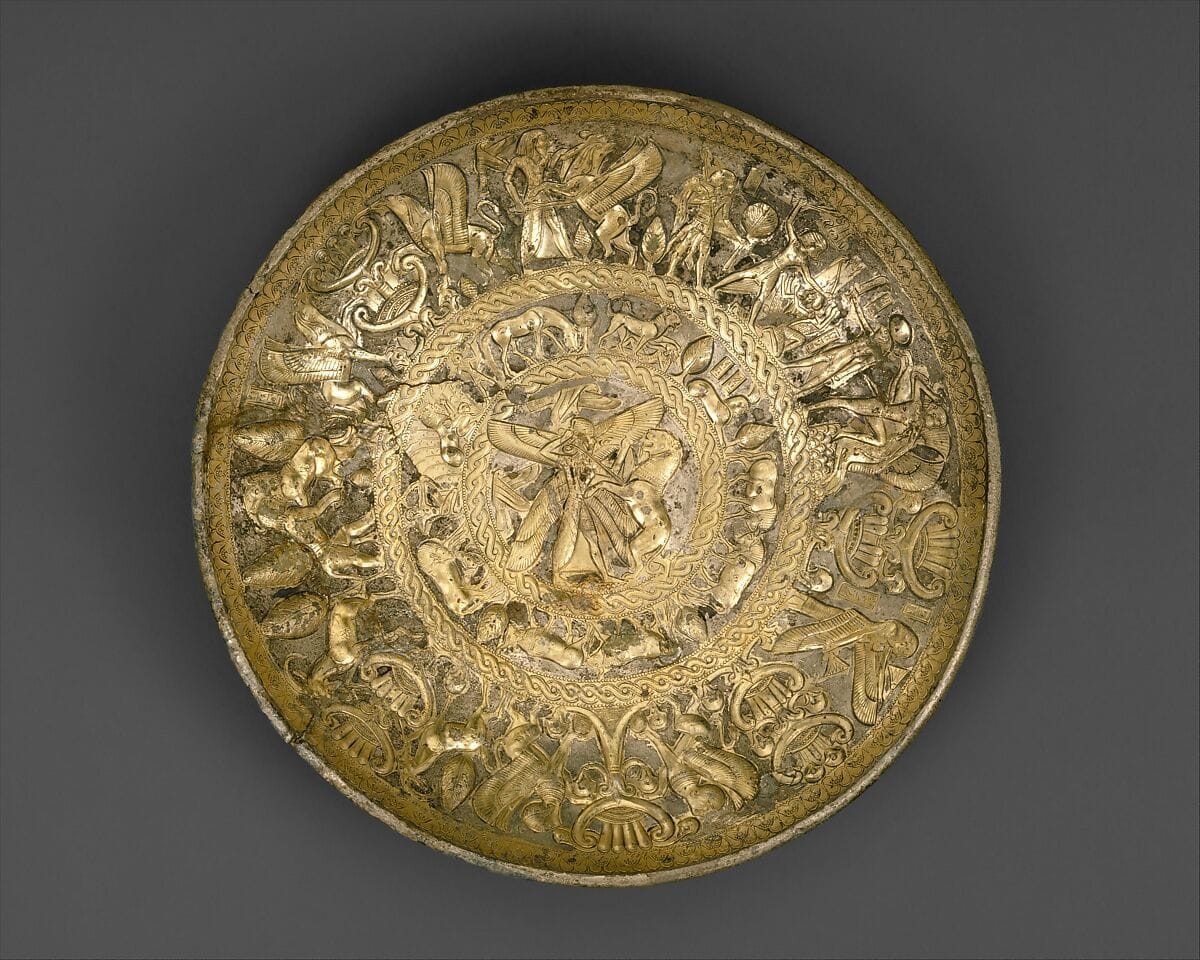
Writing and Literacy in Ancient Cyprus
The scripts of ancient Cyprus, from undeciphered Cypro-Minoan to the Cypriot Syllabary, Eteocypriot, Phoenician and the Greek alphabet, and who used them.
In the compendium
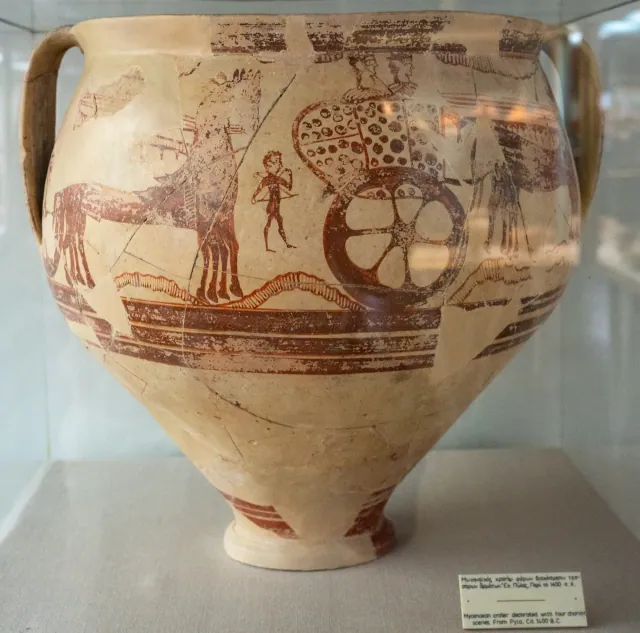
The Mycenaeans and Cyprus
The palatial Late Bronze Age societies of mainland Greece, whose pottery flooded Cypriot coastal towns in the 14th and 13th centuries BCE.
In the compendium
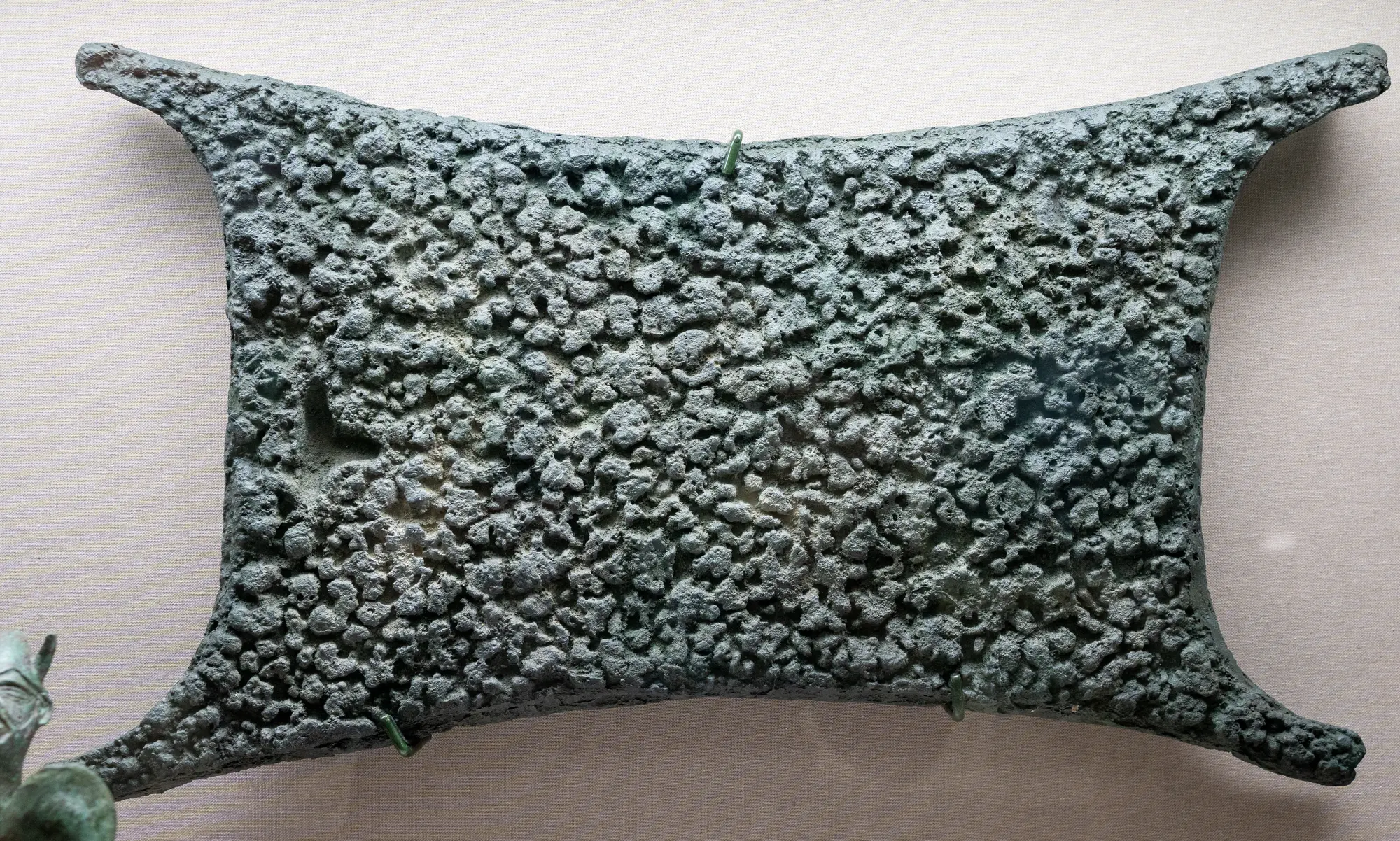
Hittite Empire and Cyprus
The Late Bronze Age Anatolian empire that claimed Alashiya as a tributary but left almost no material trace on Cyprus.

The period
Late Bronze Age
The Late Cypriot period, c. 1650–1050 BCE, when copper exports made Cyprus an urban, literate trading power before the crisis around 1200 BCE.