
Video essay·Dig.·2025
The Archaeology of Zombies, Vampires, and Ghosts
This video covers more than Cyprus. The description below concentrates on its Cypriot parts, the first of which begins at 31.
Chapters
About the video
This video essay from the channel Dig. examines how ancient Mediterranean and Near Eastern societies sought protection from revenants, ghosts, and blood-drinking spirits through burial customs, amulets, and stories.
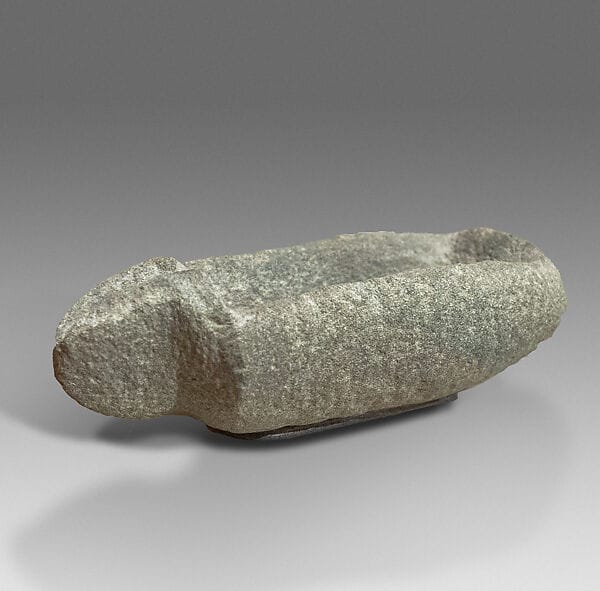
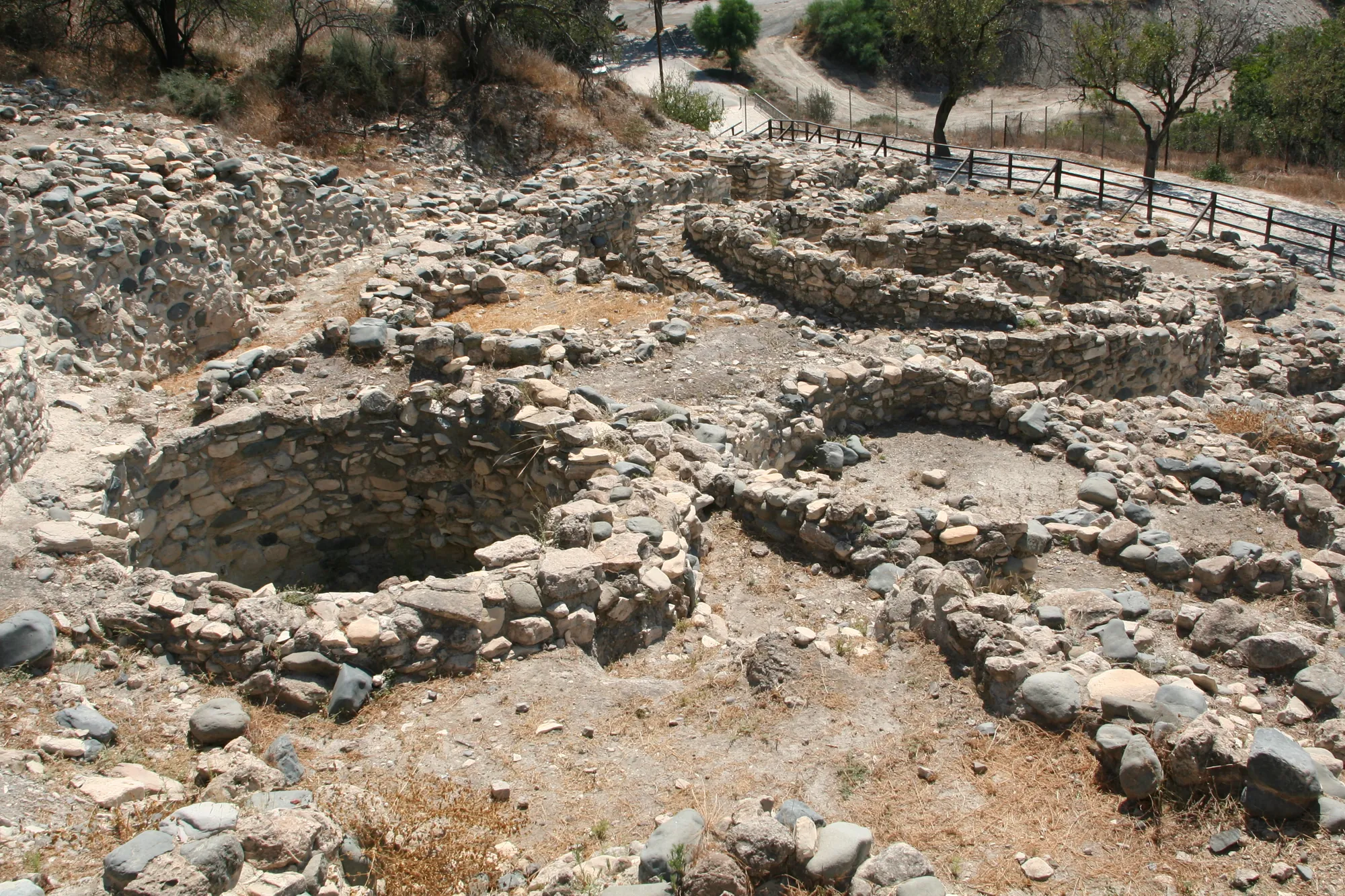
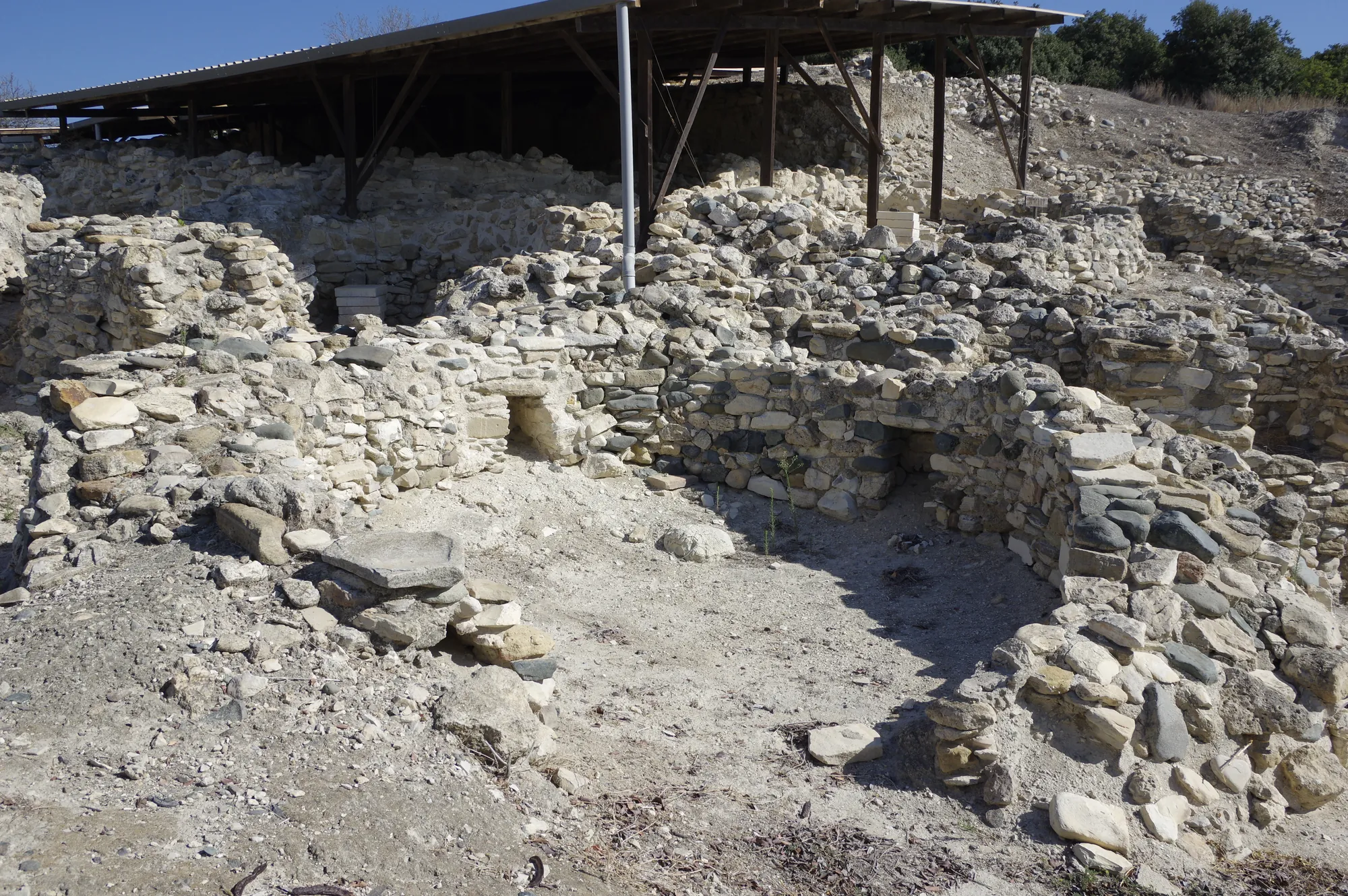
The first eight minutes focus on Cyprus, using the Late Aceramic Neolithic village of Khirokitia, dated to roughly the seventh millennium BC, as a case study for the fear of revenants. The narrator describes the settlement on a steep southern-coast escarpment, with round buildings clustered around small courtyards, grinding installations, hearths, and an enclosure wall. Every excavated building held intramural burials dug beneath the plastered floors, totalling between 175 and 240 individuals of all ages and both sexes. While most bodies lay on their sides in simple pits, about a dozen depart from the norm, and nearly fifty had heavy stones placed over the head or chest. Framing this within the archaeological concept of deviant burial and necrophobia, the narrator examines two contemporaneous interments in Tholos 17: Burial 3, an adult male wearing a shell and stone bead necklace with a large quern on his chest, and Burial 2, an eight- or nine-year-old boy placed on his stomach with his limbs bound behind him, partially inside a broken stone bowl. Excavators interpret the child as a foundation ritual or sacrifice accompanying the adult, while scholars suggest that heavy stones were placed on corpses to prevent the dead from rising.
The rest of the video turns to Pliny the Younger's haunted house in Athens, the seventh-century BC Arslan Tash amulets, and Philostratus's story of Apollonius saving a young man from an empousa at Corinth.
From our collection
Pieces in the Drakopoulos collection of the kinds and periods this talk covers: Neolithic.
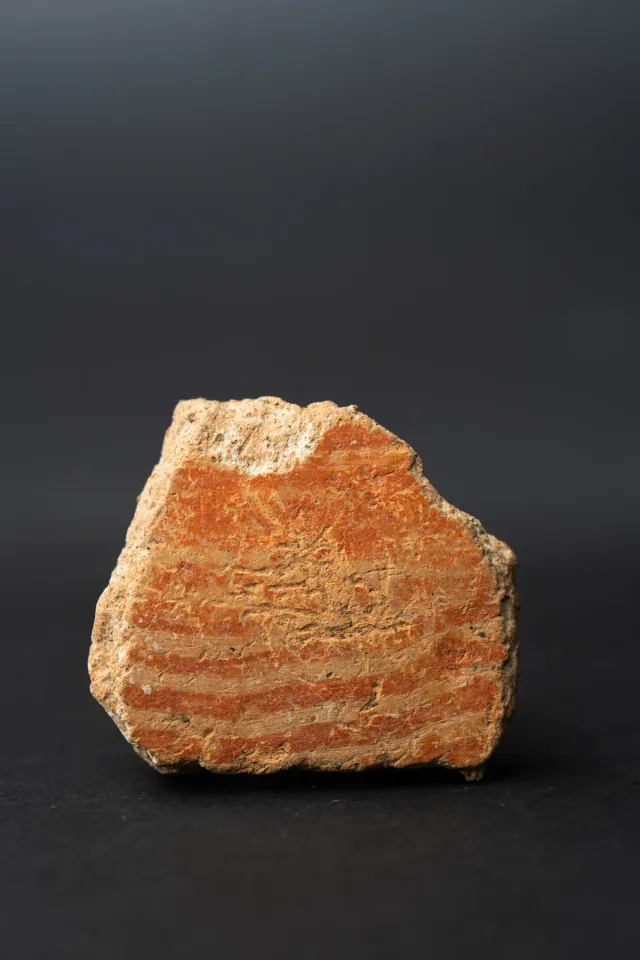
Combed Ware Bowl Fragment with Parallel Bands
Neolithic
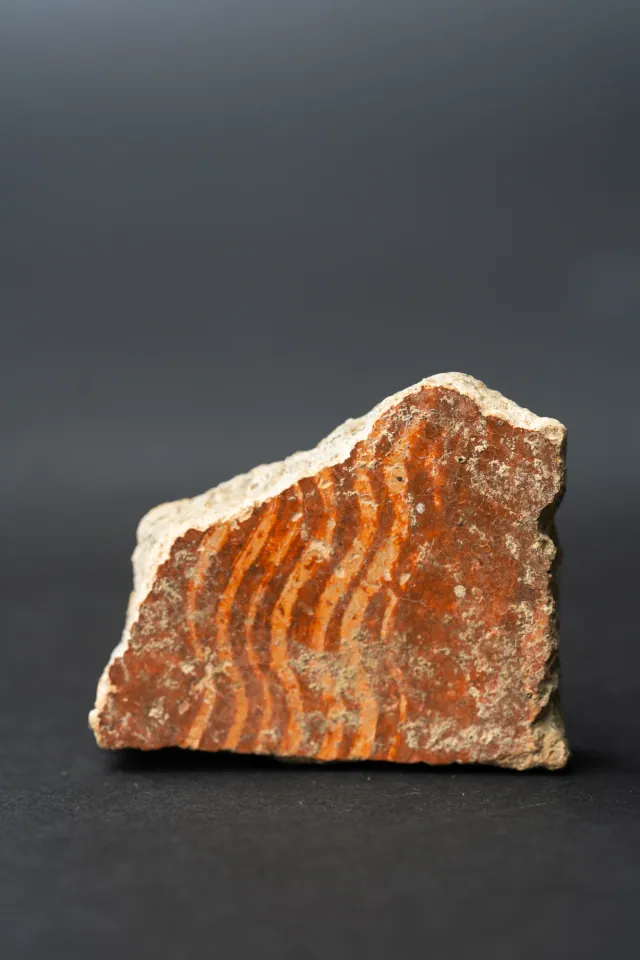
Combed Ware Bowl Fragment with Multiple Wavy Bands
Neolithic
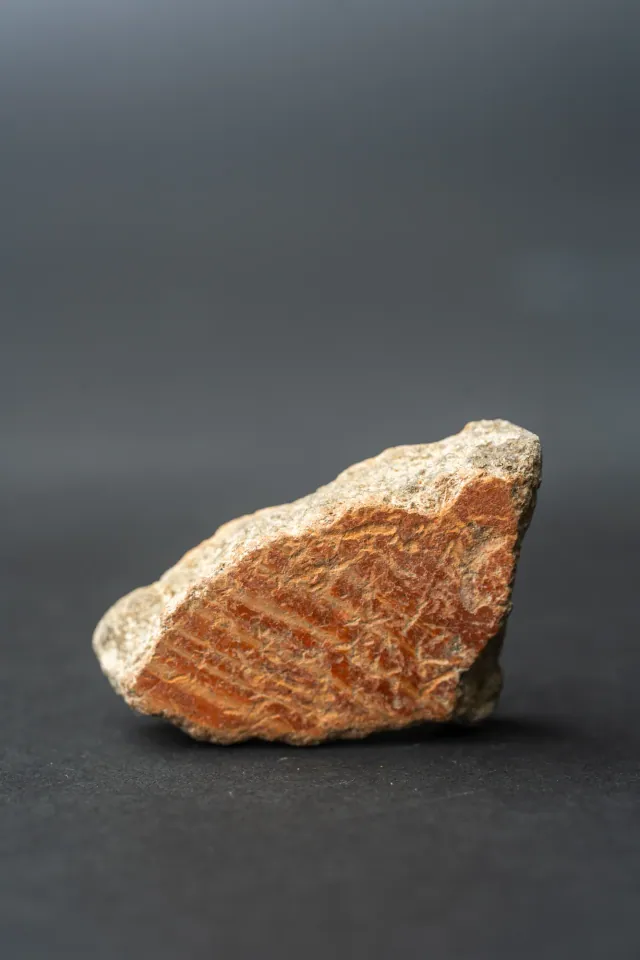
Combed Ware Bowl Fragment with Oblique Bands
Neolithic
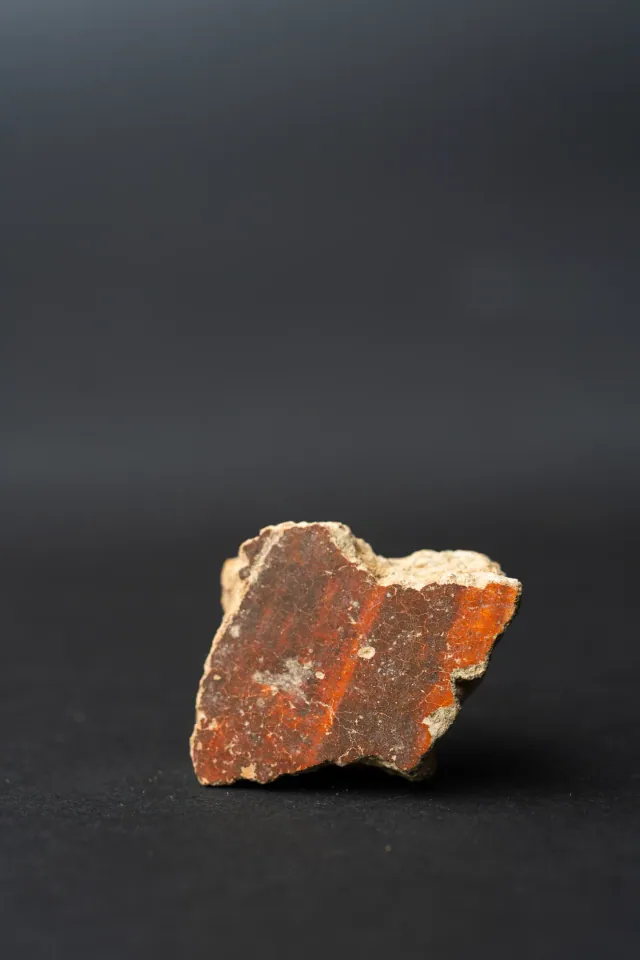
Red Lustrous Ware Body Sherd with Fire-Mottled Slip
Neolithic
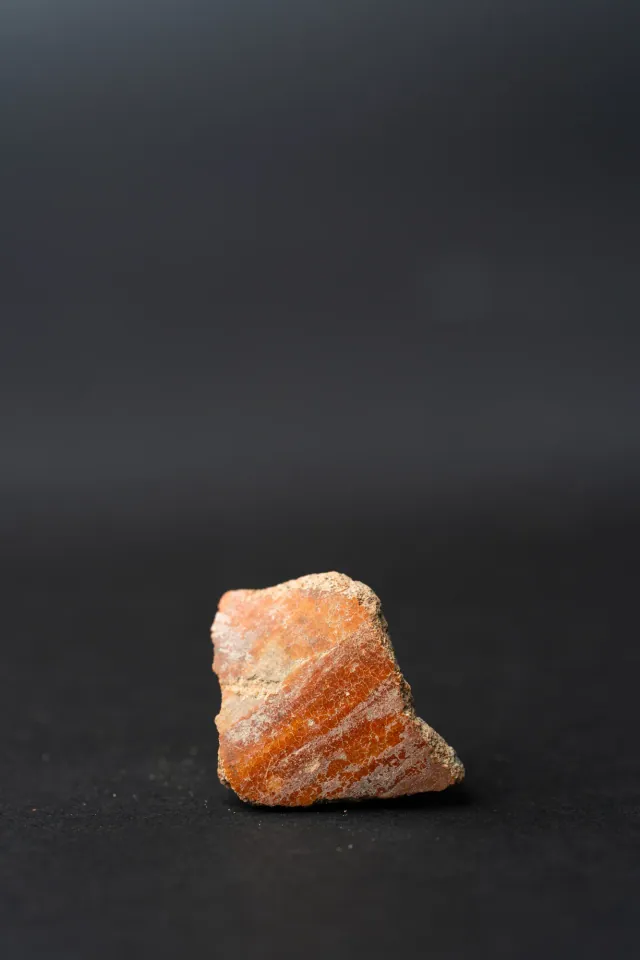
Red Slip Ware Body Sherd with Streaked Slip
Neolithic
Found at the places discussed
Objects in our catalogue, in museum collections, recorded as found at these sites.
Background
Where to read more on this site before or after watching.
The site
Khirokitia
Khirokitia is a walled village of round stone and earth houses on a hill above the Maroni river, lived in from about 7000 BC to the later 6th millennium BC by farmers who made no pottery. It gave its name to the Khirokitia culture, the last stage of the Aceramic Neolithic in Cyprus, and has been a UNESCO World Heritage Site since 1998.
In the compendium
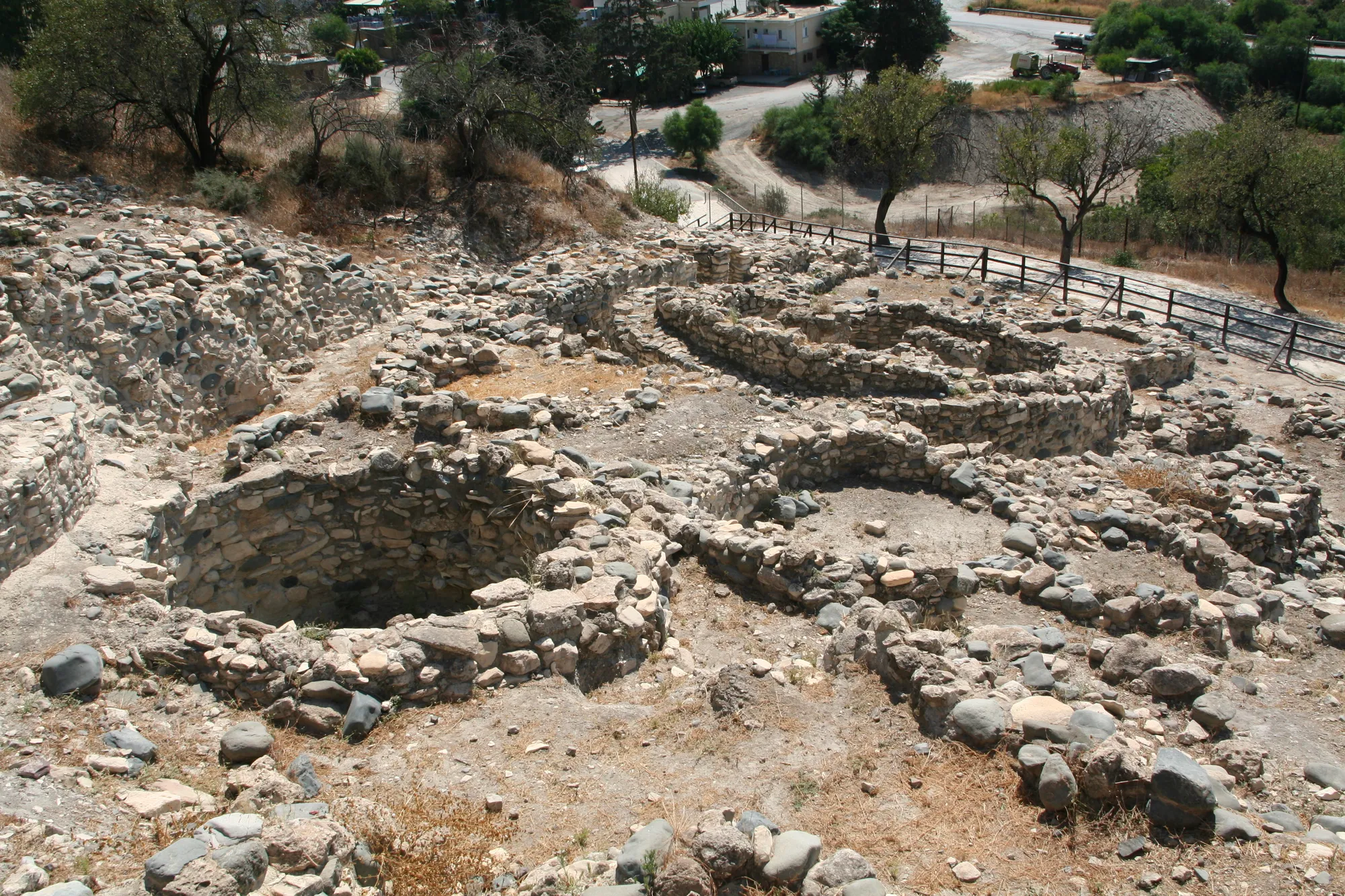
Neolithic Round Houses
The circular buildings of Cyprus's first farming villages, from Klimonas and Tenta to Khirokitia, and the rounded houses of the Ceramic Neolithic.
In the compendium
Neolithic and Chalcolithic Burial in Cyprus
Burial on Cyprus from the first farming villages to the eve of the Bronze Age, mostly contracted bodies in pits beneath or beside houses.
In the compendium
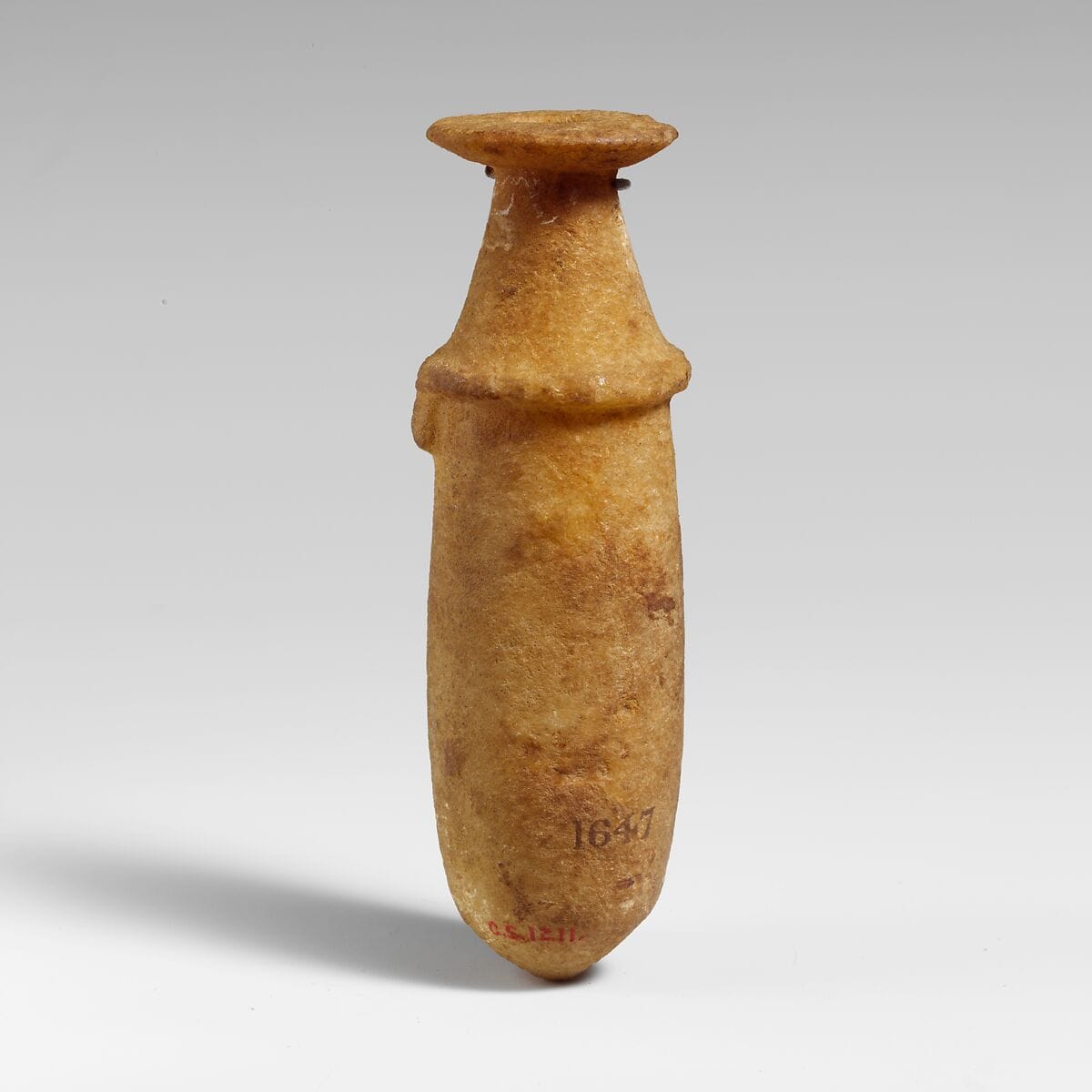
Stone Vessels
Containers ground or carved from stone, the main vessel type of Neolithic Khirokitia and a prestige and cosmetic class again in Late Bronze Age Cyprus.