
Video essay·Wanax TV·2025
History of the Mycenaean-Hittite Conflicts (c. 1400-1200 BC)
This video covers more than Cyprus. The description below concentrates on its Cypriot parts, the first of which begins at 46:56.
Chapters
About the video
Presented as a live broadcast by Wanax TV, this video surveys the diplomatic and military history between Mycenaean Greece (Ahhiya or Ahhiyawa in Hittite texts) and the Hittite Empire from the 15th to the 12th century BC. Using surviving Hittite royal correspondence and treaties, the presenter covers the Assuwa League, Mursili II's conquest of Arzawa, disputes over Aegean islands and Wilusa (Troy), the western Anatolian warlord Piyamaradu in the Tawagalawa letter, and the end of the Late Bronze Age.
Cyprus, as the kingdom of Alashiya, enters the narrative in two places. The first is during the discussion of the Indictment of Madduwatta (from 0:46:00), set around 1400 BC or the early 14th century BC under Tudhaliya and Arnuwanda I. After the death of the Hittite general Kisnapili in the Lukka lands, the Anatolian vassal ruler Madduwatta aligns himself with the Ahhiyawan commander Attarissiya and joins him and other local rulers in naval raids on Alashiya. The presenter notes that the Hittites protested on the grounds that Alashiya was their vassal or ally, while questioning how firm Hittite authority over the island could have been given Hatti's lack of naval power.
The island returns in the closing section on the Bronze Age collapse (from 3:24:11). Discussing the reign of Suppiluliuma II and the Sea Peoples, the presenter describes the Sea Peoples' invasion of Alashiya alongside the fall of Ugarit and Hattusa, and places the destruction of Enkomi, which he identifies as the capital of Alashiya, around 1180 BC. Following the defeat of the Sea Peoples by Ramesses III in 1175 BC (from 3:28:11), he compares Peleset settlement in Philistia with 12th-century BC Greek settlement on Cyprus, noting that both groups produced the same Aegean pottery.
From our collection
Pieces in the Drakopoulos collection of the kinds and periods this talk covers: Late Cypriot (Late Bronze Age).
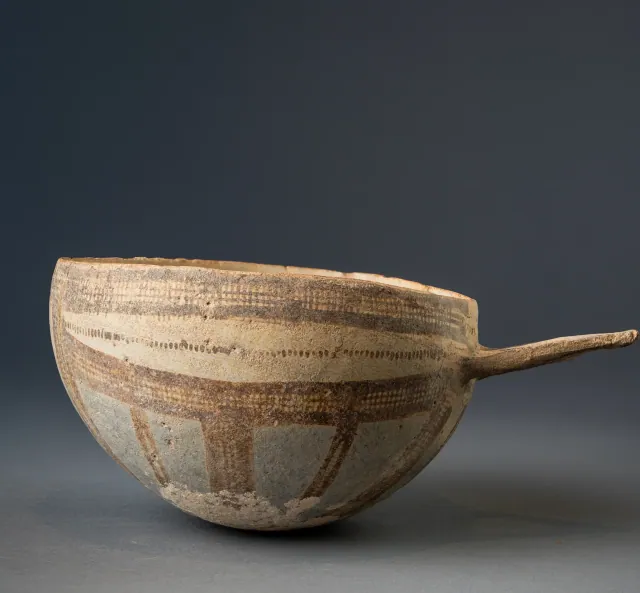
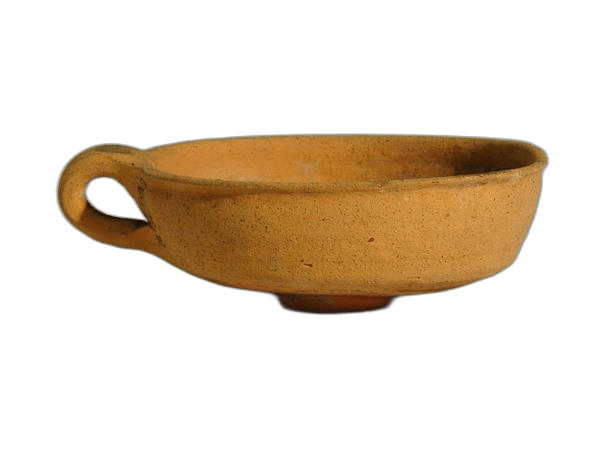
White Slip II Hemispherical Bowl with Wishbone Handle
Late Cypriot (Late Bronze Age)
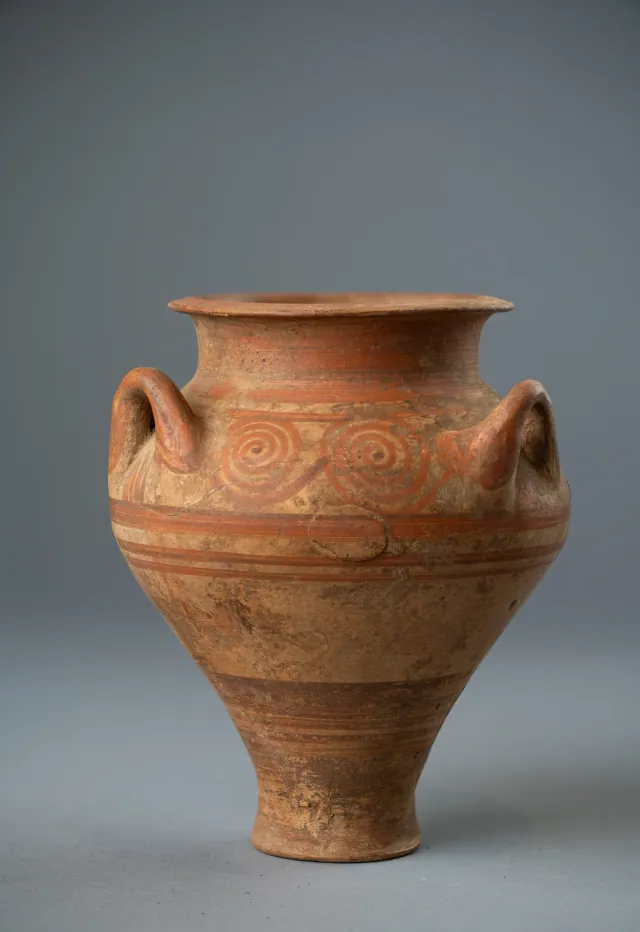
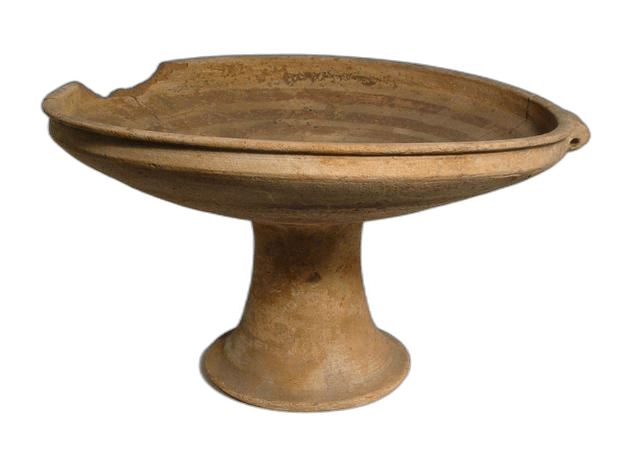
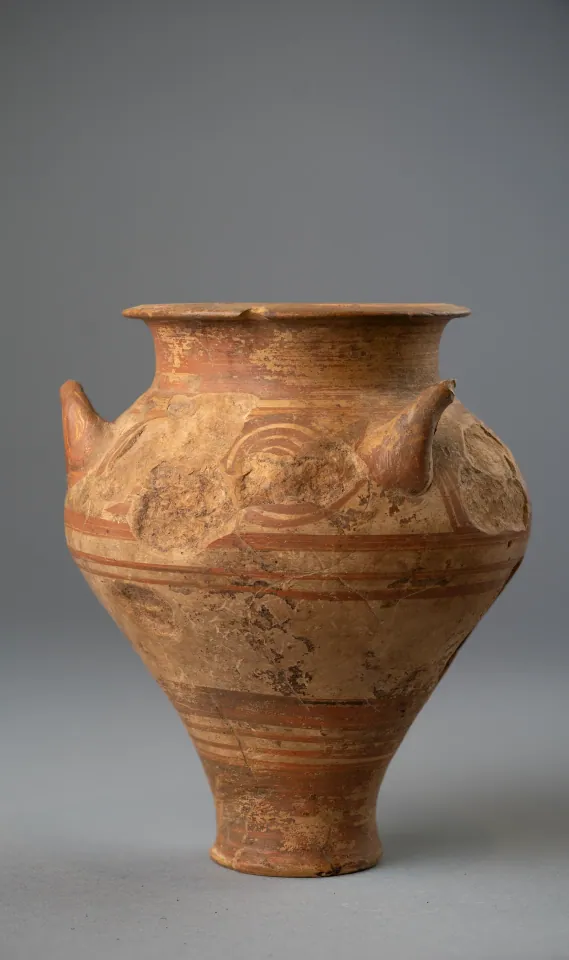
Cypriot Three-Handled Jar in the Mycenaean Style with Running Spirals
Late Cypriot (Late Bronze Age)
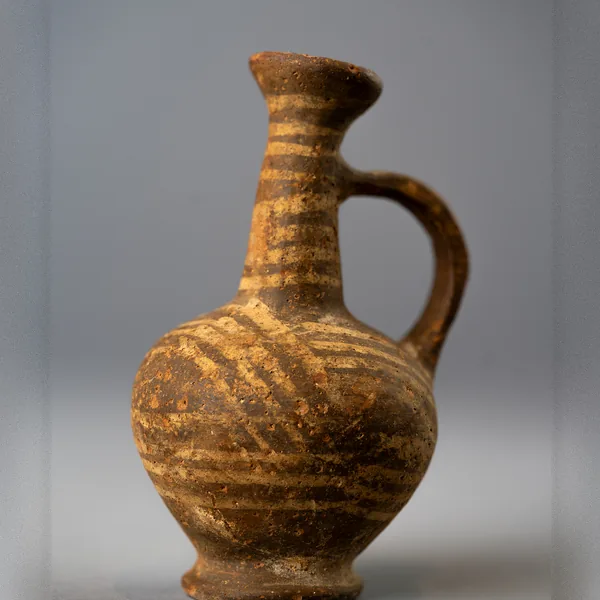
Base Ring II Bilbil Juglet with White-Painted Bands
Late Cypriot (Late Bronze Age)
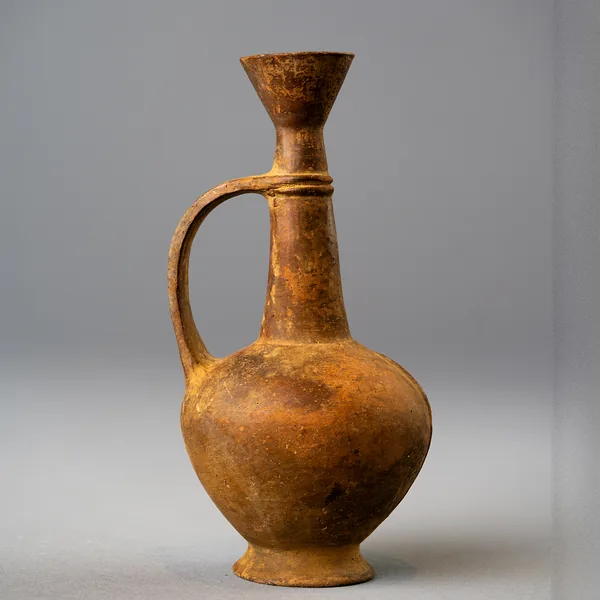
Base Ring Bilbil Juglet with Funnel Mouth and Neck Ridge
Late Cypriot (Late Bronze Age)
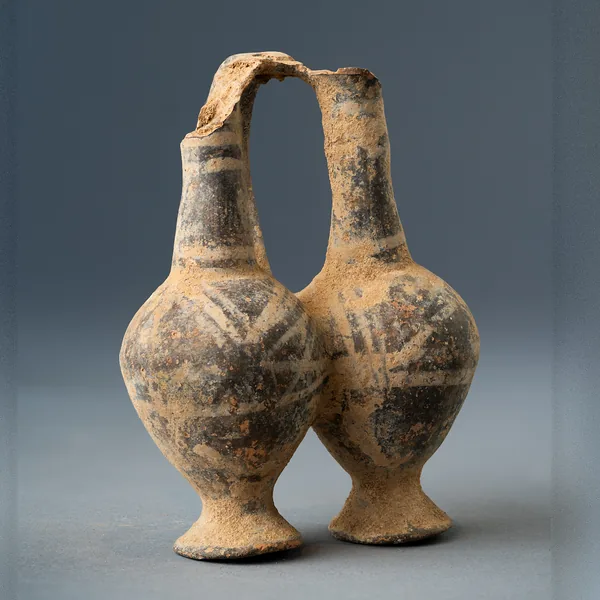
Base Ring II Double Juglet with White-Painted Decoration
Late Cypriot (Late Bronze Age)
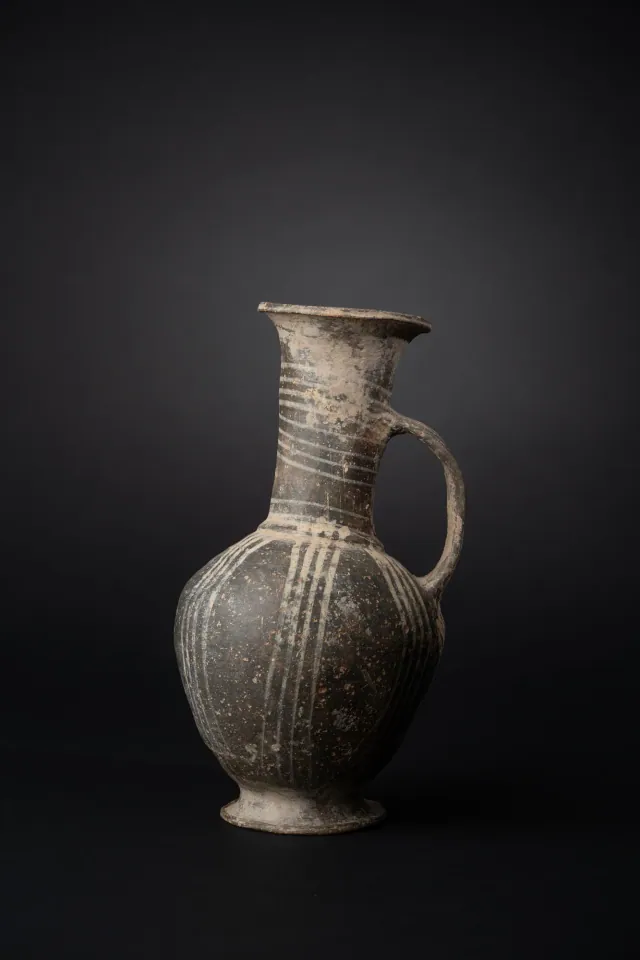
Base Ring II Jug with White-Painted Lattice Bands
Late Cypriot (Late Bronze Age)
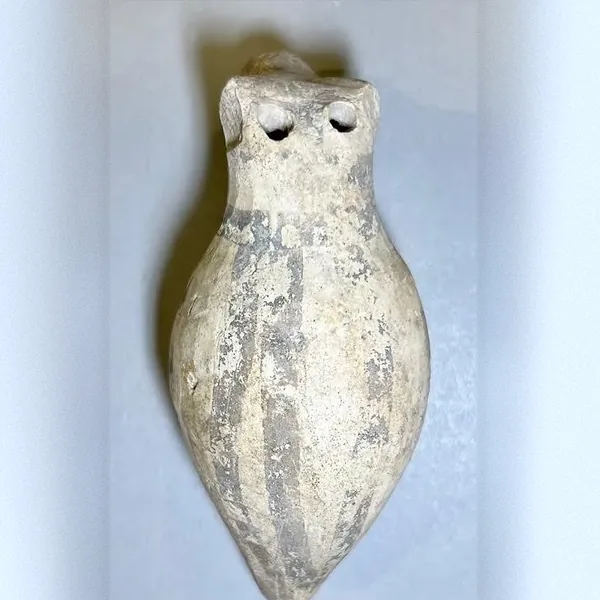
White Painted VI Owl-Headed Rattle
Late Cypriot (Late Bronze Age)
Found at the places discussed
Objects in our catalogue, in museum collections, recorded as found at these sites.

Background
Where to read more on this site before or after watching.
The site
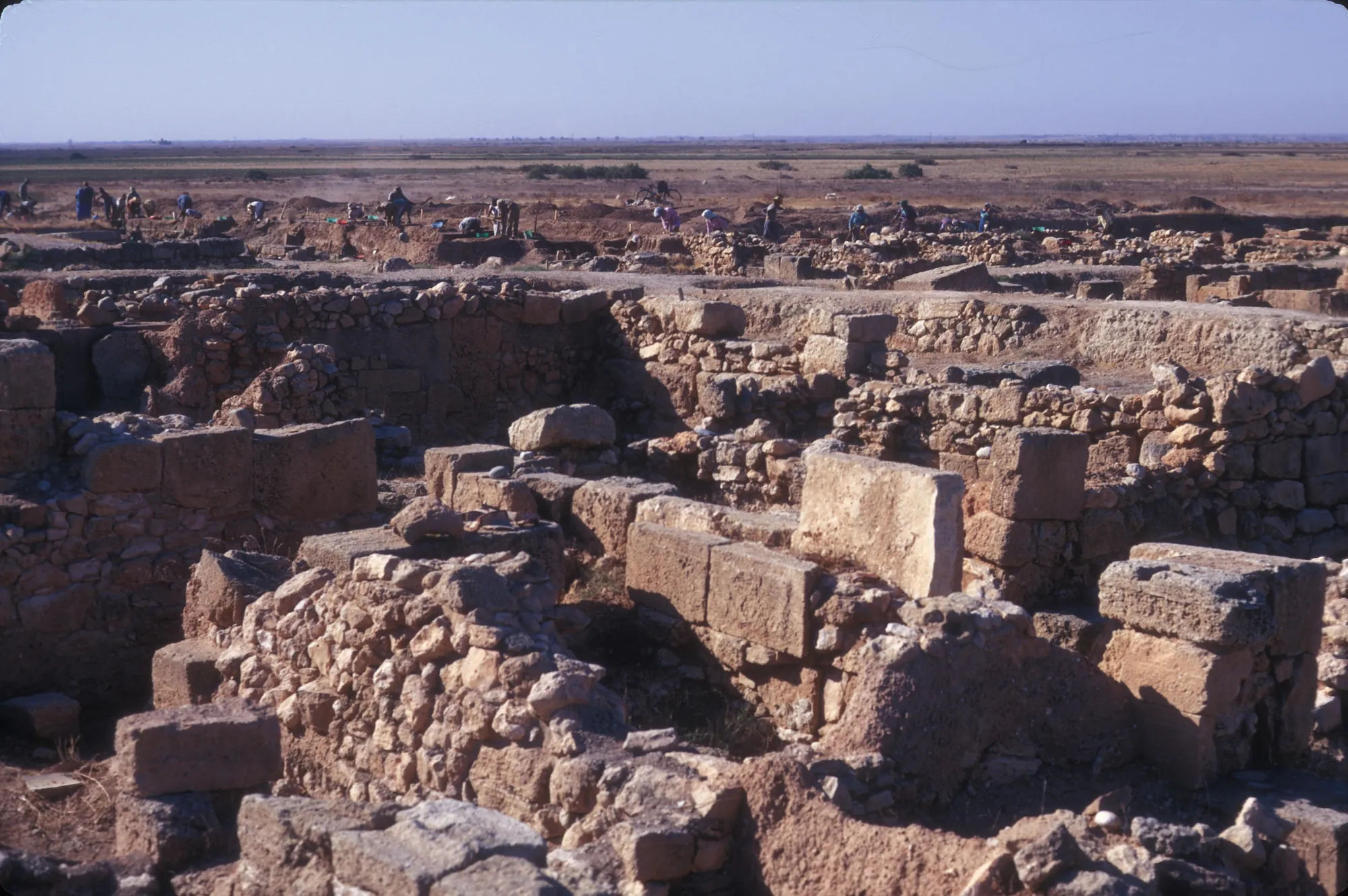
Enkomi
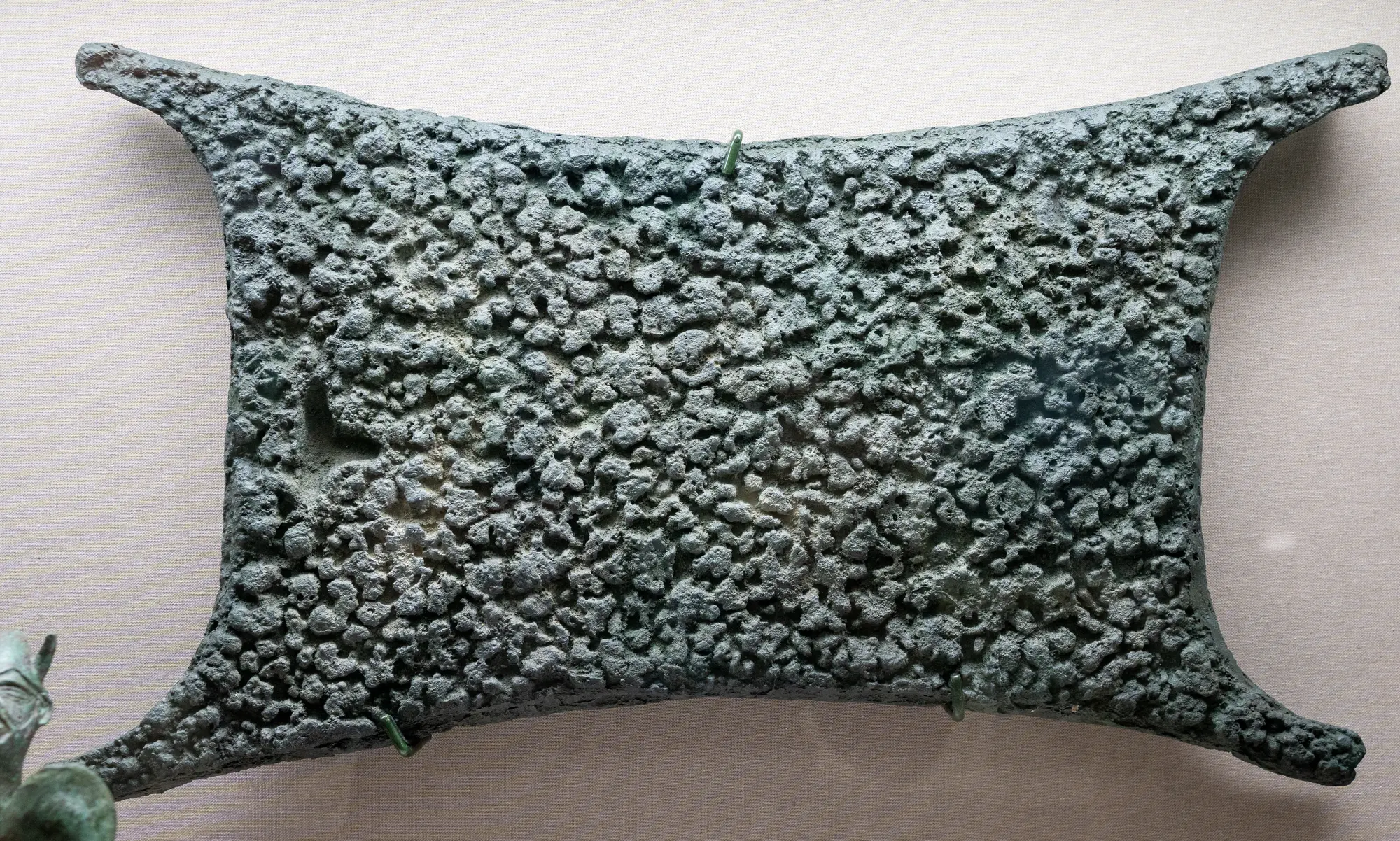
Enkomi is a walled Late Bronze Age town near the mouth of the Pedieos river on the bay of Famagusta, lived in from about 1650 BC until it was gradually abandoned for nearby Salamis. It was a port for Cypriot copper, and its excavations produced metal workshops, sanctuaries with bronze cult statues, rich tombs and the largest group of Cypro-Minoan inscriptions on the island.
In the compendium
Hittite Empire and Cyprus
The Late Bronze Age Anatolian empire that claimed Alashiya as a tributary but left almost no material trace on Cyprus.
In the compendium
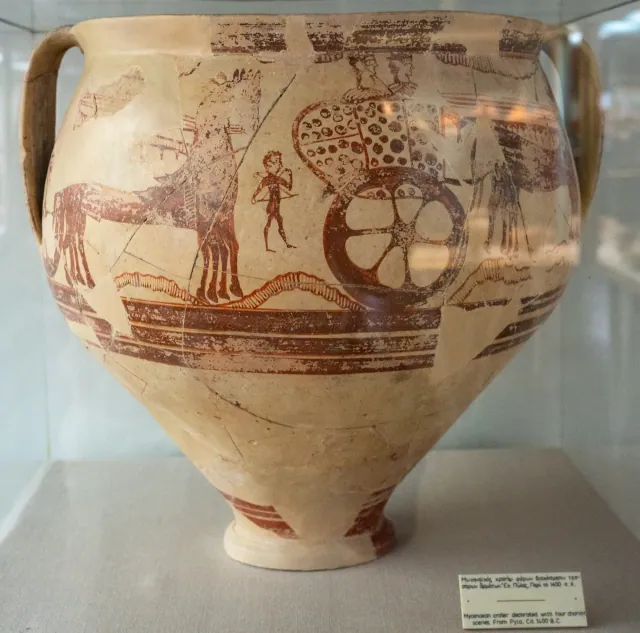
The Mycenaeans and Cyprus
The palatial Late Bronze Age societies of mainland Greece, whose pottery flooded Cypriot coastal towns in the 14th and 13th centuries BCE.
In the compendium
The Philistines
The 12th-century BCE newcomers to the southern Levantine coast, whose Aegean-style pottery, hearths and houses derive most directly from Cyprus.