
Conference paper·CAARI Cyprus·2021
Cypriot heritage through the lens of Apostolos Ververis: shaping perceptions of identity in the 1950s
Christina Roditou
Chapters
About the video
Christina Roditou examines the 1954 photographic mission to Cyprus of Apostolos Ververis, official photographer to the Greek Royal Court, and compares his work with the tourist imagery promoted by the British colonial government. Commissioned by the Greek government in July 1954 ahead of the United Nations General Assembly debate on the Cyprus question, Ververis spent ten days documenting landscapes, archaeological sites, Byzantine monuments and folk life to support the Greek Cypriot campaign for self-determination and union with Greece (enosis).
Roditou places Ververis alongside the Greek writer and artist Athina Tarsouli, whom the Church of Cyprus commissioned to produce an illustrated two-volume book published in 1955 and 1964. Tarsouli's opening map of the island filled the scene with Greco-Roman sites, Byzantine churches and Greek Cypriot peasant life while omitting Gothic architecture, mosques and the Ottoman period. By contrast, a 1948 British colonial tourist map emphasised Lusignan cathedrals, Venetian fortifications and Crusader castles.
The paper traces how British tourist promotion shifted in the 1930s. Under Governor Ronald Storrs, postcards had presented Cyprus as part of the exotic Near East through Gothic monuments and mosques. Following the excavations of the Swedish Cyprus Expedition between 1927 and 1931 and growing European interest in Byzantine studies, the 1934 colonial stamp series added Salamis, the Palace of Vouni, the theatre at Soloi and the Byzantine church at Peristerona.
Roditou then contrasts local tourist photography of the 1950s with Ververis's compositions, many of which were published in Athens in 1954 by Angelos Prokopiou in the state album Cyprus, a Hellenic Island. Whereas postcard photographers working for Tuck and Sons showed tourists posing on fallen columns at Salamis or visiting Kourion, Ververis shot the Corinthian colonnade at Salamis from a low angle without people, presenting the columns as symbols of Greek identity. He also staged folk dances in Greek and Cypriot dress at Panagia Glykiotissa in Kyrenia, photographed a monk's cell at Kykkos Monastery displaying a portrait of King George II of Greece beside an icon of the Virgin Mary, and documented an icon painter at Stavrovouni Monastery. Roditou compares this last image with a 1953 tourist book by colonial officer Ronald Wideson, and links Ververis's visual repertoire to post-Civil War Greek photography promoted by the Hellenic Tourism Organization and the Hellenic Photographic Society.
Background
Where to read more on this site before or after watching.
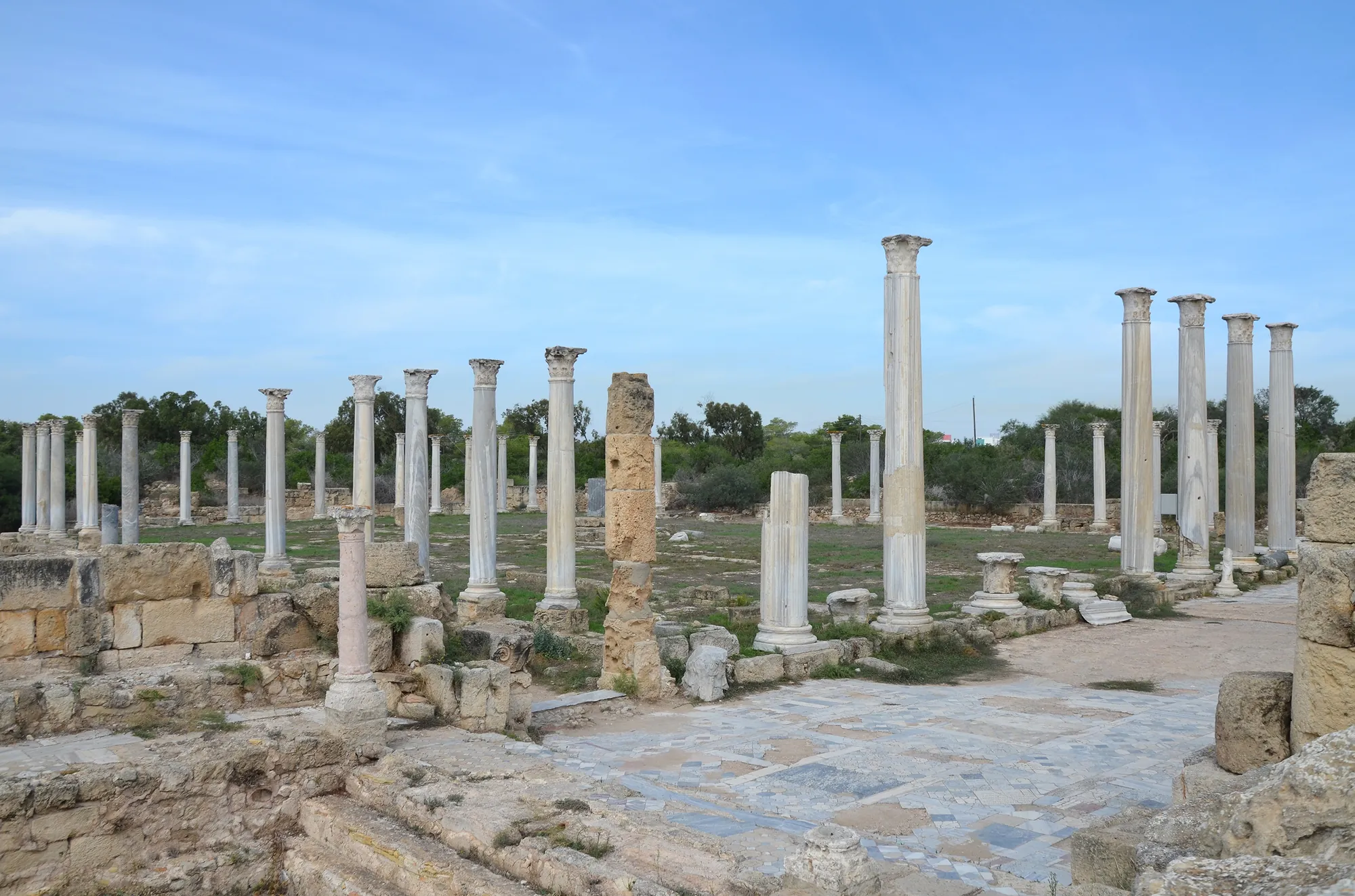
The site
Salamis
A city on the east coast of Cyprus at the mouth of the Pedieos river, founded in the 11th century BC and one of the leading city-kingdoms of the island until 311/310 BC. It is known for the Royal Tombs with their sacrificed horses and chariots, for its Roman gymnasium, baths and theatre, and as Constantia, seat of the bishops of Cyprus from the 4th century AD. The site lies in the north of the island; the Cypriot and French excavations stopped in 1974.
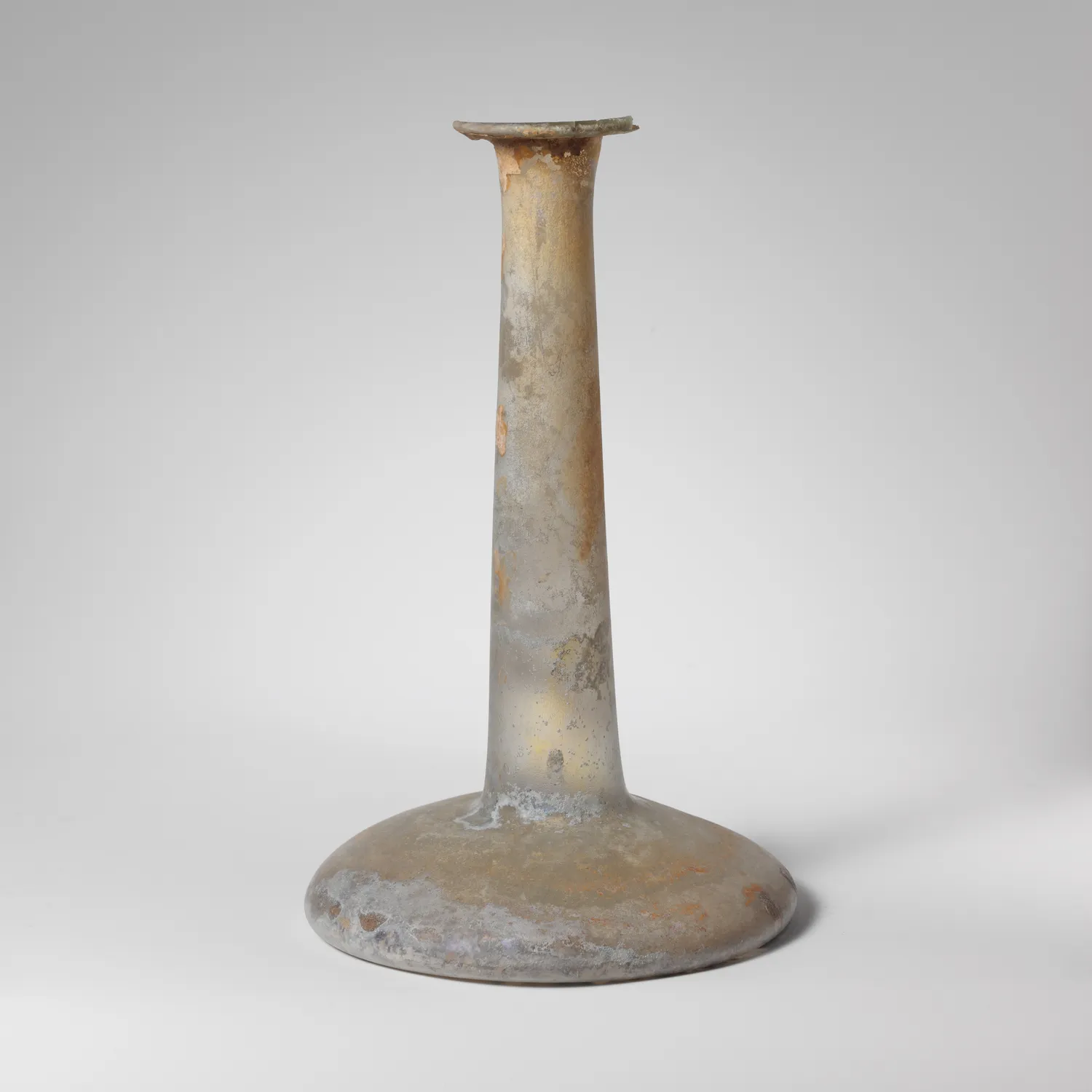
The period
Roman
Cyprus as a Roman province from 58 BCE to the fourth century CE, governed from Nea Paphos, mined for copper, and finally wrecked by earthquakes.