
Conference paper·Archaeological Research Unit - University of Cyprus·2019
A Conference in Honour of A. Bernard Knapp: All the King's Wine: Late Bronze Age Vineyards and Texts from Emar and Ugarit
All the King's Wine: Late Bronze Age Vineyards and Texts from Emar and Ugarit
Christopher
A guest lecture in the University of Cyprus series on a subject outside Cyprus.
Chapters
About the video
Delivered at the conference in honour of A. Bernard Knapp on the archaeology of Cyprus and the wider Mediterranean, this paper by Christopher (introduced by first name only) examines vineyard ownership and wine production in the Late Bronze Age kingdoms of Ugarit and Emar.
The speaker opens with Roman viticulture and literature, citing Cato, Varro, Columella, Horace, Pliny, Petronius and Pompeii tavern graffiti to show how Roman wine was a commoditised, everyday good. Turning to the Near East around 1200 BC, he questions the conventional Assyriological view that early wine was an enclaved royal luxury.
At Ugarit, recent studies of alphabetic palace tablets by Matoïan and Vita argue for royal administration of vineyards. The speaker counters this with syllabic Akkadian legal texts from the reign of Ammistamru II. While the king seized, granted and sold vineyards, sometimes attaching a clerical service obligation (pilku), many transfers placed vineyards into private hands without obligations. The king also acted as a witness in private sales, including purchases of vineyard estates by women. Widespread private production helps explain the use of wine to pay debts and the near absence of beer in Ugaritic administrative texts.
At Emar on the upper Euphrates, building on Maurizio Viano's study, he shows that twelve of fifteen vineyard sales, alongside wills, gifts and dowries, involved private owners, mostly in the village of Rabban next to royal and temple holdings. After comparing Ramesside Egypt and Late Bronze Age wine prices against daily wages, a short question-and-answer session addresses personal names, wine imports at Old Assyrian Kültepe and in Ramesside dockets, and private ship ownership.
From our collection
Pieces in the Drakopoulos collection of the kinds and periods this talk covers: Late Cypriot (Late Bronze Age).
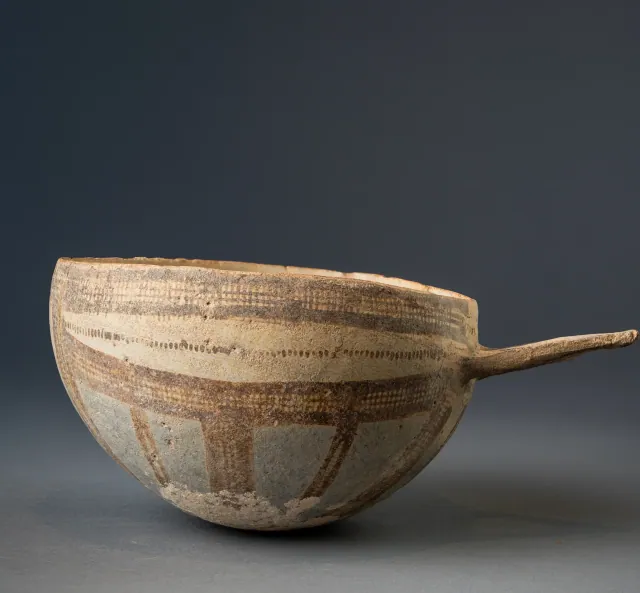
White Slip II Hemispherical Bowl with Wishbone Handle
Late Cypriot (Late Bronze Age)
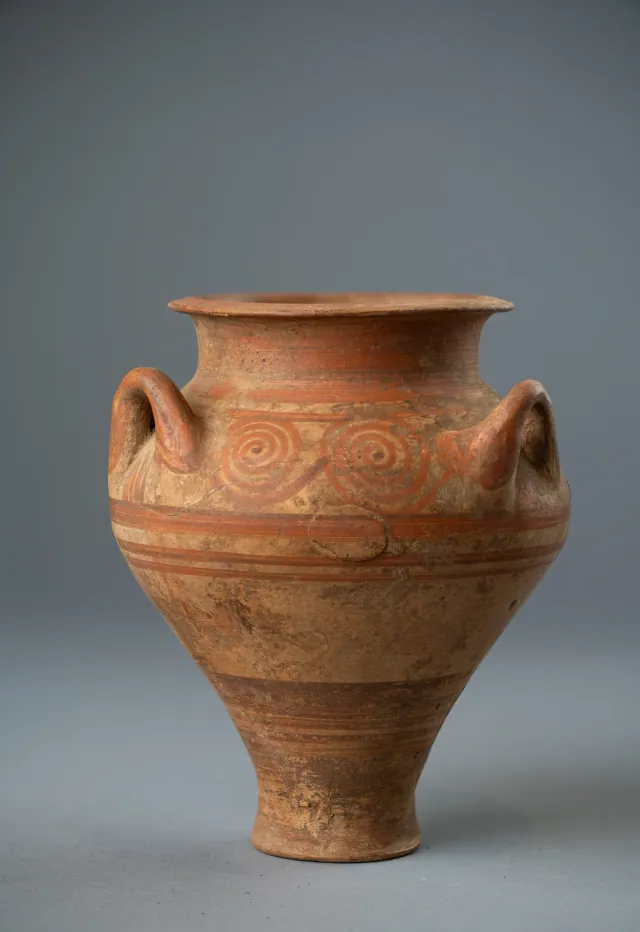
Cypriot Three-Handled Jar in the Mycenaean Style with Running Spirals
Late Cypriot (Late Bronze Age)
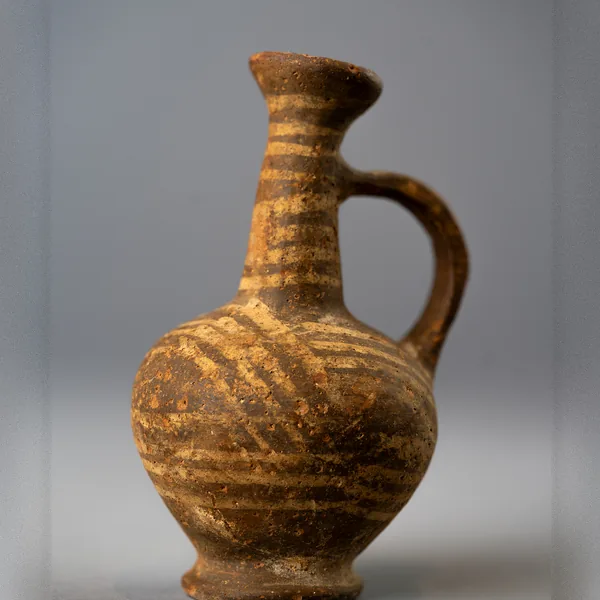
Base Ring II Bilbil Juglet with White-Painted Bands
Late Cypriot (Late Bronze Age)
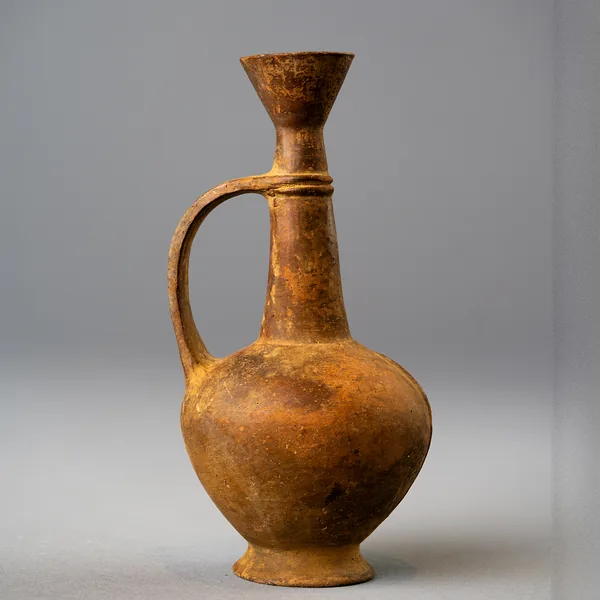
Base Ring Bilbil Juglet with Funnel Mouth and Neck Ridge
Late Cypriot (Late Bronze Age)
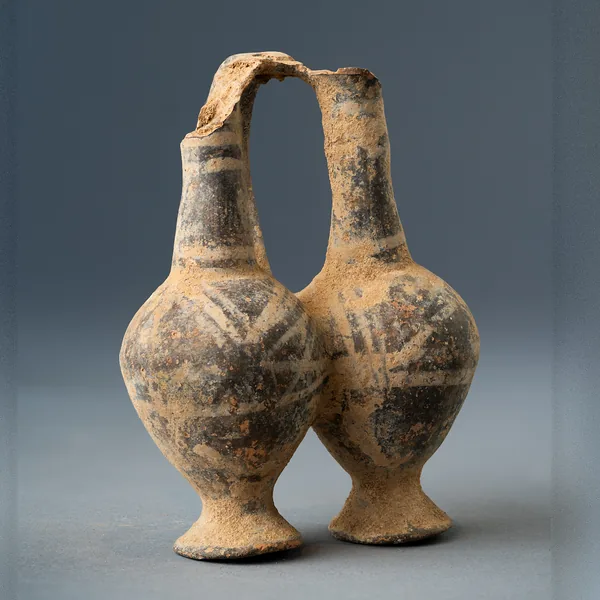
Base Ring II Double Juglet with White-Painted Decoration
Late Cypriot (Late Bronze Age)
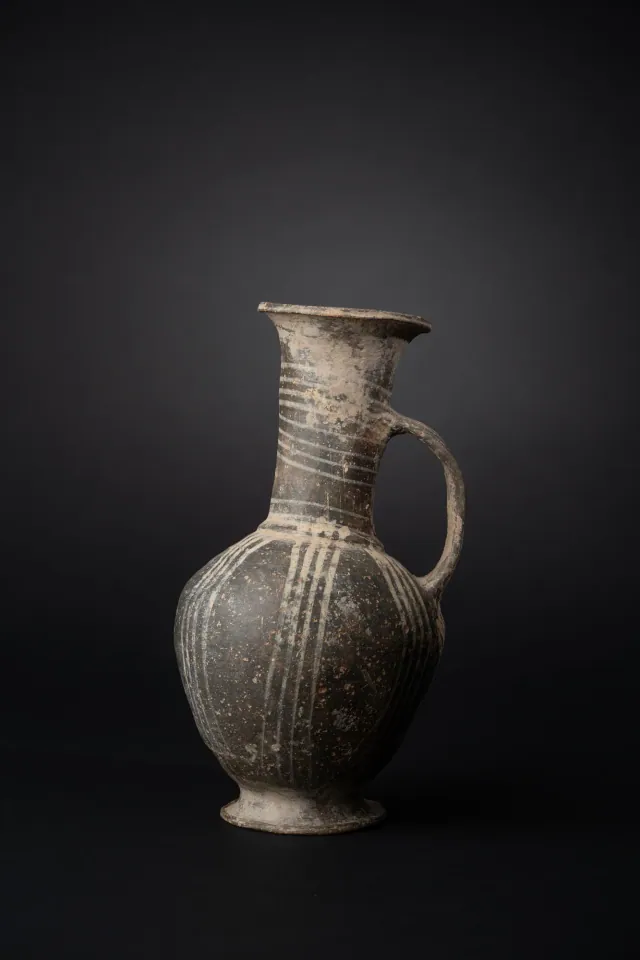
Base Ring II Jug with White-Painted Lattice Bands
Late Cypriot (Late Bronze Age)
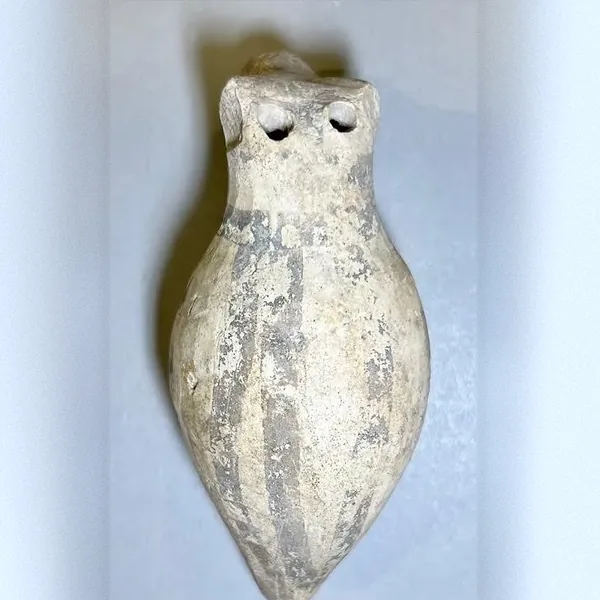
White Painted VI Owl-Headed Rattle
Late Cypriot (Late Bronze Age)
Background
Where to read more on this site before or after watching.

In the compendium
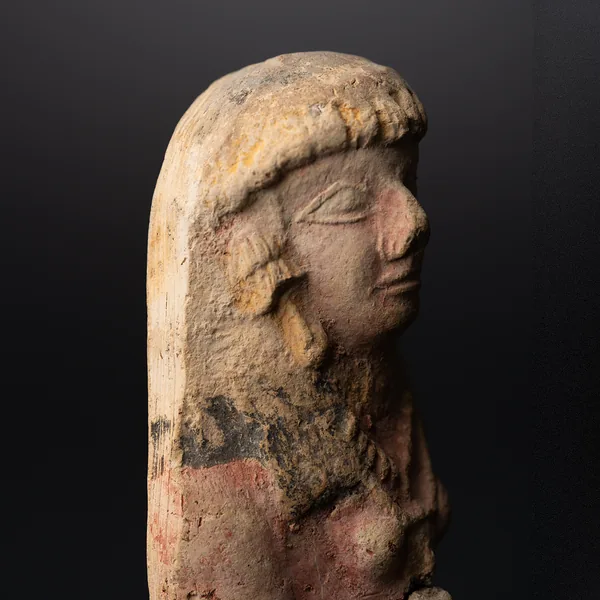
Ugarit and the Levant
The Syrian port kingdom of Ugarit and the wider Levantine coast, Cyprus's closest Bronze Age trading partners across the water.
In the compendium
Egypt
Ancient Egypt, Cyprus's partner in copper, pottery and prestige goods from the Middle Kingdom to the Ptolemies, who annexed the island.
In the compendium
Food and Diet in Ancient Cyprus
What Cypriots grew, herded, hunted, cooked and drank from the first Neolithic villages to the end of the Cypro-Archaic period.

The period
Late Bronze Age
The Late Cypriot period, c. 1650–1050 BCE, when copper exports made Cyprus an urban, literate trading power before the crisis around 1200 BCE.