
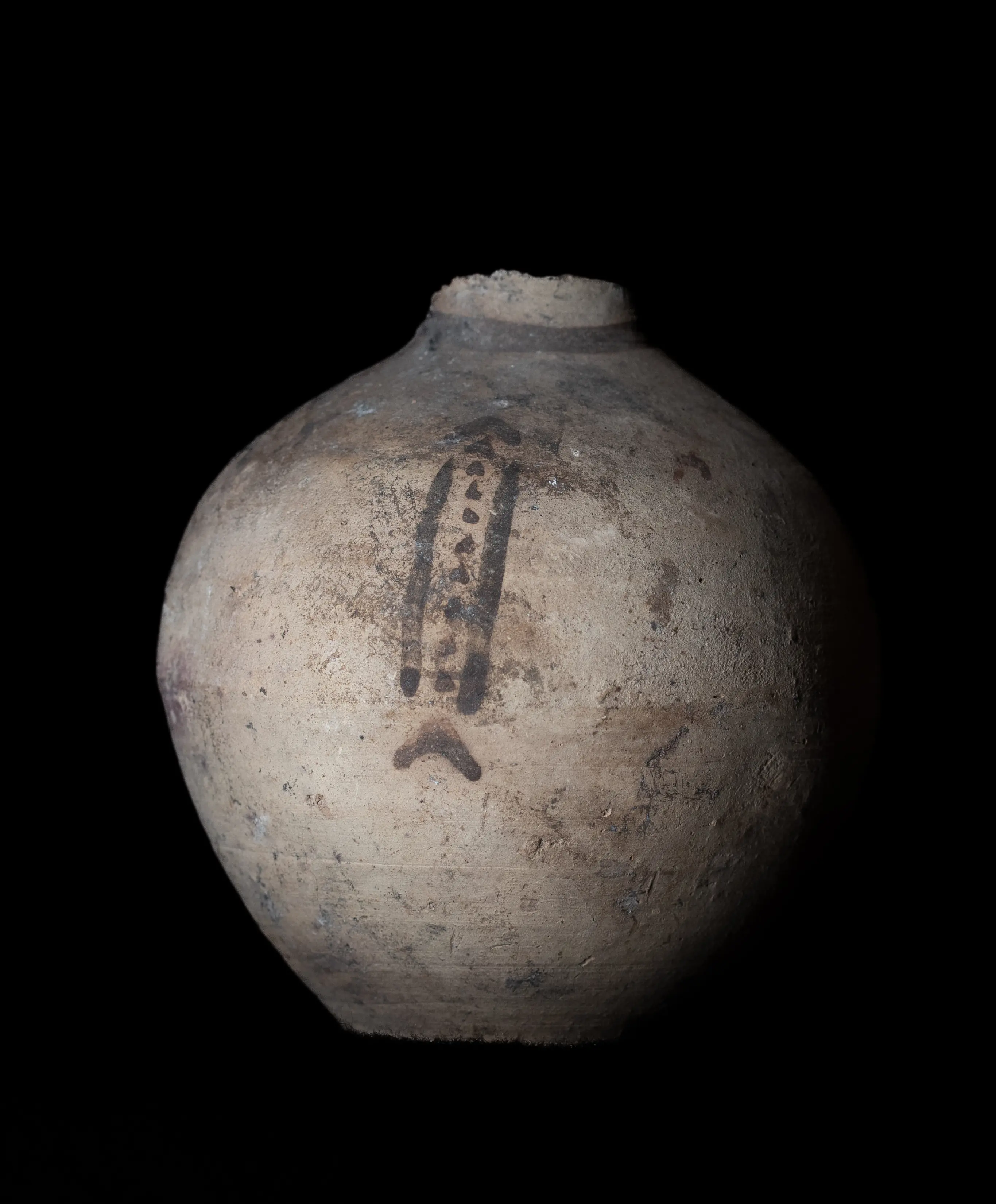
Geometric III
White Painted Juglet with a Dotted Arrow
Small globular White Painted juglet, neck broken, painted with a single dotted chevron arrow on the shoulder; surface discoloured by a modern house fire.
Date
850 - 600 BC
Accession No.
JUG-GE-020
Collection
Alexis Drakopoulos
Provenance
- Before 2000–2024, Private collection, Cambridgeshire, United Kingdom
- 2024–present, Alexis Drakopoulos, London
Cypro-Geometric III to Cypro-Archaic I, c. 850–600 BCE · White Painted ware · Wheel-made · H. 11 cm
A small globular juglet with a full, almost spherical body, a narrow flat base and a short neck broken away just above a painted band at its root. The pale buff surface is patchy and discoloured, clouded with grey and brown staining and dark spots, and the fine horizontal throwing lines of the wheel show on the lower body.
The decoration is a single sign on the front of the shoulder, painted in dark brown to black matt paint: two parallel vertical strokes enclosing a column of small dots, capped at the top by a chevron that turns the column into an arrow, with a second, separate chevron, also pointing upward, set a little below its foot. The strokes are thick and loaded at their ends, set down quickly and without ruling. Faint reddish-brown smudges appear on the shoulder and flank.
Commentary
The fabric, the dark matt paint on a light ground and the globular body place the juglet in White Painted ware of the Cypriot Iron Age. Gjerstad records globular jugs and juglets in both Type III and Type IV [1, pp. 47, 51], and a single isolated ornament on an otherwise plain body belongs to the free-field manner he describes for Type IV [1, p. 52]. With the mouth lost, the finer shape criteria cannot be applied, so the date is given as a range, c. 850–600 BCE. No handle is visible in the photograph and its presence should be checked; if it was never present, the vessel would be better described as a small neck-jar.
The motif is the chevron arrow in its most reduced form. Georgiadou and Dikomitou-Eliadou list "a vertical chain of chevrons forming an arrow motif" among the small ornaments that characterise Salaminian painted pottery, "often very small" and set "individually in panels or as supplementary ornaments" [2, p. 344]. Dissinger defines chevron arrows as chevrons forming a pointed arrow and calls them "typical Cypriot filler images or stock motifs" [3, pp. 143–144]. Here the chevrons have collapsed into dots between two framing lines, and only the capping chevron keeps the arrow reading. The same device appears on a White Painted trefoil jug in the Pitt Rivers Museum, Oxford (1884.38.57), with a painted eye on the mouth and dotted chevron arrows on the body, and a vertical chain of chevrons ending in an arrowhead, flanked by a swastika on either side, is the only body ornament of a small pinched-mouth jug from the Cesnola collection in the Metropolitan Museum of Art (74.51.447), dated by the museum to Cypro-Geometric III. On this juglet the arrow is the whole programme.
Small closed vessels of this size are generally read as containers for oil or scented oil, and like most complete Iron Age Cypriot pots this one almost certainly survived as a tomb offering. No find-spot is recorded.
The grey clouding and dark blotches are the result of a modern house fire, which altered the surface colour and may have obscured further painted detail. The faint reddish marks on the flank raise the possibility of a second, red pigment, which would make the piece Bichrome; examination under neutral raking light should settle the ware.
References
- 1.Gjerstad, E. (1948) The Swedish Cyprus Expedition, Vol. IV, Part 2: The Cypro-Geometric, Cypro-Archaic and Cypro-Classical Periods. Stockholm: The Swedish Cyprus Expedition, pp. 47, 51–52.
- 2.Georgiadou, A. and Dikomitou-Eliadou, M. (2022) The Iron Age pictorial pottery of Salamis within and beyond. In G. Bourogiannis (ed.), Beyond Cyprus: Investigating Cypriot Connectivity in the Mediterranean from the Late Bronze Age to the End of the Classical Period (AURA Supplement 9). Athens: National and Kapodistrian University of Athens, pp. 335–348, p. 344.
- 3.Dissinger, A. M. (2017) Cypro-Archaic Bird Iconography: Types, Uses, and Meanings. PhD dissertation, University of Virginia, pp. 143–144.
More from the Catalogue
Browse related objects
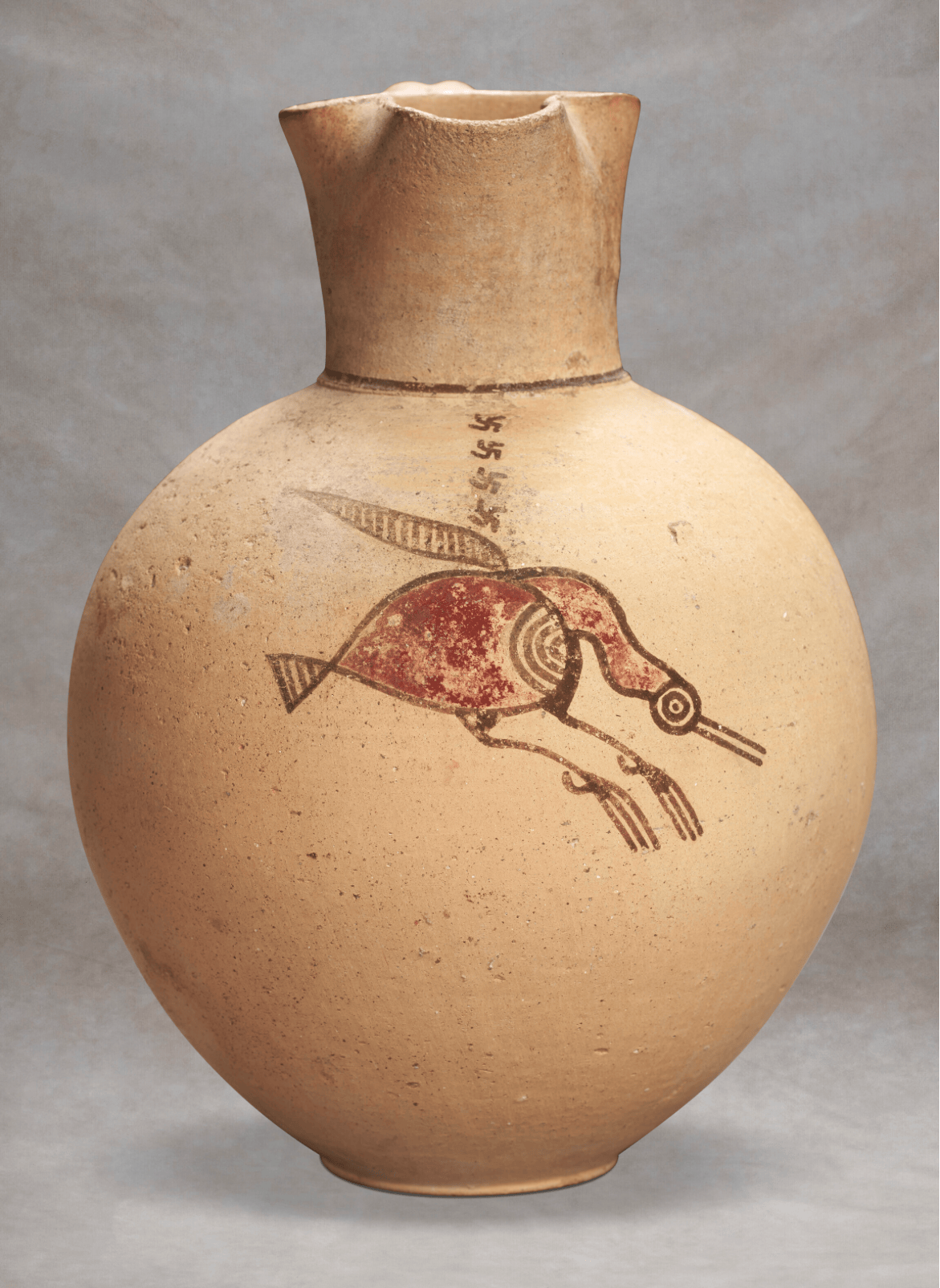
Bichrome Oinochoe
Archaic I
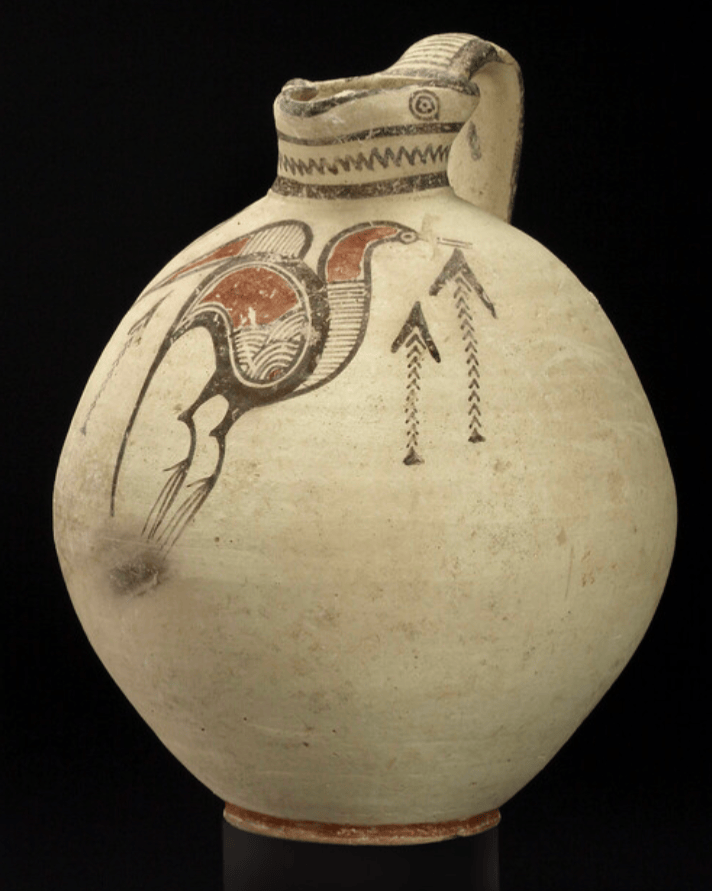
Free-field bichrome jug with image of an Ibis bird and reeds
Archaic
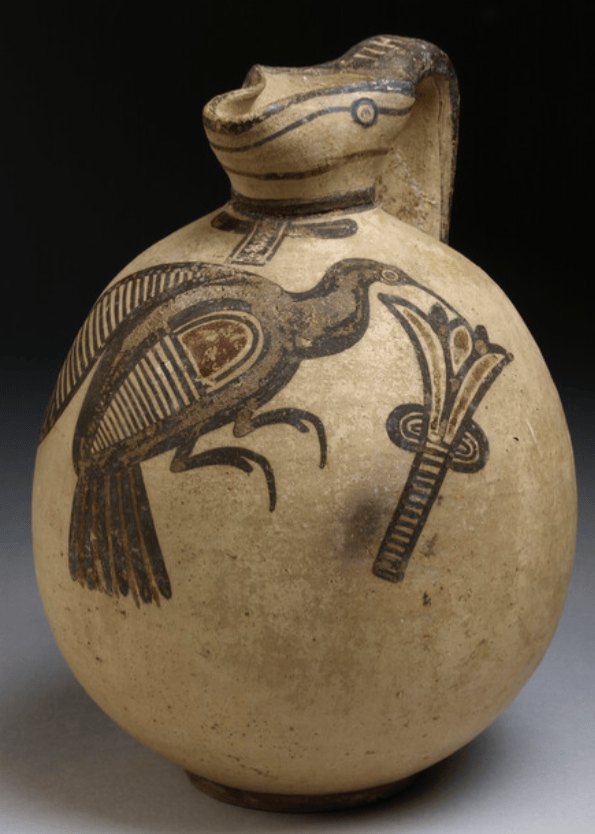
Squat bichrome jug in free-field style with image of bird picking a lotus flower
Archaic
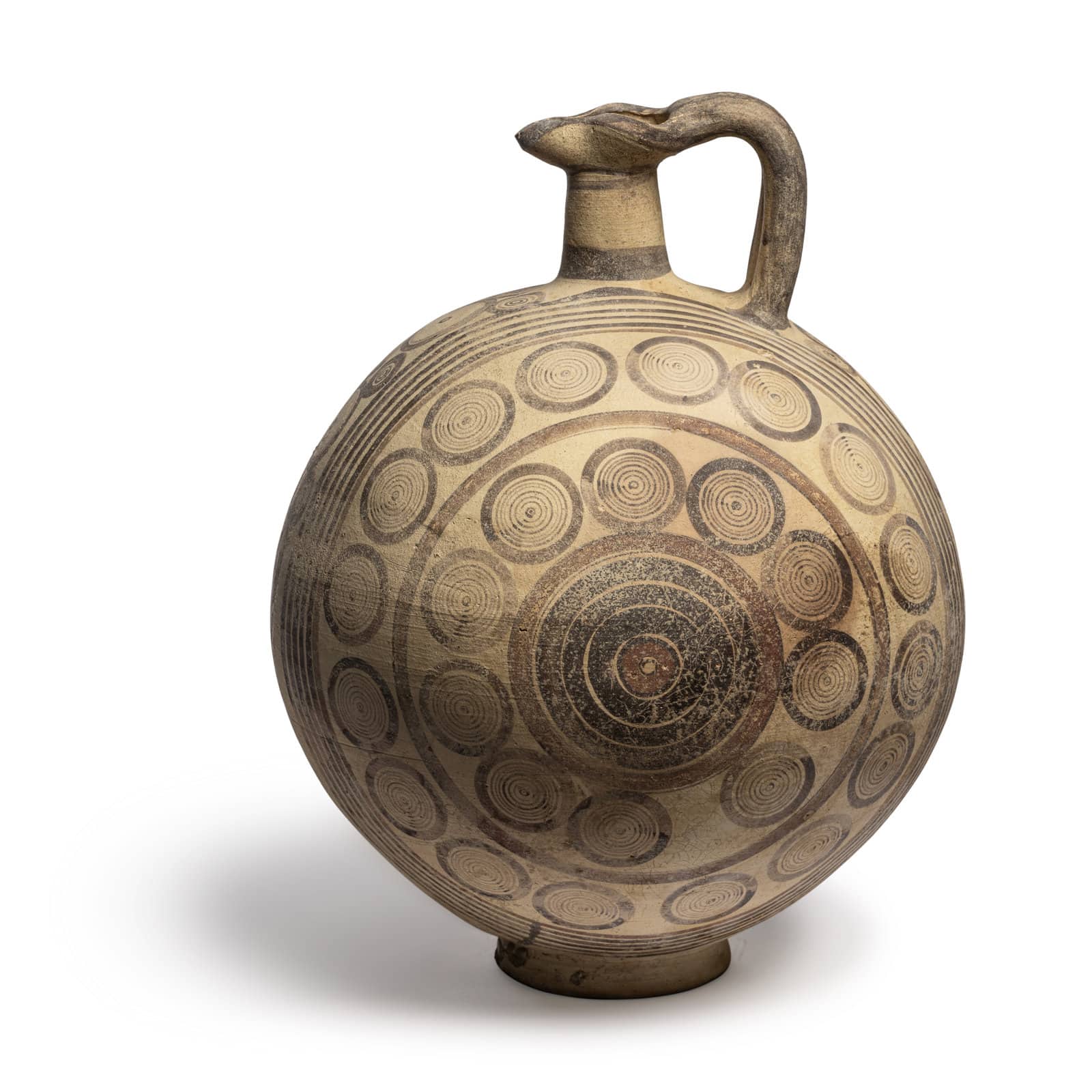
A Cypriot Bichrome-Ware Oinochoe Jug
Archaic I
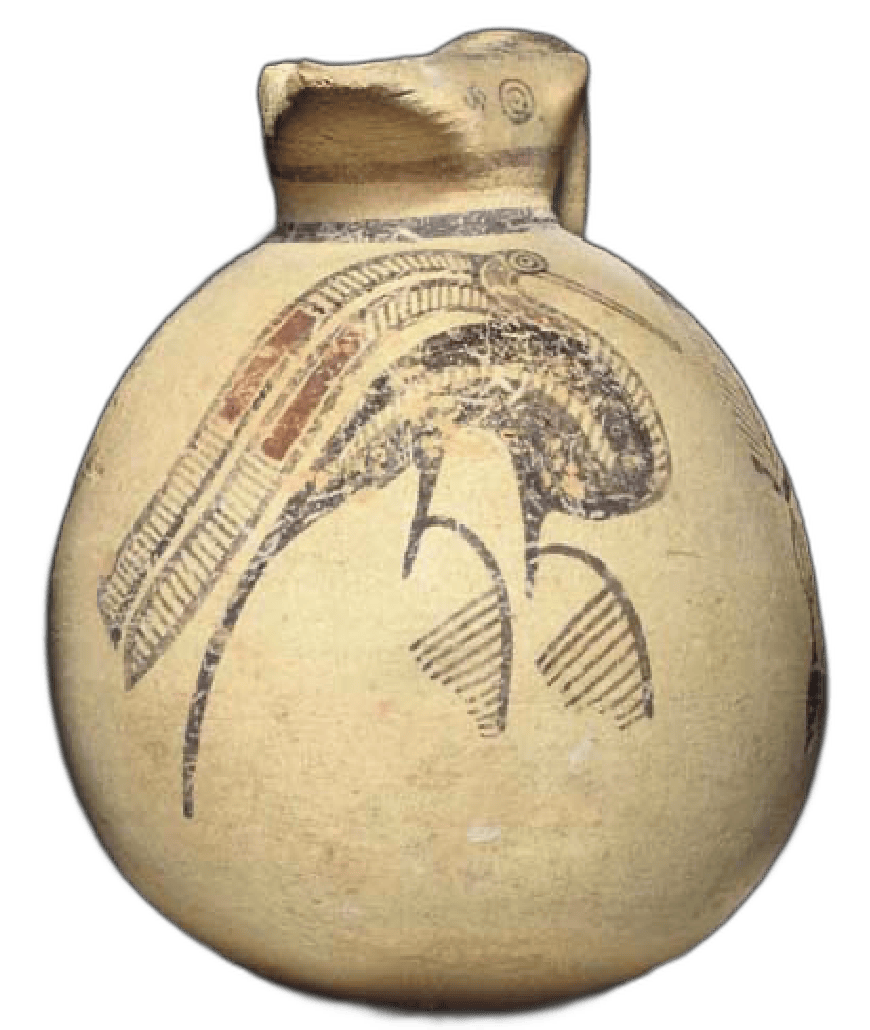
Oinochoe with Free Field Bird
Archaic I
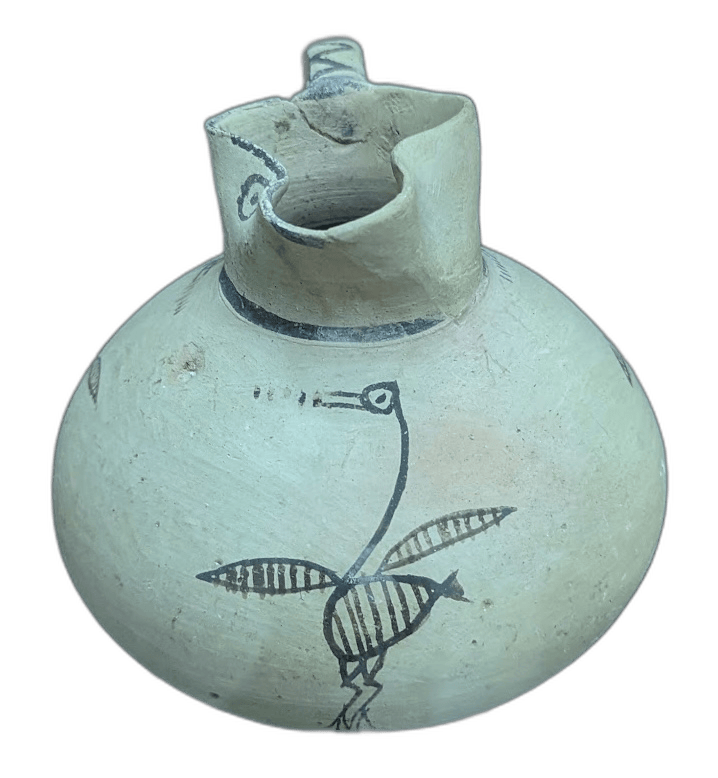
Small Oinochoe with Free Field Bird
Archaic I
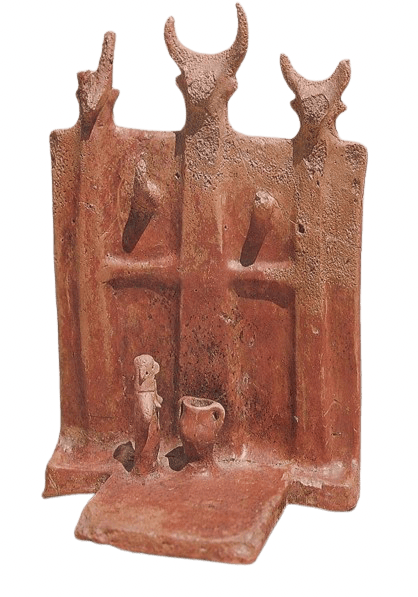
Red Polished Shrine
Middle Bronze Age I
Black-On-Red Geometric Jug Sherd
Geometric II
Bichrome Jug
Geometric
Bichrome Juglet
Geometric
Bichrome Oinochoe
Geometric
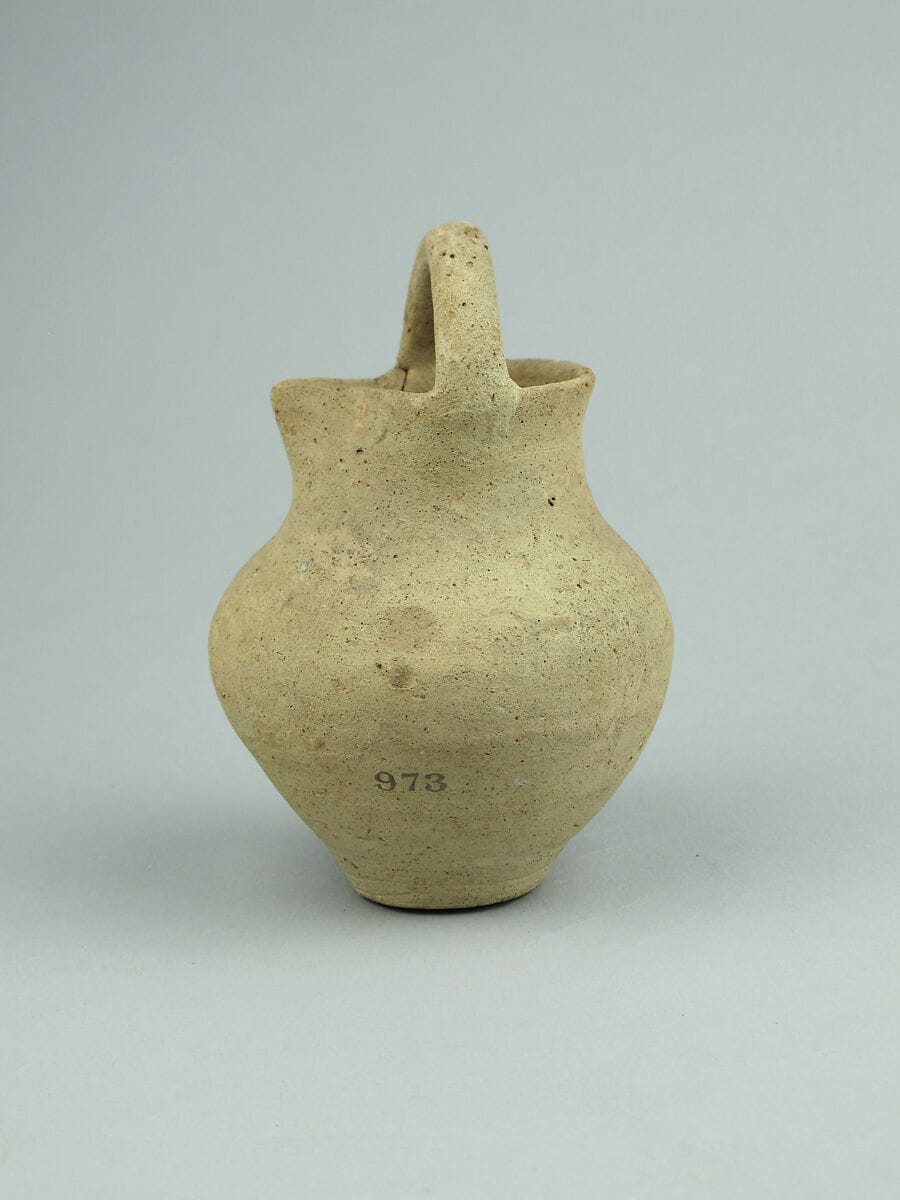
Juglet
Archaic II
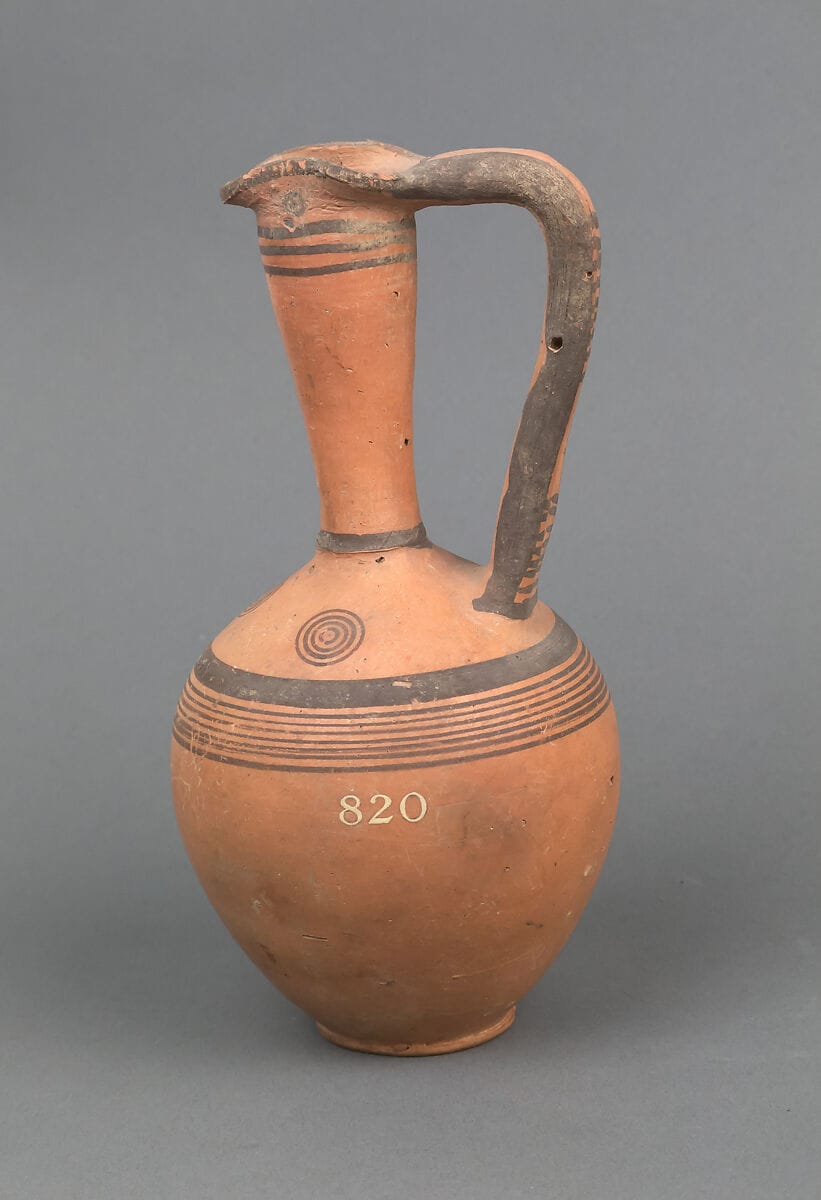
Oinochoe
Geometric III
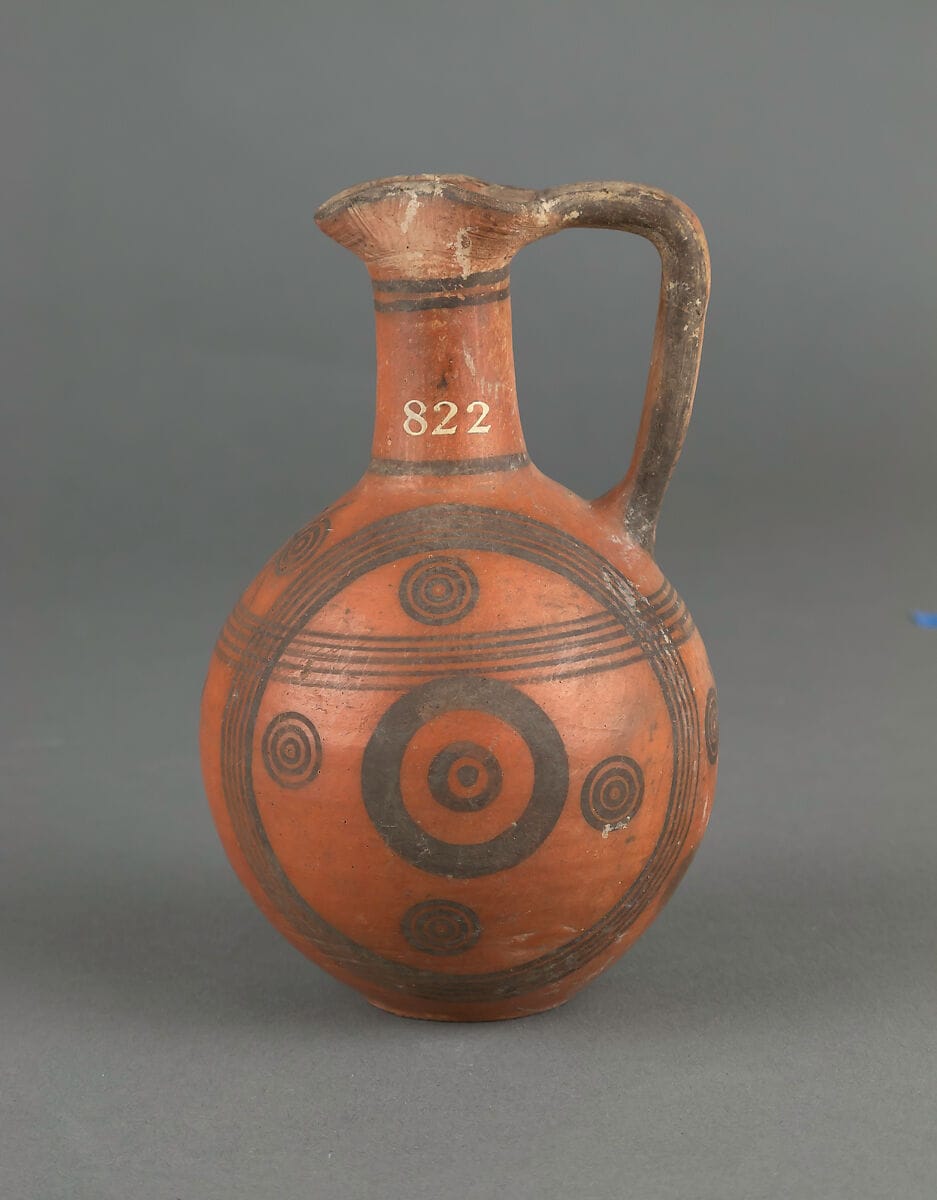
Jug
Archaic I
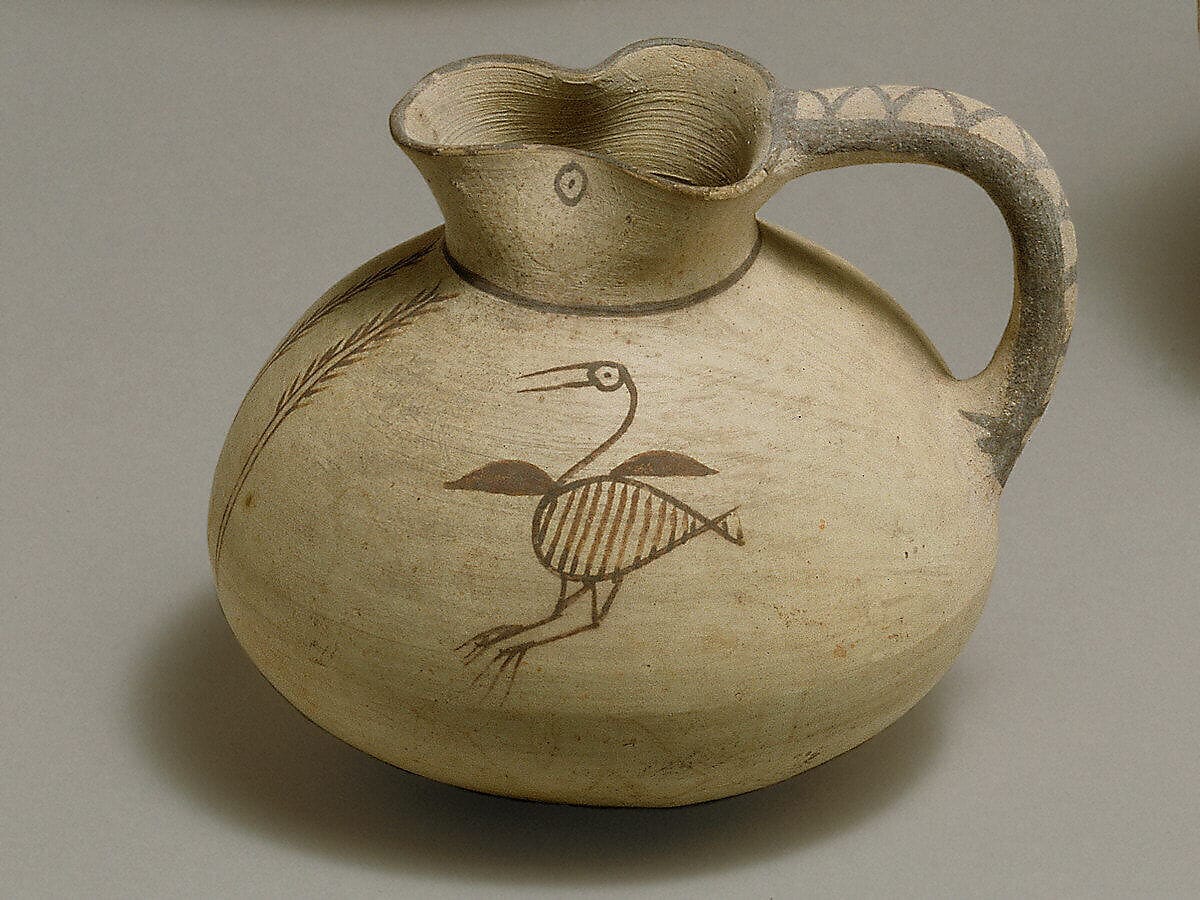
Juglet
Archaic I
Jug
Geometric I
Terracotta jug
Early Bronze Age I
Juglet
Geometric I