
Events·Event
Children to make pots and work stone at Chalcolithic Lemba as its excavation turns 50
A family morning at the prehistoric settlement on Sunday 22 November, for children aged 7–12, also marks 30 years of the Museum Education programme for primary schools.


Workshop
- When
- 22 November 2026 In 3 days
- Where
- Lemba Archaeological Site (Prehistoric Settlement), Lemba
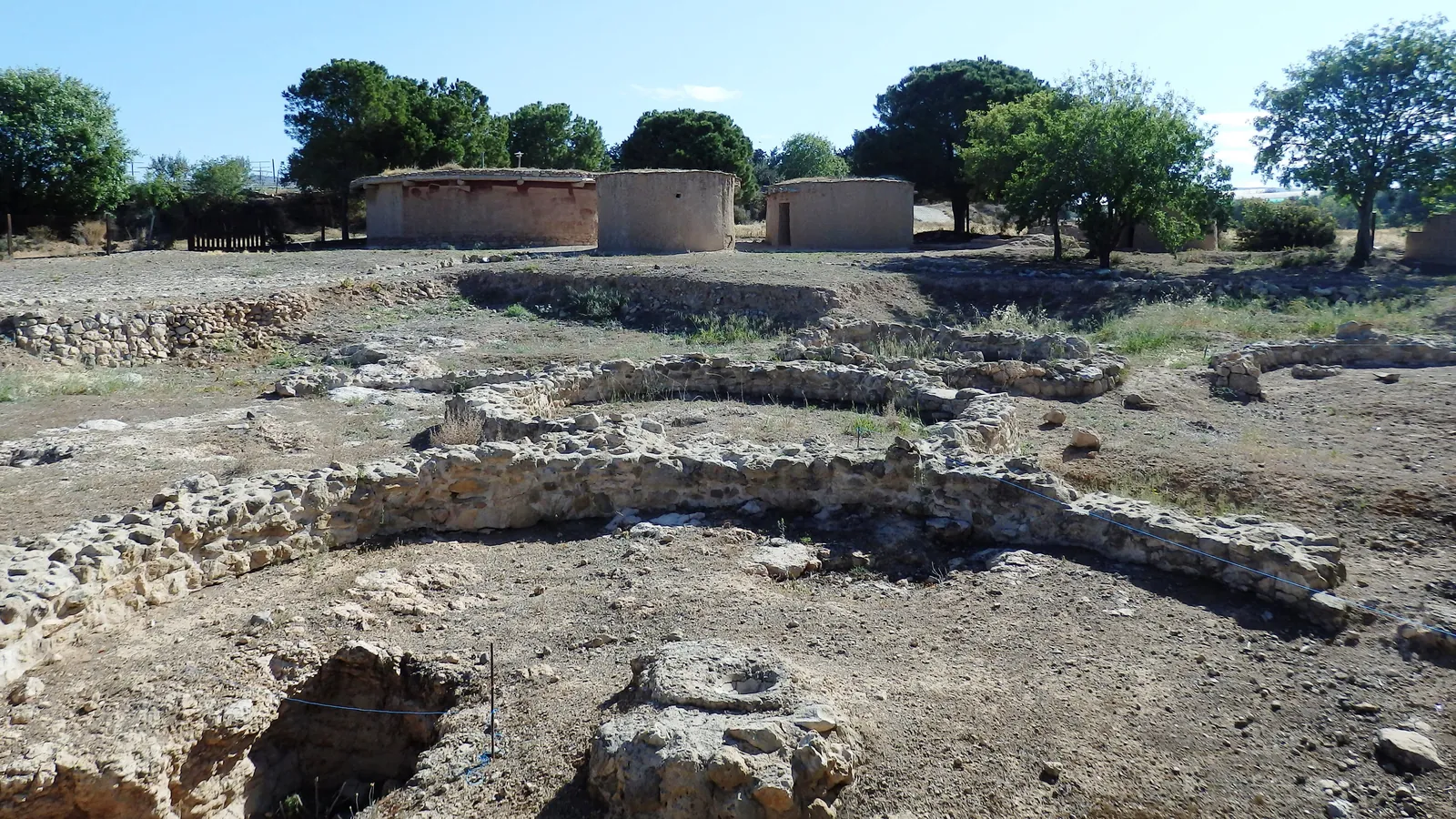
Children aged 7 to 12 and the adults with them will spend the morning of Sunday 22 November shaping pots, working stone and preparing seeds and fruits among the excavated houses of Lemba, the Chalcolithic settlement north of Paphos. The Department of Antiquities announced the family event on 18 November. It runs from 10:30 to 12:30.
Called "Crafts and Handiwork in Prehistoric Lemba" (Τέχνες και Μαστορέματα στην Προϊστορική Λέμπα), the morning marks two anniversaries. Archaeologists began digging at Lemba 50 years ago, and the Directorate of Primary Education of the Ministry of Education, Sport and Youth started its Museum Education programme with the Department 30 years ago. The Department and the Directorate run the event together, supported by the community council of Lemba and Chloraka.
What the children will do
There are three workshops: stone-working, pottery, and the processing of seeds and fruits. With these and other hands-on activities, families are to meet the daily crafts of the people of Chalcolithic Lemba and of prehistoric Cyprus more widely. Museum educators, archaeologists and craftspeople lead them together.
The event was designed and is coordinated by two Museum Education advisers of the Directorate of Primary Education, Kakia Andronikou and Dr Chrystalla Antoniou, and by the archaeologist Margarita Kouali of the Department of Antiquities. Six more archaeologists take part. Four are from STARC, the archaeological science centre of the Cyprus Institute: Maria Efstratiou, Dr Evi Margaritis, Maria Papapaschou and Dr Kyriaki Tsirtsi. Two are from the Archaeological Research Unit of the University of Cyprus: Dr Rafael Laoutari and Dr Theodora Moutsiou. The potter Avgoustinos Kontos completes the team.
Places went only to families who registered interest by SMS to 99578070 by 18 November 2026, giving the names of everyone coming and the children's ages.
Fifty years of digging at Lemba
The settlement is Lemba-Lakkous, a village of round houses on an old sea terrace about 4 km north of Paphos, lived in at intervals between about 3500 and 2400 BCE. Sophocles Hadjisavvas of the Department found it while exploring the area, and in 1976 Edgar Peltenburg opened the first of seven seasons there, for the University of Glasgow and later the University of Edinburgh. Lemba was the first site of his Lemba Archaeological Project, which went on to dig at Kissonerga-Mosphilia and Kissonerga-Mylouthkia nearby. The project marked its own 50th anniversary at the research centre in Lemba that bears Peltenburg's name on 17 October.
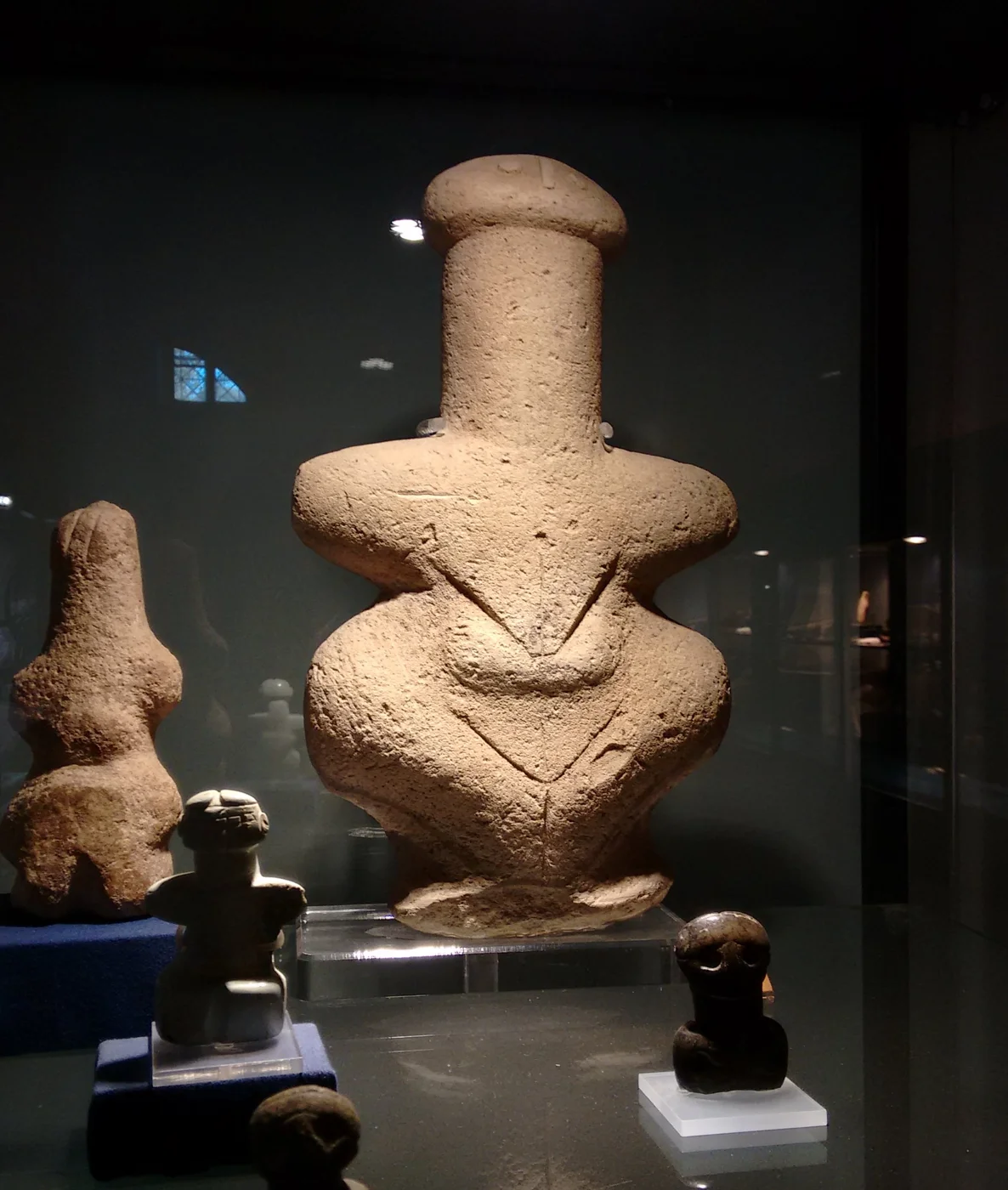
The best-known find came in that first season. In a building, probably round, on the edge of the terrace lay a flat limestone figure 36 cm high, with outstretched arms, a long neck and incised V-shapes marking the breasts and the pubic triangle. Known as the Lemba Lady, it shares its main features with the cruciform picrolite pendants of the period at more than twice the size of the largest of them. It is now in the Cyprus Museum in Nicosia.
The rebuilt village
The workshops take place beside the Lemba Experimental Village. In 1988, with the Department's agreement, the project began building full-size Chalcolithic houses next to the excavated and consolidated houses of Area II, to study how such buildings were put up, fell down and turned into the deposits archaeologists dig [1, pp. 109, 112]. Gordon Thomas, who published the work, describes experiments in mud building and lime-plaster making, with new houses built and older ones destroyed each year [1, p. 109]. The excavated remains were to stay open to the public from the start, and the pairing of real ruins with rebuilt houses soon made the site a place for visitors as well as for research [1, p. 112].
Original sources
- Department of Antiquities, Cyprus (Facebook)
Social media·
- Deputy Ministry of Culture, Cyprus (Facebook)
Social media·
On ancientcyprus.com
- Sites
- Lemba-Lakkous
- People
- Edgar J. Peltenburg, Sophocles Hadjisavvas, Evi Margaritis, Margarita Kouali, Theodora Moutsiou, Gordon Thomas
- Institutions
- Department of Antiquities of Cyprus, Archaeological Research Unit, University of Cyprus, The Cyprus Institute, Lemba Archaeological Project, Cyprus Museum
- Periods
- Chalcolithic
References
- 1.Thomas, G. (1999). The role of research and education in site management at the Lemba Experimental Village, Cyprus. Conservation and Management of Archaeological Sites 3, 109–123. doi:10.1179/135050399793138680
More in Events
- Ten free events in Nicosia close the Cyprus Insula exhibition, from coins to colonial archaeology
- Evangeline Markou to speak in Athens on the coins of the kings of Kition and Idalion
- Nicosia museum workshop teaches children the peaks and castles of Pentadaktylos
- Nicosia conference on 6–7 November hears new work on Erimi, Ayia Irini and the "Achaeans"
- Lapithos symposium on 7 November follows the occupied town from antiquity to displacement