
Lecture·Archaeological Research Unit - University of Cyprus·2017
Images of Cyprus in Medieval Russia
Yulia Buzykina
Chapters
About the lecture
Yulia Buzykina of the Moscow Kremlin Museums examines how Byzantine and medieval Cyprus and the early Ottoman island were perceived and represented in Russia from the twelfth to the early eighteenth century, drawing on pilgrim accounts, chronicles, literary tales, diplomatic records, and icon painting.
The lecture begins with Russian pilgrimage texts. The earliest, by Abbot Daniel (1104–1106), describes the island's twenty bishops, the relics of St Epiphanius and St Barnabas, the gathering of frankincense, and the cross established on a mountain by Empress Helena, suspended in the air by the Holy Spirit. Subsequent travellers include Archimandrite Agrefenii around 1370 and the monk Zosima in the early fifteenth century, who visited Larnaca, Nicosia, Kykkos, and Morphou, and noted the reduction of Greek Orthodox bishops under Lusignan rule to four and the use of organs in churches. After the accounts of Varsonofii (c. 1456) and Trifon Korobeinikov (1593), Buzykina turns to Vasily Grigorovich Barsky, who visited Cyprus in the 1720s and 1730s. Barsky drew and ranked the island's monasteries, placing St Mamas at Morphou first and Kykkos second, and described the ruined sanctuary of Aphrodite at Palaepaphos, the timber roofs of Troodos churches, carobs, Commandaria wine, asbestos stone, and the custom of measuring distance in travel time.
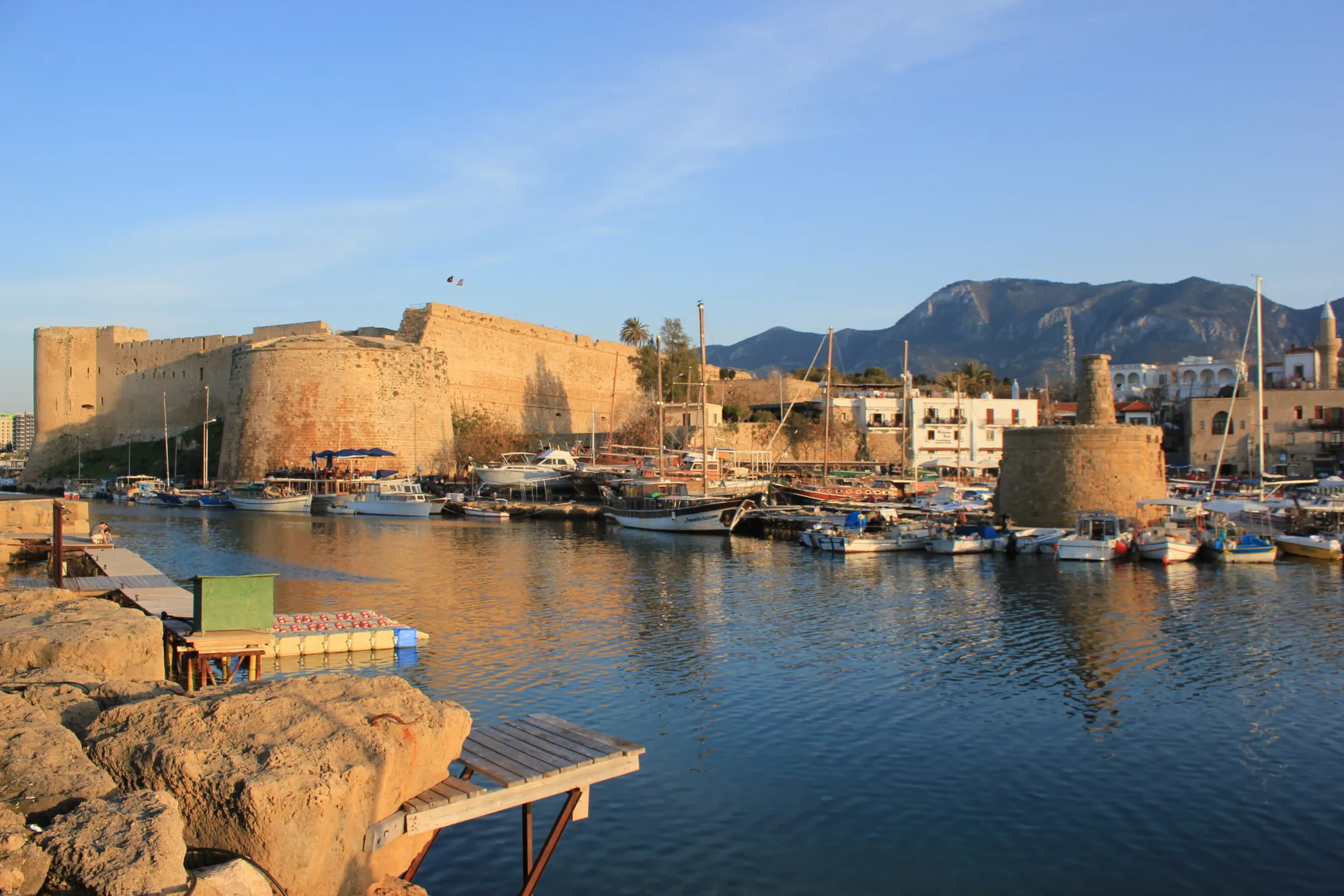
In Russian chronicles and seventeenth-century tales, Cyprus appears as a Christian stronghold confronting Ottoman aggression. Buzykina outlines three stories: a fictional sixth-century victory over Turks and Saracens; a tale in which the king of Cyprus and Emperor Maximilian outwit the Ottoman sultan with a sixty-sheet map; and a three-part narrative on the defence of Kyrenia (called Justiniana), a miracle-working icon of the Virgin, and an attempted papal theft of the foot of the True Cross.
Ambassadors' Department records document Cypriot clergy and merchants in Russia, especially between 1627 and 1652, when delegations brought letters from Archbishop Christodoulos and relics of Barnabas, Luke, Epiphanius, and Cosmas and Damian, receiving financial aid from the tsar and patriarch to redeem monasteries from Ottoman debts. The final section traces Cypriot saints in Russian art (St Epiphanius in Kiev, St Lazarus at Nereditsa, and St Mamas and St Barnabas in the Moscow Kremlin) and seventeenth-century Russian icons of the Virgin, notably Simon Ushakov's 1668 copies of the Kykkotissa with bilingual inscriptions and the Kiprskaya type, connected by legend to the mosaic at Kiti (Panagia Angeloktisti) and to St Lazarus in Larnaca.
The discussion afterwards addresses Russian iconography and relics of St Mamas, Barsky's reference to Paphos diamonds and rock crystal near Pyrgos, the readership of seventeenth-century tales, and the spelling "Kikiotissa" on Ushakov's icon.
Background
Where to read more on this site before or after watching.
Map of Cyprus
Places discussed in the talk
- Has a page on this site
- Other places
- Ground above 200, 500, 1,000 m
Places
- 1Kyrenia
- 2Palaepaphos
- 3Kiti (approx.)