
Conference paper·Archaeological Research Unit - University of Cyprus·2019
Continuities and changes in the medieval Cypriot glaze technology
Carmen Ting
Chapters
About the video
Carmen Ting presents initial findings from the GLAZE project, a Marie Curie Fellowship at the University of Cyprus coordinated by Eleni Kassianidou, examining the development of glazed pottery production in medieval Cyprus between the 13th and 16th centuries. Using scanning electron microscopy and thin-section petrography on over eighty samples from excavations and surveys, she identifies three main production groups matching local geologies: Paphos (characterised by amphiboles, quartzites, and titanium-rich minerals), Lapithos (characterised by a micaceous fabric), and a combined Famagusta and Nicosia group (containing bioclastic limestone).
Because all three groups used a generic high-lead glaze made by mixing lead oxide and quartz, Ting turns to technological styles and practice theory to ask whether the 14th-century workshops in Lapithos, Nicosia, and Famagusta learned their craft from potters of the earlier, 13th-century Paphos industry after its collapse, or developed their methods independently. Focusing on medieval glazed sgraffito ware, she reconstructs the production sequence of the Paphos baseline. Paphos potters refined local clays (evidenced by coarser raw clay lumps found at the Paphos theatre), applied a standardised white slip of kaolinitic clay with sparse, fine quartz inclusions, biscuit-fired the vessel, and added the lead glaze.
To illustrate a distinct technological tradition, Ting contrasts the Cypriot material with an imported sherd recovered by a colleague's survey project on the settled and sacred landscape, which features a white clay slip with rounded quartz grains and a layer of pigment high in antimony and lead (Naples yellow) beneath a clear glaze, pointing to an Italian origin.
Comparing the later Cypriot groups against the Paphos baseline, Ting finds that the preparation of the white slip shows the greatest variation. In Lapithos, some vessels use kaolinitic clay with coarser and more abundant quartz, while others use a white calcareous clay. In the Nicosia and Famagusta group, samples show slips of fine kaolinitic clay with no quartz, slips containing apatite, or slips packed with coarse grains. Because quartz inclusions serve a specific technical purpose in preventing kaolinite shrinkage and glaze crazing, Ting argues that these variations were deliberate choices rather than accidents. She suggests that while Lapithos shares some traits with Paphos in combining kaolinitic clay and quartz, the Nicosia and Famagusta potters used markedly different slip recipes, indicating multiple communities of practice and external technological influences beyond Paphos.
Background
Where to read more on this site before or after watching.
The site
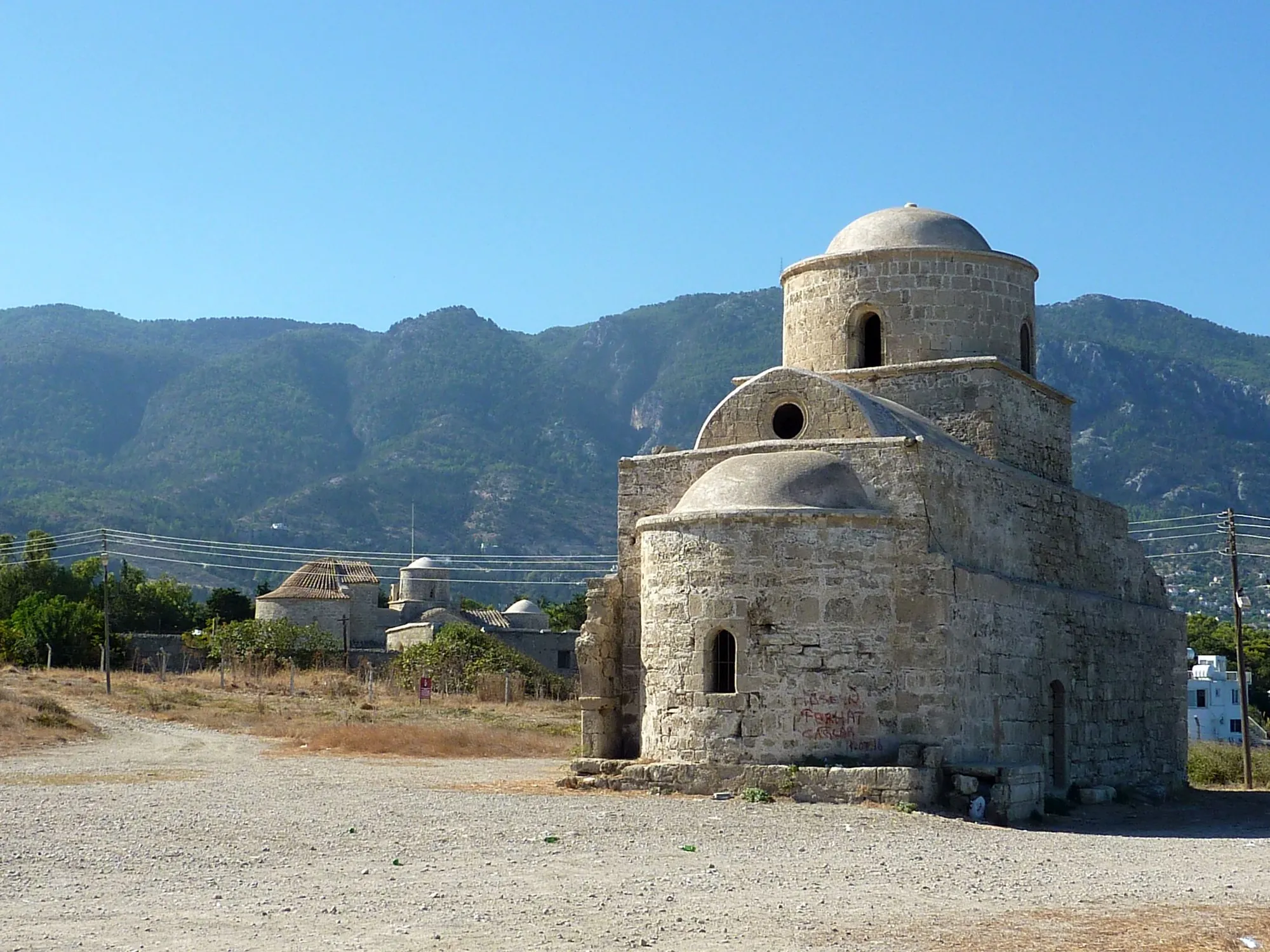
Lapithos
A group of cemeteries and settlement sites around the village of Lapithos on the north coast, below the Kyrenia range. Its Early and Middle Bronze Age cemetery at Vrysi tou Barba has produced about five times as much metal as Vounous, its Cypro-Geometric tombs gave the pottery sequence for that period, and ancient Lapethos was a city-kingdom until 312 BC.
In the compendium
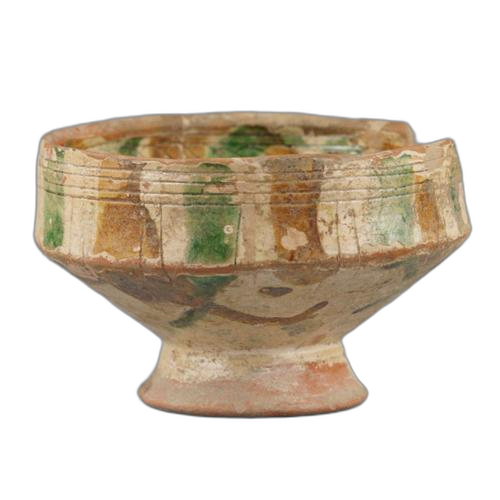
Medieval Glazed Sgraffito Ware
Wheel-made red-clay tableware coated in white slip, incised through the slip and lead-glazed, made in Cypriot workshops from the 13th to the 16th century AD.
In the compendium
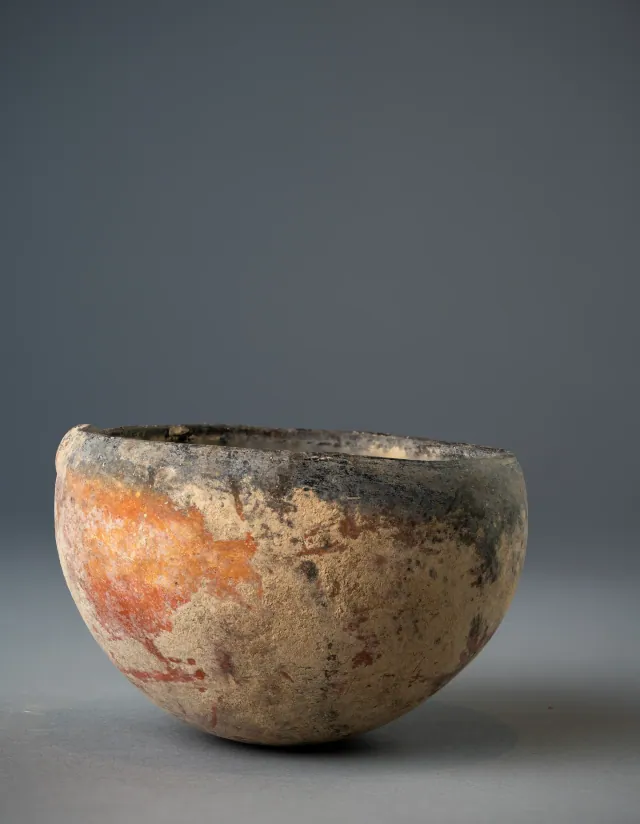
Pottery Kilns and Firing in Ancient Cyprus
How Cypriot potters fired their wares, mostly in open fires and pits until the Late Bronze Age, when the first kilns and the potter's wheel appear.