
Research·Brief
Pigeons at Bronze Age Hala Sultan Tekke were semi-domesticated by 1400 BCE, study argues
Bones of at least 55 rock doves from the harbour town on the Larnaca Salt Lake carry nitrogen values close to those of people, a paper in Antiquity reports.



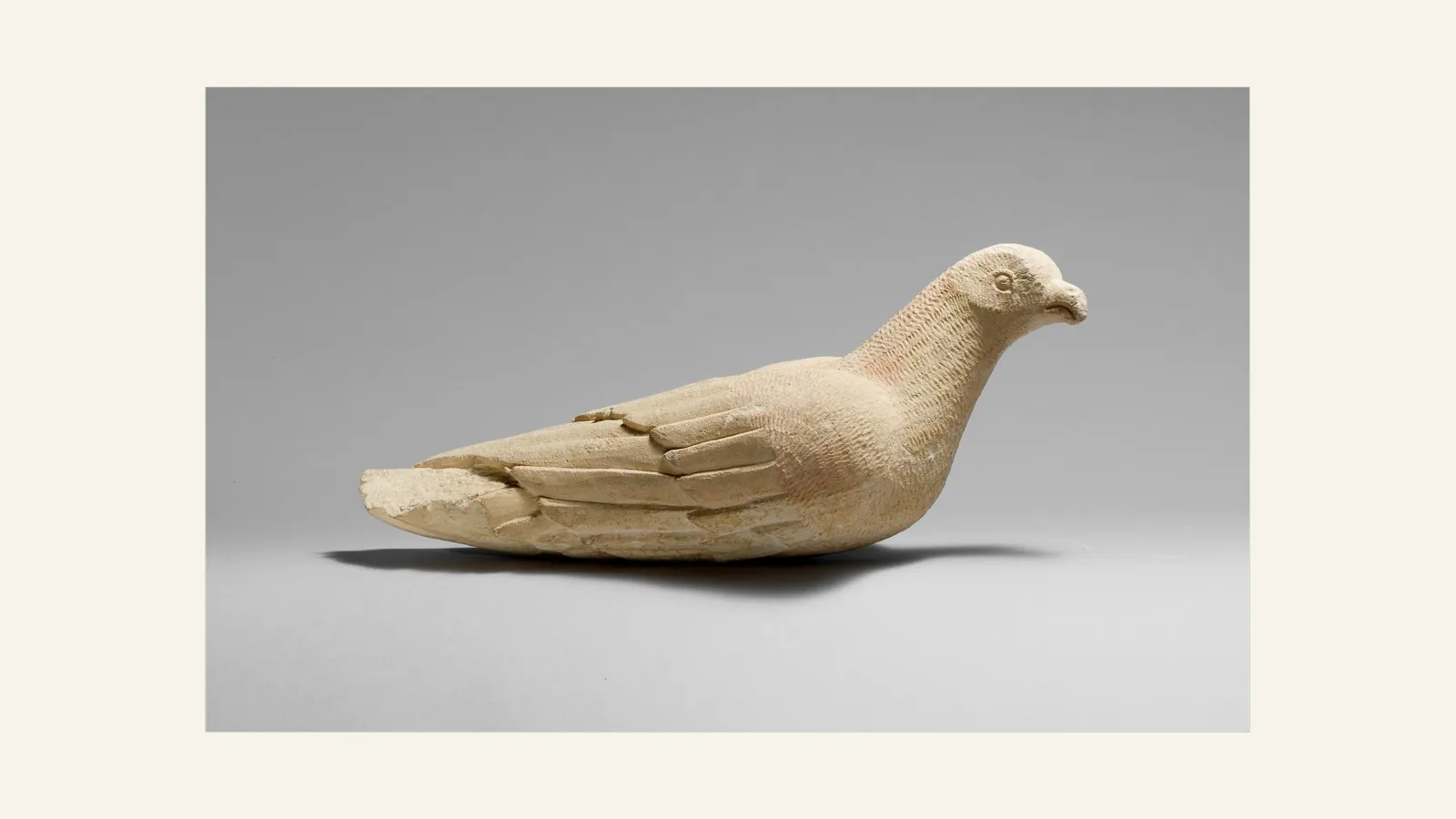
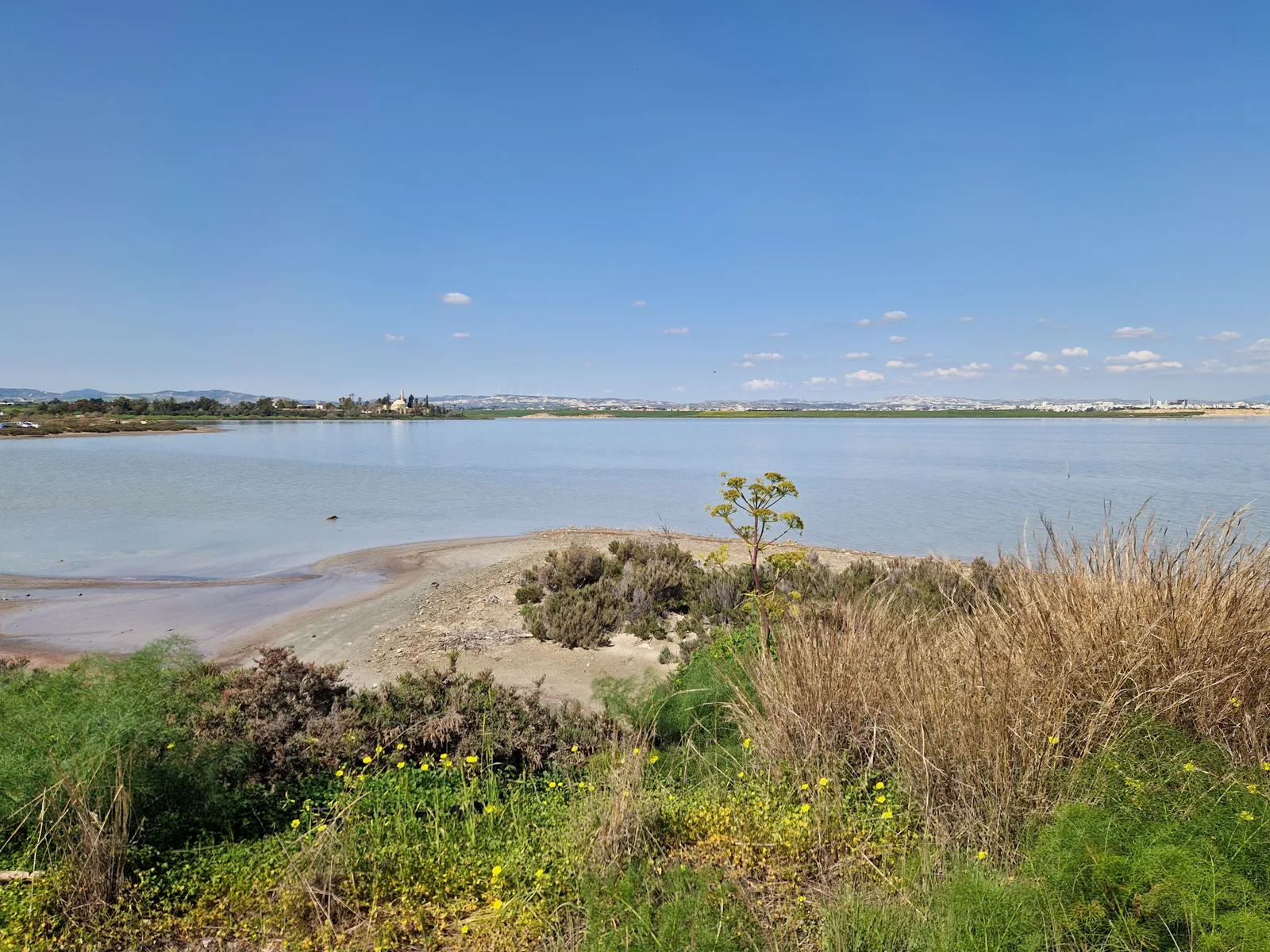
Pigeons kept at Hala Sultan Tekke, the Late Bronze Age harbour town on the Larnaca Salt Lake, were at least semi-domesticated by about 1400 BCE, five researchers argue from the birds' bones and diet. Their study, "Uncovering the lives of rock doves (Columba livia) in Late Bronze Age Hala Sultan Tekke, Cyprus", was published online by Antiquity on 21 May 2026 and appears in its August issue (vol. 100, pp. 979–995).
The authors are Anderson L. Carter and Canan Çakırlar of the University of Groningen, David S. Reese of Yale University, and Ronald van Bommel and Marcel T.J. van der Meer of the Royal Netherlands Institute for Sea Research.
Bones from feasts and old wells
Of the 183 bones, 159 belong to the rock dove, two to the Eurasian collared dove and 22 could not be assigned to a species. Nine in ten of the birds date to Late Cypriot IIA–C, the 14th and 13th centuries BCE. Most came from City Quarter 1, excavated by the New Swedish Cyprus Expedition under Peter M. Fischer. A third of the birds from that quarter lay in two burnt deposits of animal bone under a plaster floor in Rooms 70 and 83, one large space that Fischer and Teresa Bürge suggest was a cult centre. The excavators recorded these layers as feasting deposits; the authors think the bones were burnt either to dispose of meal waste or as an offering.
Another group came from wells in Area 8, dug two decades earlier by Paul Åström's Gothenburg mission and later reused as refuse pits. Single birds came from a tomb and an offering pit. Half the bones had been in contact with fire; none carries cut marks. Seventeen bones from juveniles show that the birds bred on the site.
What the birds ate
Carbon values fall within the range of other Cypriot animals of the period. Nitrogen sets most of them apart: a mean of 8.82‰, above dogs (8‰) and foxes (8.26‰) from Bronze Age Cypriot sites and close to people (9.92‰). Only three birds fall among the wild animals and grazers; these, the authors suggest, may have come from the countryside. The pigeons also had the narrowest dietary spread of any species compared, tighter even than cattle, which were prized and systematically managed. From this the authors infer birds that lived inside the town, ate food supplied by people, and were managed and probably bred on site. They point out that the human values come from other sites, and that no dovecotes have been found at Hala Sultan Tekke. Bone size alone, they add, cannot separate wild from domestic pigeons.
The earlier reading
Jonsson, reporting the bird bones of the 1971–79 excavations in 1983, already took the birds for domestic pigeons, reasoning from the many fledglings and the later cult of Aphrodite. The new paper argues for a cautious form of that view, semi-domestication, with measurements and isotopes. Unequivocal evidence for domestic pigeons, the authors write, otherwise appears only in the first millennium BCE, and the earliest bones identified as domestic in Greece come from Hellenistic Nea Helos, of the 4th to 1st centuries BCE.
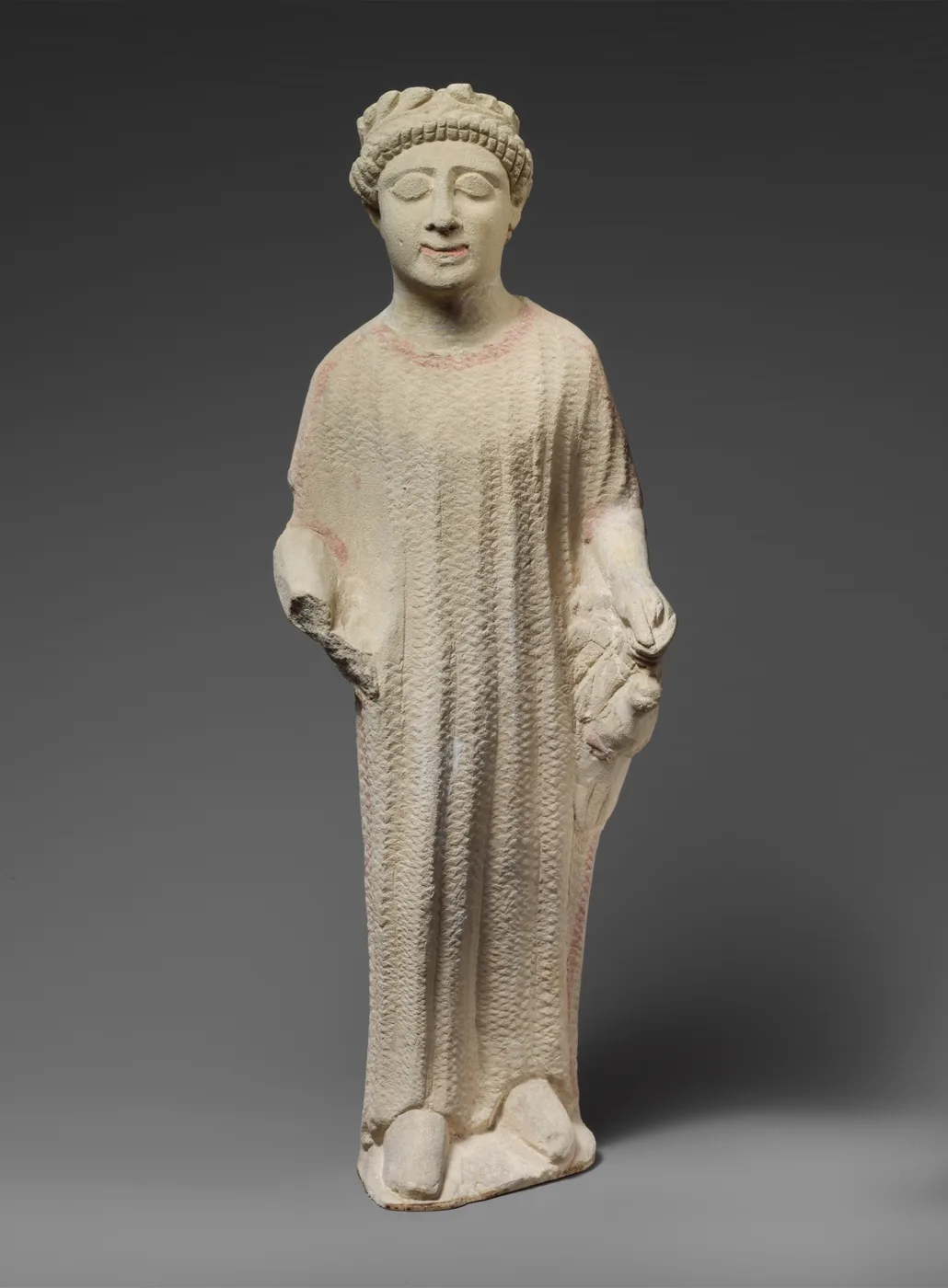
Pigeon and dove figurines became common in Cyprus from the Middle Bronze Age, and Aphrodite, whose birthplace was placed on the island, was later linked with the birds. The authors suggest the town likely shared in a tradition that tied pigeons to fertility goddesses, while noting that no temple or sanctuary has been found at Hala Sultan Tekke. The limestone doves dedicated in Classical sanctuaries belong to a later strand of evidence, set out under birds in ancient Cyprus.
For a fuller test of size, the authors would compare their measurements with the smaller wild pigeons of the Levant, for which no published data yet exist.
Original sources
On ancientcyprus.com
More in Research
- Wheat traces at Chlorakas-Palloures question the view that cereals were minor in Chalcolithic Cyprus
- Strabo's Arsinoe near Palaepaphos probably never existed, argues study of a Ptolemaic queen's cult
- Charred barley and chaff in a Pyla shaft point to stored animal fodder around 1200 BCE
- Late Bronze Age hoard of at least 111 bronzes at Galinoporni was packed in cloth, cord and grass
- Bronze Age tombs at Hala Sultan Tekke held what may be burnt bouquets of grain and wild flowers