
Heritage crime·Brief
Cyprus brings home 25 antiquities spotted in online auctions abroad, among them a chariot model
The objects came back in eight handovers in France, Britain, the United States and Canada between December 2025 and June 2026, six of them after auction houses withdrew the lots.



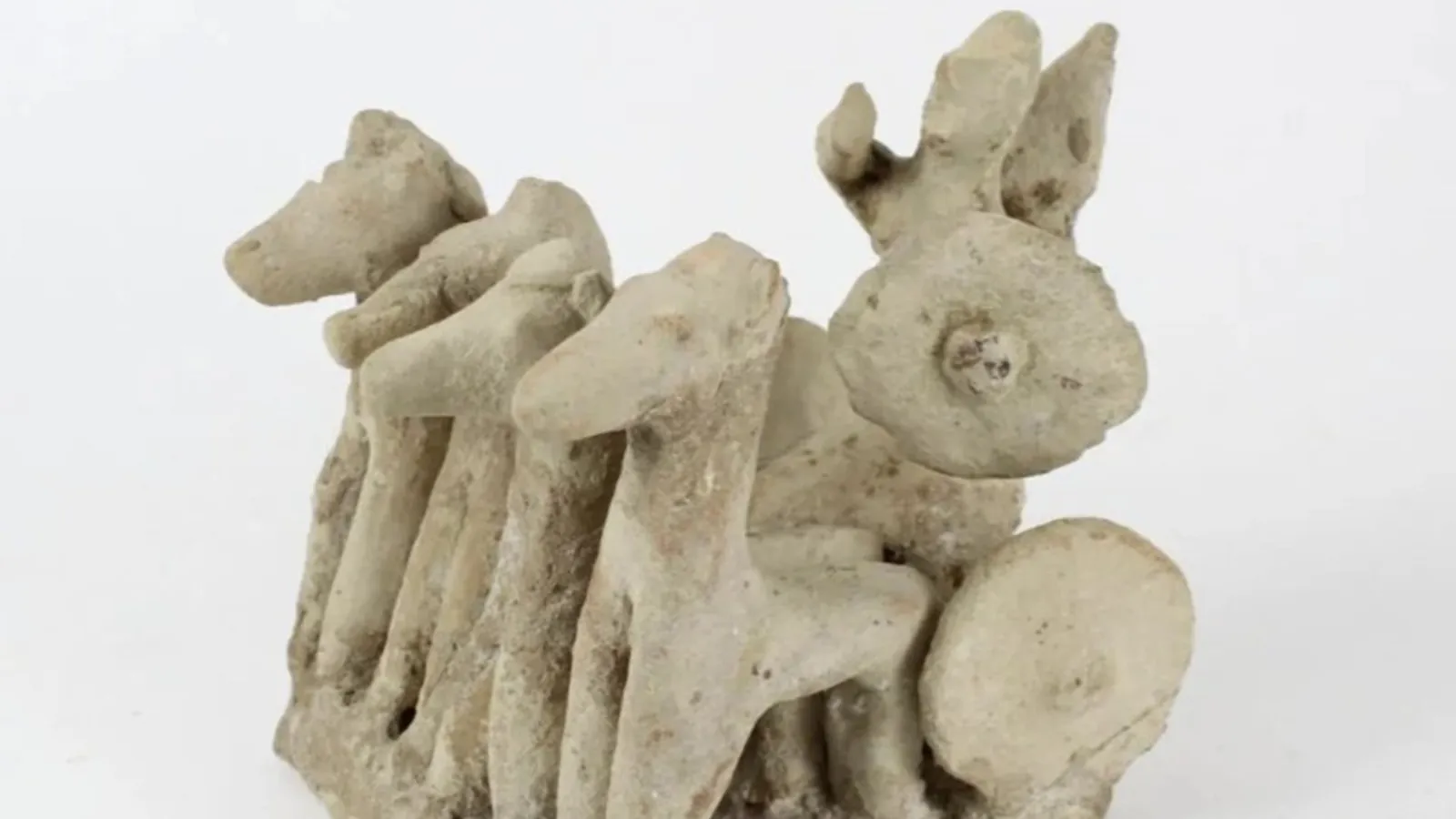
A terracotta model of a four-horse chariot, a limestone head and 23 pots have been handed back to Cyprus in eight separate returns since December 2025, each after officers of the Department of Antiquities found the object offered in an online auction abroad. The objects were given to Cypriot embassies and high commissions in Paris, London, Washington and Ottawa between 19 December 2025 and 23 June 2026, and the Department announced each return separately, the last on 1 July.
What came back
The largest group came from the United States. The Department's release of 10 March lists two Early Bronze Age vessels (2500–1900 BCE), eleven of the Middle Bronze Age (1900–1600 BCE), three of the Cypro-Archaic I period (750–600 BCE), one of Cypro-Archaic II (600–480 BCE) and a limestone head of a man from the 4th century BCE.
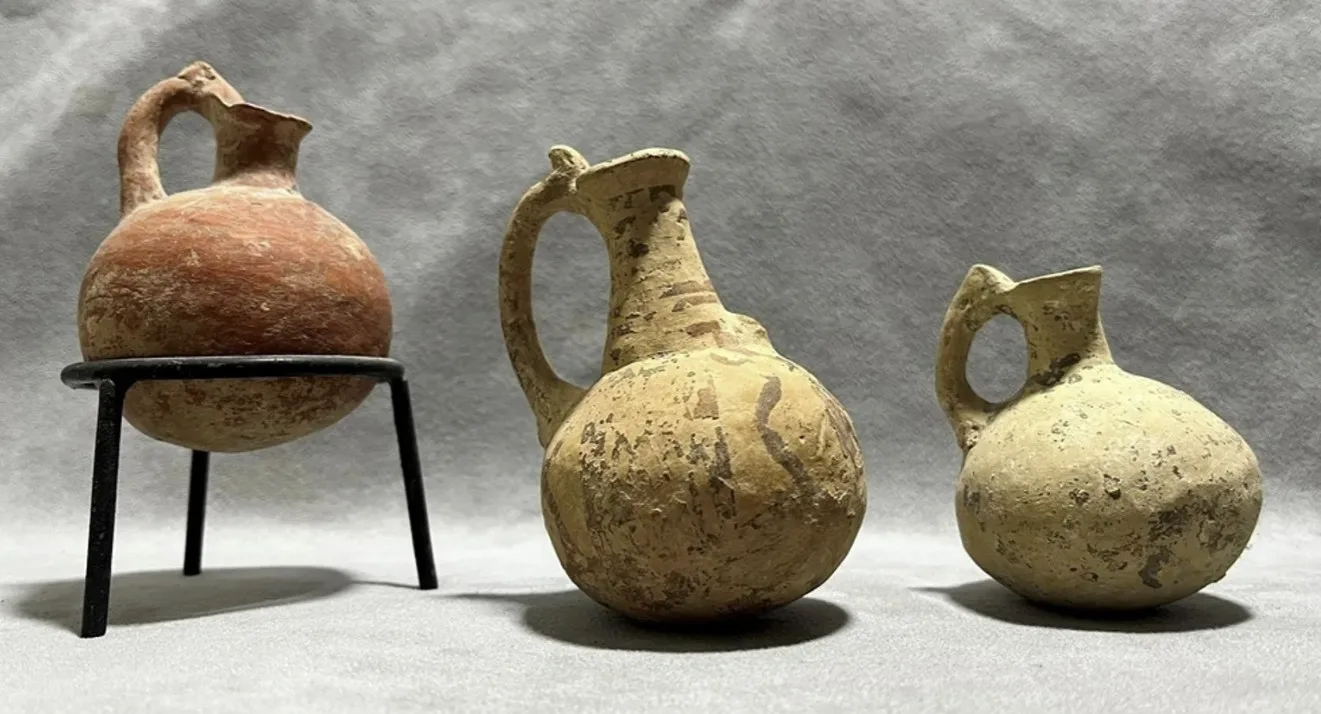
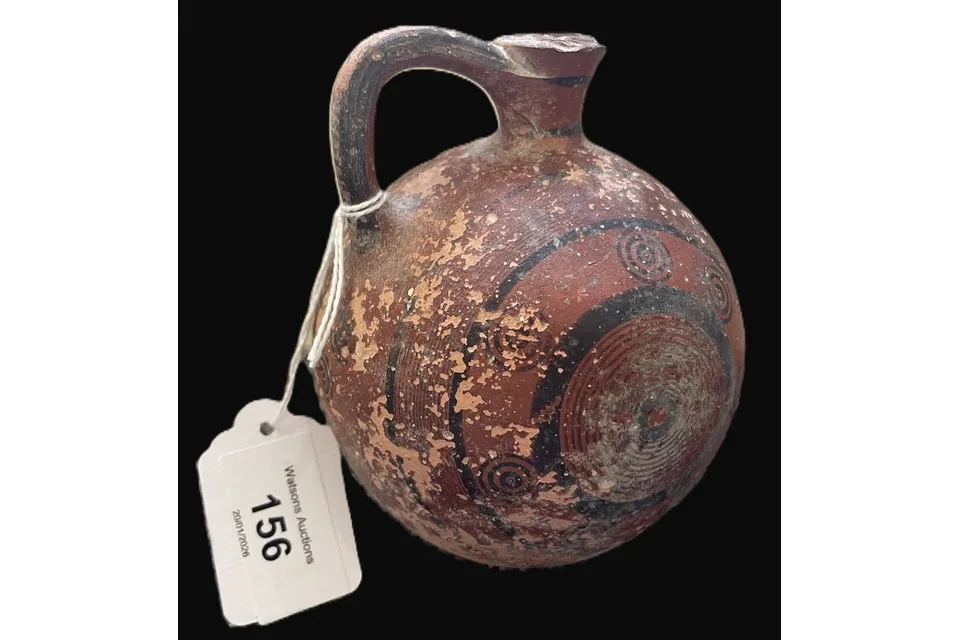
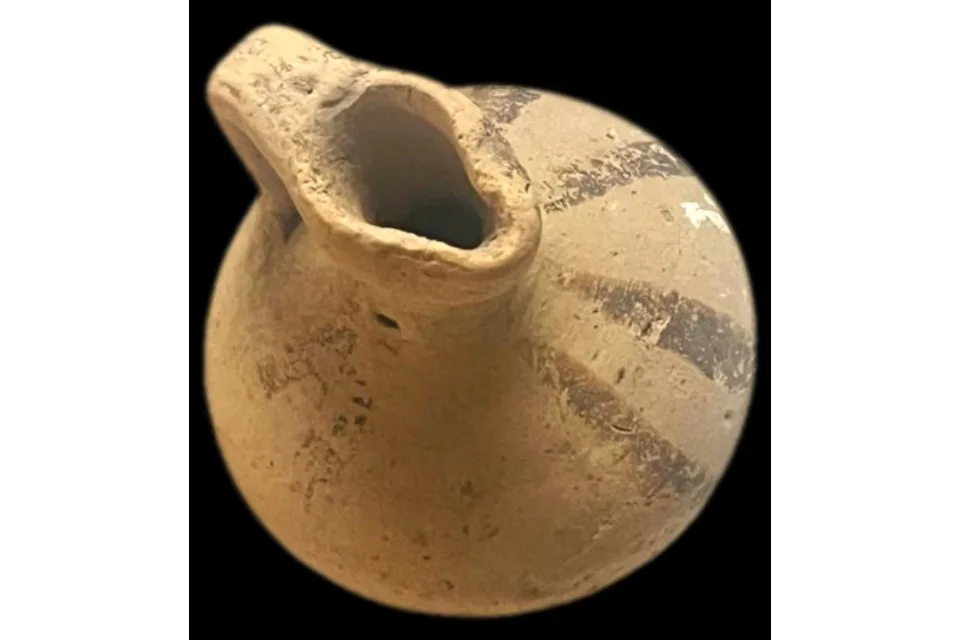
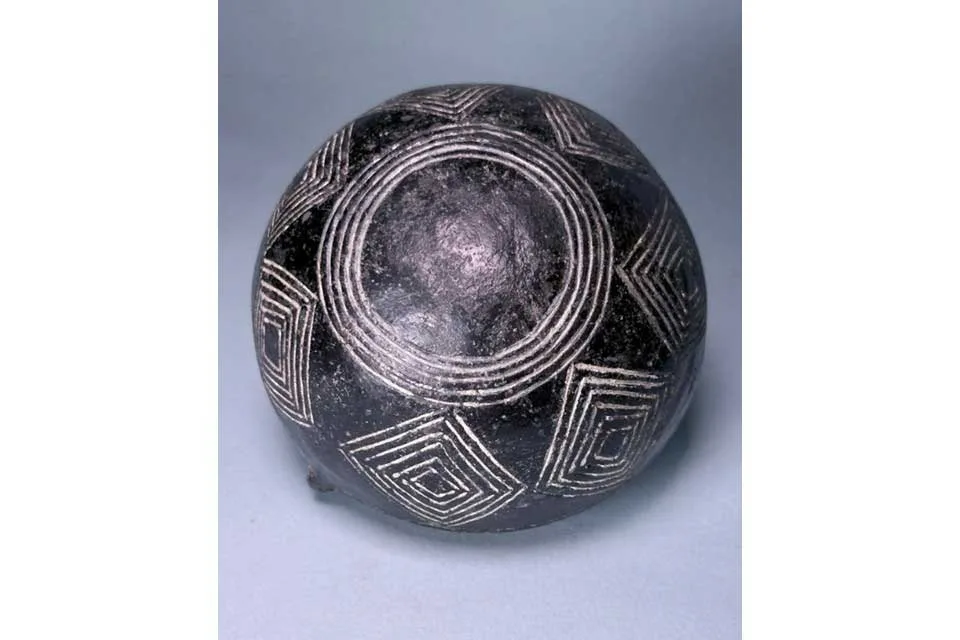
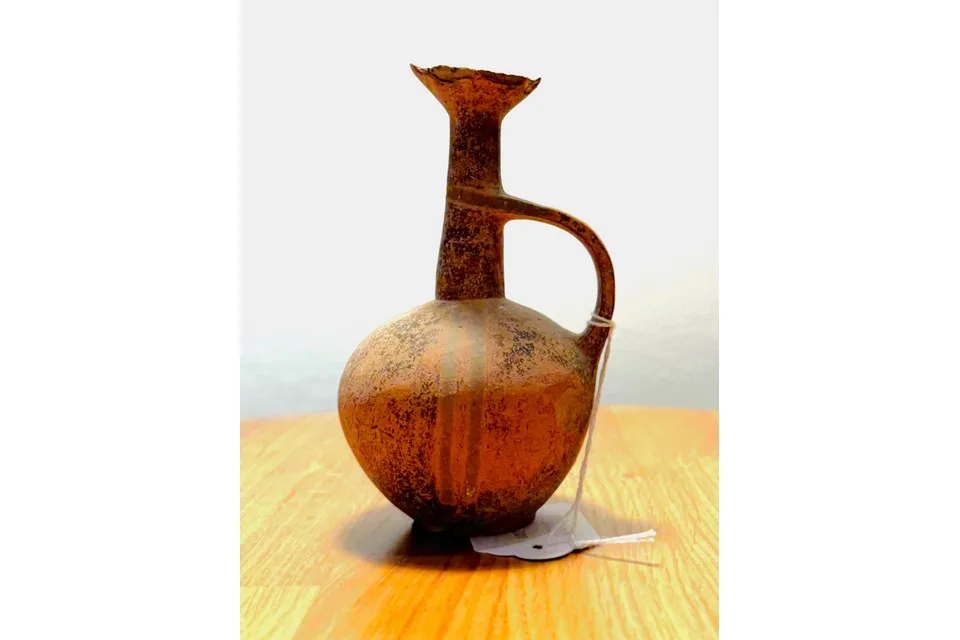
The rest arrived one at a time, and all but one are vessels. The two kylikes, stemmed drinking bowls with a pair of loop handles, are Bichrome of the Iron Age. The one from France, in the December release, carries a black swastika on each side set between groups of upright lines, with painted bands inside; the one from Britain, in the February release, has only black bands running round it inside and out. The Black-on-Red jug returned in March is round-bodied, its shiny reddish surface painted in black with rings in groups on either side; the rim has broken away, according to the Department. A juglet of White Painted V ware followed from the United States, and a Base Ring I juglet of the Late Cypriot I/II period from Britain. The bowl from Canada is a hemispherical Black Polished piece with incised decoration, dated to Early Cypriot III/Middle Cypriot I.
The chariot model is dated by the Department to the Cypro-Archaic I–II period, about 600 BCE. Two figures stand in its rectangular box, a warrior with a shield and a driver, both in conical helmets. The Department notes that terracotta quadrigas of this kind have been excavated in tombs as well as sanctuaries; the class is described under clay models.
Two routes to a handover
In six cases the path was short. The Department has archaeological officers whose task is to watch for illegal trafficking of Cypriot antiquities online; they saw the lot, the Department consulted the auction house, and the house withdrew it. The holder then handed the object to the Cypriot embassy or high commission in that country, and the Department thanked the house and the possessor, or in the French case the donors, for a voluntary return. The Halls juglet reached the High Commission in London eleven weeks after it was first seen at auction.
The chariot and the Canadian bowl took a year each. Both were spotted in May 2025, and both cases ran through the Cyprus Police and Interpol. In France the French Ministry of Culture and its Regional Archaeology Service of Occitanie took part; in Canada, Cyprus's Ministry of Justice and Public Order and Canada's Department of Justice. In each, the Department says, the holder decided to return the object.
Where these returns fit
Returns of this kind go back at least to 2024, when a Late Bronze Age ring-shaped vessel found in a French online sale that February was handed to the embassy in Paris in July. In November 2025 two Bichrome vessels came back from American salerooms and a Black-on-Red juglet from a British one. The full series is set out in policing and monitoring and in repatriations, 2023 to 2026.
Nearly all the objects are pots of the common wares that left Cyprus lawfully, and in large numbers, until licensed export ended in 1996 (the legal export of Cypriot antiquities). The Department described every one of the eight returns as voluntary. On the market today an undocumented Cypriot antiquity is treated as possibly looted after the Turkish invasion of 1974 unless its history can be traced back before that year, the working rule explained in the 1974 presumption.
Original sources
- Department of Antiquities: Repatriation of a Cypriot antiquity from the Republic of France
Official release·
- Department of Antiquities: Repatriation of a Cypriot antiquity from France
Official release·
- Department of Antiquities: Repatriation of a Cypriot antiquity from the United Kingdom
Official release·
- Department of Antiquities: Repatriation of 18 Cypriot antiquities from the United States of America
Official release·
- Department of Antiquities: Repatriation of a Cypriot antiquity from the United Kingdom
Official release·
- Department of Antiquities: Repatriation of a Cypriot antiquity from the United States of America
Official release·
- Department of Antiquities: Repatriation of a Cypriot antiquity from Canada
Official release·
- Department of Antiquities: Repatriation of a Cypriot antiquity from the United Kingdom
Official release·
- Archaeology Wiki
Press·
- Archaeology Wiki
Press·
- Cyprus Mail
Press·
On ancientcyprus.com
- Institutions
- Department of Antiquities of Cyprus, Cyprus Police
More in Heritage crime
- Two 14th-century Asinou icons stolen after the 1974 invasion return to Cyprus from Britain
- This Week in Cypriot Archaeology: 29 June–5 July 2026
- This Week in Cypriot Archaeology: 22–28 June 2026
- This Week in Cypriot Archaeology: 8–14 June 2026
- Greece returns 48 Cypriot antiquities an ambassador acquired on the island in the 1960s and 1970s