
Conference paper·CAARI Cyprus·2021
The Diaspora of Cypriot Antiquities in Swansea: A Paper at the CAARI and British Museum Conference, 2021
The diaspora of Cypriot antiquities in Swansea
Chapters
About the video
Ersin Hussein of Swansea University presents an overview of the Cypriot antiquities held in Swansea, Wales, and the ongoing work to research, catalogue, and display them. Her project has three aims: establishing the extent and nature of the Cypriot collections at Swansea Museum and Swansea University's Egypt Centre, creating educational resources for specialist and general audiences, and understanding the historical links between Welsh museums and other institutions holding Cypriot material. Because archive and museum closures during the pandemic restricted access to Swansea Museum, the paper concentrates on the Egypt Centre, which received around 6,000 objects from the Wellcome Institute in London in 1971 and opened to the public in 1998.
Archival records point to two principal collectors behind the roughly forty-four Cypriot objects recorded across the two Swansea institutions. The first is William Llewelyn Morgan, a Royal Engineer, local archaeologist, and president of the Royal Institution of South Wales. His military service may have taken him to Cyprus, and donations attributed to him carry archival notes recording specific burial contexts in Kyrenia and Nicosia, suggesting direct involvement in their acquisition. The second is Henry Wellcome, whose agents bought mixed lots at auction that remained boxed until they were sorted in the 1960s and sent to Swansea. Through Wellcome's auction purchases, the Egypt Centre acquired Cypriot items formerly in the collections of Francis Wallace Grenfell, Hermann Weber, the Lawrence Cesnola collection, and a Captain Stott, while a suggested connection with Rupert Gunnis remains unconfirmed in the museum's records.
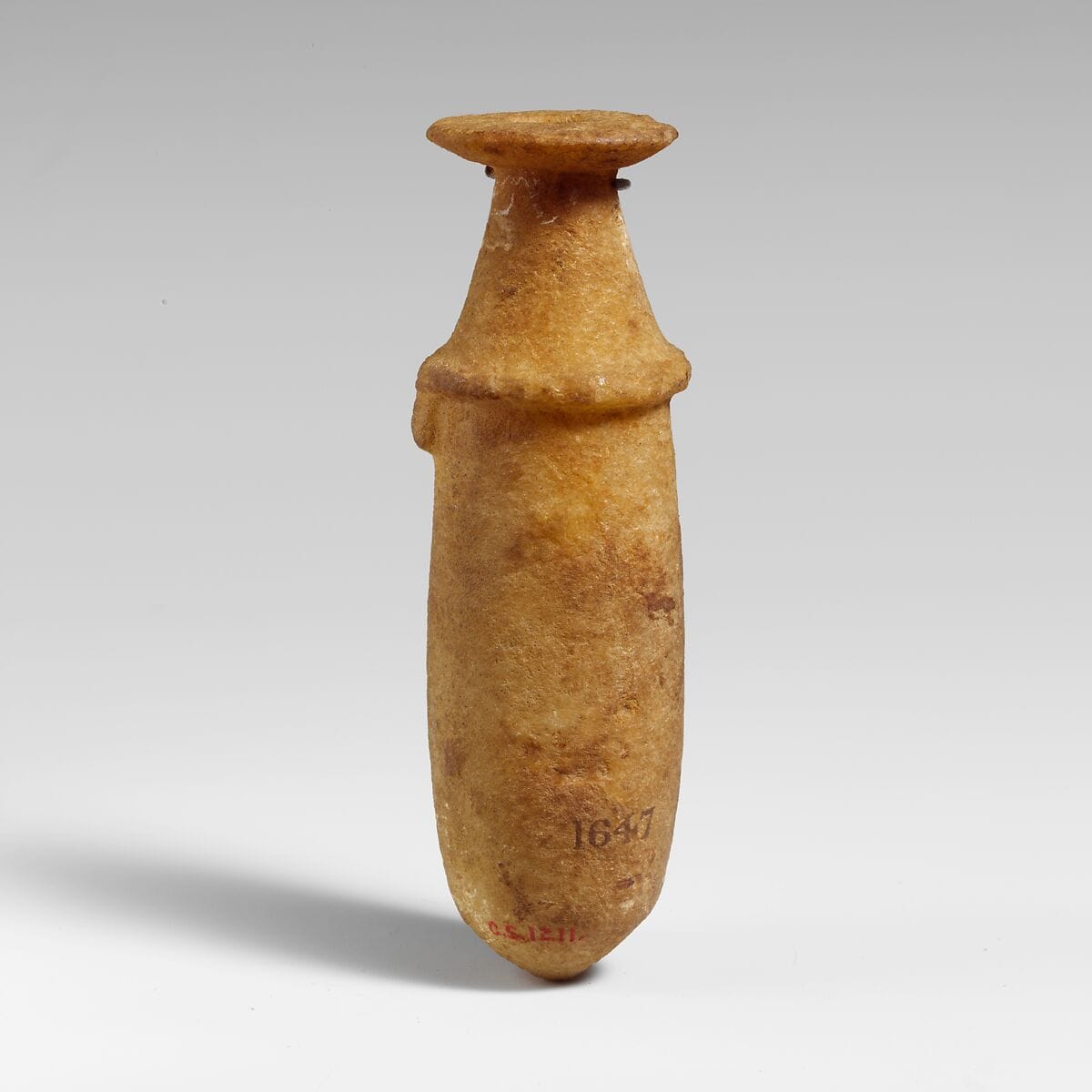
At the Egypt Centre, six objects are firmly confirmed as Cypriot, alongside a group of unidentified alabaster vessels thought to come from Cyprus. Hussein describes how undergraduate and postgraduate students in her third-year module on ancient Cyprus have worked in the museum stores to catalogue these alabaster vessels, and how the museum has shared the collection through social media, a new online catalogue, and public talks. Following an online conference poll showing strong public interest, the team secured a Public Engagement Impact Award from the Institute of Advanced Studies in London in August 2020 to install a new display case, "Egypt and its Neighbours," in the House of Life gallery, accompanied by booklets, teacher packs, and online resources addressing empire and excavation, social identity, cultural connectivity, and cultural diversity.
Background
Where to read more on this site before or after watching.
The site
Kyrenia
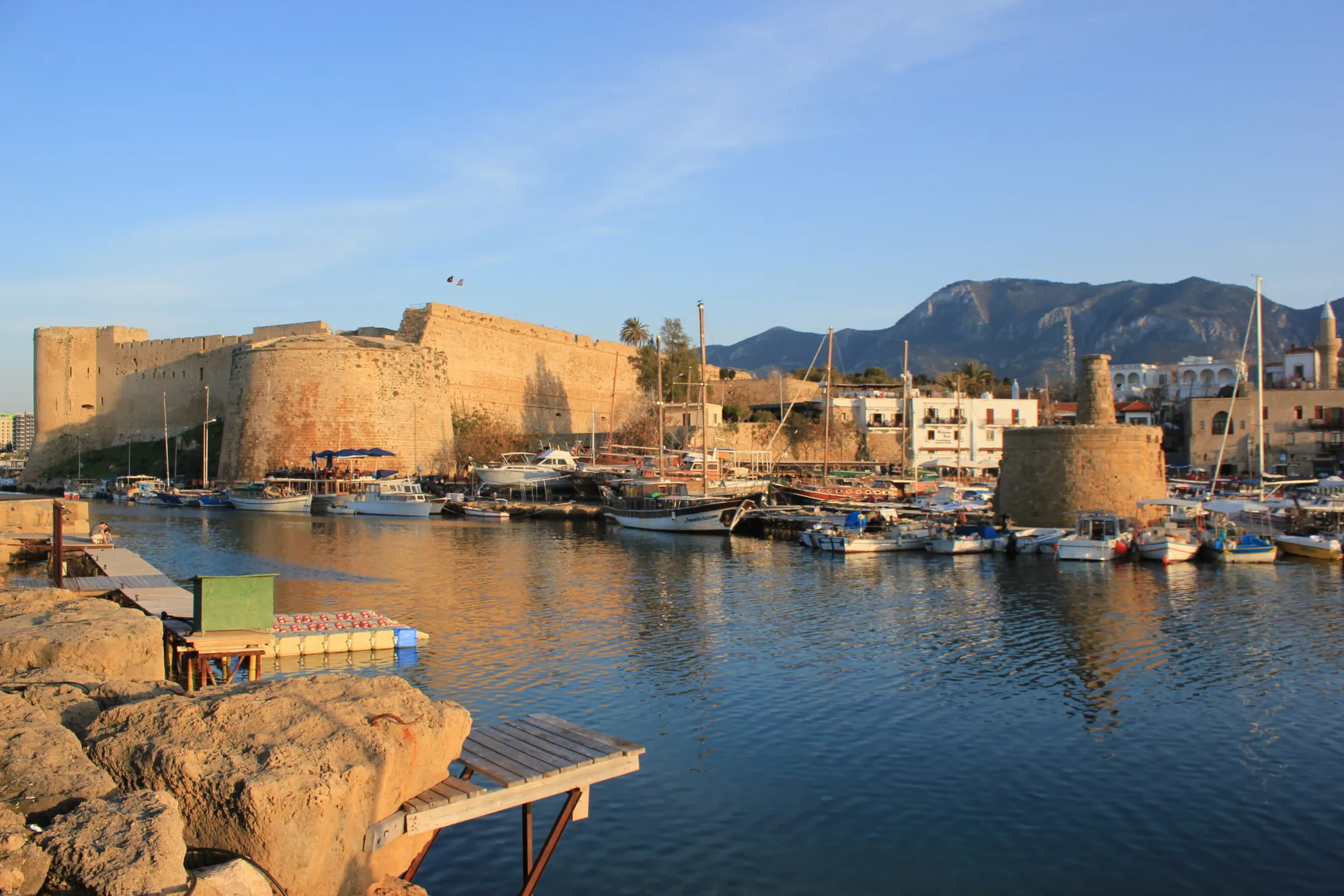
Ancient Keryneia lies under the old town of Kyrenia (Girne) round its small harbour on the north coast. The town was never excavated: it is known from tombs cleared in the 1960s and early 1970s, from a few texts and inscriptions, and from the merchant ship that sank off it around 300 BC, now shown in Kyrenia Castle.
In the compendium
Stone Vessels
Containers ground or carved from stone, the main vessel type of Neolithic Khirokitia and a prestige and cosmetic class again in Late Bronze Age Cyprus.
In the compendium
Egypt
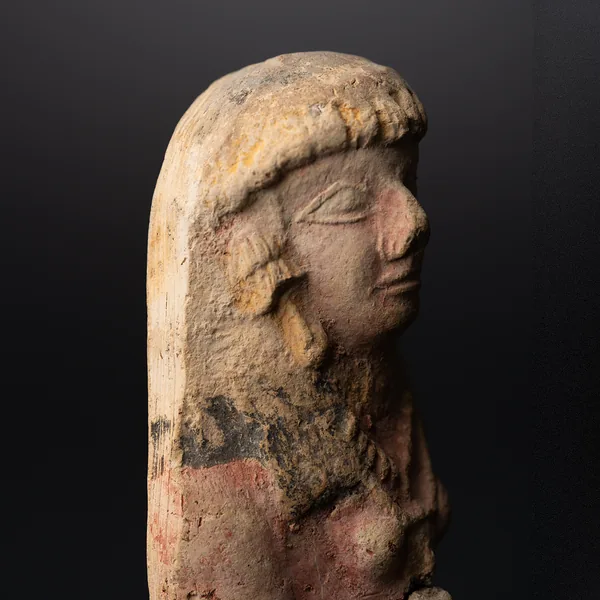
Ancient Egypt, Cyprus's partner in copper, pottery and prestige goods from the Middle Kingdom to the Ptolemies, who annexed the island.