
Events·Event
Oxford's Amy Styring talks on crop isotopes and past farming at the Cyprus Institute on 30 October
The free hybrid seminar on stable isotopes in charred crops, manuring, watering and diet starts at 15:00 in Nicosia and on Zoom; RSVP by 26 October.


Lecture
- When
- 30 October 2026 In 10 days
- Where
- Andreas Mouskos Auditorium, The Cyprus Institute, and on Zoom, Nicosia
- Online
- Also online
- Admission
- Free
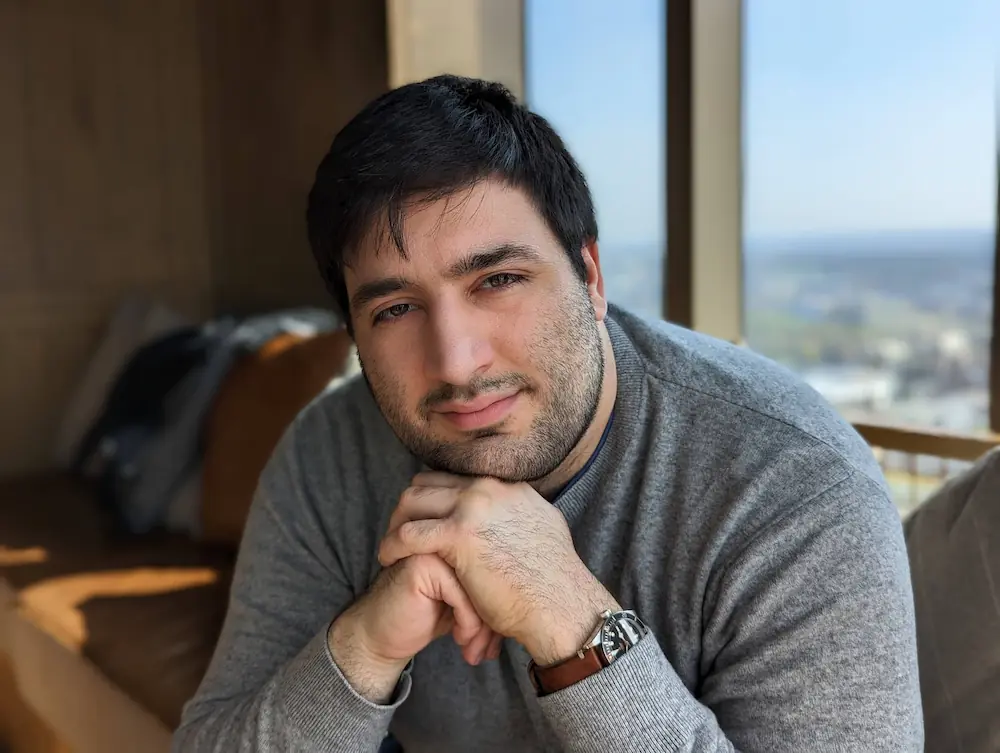
Amy Styring, Associate Professor of Archaeological Science at the University of Oxford, gives a seminar at The Cyprus Institute in Nicosia on Friday 30 October 2026. Her title is Isotopic Insights Into Past Cultivation and Dietary Practices, and the talk starts at 15:00. It is in English and open to the public.
The seminar is hybrid: people can come to the Andreas Mouskos Auditorium or follow on Zoom. Entry is free, and the Institute asks those attending to register with Andri Kyriacou by Monday 26 October. The event is listed with OneArchSci, funded by the European Union under Horizon Europe (Grant Agreement No 101186503).
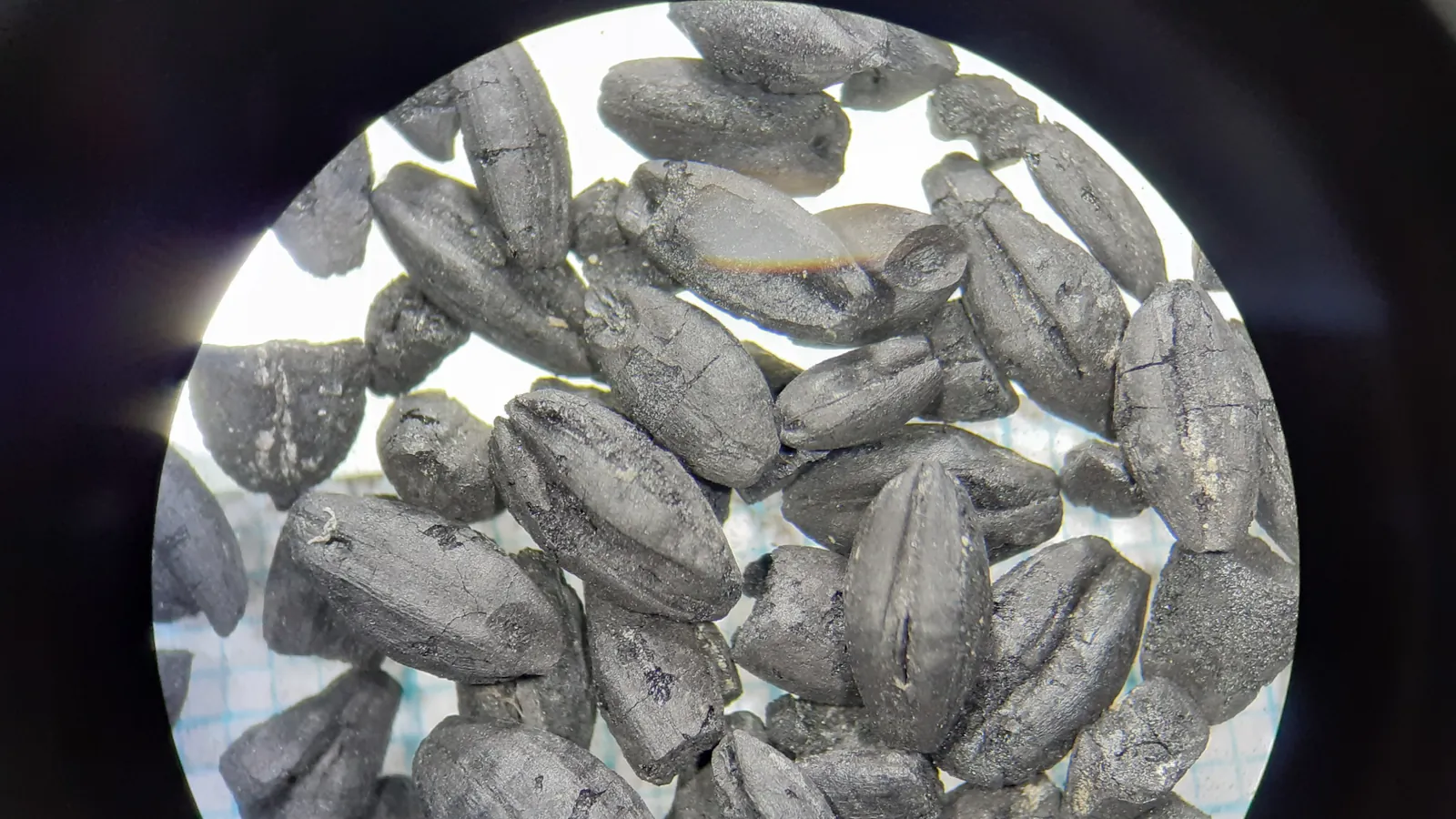
Styring's subject is the carbon and nitrogen isotopes in burnt seeds and grain from excavations. She argues that these values can show how heavily farmers manured their fields and how they watered them. Measured crops also give a baseline for reading human and animal bones, so that the share of plant and animal protein in a diet can be estimated more closely. She has also used strontium in plant remains to follow crops that moved, and strontium and oxygen in animal teeth to follow livestock.
Charred plant remains lie behind recent work on Cypriot farming: wheat and figs at Chalcolithic Chlorakas-Palloures, and charred barley at Pyla-Kokkinokremos that its authors read as a store of animal fodder from around 1200 BCE.
Original source
On ancientcyprus.com
- Institutions
- The Cyprus Institute, University of Oxford
More in Events
- Leiden hosts PoCA 2026, the 23rd Postgraduate Cypriot Archaeology Meeting, on 11–13 November
- Today in Cypriot Archaeology: 19 October 2026
- Pylon exhibition in Limassol traces the Episkopi men J. Lawrence Angel measured in 1949
- Cesnola's biographer Anna Marangou lectures on him and the Ohnefalsch-Richters on 2 November
- Anna Reeve traces how Cypriot antiquities reached British museums in a CAARI lecture on 5 November