
Research·In brief
The Peleset Sea People came from the Anatolian coast facing Cyprus, new paper argues
Carlos J. Moreu reads the Medinet Habu reliefs to place the Peleset in western Cilicia and Pamphylia, citing warrior images from Enkomi.



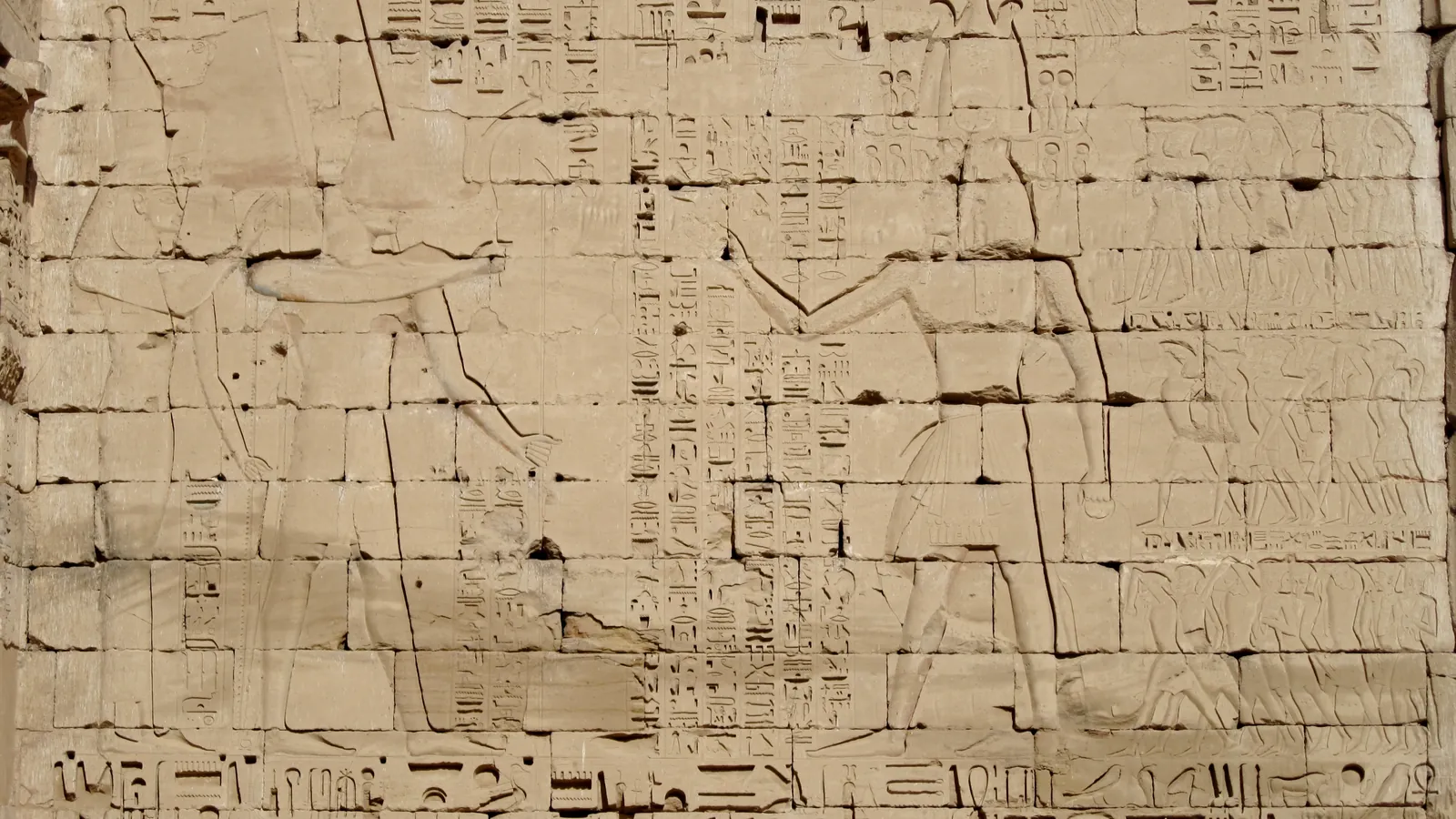
The Peleset, the Sea People whose name passed to the Philistines, came from the southern Anatolian coast opposite Cyprus, argues Carlos J. Moreu, an independent scholar, in a paper posted to the Knowledge Commons repository on 6 November 2026. It has not appeared in a journal.
At Ramesses III's temple at Medinet Habu, Peleset captives wear the same crown-like headdress and panelled kilt as the Denyen, whom Moreu places in Cilicia. The temple's Year 8 inscription lists Alashiya, which he reads as Cyprus, among lands laid waste before the Peleset moved on Egypt; he makes them refugees from attacks by Mycenaean Greeks. He links the biblical Anakim with Anaku, the "tin land" of Akkadian texts, and puts the Peleset homeland in western Cilicia and Pamphylia.
His nearest parallels for the Peleset warriors come from Enkomi: a steatite seal and an ivory game box showing men in that headdress, which he dates to the period of the reliefs. Enkomi lies in the area illegally occupied by Turkey since the 1974 invasion. Moreu counts it, with Sinda and Hala Sultan Tekke, among Cypriot towns probably destroyed by warfare then.
Whether incomers or internal conflict drove the Late Bronze Age collapse on the island is still argued. The Enkomi images have been used before to argue that the Tjeker, another Sea People, settled on Cyprus; in 1984 J. Muhly objected that the headdress is too common in Near Eastern art to show where its wearers came from [1, pp. 44–45].
Original source
On ancientcyprus.com
- Sites
- Enkomi
- Periods
- Late Bronze Age
References
- 1.Cook, V. (2010). Cyprus during the transition from the Bronze to the Iron Age: The evidence of foreign contacts in Proto White Painted - White Painted I pottery contexts. Paris.
More in Research
- Akrotiri was once an island off Cyprus, and its salt lake an arm of the sea, NASA says
- Archbishopric seeks permit to refit Phaneromeni school for University of Cyprus archaeologists
- Saint Therapon's underground tomb in Larnaca lies on a petrol station's plot
- Famagusta's Lusignan walls have lost far more stone to sea salt than its Venetian walls, study finds
- Network study of 299,171 km of Roman roads puts Byzantium and Antioch ahead of Rome