
Fieldwork·News
Karavas churches of 1804 and 1854 restored by Greek Cypriot and Turkish Cypriot conservators
Ayia Irini and Ayios Georgios of Mezere, in the occupied north, were conserved with EU and village funds; the cemetery at Kalopsida has also been restored.



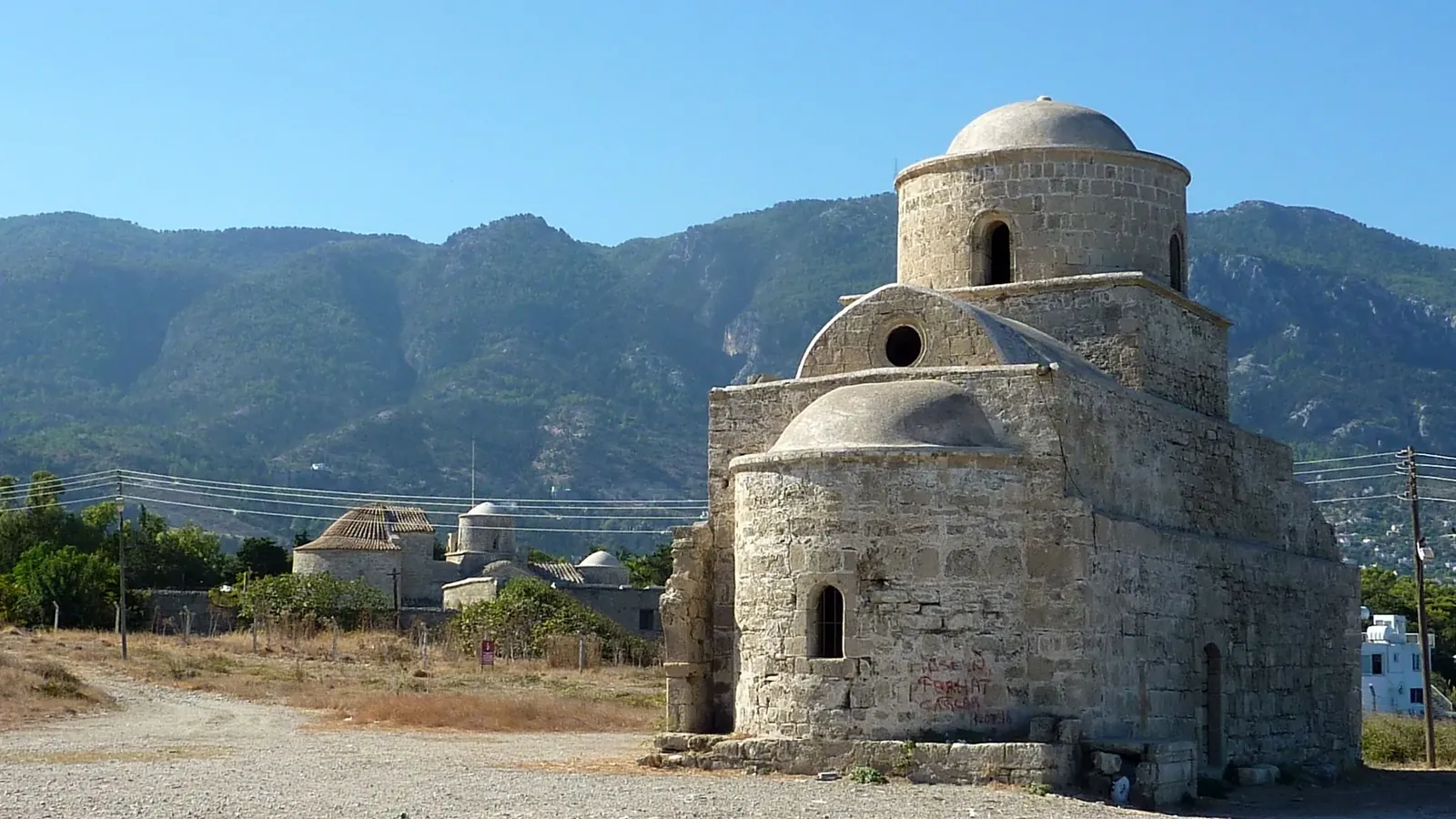
Conservation work on two 19th-century churches in Karavas, on the north coast of Cyprus west of Kyrenia, has been completed. Ayia Irini, built in 1804, and Ayios Georgios of Mezere, built in 1854, were repaired by architects and conservators from both the Greek Cypriot and the Turkish Cypriot communities, Sotos Ktoris, Greek Cypriot co-chair of the bicommunal Technical Committee on Cultural Heritage, announced in early November. He also reported that the cemetery of Kalopsida, a village in the district of Famagusta, has been restored.
Karavas and Kalopsida both lie in the part of Cyprus illegally occupied by Turkey since the 1974 invasion.
Who paid and who supervised
The European Union and the community of Karavas shared the cost of the two churches. The United Nations Development Programme (UNDP), which carries out the Committee's projects, gave the technical supervision.
Ayia Irini and the events of 1821
According to Ktoris, Ayia Irini was one of the three parish churches of Karavas. It stands on the south-western slopes of the Pentadaktylos (Kyrenia) range and was founded in 1804 by Lavrentios and his son Hadjinikolas.
Hadjinikolas died in July 1821, among the leading Cypriots killed in the massacres of that month under Ottoman rule. One of the church's icons, painted in 1766, was looted after the Turkish invasion of 1974 and has since been brought back to Cyprus.
Ayios Georgios of Mezere
The second church lies in Mezere, in the south-eastern part of the village. It went up in 1854 where a monastery had stood before it. Ktoris tied that monastery to the Greek War of Independence too: its former abbot, Leontios Hadjiyianis, gave help to Konstantinos Kanaris, the Greek naval commander, in the war of 1821.
Karavas and ancient Lambousa
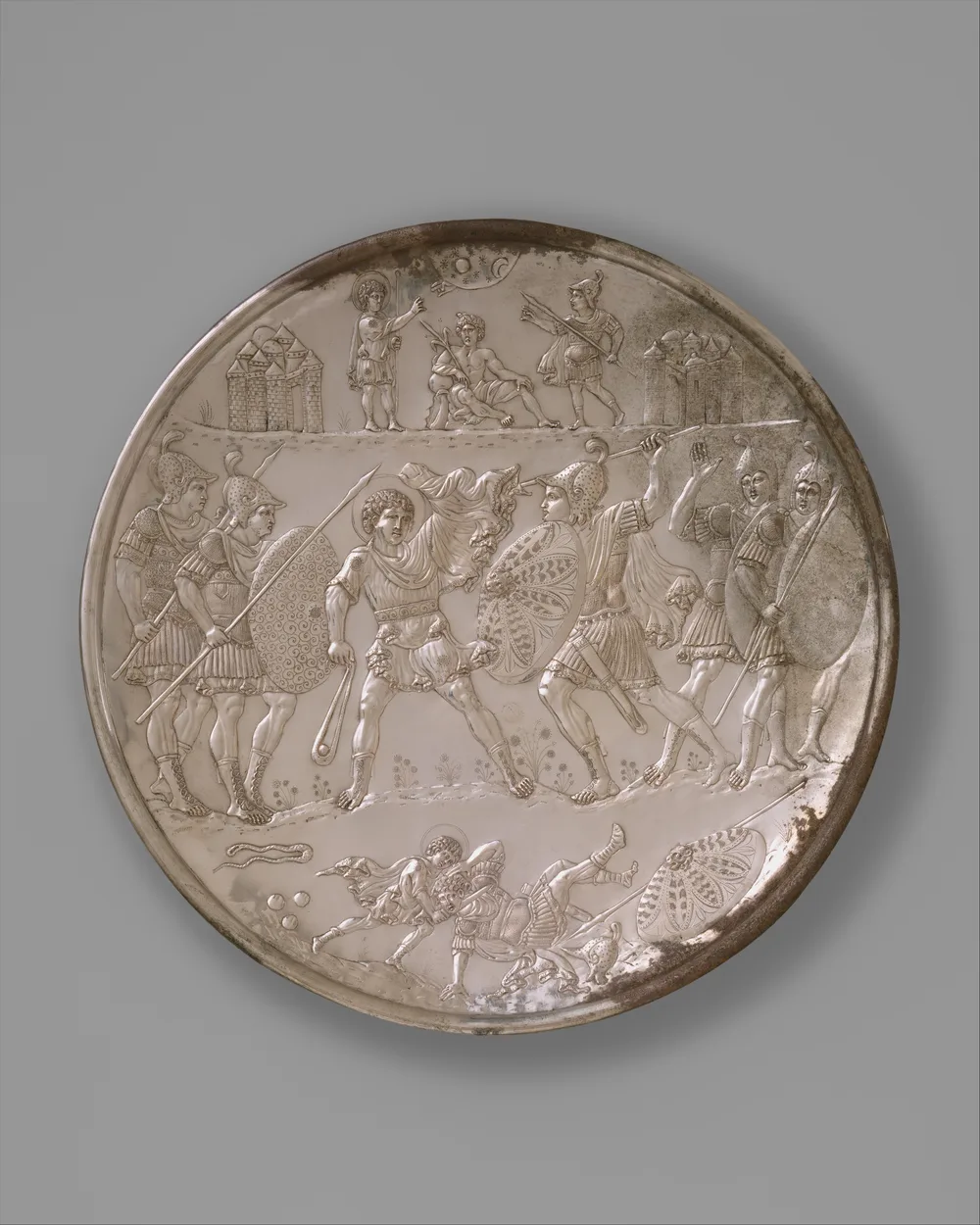
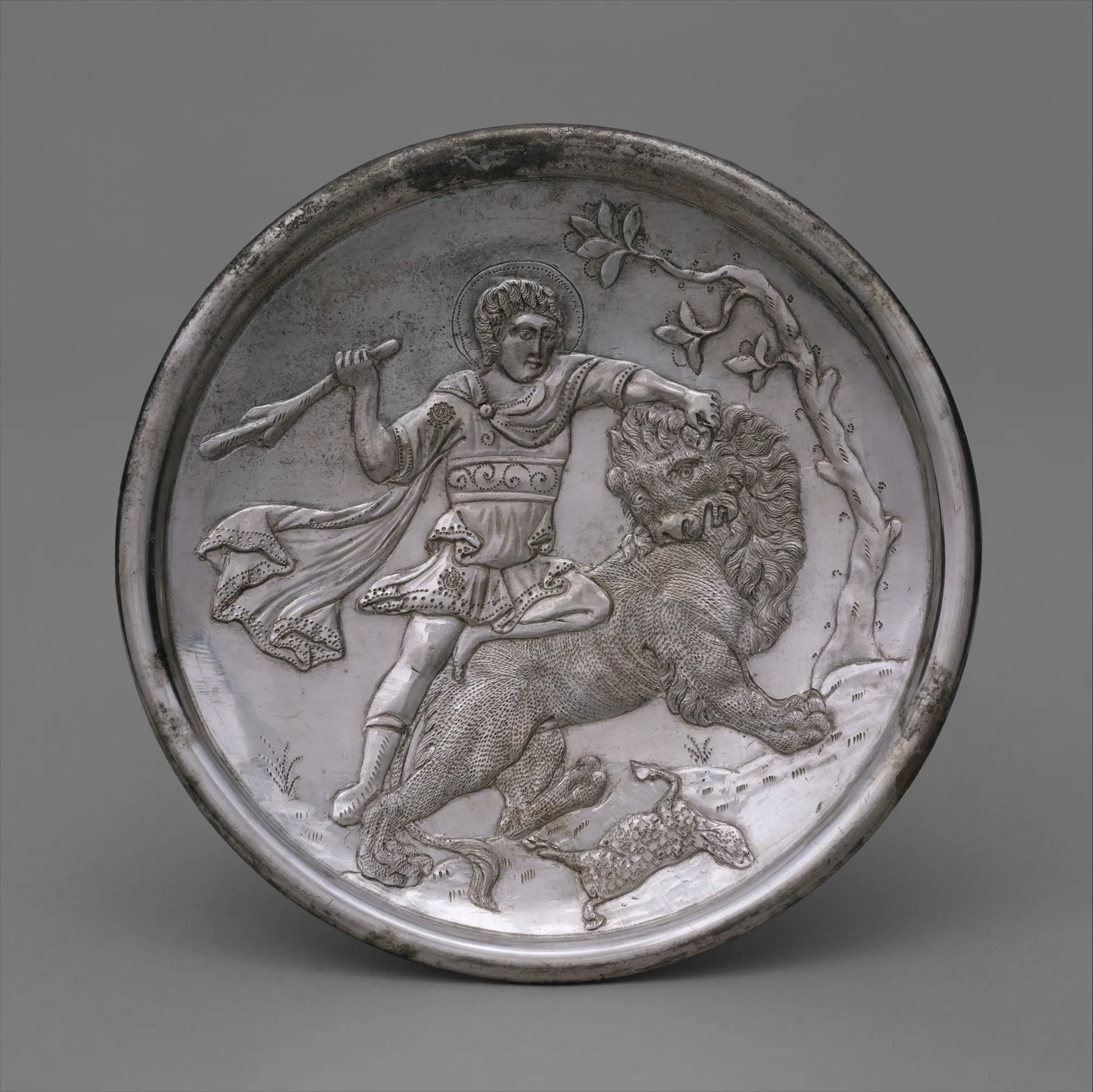
The village sits beside the ruins of Lambousa, the coastal town of ancient Lapethos, which lasted into the 7th century CE. Two hoards of Byzantine silver came out of those ruins, both found by men from Karavas quarrying for stone: the first in the 1890s, the second, with the David Plates, in 1902. The chapel of Ayios Evlalios and the Acheiropoietos monastery stand on the same stretch of shore. Lapithos, the next village to the west, keeps the ancient name.
The cemetery at Kalopsida
Kalopsida lies inland, west of the town of Famagusta. The cemetery restored now is the village's own modern burial ground. Ktoris described its repair as an act of respect for the dead and for the people who remember them.
The village also has a much older archaeological past, quite separate from that cemetery, and appears in the literature as Kalopsidha. John Linton Myres spent a week there in April 1894, recording a Bronze Age settlement with traces of pottery making, and tombs at five localities. Paul Åström returned in 1959 and excavated a burnt Middle Cypriot III building lying over an Early Cypriot tomb.
Map of Cyprus
Karavas and Kalopsida
- Ground above 200, 500, 1,000 m
Sites on this map
- 1Karavas (approx.)
- 2Lapithos
- 3Kalopsidha (approx.)
The Committee's recent work in the north
The Committee was founded in 2008. On its own count, with funding from the European Union and UNDP as implementing agency, it has restored, conserved or protected more than 210 cultural heritage sites across the island since 2012. The Karavas churches follow two other completions this autumn in the occupied north: Panagia Apsinthiotissa and Agios Prokopios, handed over on 23 October, and the iconostasis, wall paintings and roof of the monastery of Apostolos Varnavas near Salamis, announced on 2 November.
Original source
- Technical Committee on Cultural Heritage, home page
Official release
On ancientcyprus.com
More in Fieldwork
- New Central Prisons at Agios Sozomenos to be kept apart from the Bronze Age site
- Iconostasis and monk-painted walls restored at the monastery of Saint Barnabas near Salamis
- Works at the Paphos lighthouse uncover a Roman cistern, pebble floor and water channel
- Excavators near Kophinou find a domed church of the 8th–10th centuries and a potters' clay tank
- A dog's paw prints survive on a 4,000-year-old mudbrick from a burnt house at Tavşanlı Höyük