
Lecture·Archaeological Research Unit - University of Cyprus·2023
Late Bronze Age Kefalonia in the 21st Century
Christina Souyoudzoglou-Haywood
A guest lecture in the University of Cyprus series on a subject outside Cyprus.
Chapters
About the lecture
Christina Souyoudzoglou-Haywood of University College Dublin examines the Late Bronze Age archaeology of Kefalonia in the Ionian Sea, focusing on how the island adopted Mycenaean culture and how its communities reorganised after the collapse of the mainland palaces around 1200 BC. She opens with the history of research on the island, from early searches for Homeric Ithaca to rescue excavations by the Greek Archaeological Service and her own Livatho Valley Survey.
Reassessing Vincent Robin d'Arba Desborough's view that Mycenaean culture arrived only in the post-palatial Late Helladic IIIC period with mainland refugees, Souyoudzoglou-Haywood argues that local elites drove the process during the palatial era. In southeastern Poros, the Late Helladic IIIA2 tholos tomb and adjacent built tomb at Tzanata, together with an earlier elliptical building over Middle Bronze Age deposits at Tzanata Riza, point to local continuity and elite agency. In southwestern Livatho, the small tholoi over Middle Bronze Age cist graves at Kokolata, early chamber tombs at Mazarakata, and the settlement at Palea Stani Prosforika show a secondary hub combining imported Mycenaean and local handmade pottery.
The second half traces the disruption around 1200 BC, when Tzanata Riza was abandoned and settlement shifted to Livatho. At Mazarakata, Lakkithra, Metaxata and Diakata, communities built large cave-dromos tombs with deep burial pits, which the speaker interprets as collective vaults of extended kin groups formed for resilience, containing warrior equipment, feasting kraters and kylikes, antique gold jewellery, Baltic amber and Italian bronzes.
From our collection
Pieces in the Drakopoulos collection of the kinds and periods this talk covers: Middle Cypriot (Middle Bronze Age), Late Cypriot (Late Bronze Age).
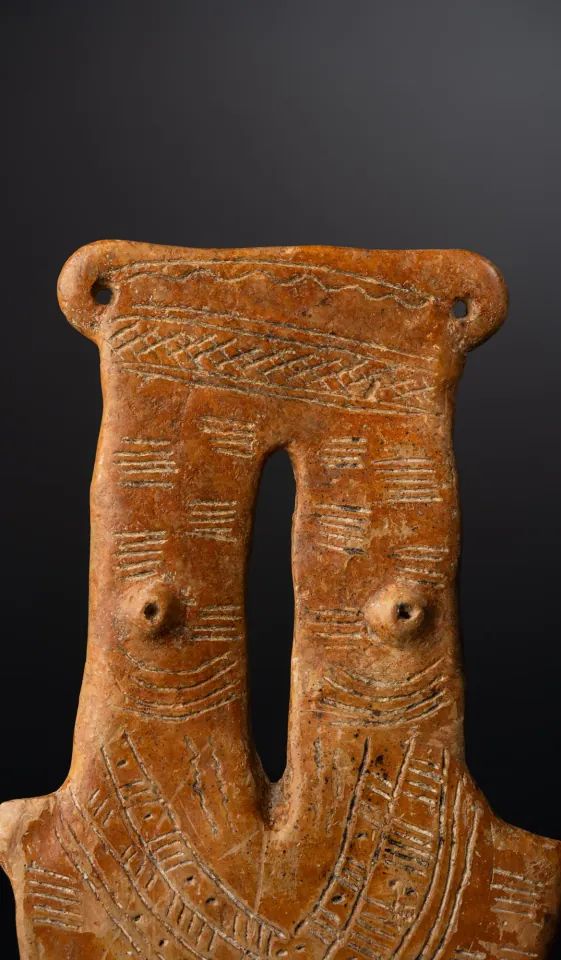
Red Polished Two-Necked Plank Figure
Middle Cypriot (Middle Bronze Age)
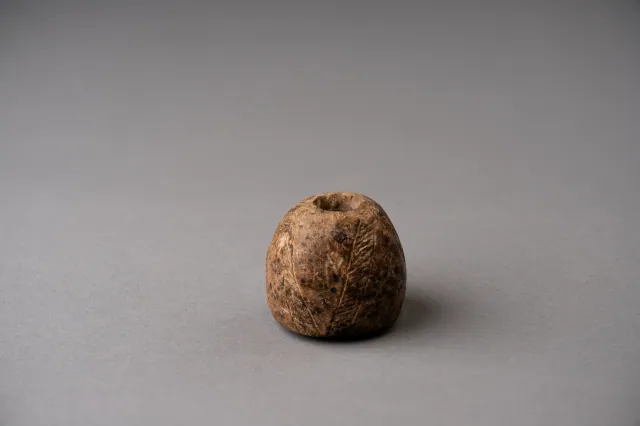
Spindle Whorl with Incised Herringbone Bands
Middle Cypriot (Middle Bronze Age)
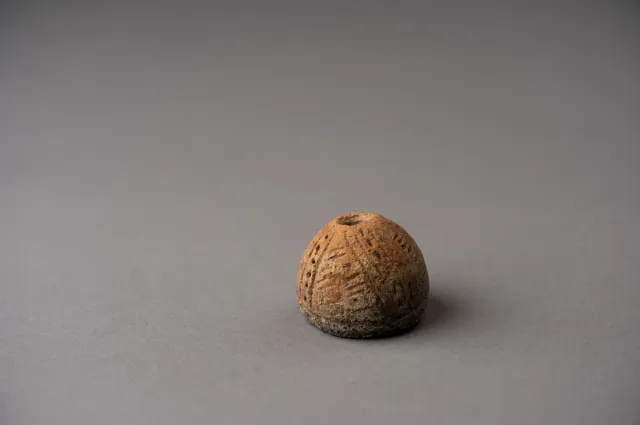
Red Polished Spindle Whorl with Incised Lattice and Dotted Bands
Middle Cypriot (Middle Bronze Age)
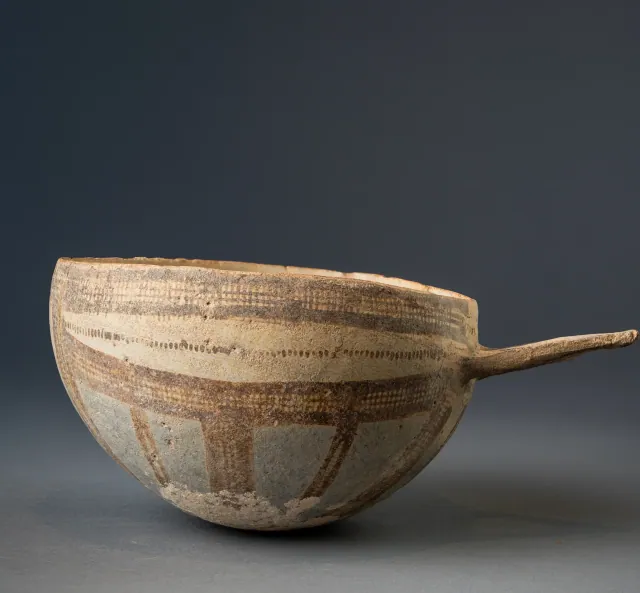
White Slip II Hemispherical Bowl with Wishbone Handle
Late Cypriot (Late Bronze Age)
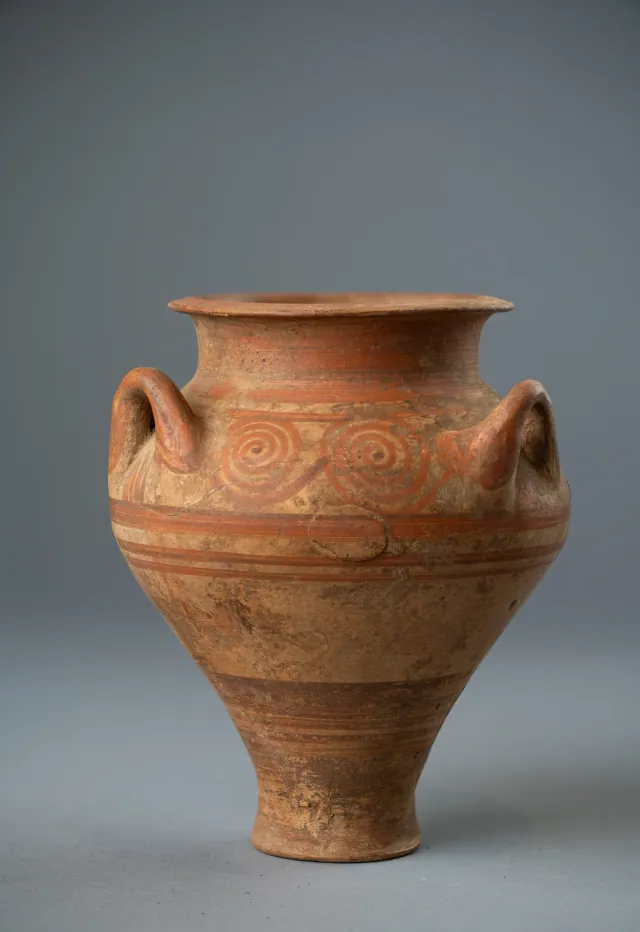
Cypriot Three-Handled Jar in the Mycenaean Style with Running Spirals
Late Cypriot (Late Bronze Age)
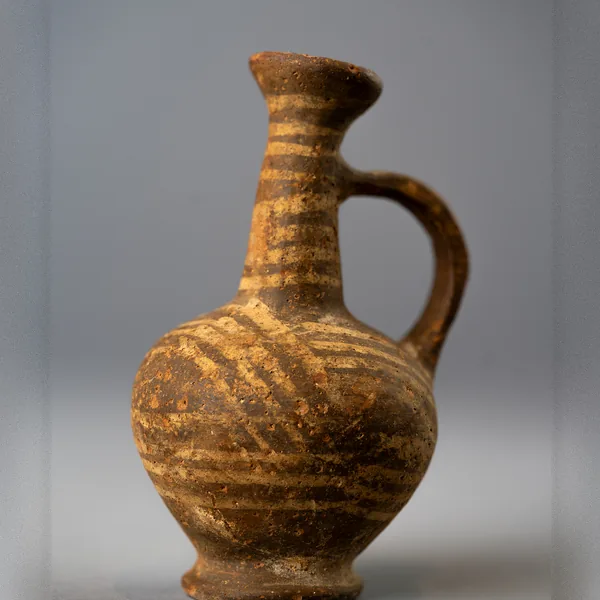
Base Ring II Bilbil Juglet with White-Painted Bands
Late Cypriot (Late Bronze Age)
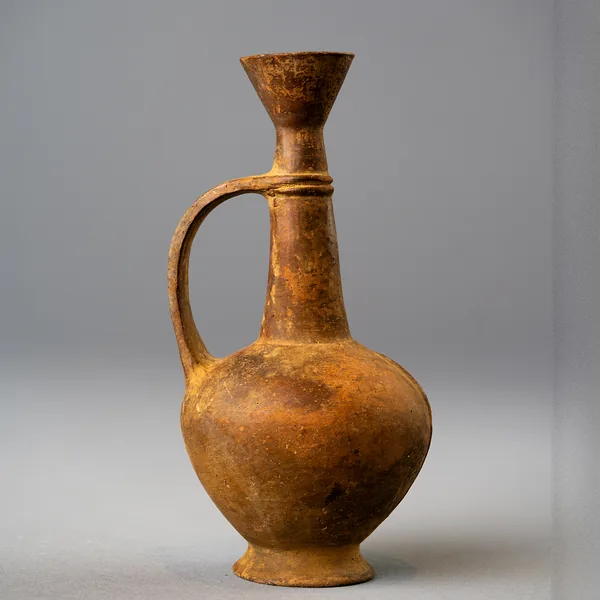
Base Ring Bilbil Juglet with Funnel Mouth and Neck Ridge
Late Cypriot (Late Bronze Age)
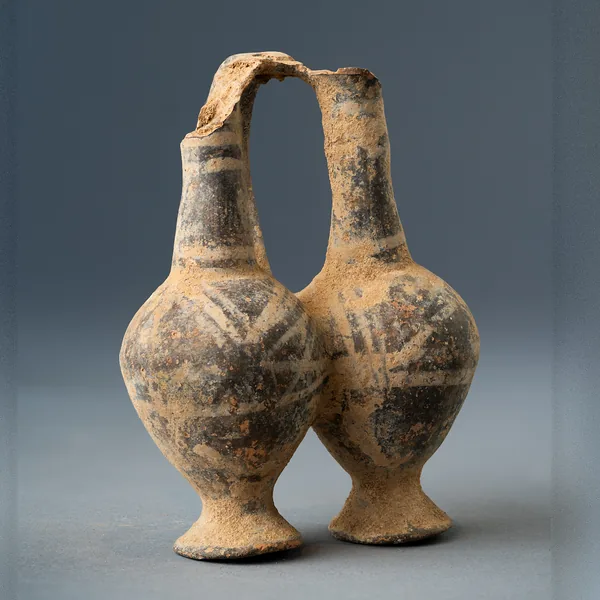
Base Ring II Double Juglet with White-Painted Decoration
Late Cypriot (Late Bronze Age)
Background
Where to read more on this site before or after watching.
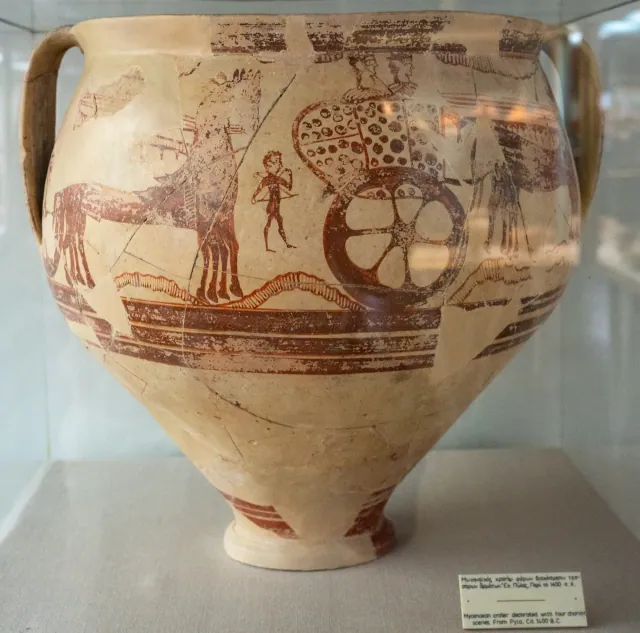
In the compendium
The Mycenaeans and Cyprus
The palatial Late Bronze Age societies of mainland Greece, whose pottery flooded Cypriot coastal towns in the 14th and 13th centuries BCE.
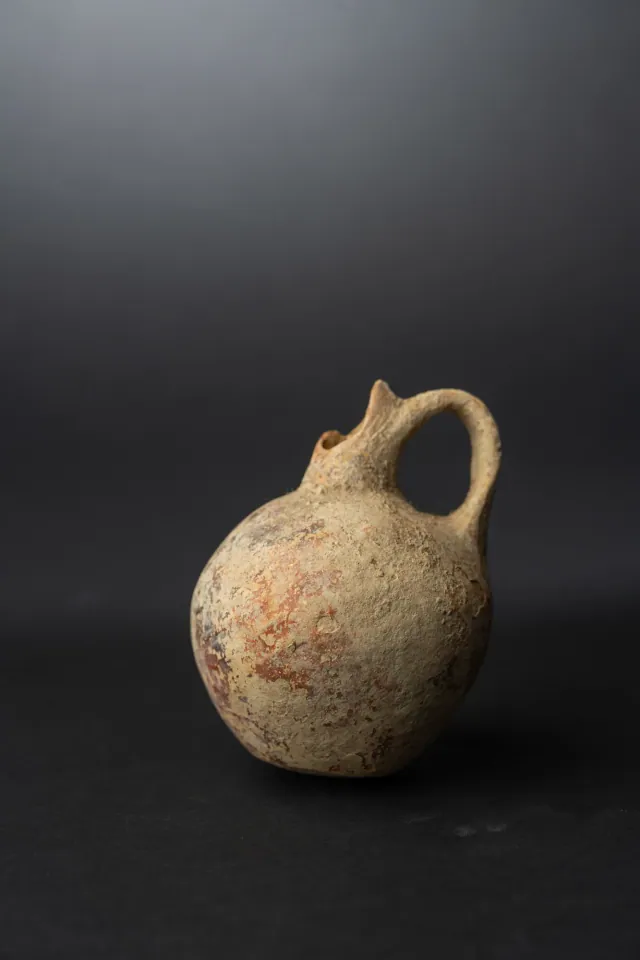
The period
Middle Bronze Age
The Middle Cypriot period, c. 1950–1650 BCE, of multi-roomed village houses, White Painted pottery, growing copper production and the first overseas trade.