
Museums·News
Department of Antiquities plans to digitise 100,000 more objects from state museum storerooms
Eight archaeologists on 42-month contracts are to enter the finds in its CADiP database. A first round put more than 87,000 objects into it in 2021–2024.



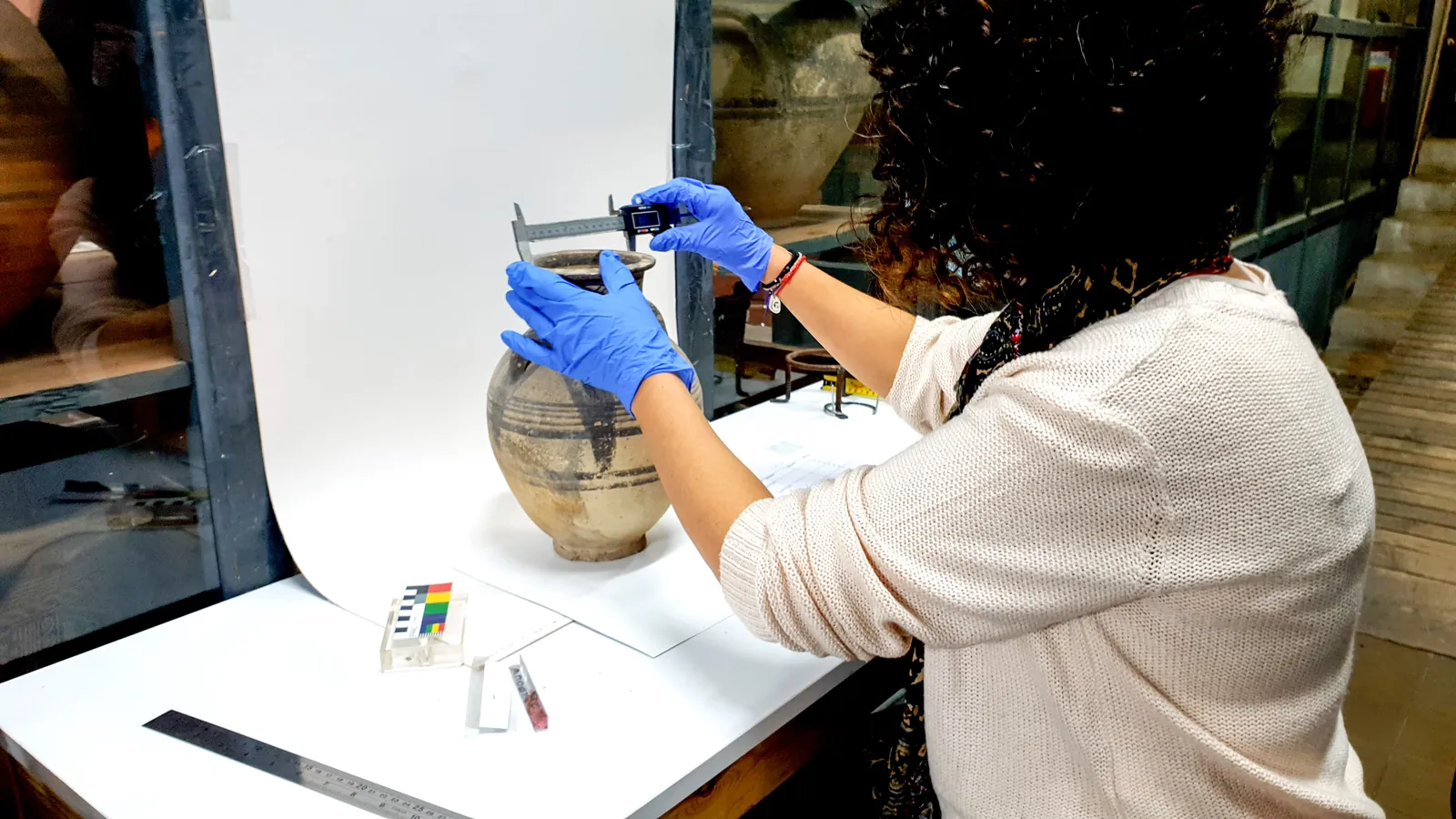
The Department of Antiquities is preparing a second round of its museum digitisation programme, meant to enter 100,000 ancient objects now kept in the storerooms of the state museums into CADiP, the Cyprus Archaeological Digitisation Programme database. Called "Digitising the Museums of Cyprus II", the round will be carried out by eight archaeologists on 42-month contracts, for which the Department advertised on 17 July 2026. Norway's financial mechanism for 2021–2028 and the Republic of Cyprus are paying for it together.
The work and the eight posts
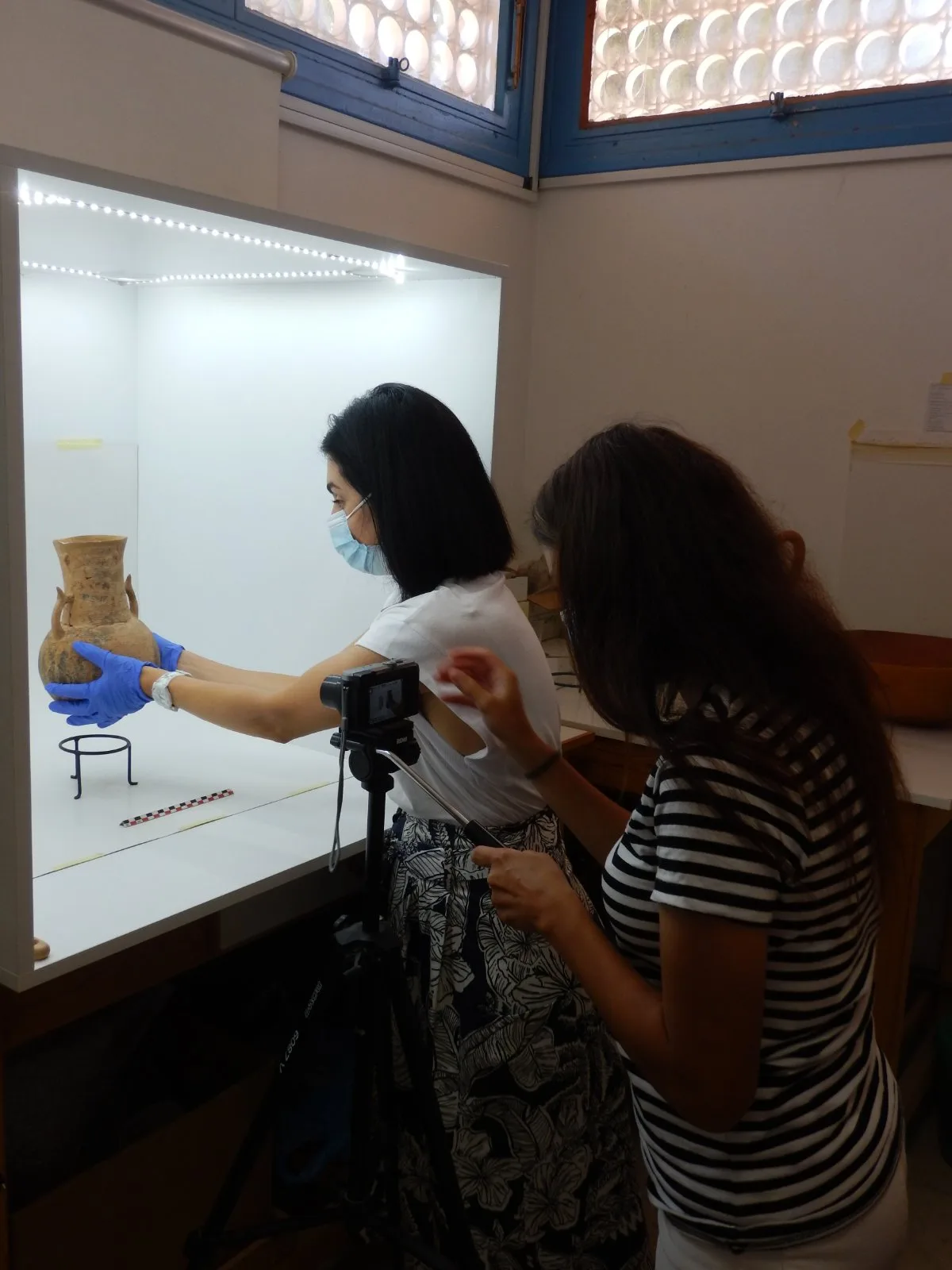
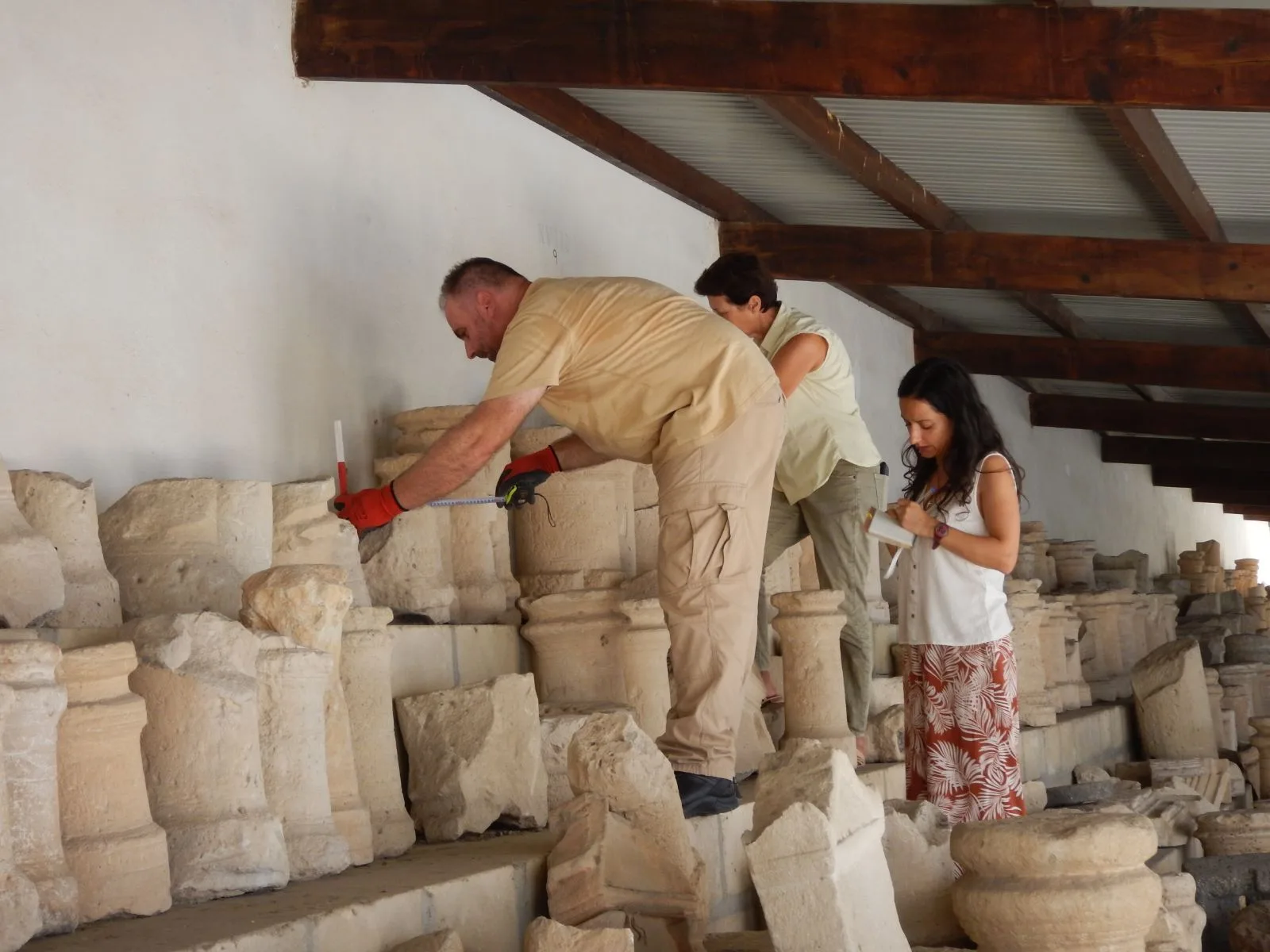
According to the Department's call for applications, each archaeologist is to take on 12,500 objects. For every piece the job means going back to the museum registers and catalogues, examining the object by eye, reading what has been published on it, and then filling each field of its CADiP entry: measurements, photographs, a description, bibliography, where it was found and where it is stored. The archaeologists are also to check the old registers and correct them, and to report their progress to the Director every month.
The posts, on salary scales A8, A10 and A11, are fixed-term under Law 70(I)/2016. Basic pay is the starting point of scale A8, plus any approved rises and the cost-of-living allowance, and for the first 24 months it is 10% lower, as article 10 of that law provides. The call states that the posts will not become permanent. Candidates needed a first degree and a postgraduate degree in archaeology, a working knowledge of Cypriot archaeology, very good Greek and English, and Cypriot or EU citizenship; the successful ones will be based in Nicosia or wherever the Department sends them.
Applications closed on 11 September 2026, at 14:00. Our roundup for 13–19 July carried the call when it opened.
Who is paying
The project behind the posts has a longer official name, "Culture: Digitisation of the Cyprus Museum and the State Collection of Cypriot Art". When Cyprus signed its agreements with Norway, Iceland and Liechtenstein for the EEA and Norway Financial Mechanisms 2021–2028 in Nicosia on 6 November 2025, the Ministry of Finance listed it among five flagship projects, at €1,500,000 from the Norway mechanism. Cyprus's whole allocation for the period is €14.7 million (€7.5 million from the EEA mechanism, €7.2 million from Norway's), with a 15% national contribution on top.
The €1.5 million line covers both the Cyprus Museum and the State Collection of Cypriot Art, the state's collection of modern art.
What the first round did
The new round follows "Digitising the Museums of Cyprus", which the Department ran from May 2021 to 30 April 2024 with money from the EEA and Norway Grants for 2014–2021. At its launch the target was 96,000 objects: 82,000 in the storerooms of the Cyprus Museum in Nicosia and 14,000 on display in the state museums, among them the district museums of Limassol, Larnaca and Paphos. Eight archaeologists worked on it; by its close, the Department reported, more than 87,000 objects had been entered. The results were presented in the Cyprus Museum library on 14 March 2024.
The Department says the records are already in use in two ways: in preparing the displays of the new Cyprus Museum, which is still being built and will not be delivered before 2028 (our report), and in watching for antiquities on the illicit market.
CADiP since 2009
CADiP began in October 2009 as a project co-funded by the Norwegian Financial Mechanism and the Republic of Cyprus. After the funded phase ended in April 2011 the Department kept it going from its own budget, with its permanent staff and with archaeologists hired for set tasks. Between November 2016 and November 2017, for example, two contract archaeologists recorded 4,000 objects and five sites; 1,000 of those objects were pieces declared lost as a result of the Turkish invasion of 1974.
By March 2024 the Department counted more than 100,000 movable finds, 3,581 archaeological surveys and 1,641 ancient monuments in the system. It is an internal tool. A 2023 survey of digital archiving in Cypriot archaeology describes it as built on MySQL and ArcGIS, open only to Department officers on the Department's premises, with full records released to outside researchers after written authorisation; the authors add that partial public access online was under discussion [1].
DigiArc 2.0 in the Troodos
The Department is also a partner in a project on standing buildings. DigiArc 2.0, funded by Interreg VI-A Greece-Cyprus 2021–2027, runs from 5 February 2026 to 4 February 2028 with a total budget of €1,866,140.24. The lead partner is the Greek Ministry of Culture; the partners include the University of the Aegean, the Department of Antiquities and the Cyprus Institute. In Cyprus it covers 13 monuments of the Troodos area on the UNESCO World Heritage List, and the project page lists digital survey, 3D and HBIM (heritage building information) models, management plans and mixed-reality applications among its outputs. In Greece the same project works at the medieval town of Rhodes, the Monastery of St John the Theologian on Patmos and Delos.
Original sources
- Department of Antiquities: call for eight archaeologists, Digitising the Museums of Cyprus II
Official release·
- Deputy Ministry of Culture: Digitisation of the Cyprus Museum, recruitment of fixed-term employees
Official release·
- Department of Antiquities: Digitising the Museums of Cyprus (project page)
Official release·
- Ministry of Finance: EEA and Norway Financial Mechanisms 2021-2028, Memoranda of Understanding signed
Official release·
- Interreg Greece-Cyprus: DigiArc 2.0
Official release·
On ancientcyprus.com
References
- 1.Vassallo, V., Nunziata, L., Makri, M., Georgiadou, A. S. and Hermon, S. (2023). The State of the Art of Digital Archiving for Archaeology in Cyprus. Internet Archaeology 63. https://doi.org/10.11141/ia.63.5
More in Museums
- Presidential Palace tours in Nicosia show figurines returned from Munich in 2024
- Ashmolean Aphrodite curator Anja Ulbrich lectures in London on 21 November and Oxford on 13 December
- Messages on Metal: Alpha Bank coins from Philip II to Caterina Cornaro on show in Nicosia
- Nicosia's €144m new Cyprus Museum will not be delivered before 2028, MPs told
- Aphrodite at the Ashmolean: Cyprus lends a sanctuary figurine of a woman giving birth