
Lecture·Archaeological Research Unit - University of Cyprus·2018
Beyond the Texts: An Archaeological Portrait of Ancient Israel
A guest lecture in the University of Cyprus series on a subject outside Cyprus.
Chapters
About the lecture
William G. Dever, retired from the University of Arizona and Distinguished Professor at Lycoming College, presents the method and arguments of his book Beyond the Texts: An Archaeological Portrait of Ancient Israel. Observing that no new history of ancient Israel had been written for decades, Dever attributes this to a crisis of confidence in sources among biblical scholars and archaeologists. He reviews the limitations of the Hebrew Bible as a historical source, contrasting its brief mentions of King Omri and Sennacherib's 701campaign in Judah with the Neo-Assyrian and archaeological records, including reliefs and excavation reports from the siege of Lachish. He also criticises revisionist or minimalist scholars, such as Philip R. Davies, who date the biblical texts to the Hellenistic or Roman periods and dismiss ancient Israel as a literary construct.
Dever argues that because the biblical texts were written and edited by a small Jerusalem elite long after the events, unedited artefacts must serve as the contemporary primary source. His method examines archaeological data and biblical texts independently before comparing them along a continuum from disproven to corroborated, framed through a jurisprudential model aiming for conclusions established by a preponderance of the evidence.
Two case studies illustrate the approach. First, Dever states that archaeology from the Egyptian Delta through Jordan and Canaan offers no evidence for the unified military conquest in the book of Joshua, indicating instead that early Israelites emerged in the 12th and 11th centuries mainly as displaced Canaanites. Second, he argues for a 10th-century state under King David, citing the Aramaic stele from Tel Dan naming the house of David, the border site of Khirbet Qeiyafa, and excavated Judahite and Philistine strata aligning with the biblical border.
Background
Where to read more on this site before or after watching.
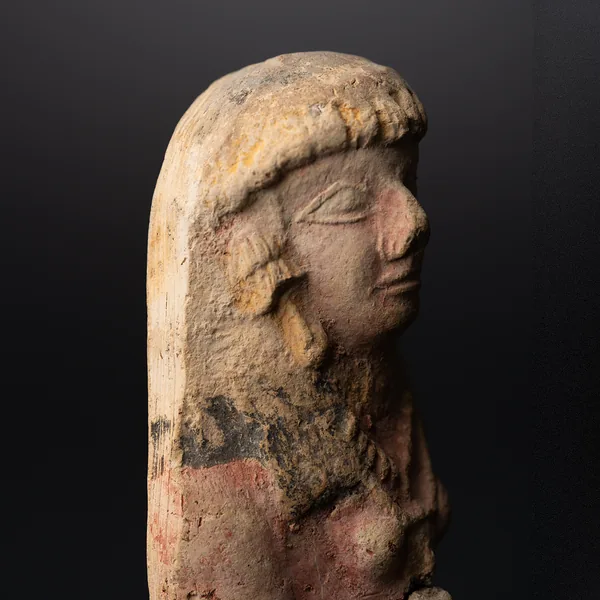
In the compendium
Egypt
Ancient Egypt, Cyprus's partner in copper, pottery and prestige goods from the Middle Kingdom to the Ptolemies, who annexed the island.
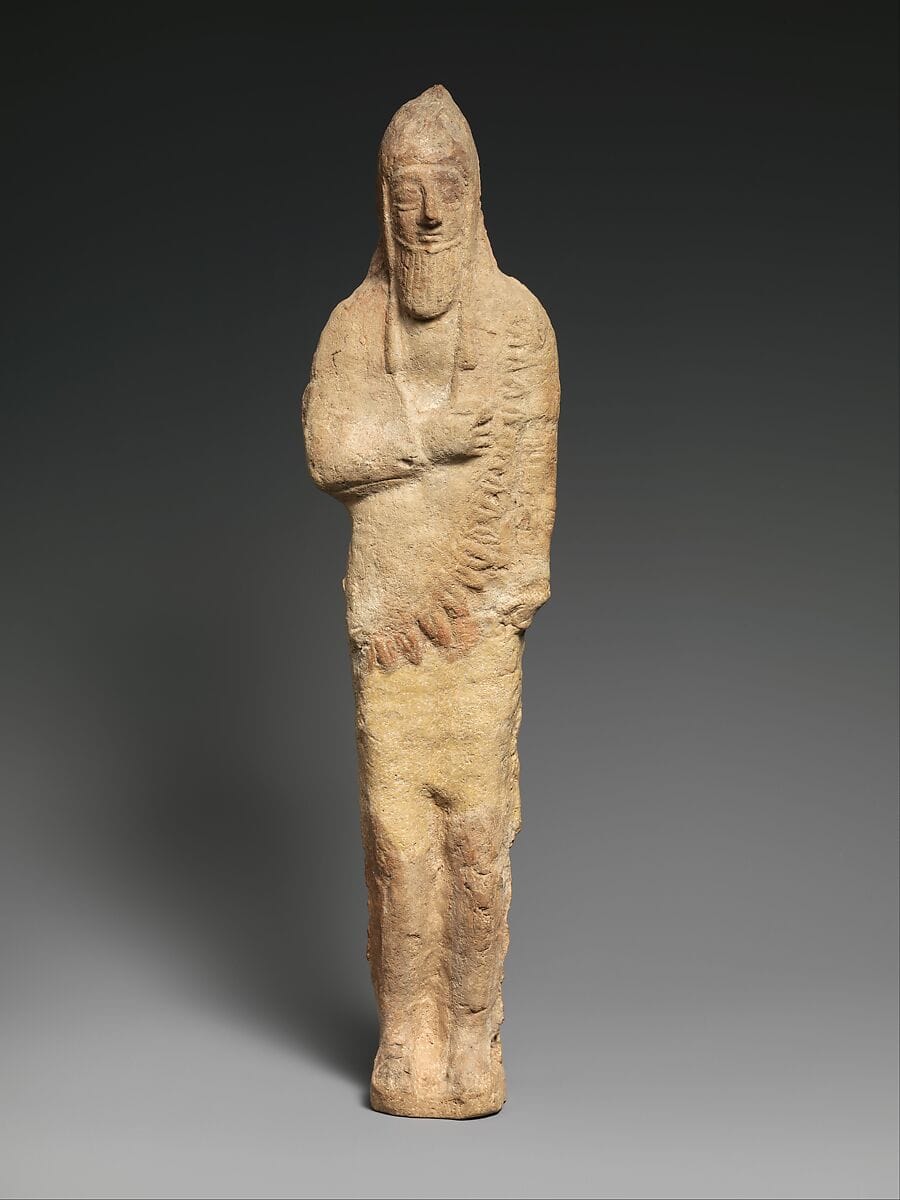
In the compendium
Neo-Assyrian Empire and Cyprus
The Mesopotamian empire to which the Cypriot kings submitted around 709 BCE, ruling them indirectly as tribute-paying clients.
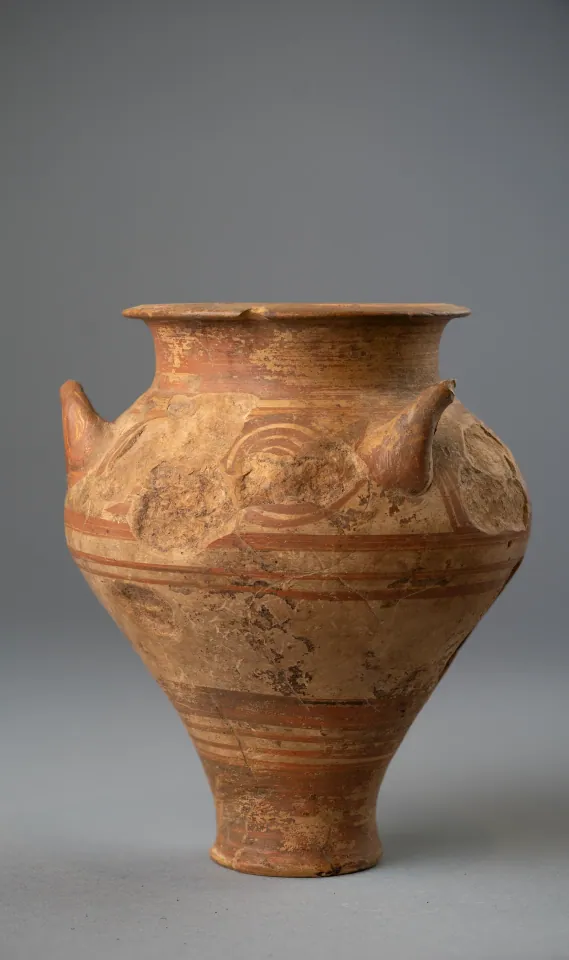
In the compendium
The Philistines
The 12th-century BCE newcomers to the southern Levantine coast, whose Aegean-style pottery, hearths and houses derive most directly from Cyprus.