
Reading path
Start here: Cyprus in ten pages
A first pass through the compendium, one period at a time, from the dwarf hippos of the Pleistocene to the end of the city-kingdoms. Each page links out to the objects, sites and ideas it touches, so you can branch off whenever something catches your eye. The Hellenistic and Roman pages carry the story on from where this route stops.
Introductory · 10 steps · 2 hr
Start reading →Step 1 · Chronology · 10 min read
The Chronology of Ancient Cyprus
The whole sequence at a glance, with the pottery, stratigraphy and radiocarbon behind the period names that follow.
The sequence of periods used for ancient Cyprus from the Epipalaeolithic to the Roman period, and the pottery, stratigraphy and radiocarbon behind it.
Step 2 · Chronology · 15 min read
Cyprus Before Humans: Dwarf Hippos, Dwarf Elephants and the First Visitors
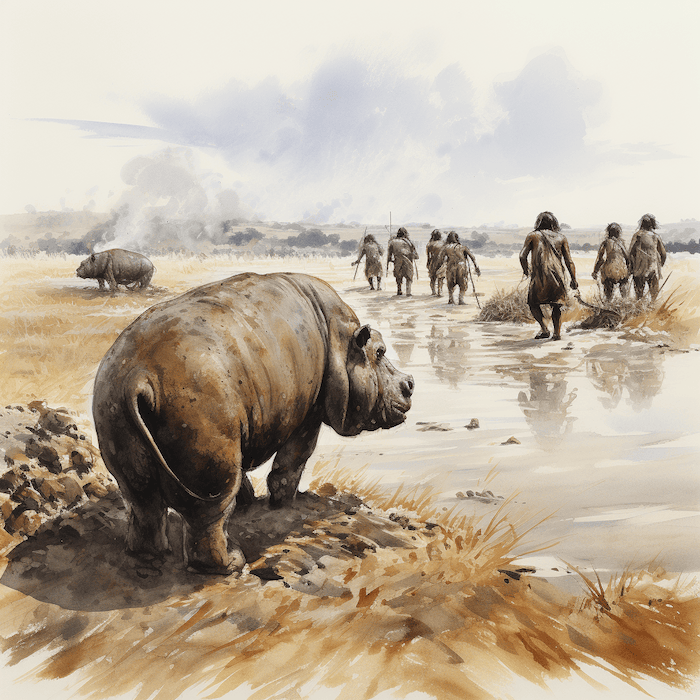
Before any people: an island of dwarf hippos and dwarf elephants, and the first human visitors at Akrotiri-Aetokremnos.
Pleistocene Cyprus, an oceanic island of dwarf hippos, dwarf elephants, a genet and an endemic mouse, and its first human visitors at Akrotiri-Aetokremnos.
Step 3 · Chronology · 11 min read
Neolithic Cyprus
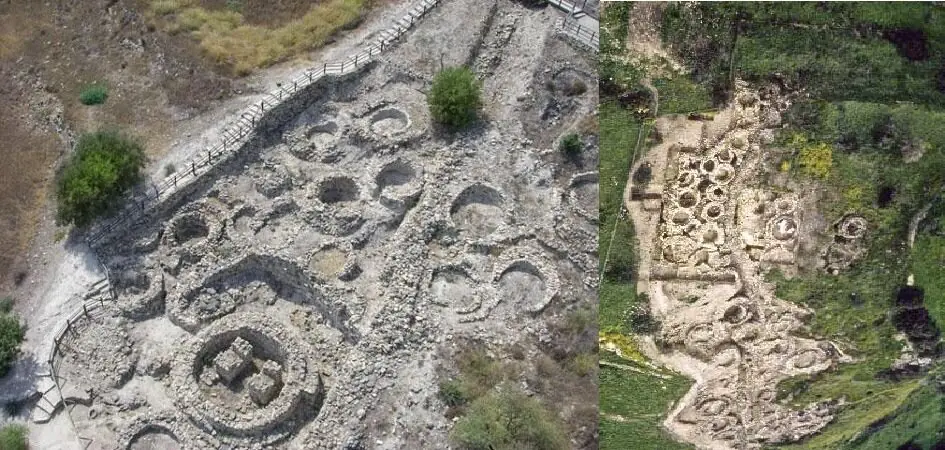
Farmers cross from the mainland, build villages of circular houses, and much later take up pottery.
The period c. 9000–3900 BCE in which farmers from the mainland settled Cyprus, built villages of circular houses, and later adopted pottery.
Step 4 · Chronology · 11 min read
Chalcolithic Cyprus
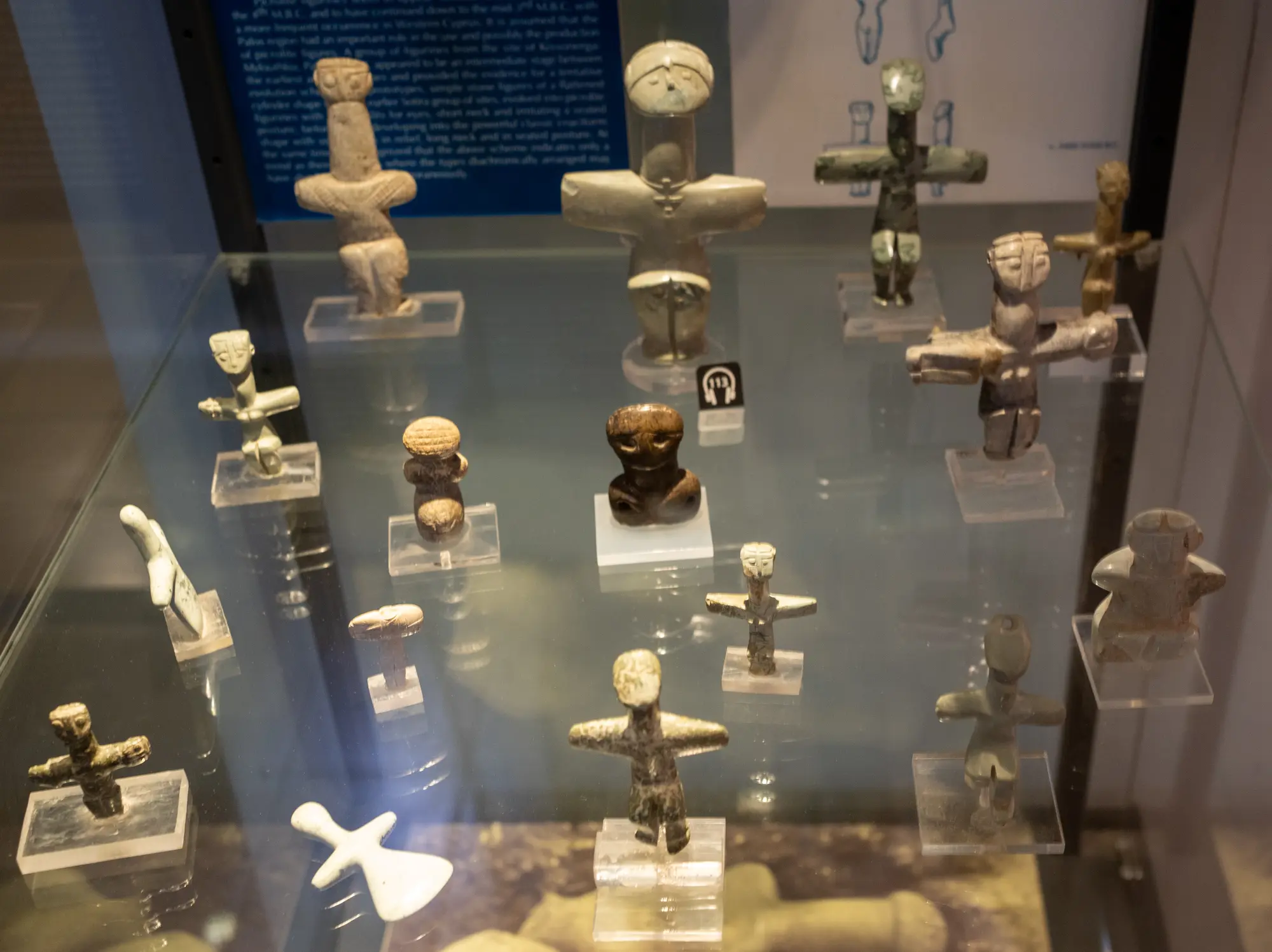
Circular villages again, now with Red-on-White pottery, picrolite cruciform figures and the first small-scale copper working.
The period c. 3900–2500 BCE of circular villages, Red-on-White pottery, picrolite cruciform figures and the island's first small-scale copper working.
Step 5 · Chronology · 10 min read
Early Bronze Age Cyprus
The Bronze Age opens with the Philia phase: rectilinear villages, Red Polished pottery and chamber-tomb cemeteries.
The period c. 2500–1950 BCE, from the Philia phase through Early Cypriot I–III, of rectilinear villages, Red Polished pottery and chamber-tomb cemeteries.
Step 6 · Chronology · 11 min read
Middle Bronze Age Cyprus
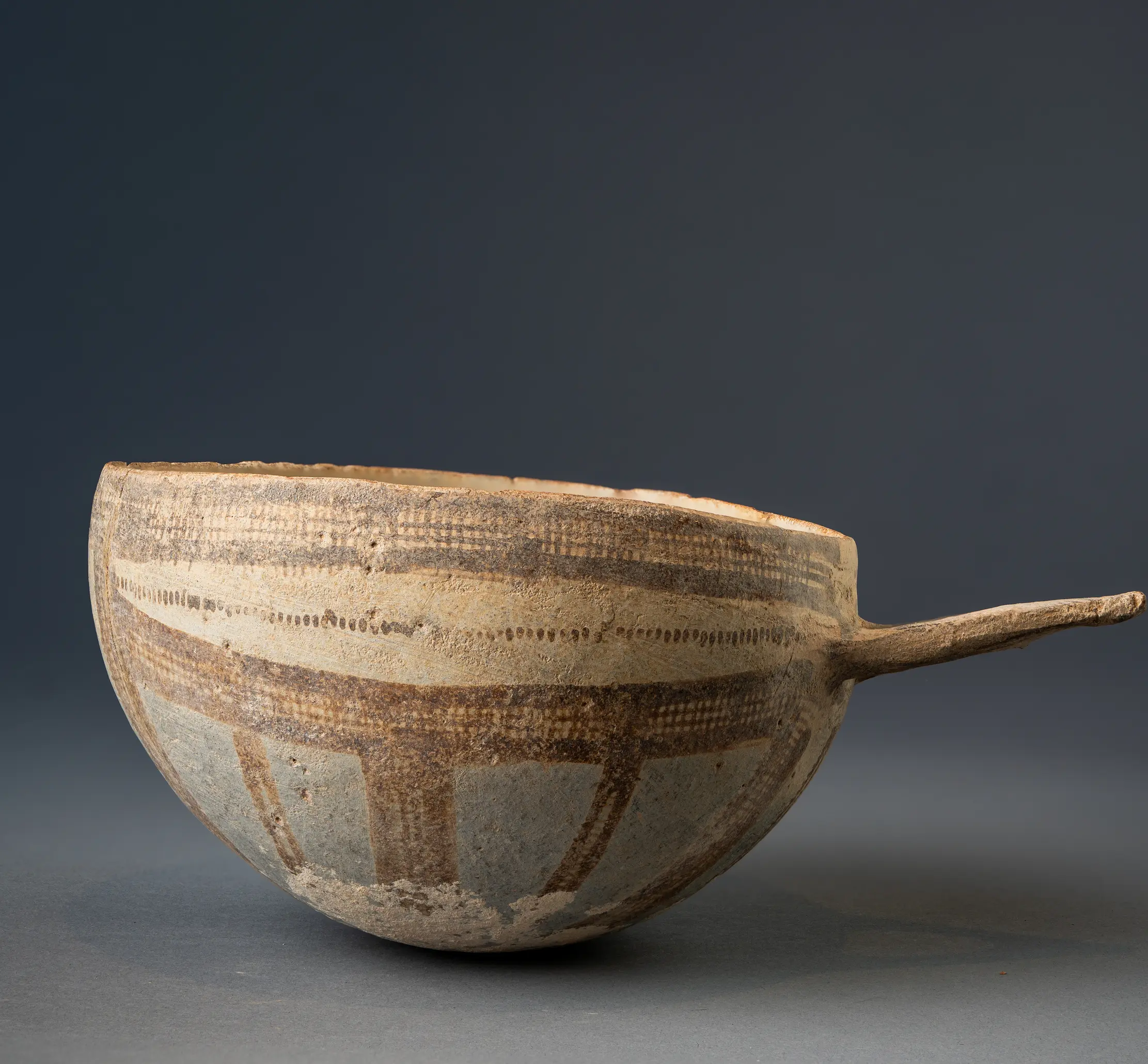
Multi-roomed village houses, White Painted pottery, growing copper production and the island's first overseas trade.
The Middle Cypriot period, c. 1950–1650 BCE, of multi-roomed village houses, White Painted pottery, growing copper production and the first overseas trade.
Step 7 · Chronology · 11 min read
Late Bronze Age Cyprus
Copper exports turn Cyprus into an urban, literate trading power, until the crisis around 1200 BCE.
The Late Cypriot period, c. 1650–1050 BCE, when copper exports made Cyprus an urban, literate trading power before the crisis around 1200 BCE.
Step 8 · Chronology · 11 min read
Cypro-Geometric Cyprus
The Early Iron Age: new dromos tombs, early ironworking, the Cypriot Syllabary and the debated origins of the kingdoms.
The Early Iron Age of Cyprus, c. 1050–750 BCE, of new dromos tombs, early ironworking, the Cypriot Syllabary and the debated origins of the city-kingdoms.
Step 9 · Chronology · 11 min read
Cypro-Archaic Cyprus
The city-kingdoms under Assyrian, Egyptian and Persian overlords, with rural sanctuaries and regional pottery styles.
The age of the Cypriot city-kingdoms, c. 750–475 BCE, under Assyrian, Egyptian and Persian overlordship, with rural sanctuaries and regional pottery styles.
Step 10 · Chronology · 20 min read
Cypro-Classical Cyprus
The last phase of the kingdoms under loose Persian rule, ending when Ptolemy I abolished the kings.
The last phase of the Cypriot city-kingdoms, c. 480–310 BCE, under loose Persian overlordship, ending when Ptolemy I abolished the kings.
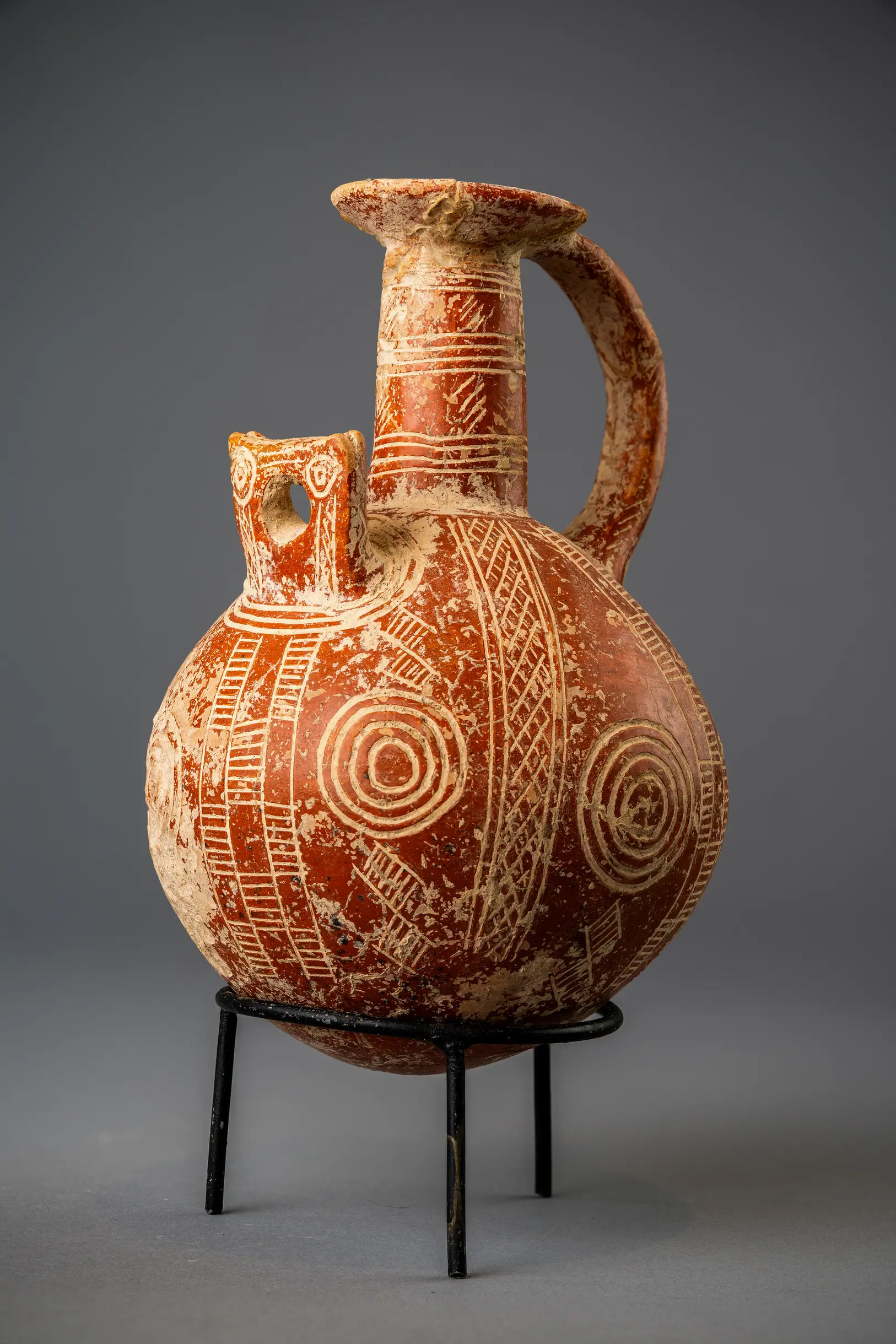
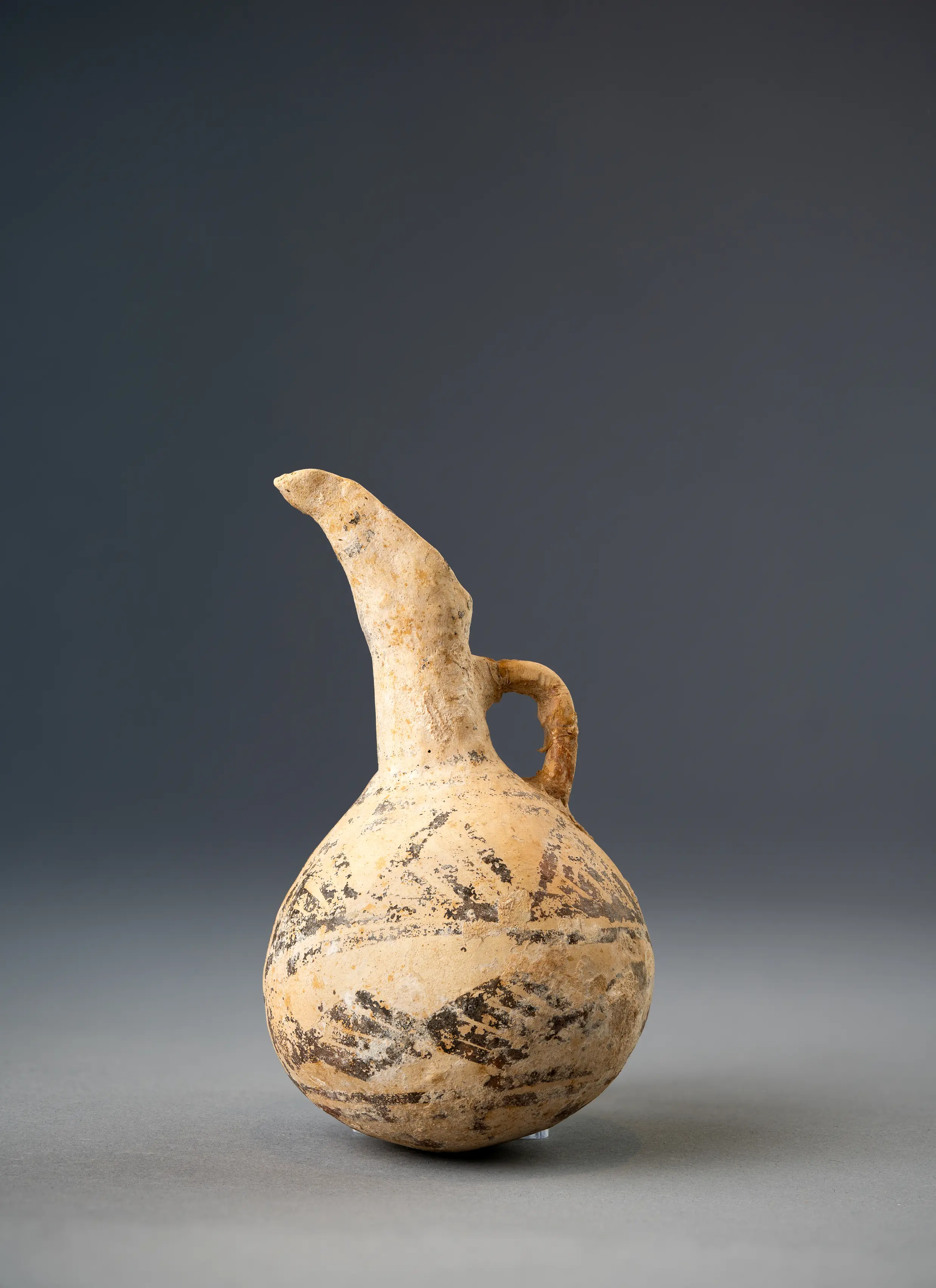
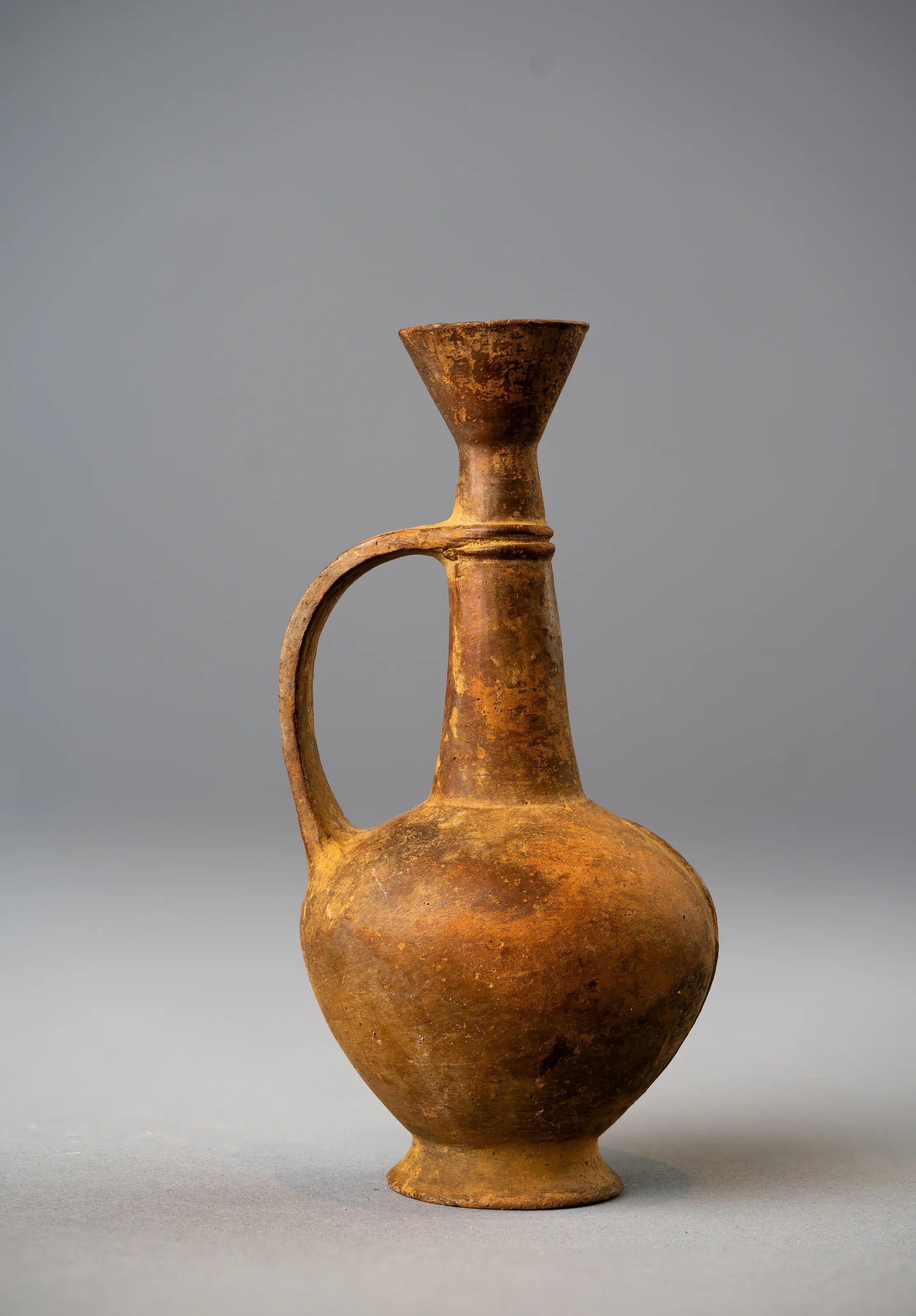
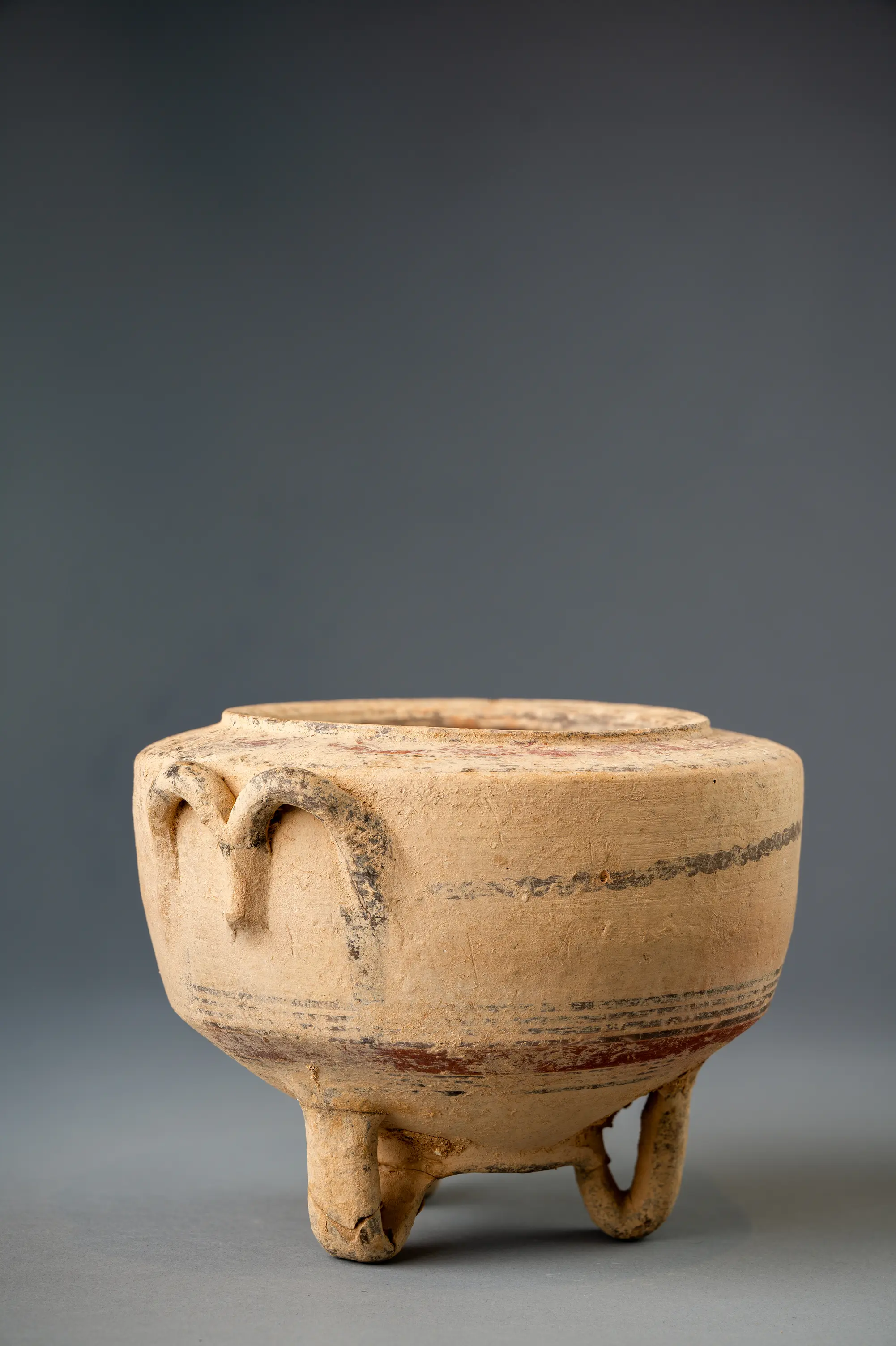
Start with The Chronology of Ancient Cyprus →
Other reading paths
- Copper islandHow the Troodos ores shaped Cyprus, from hammered native copper to oxhide ingots and Roman mines.
- Reading Cypriot potteryHow to tell the island's main wares apart, from Red Polished to Black-on-Red.
- Shapes and motifsBowls, jugs and amphorae, and the circles, lotuses and single figures painted on them.
- Gods, graves and offeringsHow Cypriots buried their dead and what they gave their gods, from house burials to sanctuaries.
- Cyprus and its neighboursEgypt, Ugarit, Crete, Mycenae, Phoenicia and the empires, in the order Cyprus came to know them.
- Everyday lifeHouses, food, cloth and health in the farming villages where most Cypriots lived.
- Figures and statuesFrom small Neolithic stone figures to the painted limestone votaries of the Archaic sanctuaries.
- Kingdoms of the Iron AgeHow the Cypriot city-kingdoms rose, wrote, fought, paid tribute and finally lost their kings.
- Collecting, looting and the lawHow Cypriot antiquities left the island, what changed in 1974, and what can be owned today.