
Reading path
Reading Cypriot pottery
Pottery is the most abundant thing found on Cypriot sites and the basis of the island's chronology. This route starts with how the wares were named, then follows the main families in order, from the red burnished pots of the Early Bronze Age to the painted wheelmade wares of the Iron Age. A short stop on firing explains why the wheel and the kiln matter to the story.
Introductory · 10 steps · 1 hr 55 min
Start reading →Step 1 · Pottery · 11 min read
The Pottery of Ancient Cyprus
An overview of Cypriot pottery from the Ceramic Neolithic onward, and why it underpins the island's chronology.
The pottery made and used in Cyprus from the Ceramic Neolithic onward, the island's most abundant artifact class and the basis of its chronology.
Step 2 · Pottery · 5 min read
Types of Ware
How the ware names were built up, why they confuse, and the main families set out in order.
The families of Cypriot pottery, grouped by clay, surface finish and decoration, from Neolithic Combed ware to Iron Age Black-on-Red.
Step 3 · Pottery · 11 min read
Red Polished Ware
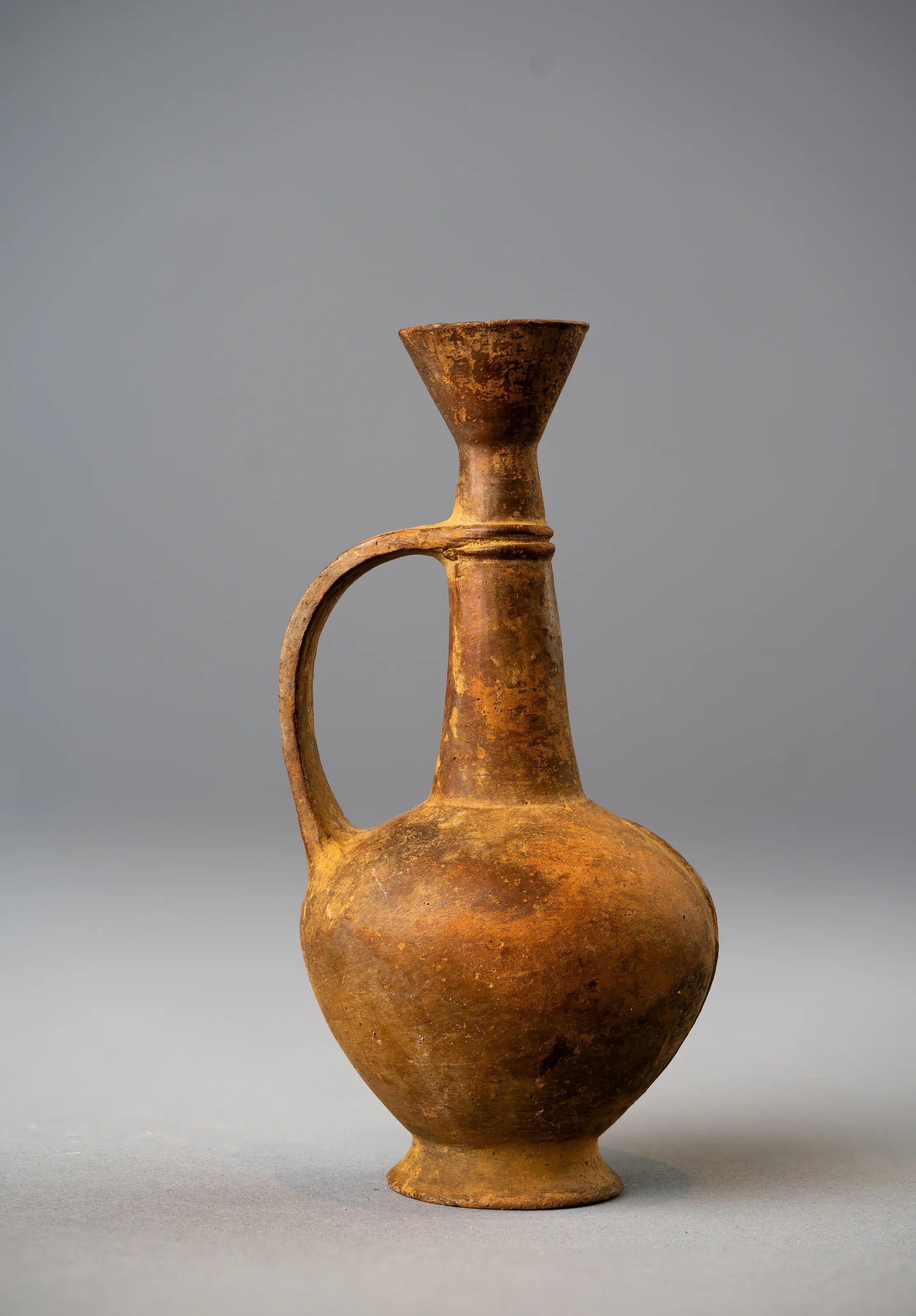
Now the pots themselves: the red, burnished handmade ware that dominated the Early and Middle Bronze Age.
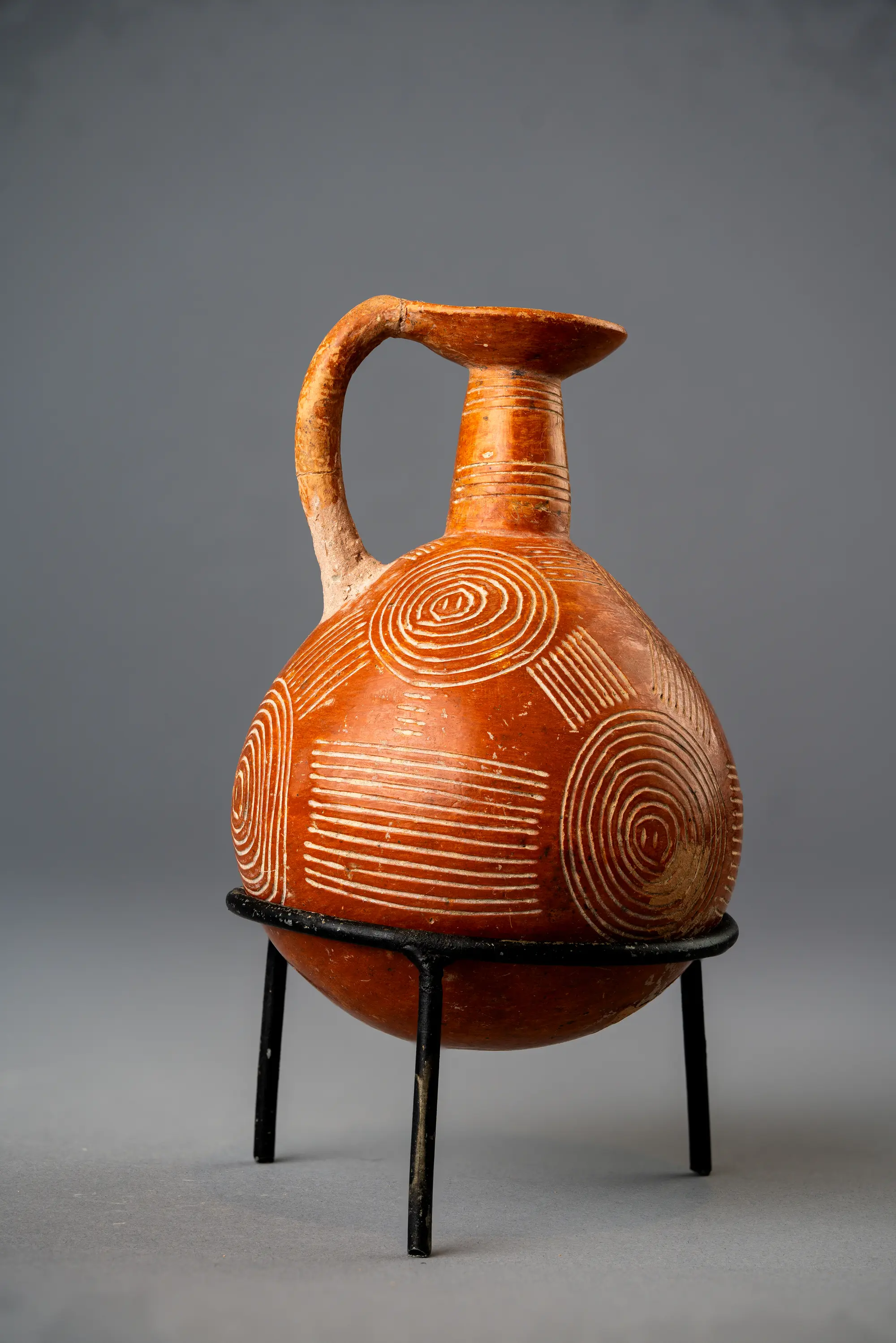
Red Polished is the hand-made, red-slipped and burnished pottery that dominated Cyprus in the Early and Middle Bronze Age.
Step 4 · Pottery · 14 min read
White Painted Ware
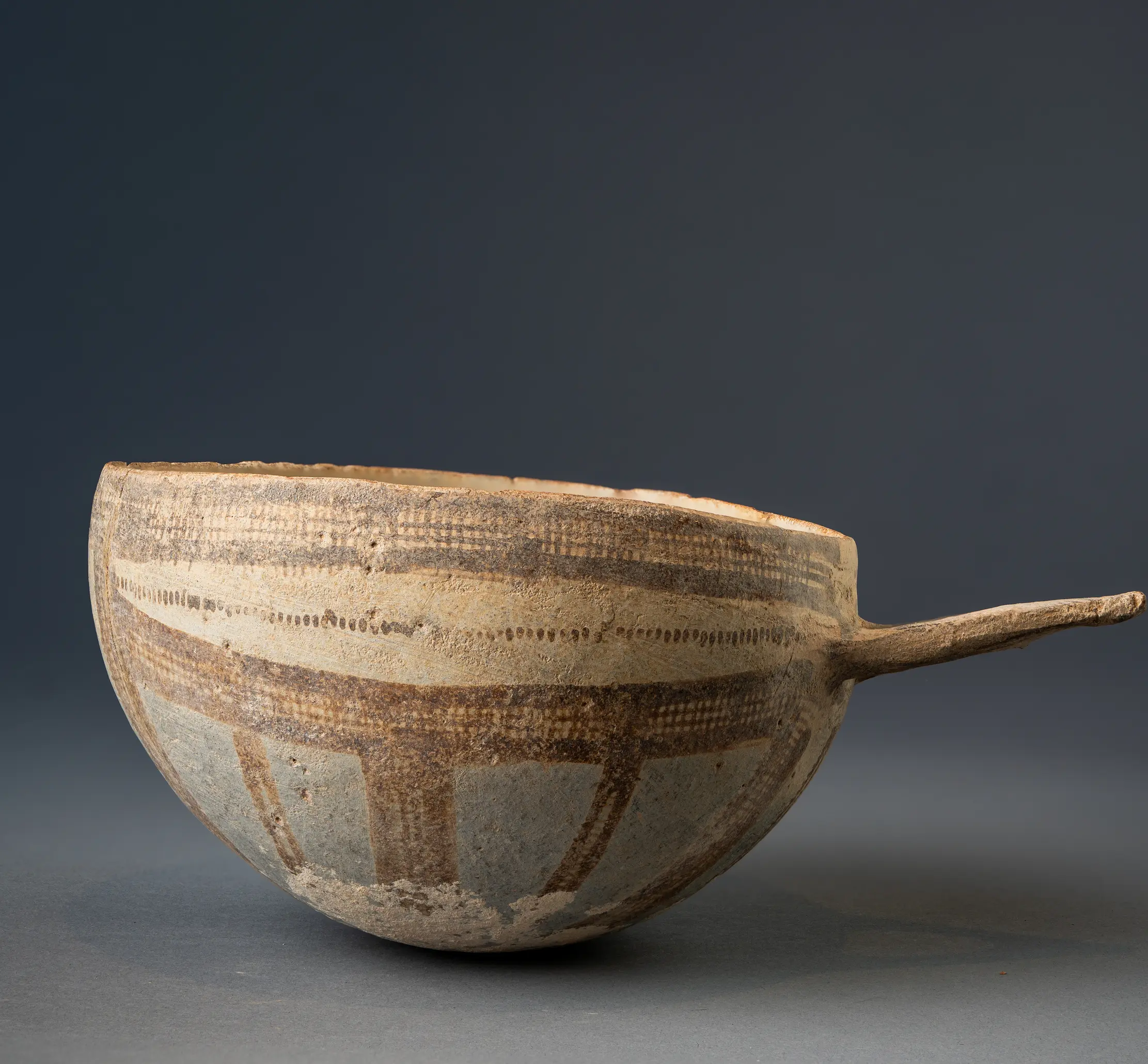
A pale slip painted with dark matt geometric motifs, flourishing in the Middle Bronze Age as WP I to VI.
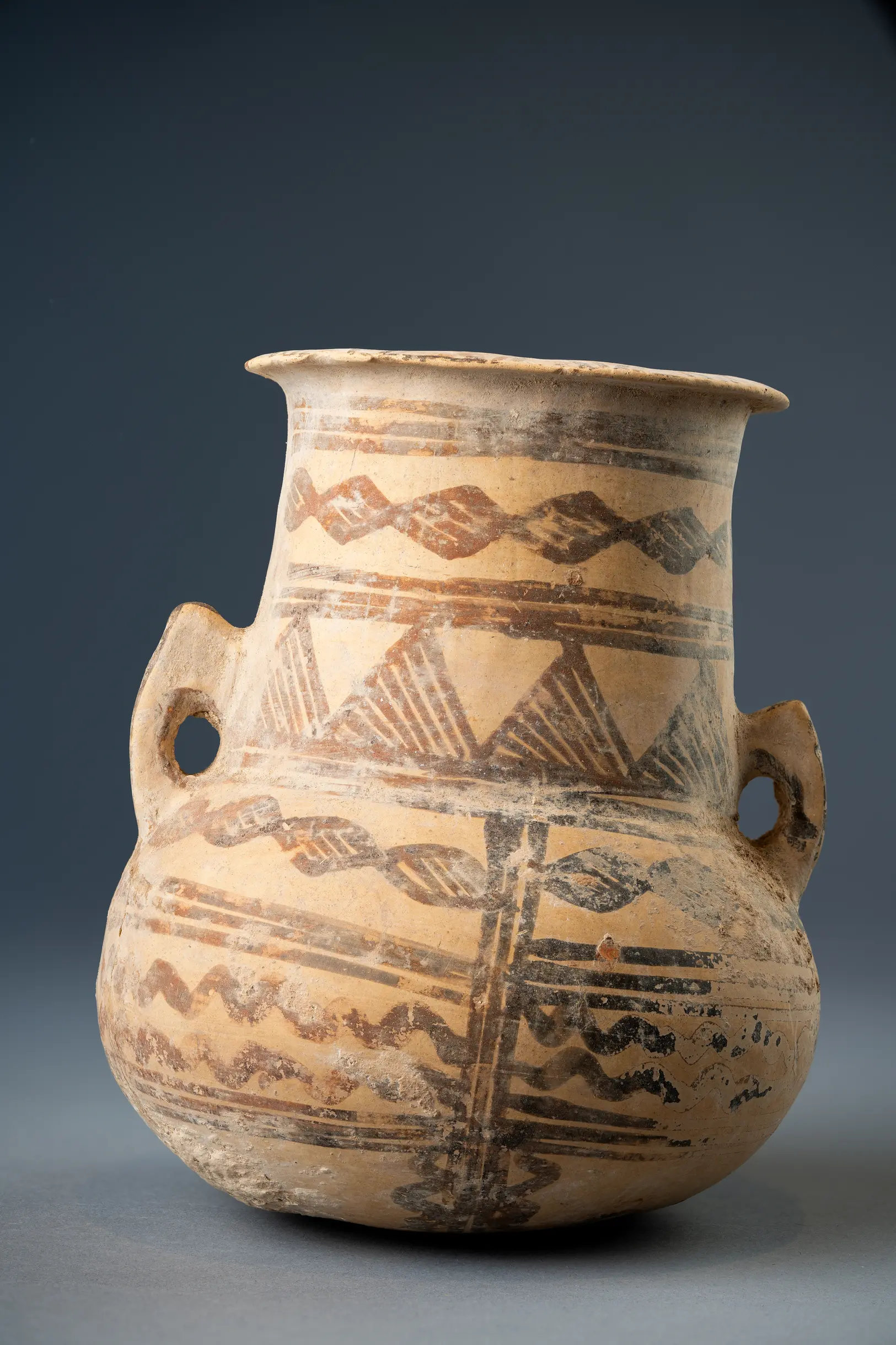
The hand-made, pale-slipped Bronze Age pottery of Cyprus painted with dark matt geometric motifs, flourishing in the Middle Bronze Age as WP I to VI.
Step 5 · Tools & Technologies · 15 min read
Pottery Kilns and Firing in Ancient Cyprus
A step back to technique: open fires and pits until the Late Bronze Age brought the first kilns and the wheel.
How Cypriot potters fired their wares, mostly in open fires and pits until the Late Bronze Age, when the first kilns and the potter's wheel appear.
Step 6 · Pottery · 13 min read
Base Ring Ware
Thin-walled, handmade Late Bronze Age pottery whose dark lustrous surfaces imitate metal, exported as jugs and juglets.
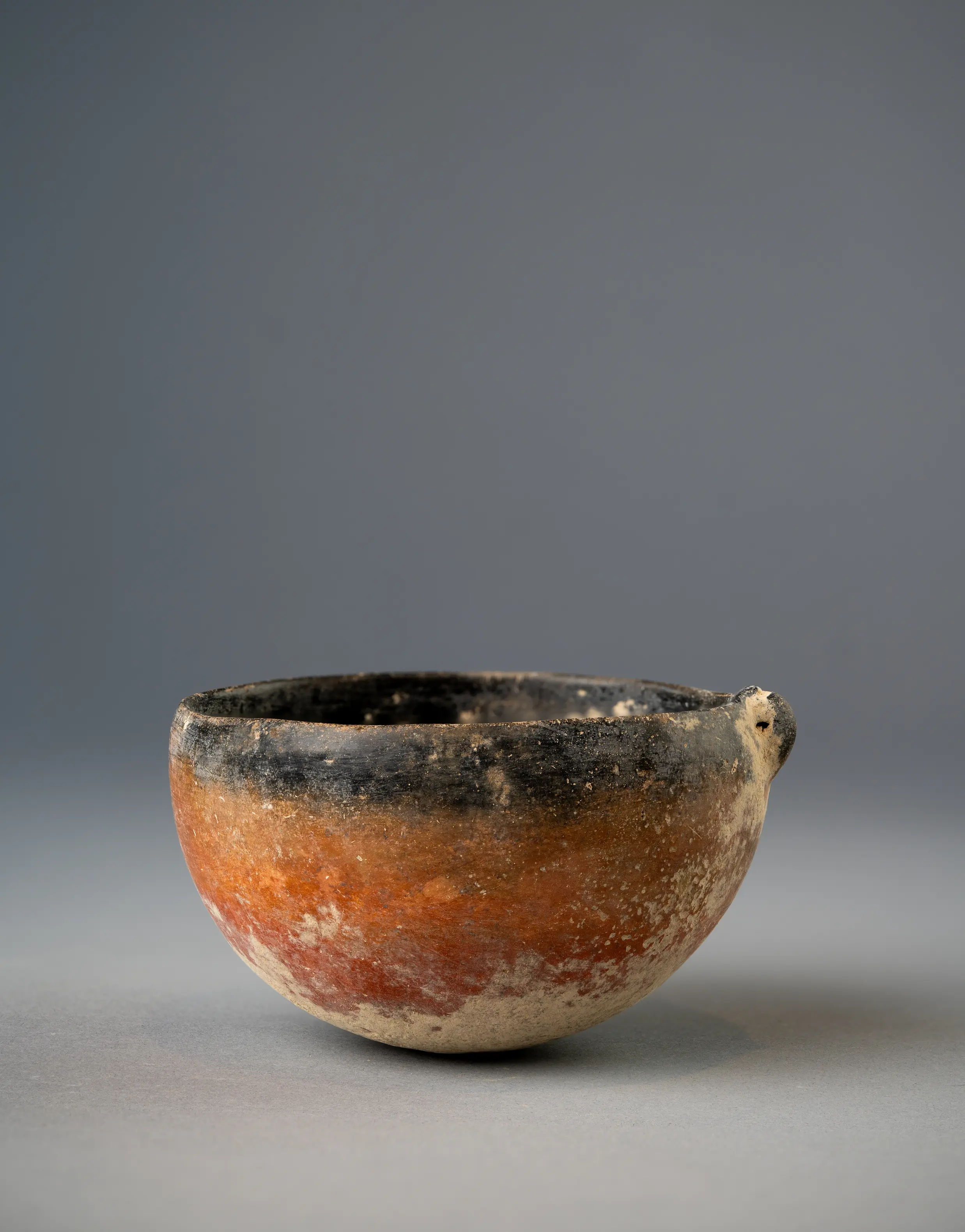
The thin-walled, hand-made Late Bronze Age pottery of Cyprus with dark lustrous surfaces imitating metal, widely exported as jugs and juglets.
Step 7 · Pottery · 12 min read
White Slip Ware
Its companion at table: a thick white slip with dark painted decoration, mostly on hemispherical bowls, widely exported.
The hand-made Late Bronze Age tableware with a thick white slip and dark painted decoration, mostly hemispherical bowls, widely exported from Cyprus.
Step 8 · Pottery · 15 min read
From Bronze to Iron: Cypriot Pottery c. 1300–950 BCE
Between c. 1300 and 950 BCE the handmade Base Ring and White Slip give way to wheelmade White Painted and Bichrome.
The change in Cypriot fine pottery between c. 1300 and 950 BCE, from handmade Base Ring and White Slip to wheelmade White Painted and Bichrome.
Step 9 · Pottery · 11 min read
Bichrome Ware
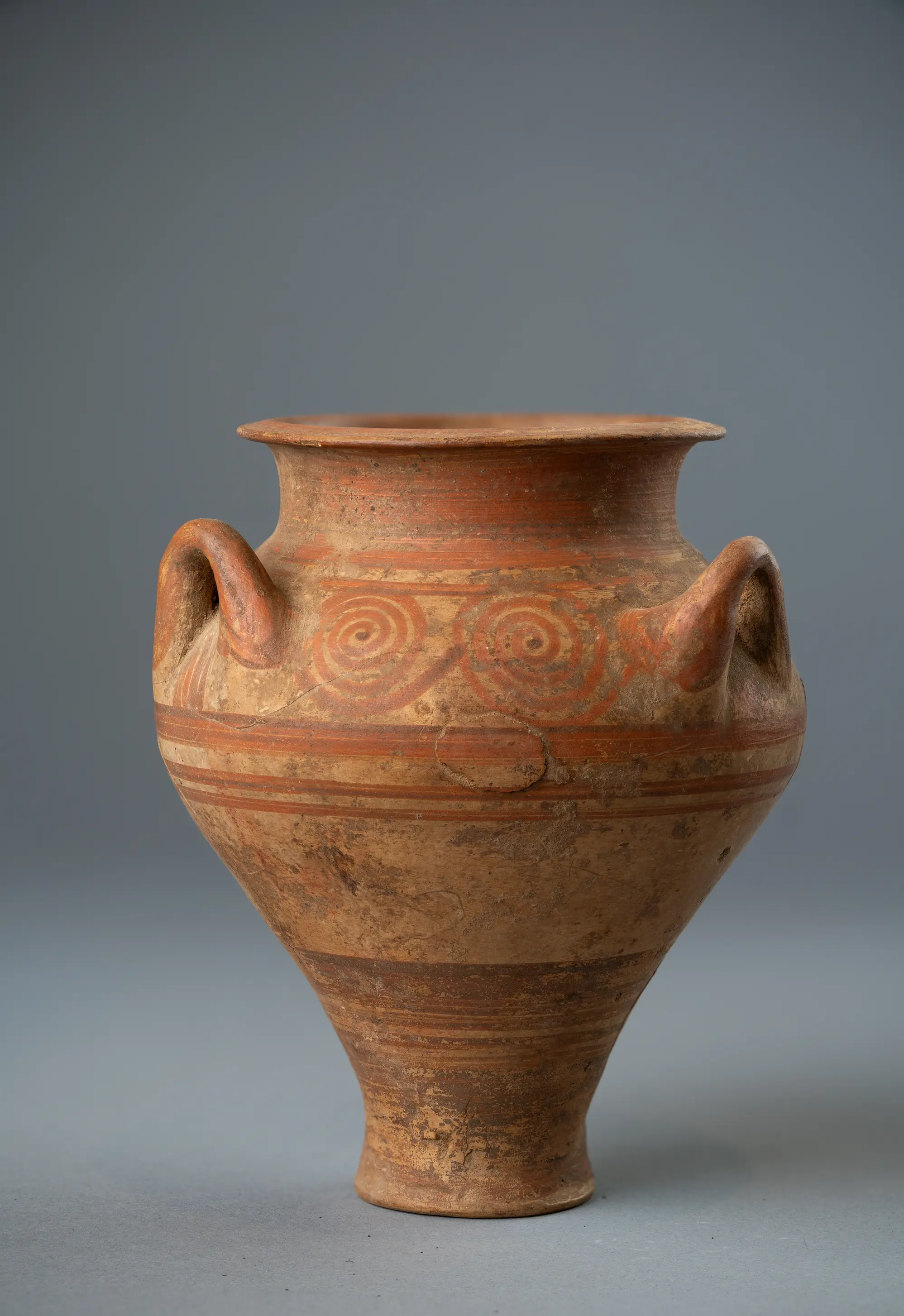
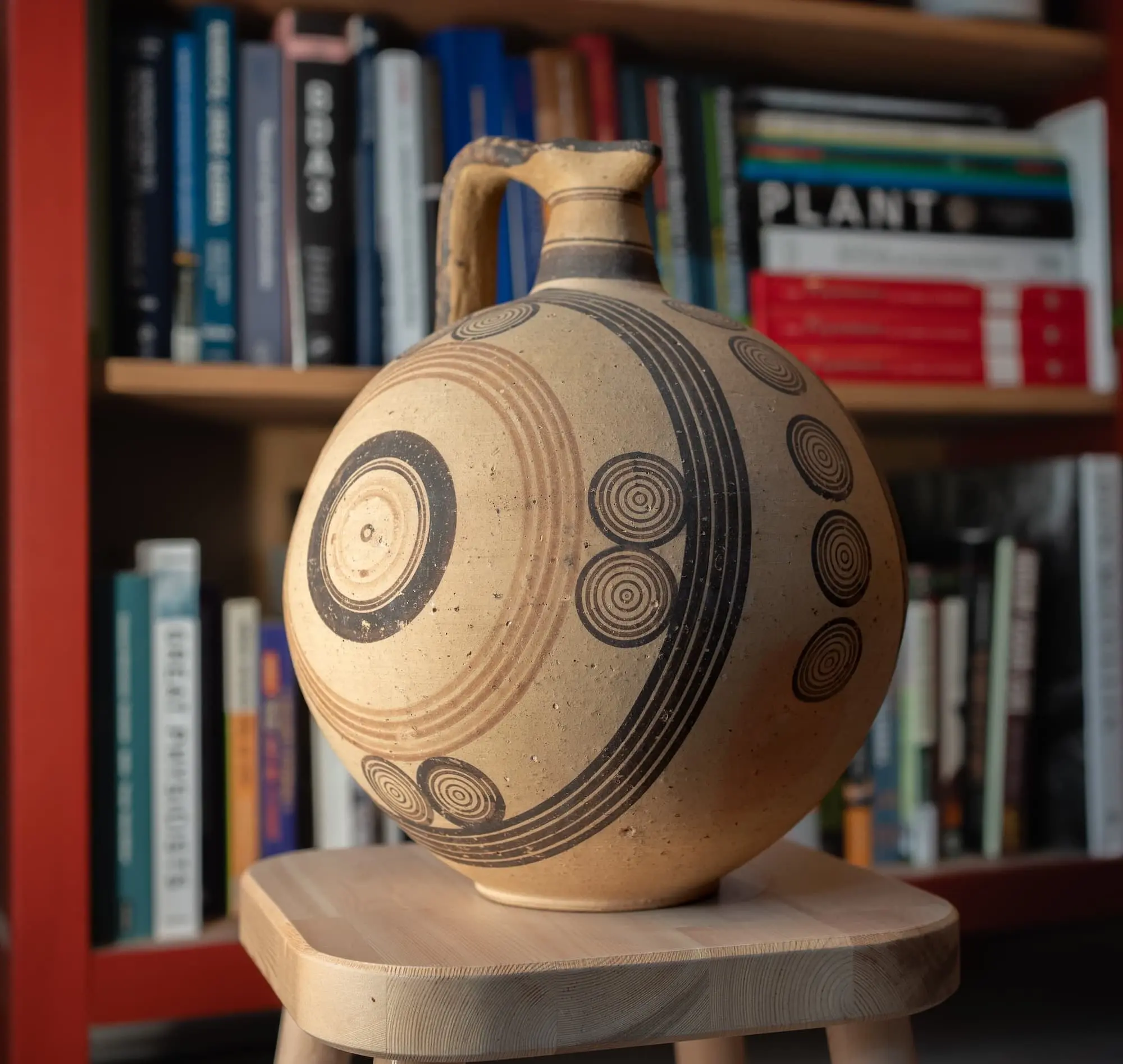
Black and red paint on a light surface, first a Late Bronze Age export ware and later a long-lived Iron Age class.
Bichrome is Cypriot pottery painted in black and red on a light surface, first a Late Bronze Age export ware and later a long-lived Iron Age class.
Step 10 · Pottery · 10 min read
Black-on-Red Ware
The route ends in the Iron Age: black geometric decoration on a burnished red slip, widely exported from about 900 BCE.
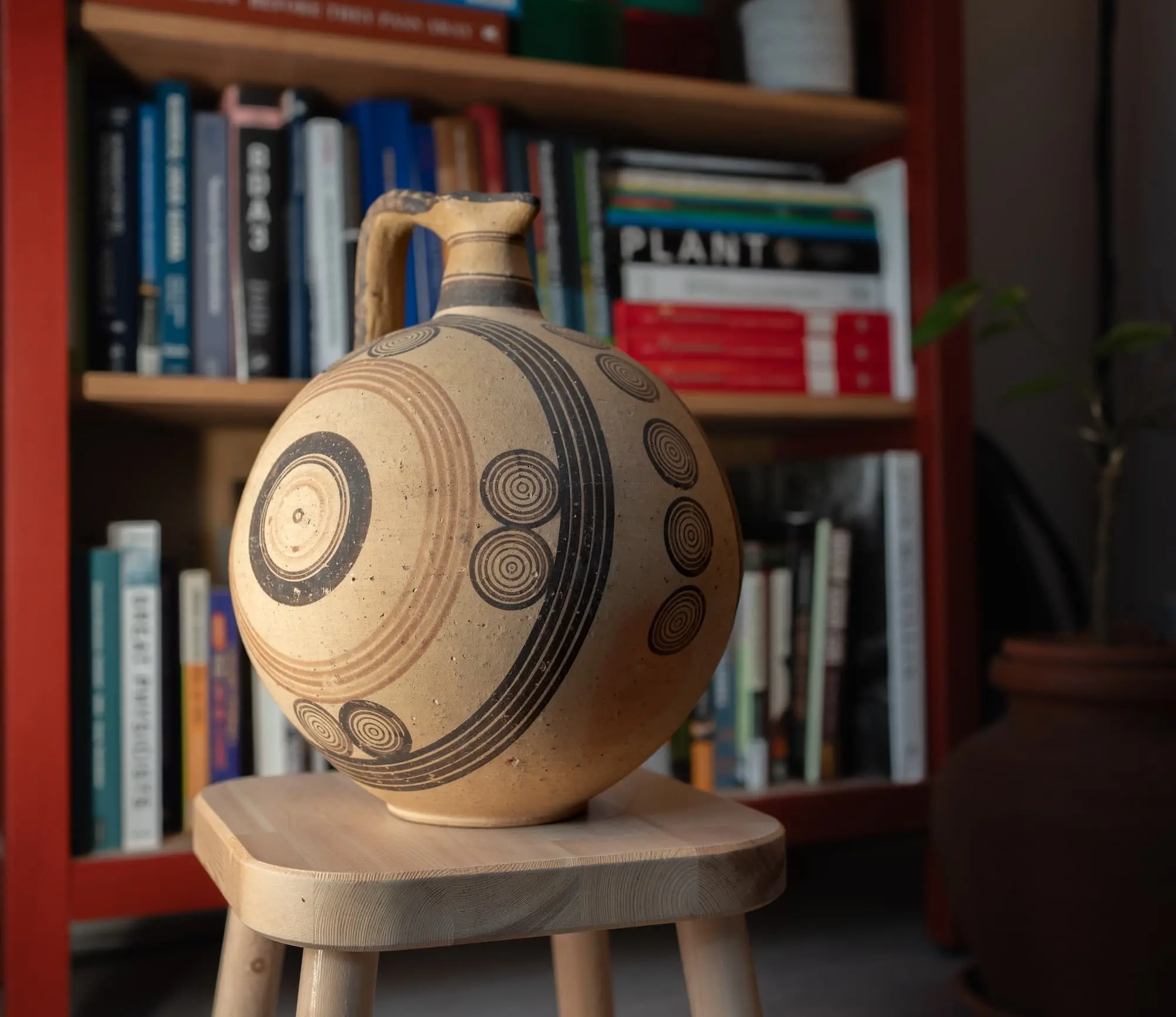
Black-on-Red is a Cypriot Iron Age wheel-made fine ware with black geometric decoration on a burnished red slip, widely exported from about 900 BCE.
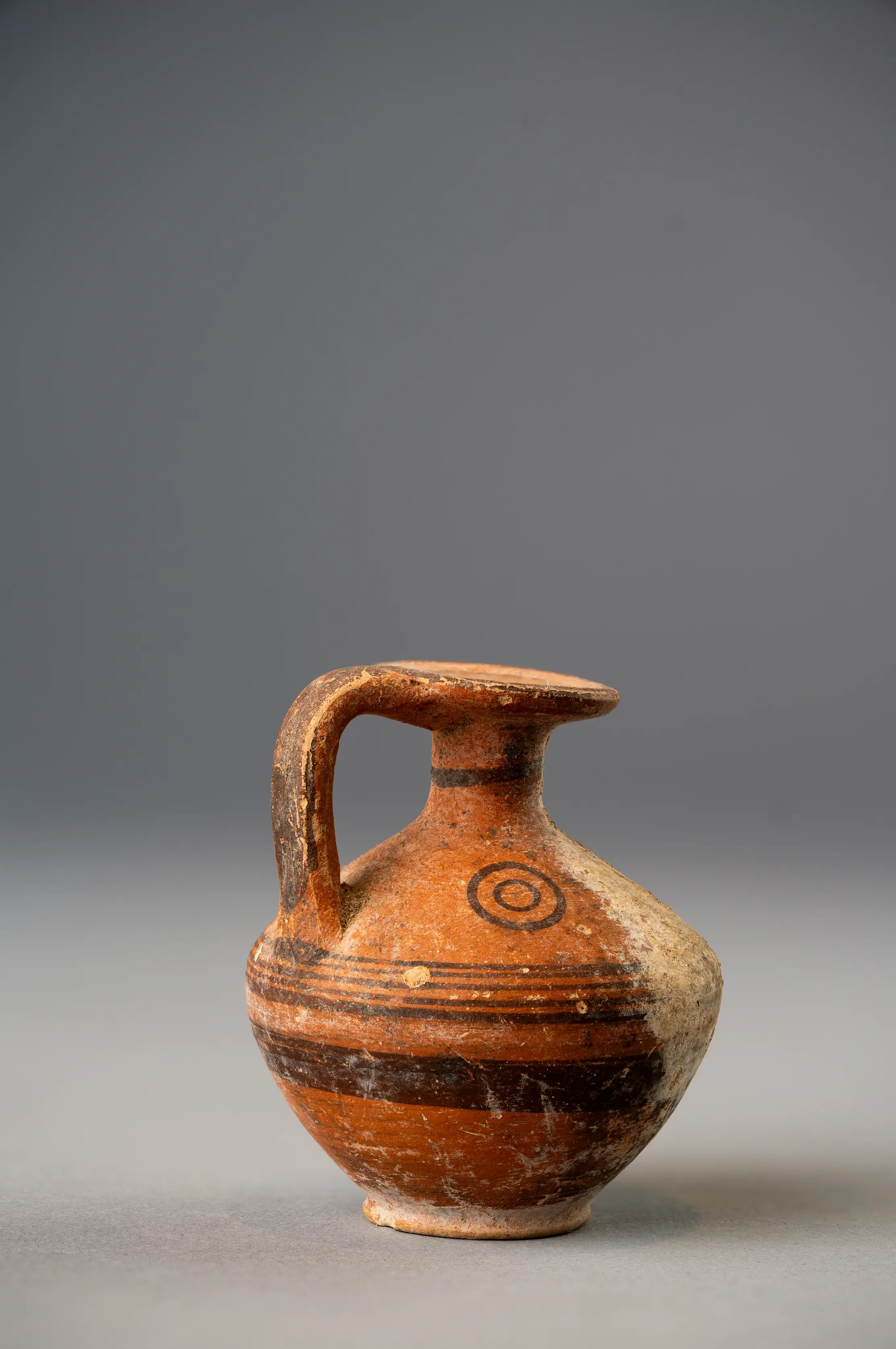
Start with The Pottery of Ancient Cyprus →
Other reading paths
- Start here: Cyprus in ten pagesOne page per period, from the island's first human visitors to the last Cypriot kings.
- Copper islandHow the Troodos ores shaped Cyprus, from hammered native copper to oxhide ingots and Roman mines.
- Shapes and motifsBowls, jugs and amphorae, and the circles, lotuses and single figures painted on them.
- Gods, graves and offeringsHow Cypriots buried their dead and what they gave their gods, from house burials to sanctuaries.
- Cyprus and its neighboursEgypt, Ugarit, Crete, Mycenae, Phoenicia and the empires, in the order Cyprus came to know them.
- Everyday lifeHouses, food, cloth and health in the farming villages where most Cypriots lived.
- Figures and statuesFrom small Neolithic stone figures to the painted limestone votaries of the Archaic sanctuaries.
- Kingdoms of the Iron AgeHow the Cypriot city-kingdoms rose, wrote, fought, paid tribute and finally lost their kings.
- Collecting, looting and the lawHow Cypriot antiquities left the island, what changed in 1974, and what can be owned today.