
Classical
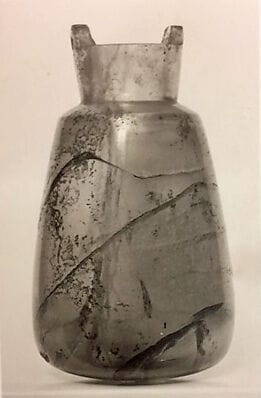
Rock crystal bottle
Craftsmen in Egypt and the Near East began making vessels out of rock crystal as early as the Early Bronze Age. The tradition was passed on to the great empires of the Classical world and persisted until late antiquity. The shapes of two of the examples (74.51.3599, 74.51.3600) are unusual and so are difficult to date. Despite their plain forms, they remain fine examples of the stonecutter's skill, for they are carved out of solid blocks of crystal. Above all, it was the almost transparent quality of the rock crystal that made such vessels highly prized luxury objects. H.: 4 3/8 in. (11.1 cm)
Classification
- Object type
- Stone vessel
- Shape
- Bottle
- Material
- StoneSemi-precious stone
- Period
- probablyHellenistic and RomanHellenistic
- Date
- 499 - 100 BC
- Place of production
- probablyCyprus
Accession No.
74.51.3599
Collection
Provenance
- Said to be from Cyprus
References
- Cesnola, Luigi Palma di. 1903. A Descriptive Atlas of the Cesnola Collection of Cypriote Antiquities in the Metropolitan Museum of Art, New York, Vol. 3. pl. LXXV, 1, Boston: James R. Osgood and Company.Myres, John L. 1914. Handbook of the Cesnola Collection of Antiquities from Cyprus. no. 3599, New York: The Metropolitan Museum of Art.Oliver, Andrew. 1973. "Rock Crystal Vessels in Antiquity." Muse : Annual of the Museum of Art and Archaeology, University of Missouri, Columbia, 7: pp. 30-31.
More from the Catalogue
Browse related objects
Three Diminutive Cypriot Hellenistic Bottles
Hellenistic
Terracotta bottle
Middle Bronze Age II
Bottle
Classical
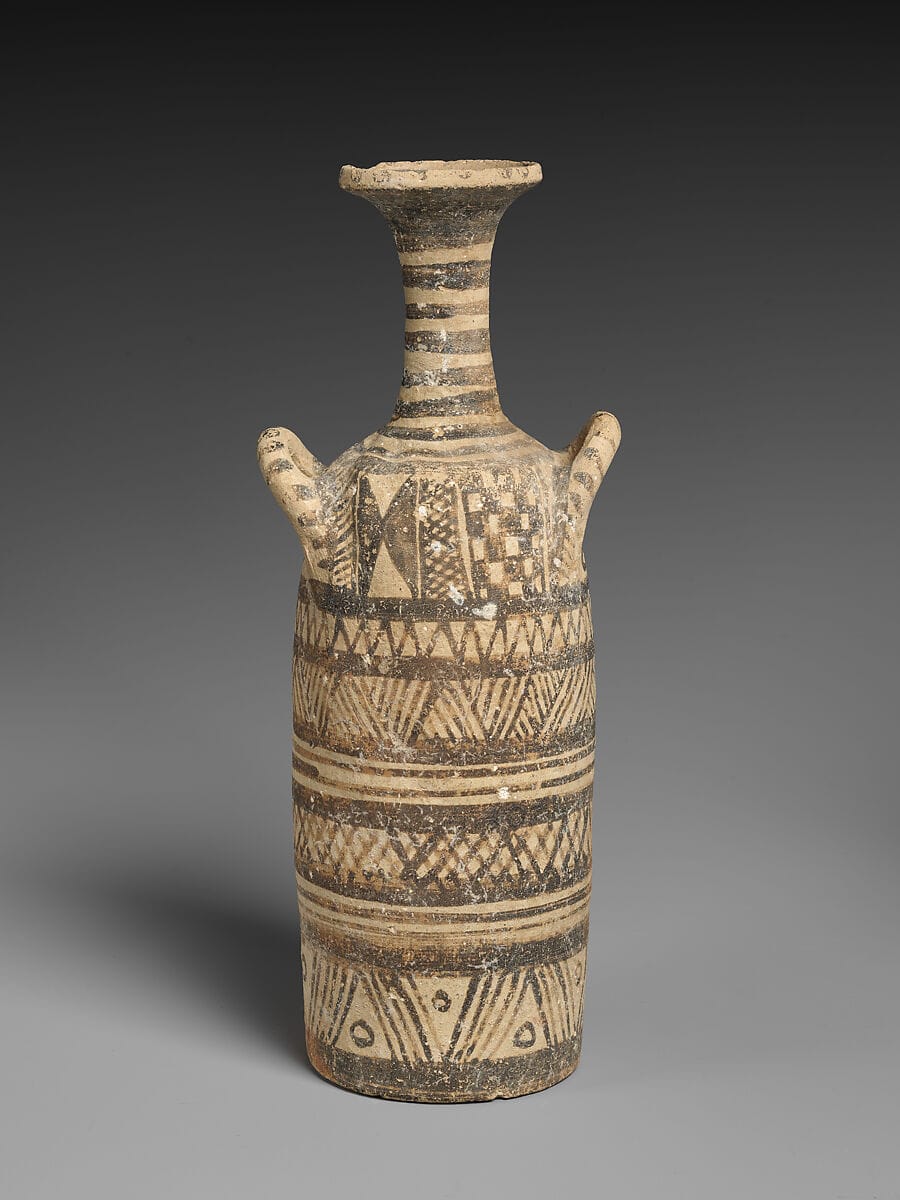
Terracotta bottle
Late Bronze Age III
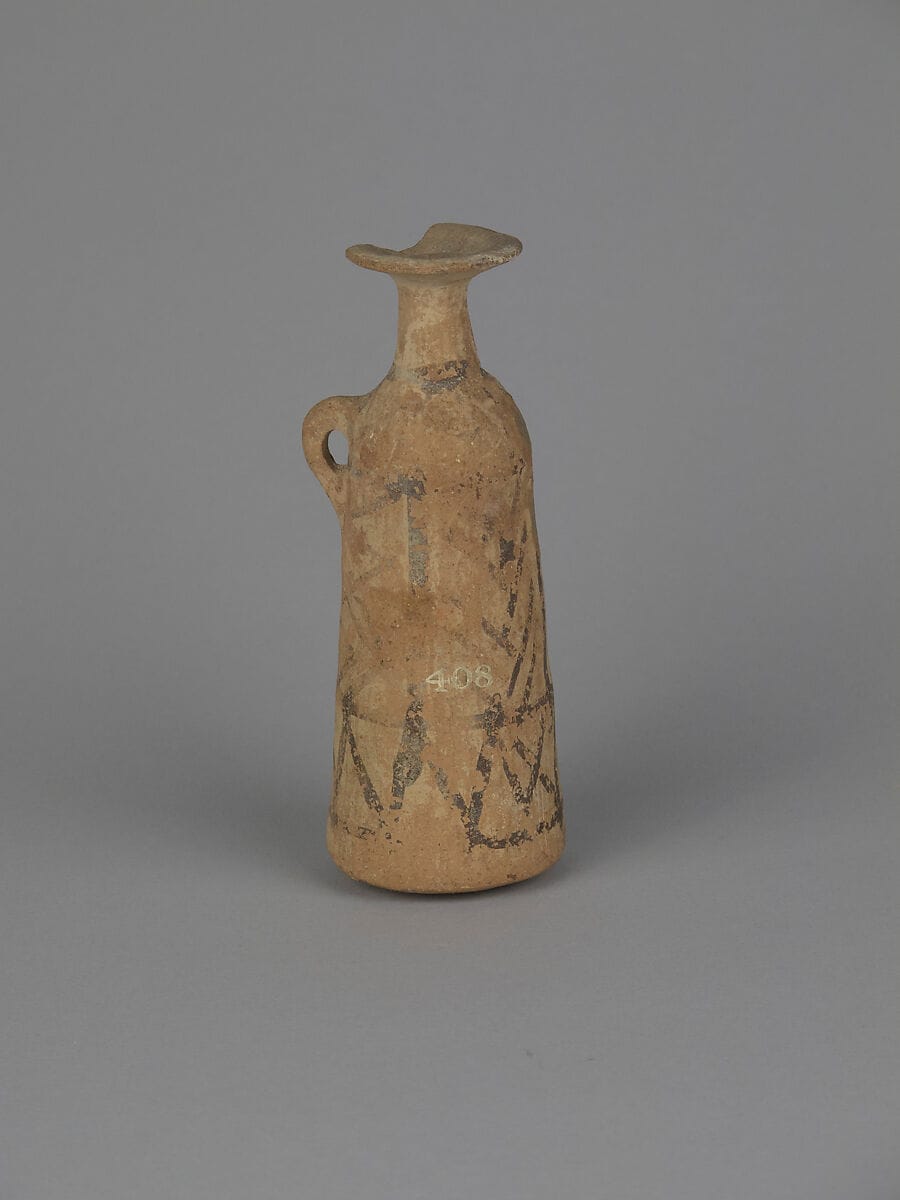
Bottle
Late Bronze Age III
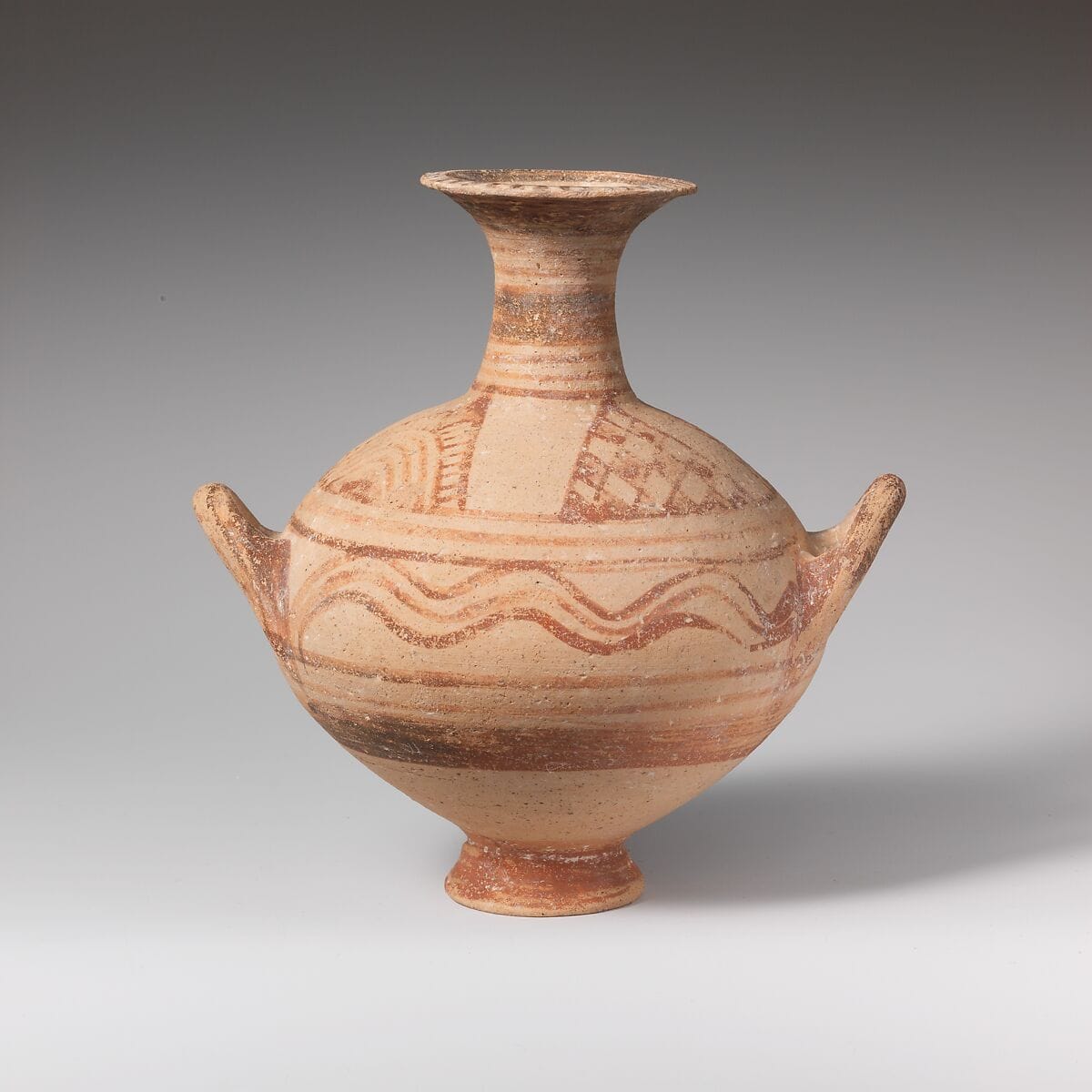
Terracotta globular bottle with two handles
Late Bronze Age III
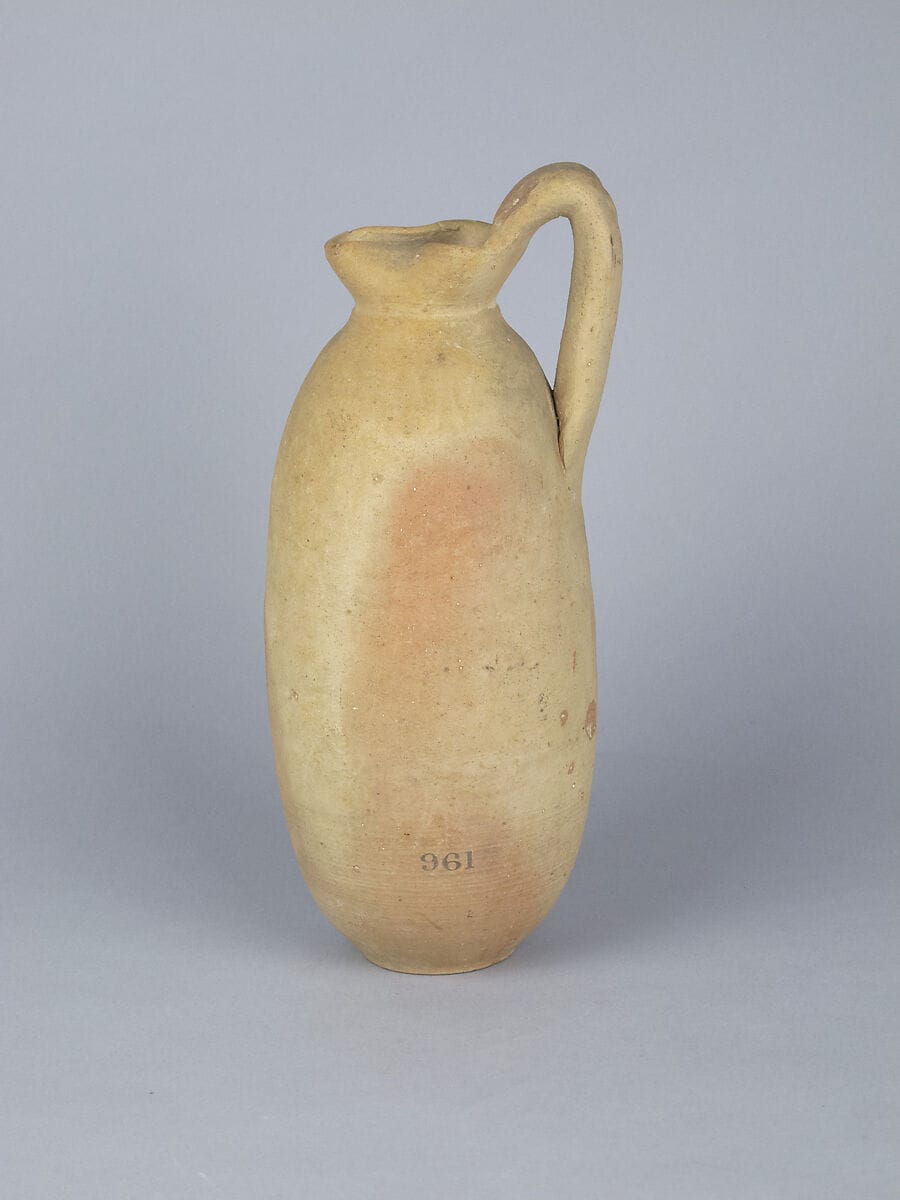
Jug
Archaic II
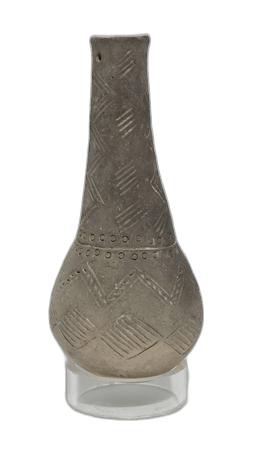
Black Polished Bottle
Early Bronze Age II
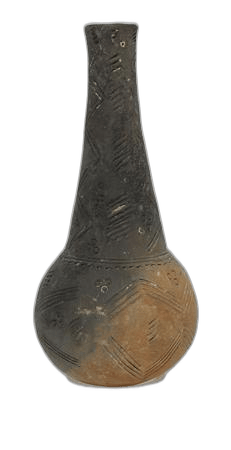
Red Polished Bottle
Early Bronze Age II
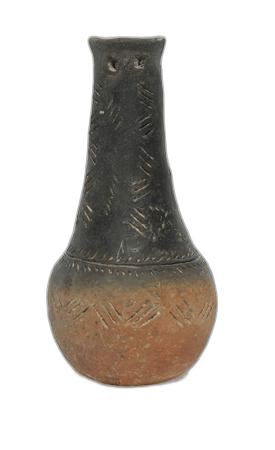
Red Polished Bottle
Early Bronze Age II
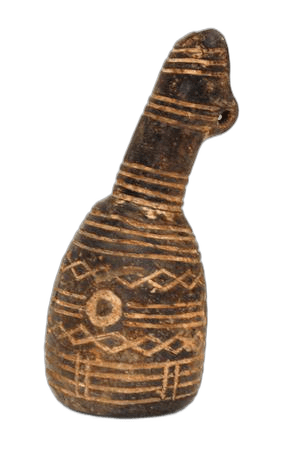
Black Polished Miniature Bottle
Middle Bronze Age I
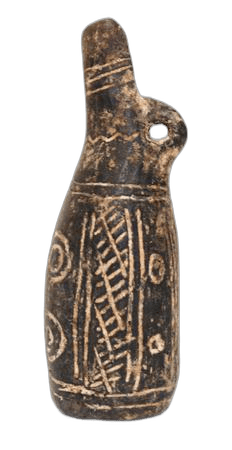
Black Polished Miniature Bottle
Middle Bronze Age I
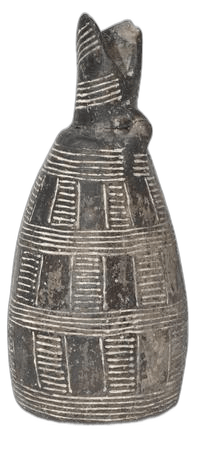
Black Polished Miniature Bottle
Middle Bronze Age I
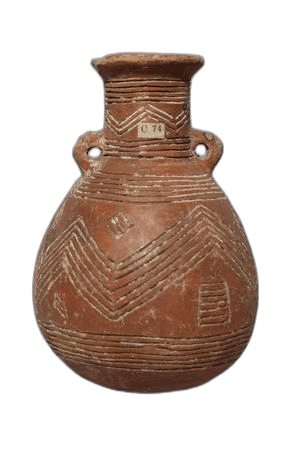
Red Polished Miniature Bottle
Middle Bronze Age II
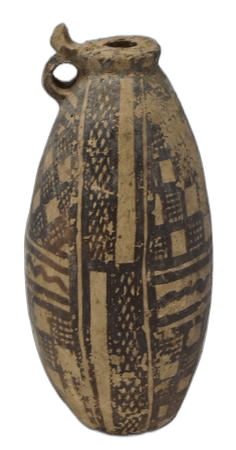
White Painted Bottle
Middle Bronze Age II
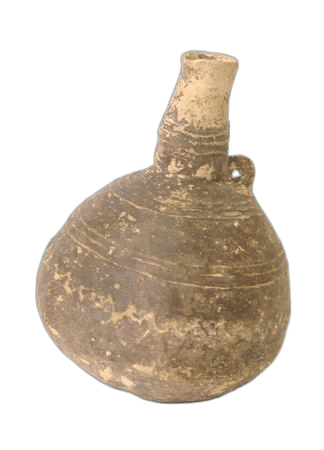
Black Slip II Bottle
Middle Bronze Age II
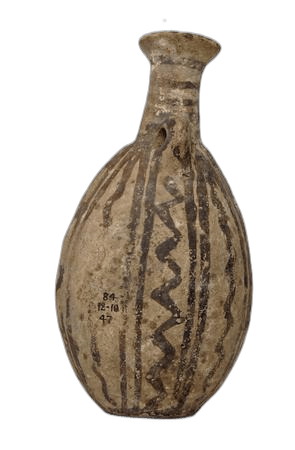
White Painted Pendent Bottle
Middle Bronze Age II
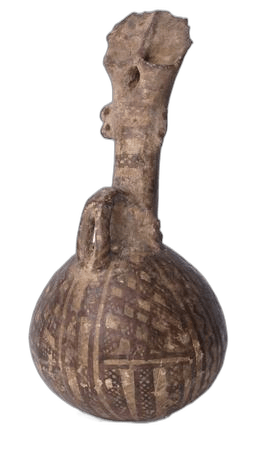
White Painted String-hole Bottle
Middle Bronze Age II