
Museums·Roundup
This Week in Cypriot Archaeology: 6–12 July 2026
The Kourion museum at Episkopi will close from 1 August for upgrade works, and the Department of Antiquities mourns its former chief foreman, the stonemason Andreas Kallis.



The local museum of finds from Kourion, at Episkopi, is to close for upgrade works from 1 August, and the Department of Antiquities mourned Andreas Kallis, the stonemason who rose from labourer in 1960 to chief foreman for the whole island.
Map of Cyprus
This week's stories
- Museums
- Andreas Kallis
- Ground above 200, 500, 1,000 m
Sites on this map
- 1Kourion
- 2Kourion Museum, Episkopi (approx.)
- 3Famagusta (approx.)
Museums
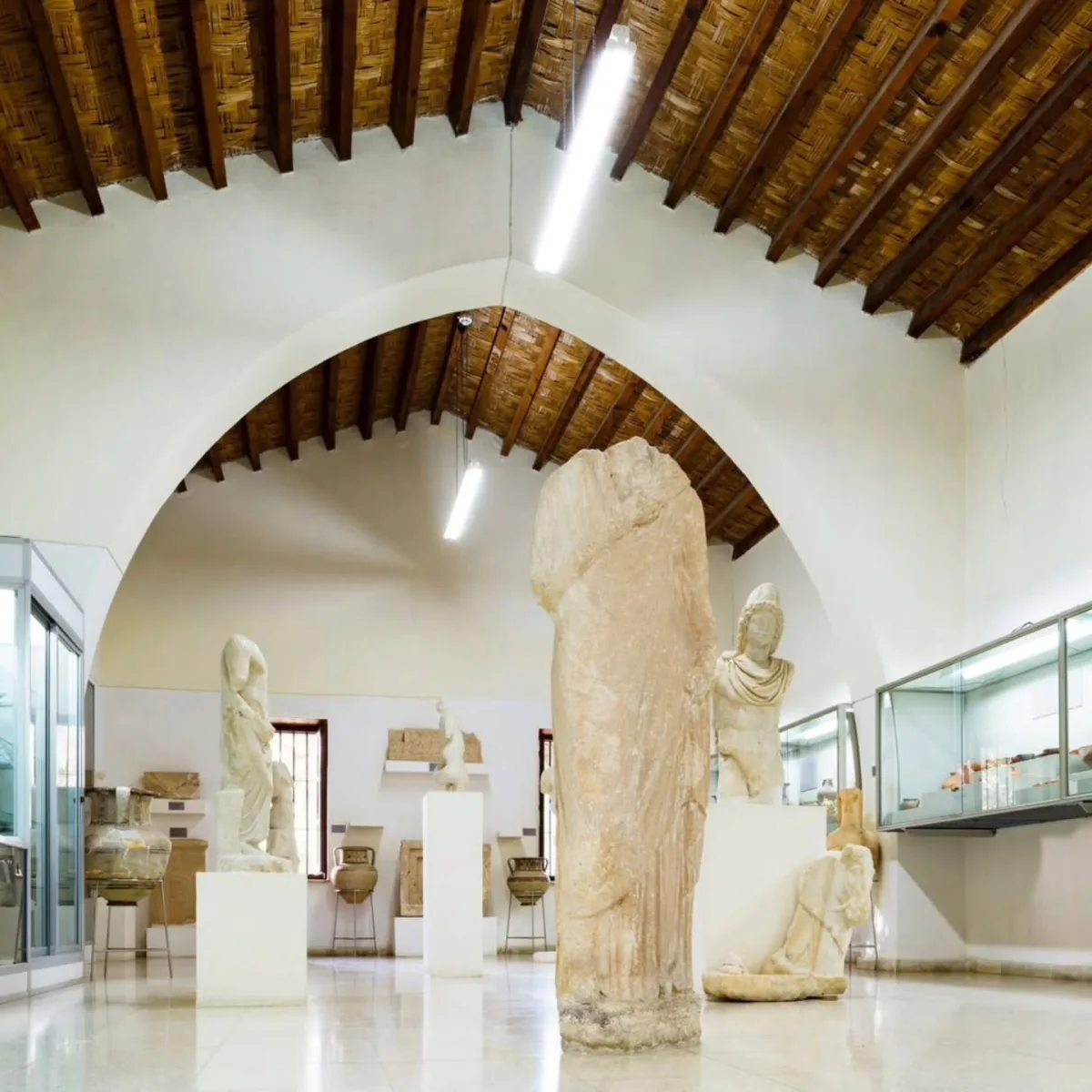
The Department of Antiquities announced on 9 July that the Local Archaeological Museum of Kourion, the Episkopi Museum, will shut to visitors on 1 August 2026. The planned works cover the exhibition rooms and the working areas of the building, with the aim of protecting and presenting the collections better and making the museum more accessible. A reopening date is to be announced later.
The museum, founded in 1969, shows finds from Kourion and the Episkopi area. It occupies the expedition house of the University of Pennsylvania Museum, whose team began modern excavation at Kourion in 1934. Earlier in the year it had closed for five days in March, with Kourion itself, after drones targeted the nearby British base at Akrotiri (roundup of 2–8 March).
People
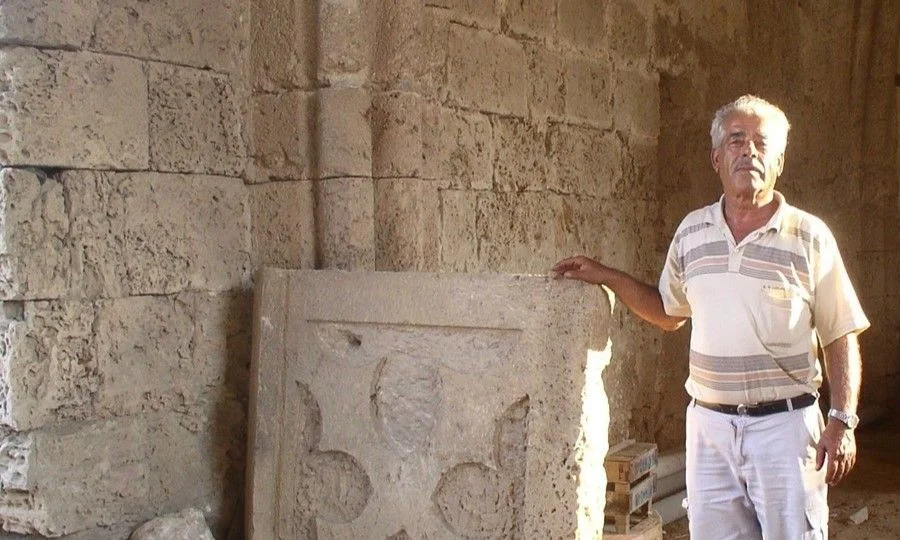
Andreas Kallis died on 3 July 2026, the director and staff of the Department of Antiquities announced in a notice of 10 July. He was born in 1943 and came from Agios Nikolaos Lefkonikou; his father taught him to carve stone when he was a boy. Hired in 1960 as a regular labourer with the Department's building crews, he was made their foreman in 1981, assistant chief foreman in 1995 and in 2001 chief foreman for all Cyprus, the post he held until he retired in 2003.
The Department singles out a carved stone slab he was making for the outer face of the church of Agios Nikolaos in Famagusta, now in the occupied north. The intercommunal fighting of 1963 forced him to abandon his post in the town with the slab unfinished. Once the crossing points opened, he went back to the church and found the slab where he had left it. His work for the Department took him through the Larnaca, Famagusta and Nicosia districts: church monuments, and the conservation of traditional buildings at Fikardou, Kakopetria and other villages. Away from work he carved wood, making chests and mirrors, and set mosaic icons of saints.
Colleagues remember "mastro Kallis" as an excellent stonemason and a good friend. He was buried at Aradippou after a funeral on 11 July at the church of Agios Ioannis Rossos in Kokkines, Larnaca.
Original sources
On ancientcyprus.com
- Sites
- Kourion
More in Museums
- Nicosia's €144m new Cyprus Museum will not be delivered before 2028, MPs told
- Aphrodite at the Ashmolean: Cyprus lends a sanctuary figurine of a woman giving birth
- This Week in Cypriot Archaeology: 12–18 October 2026
- This Week in Cypriot Archaeology: 5–11 October 2026
- This Week in Cypriot Archaeology: 21–27 September 2026