
Fieldwork·In brief
Idalion excavators fixed points by RTK, 3D-scanned a statue fragment and logged finds in OCHRE
A student on the 2026 American Expedition to Idalion describes the digital kit run by associate director Andrew Wright, from a daily RTK base station to an Artec 3D scanner.
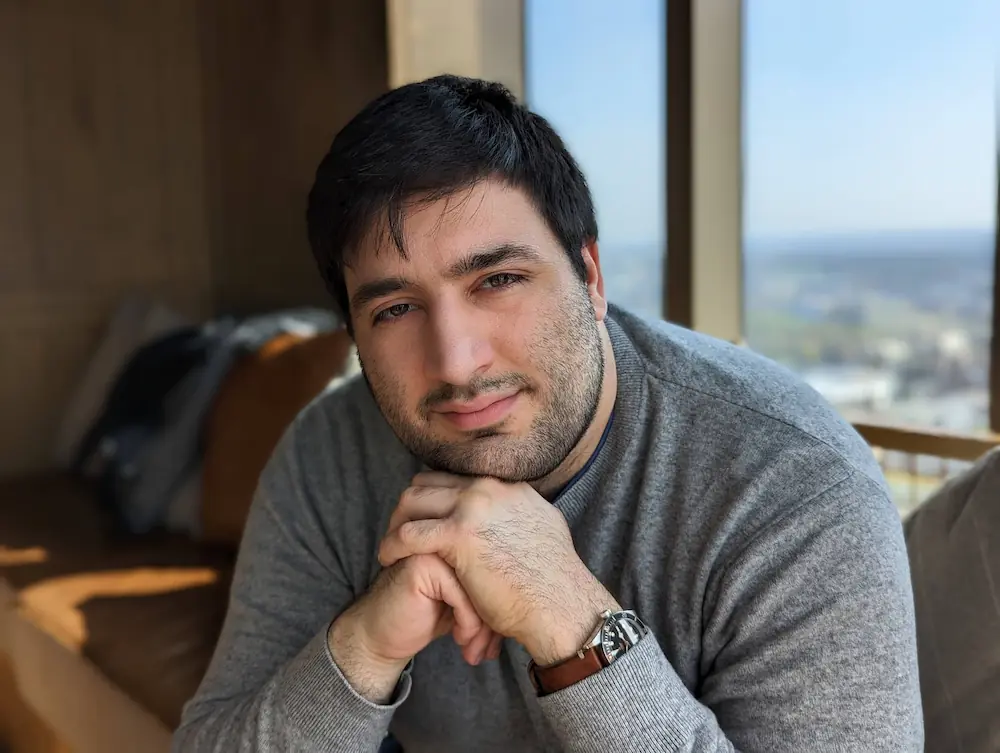


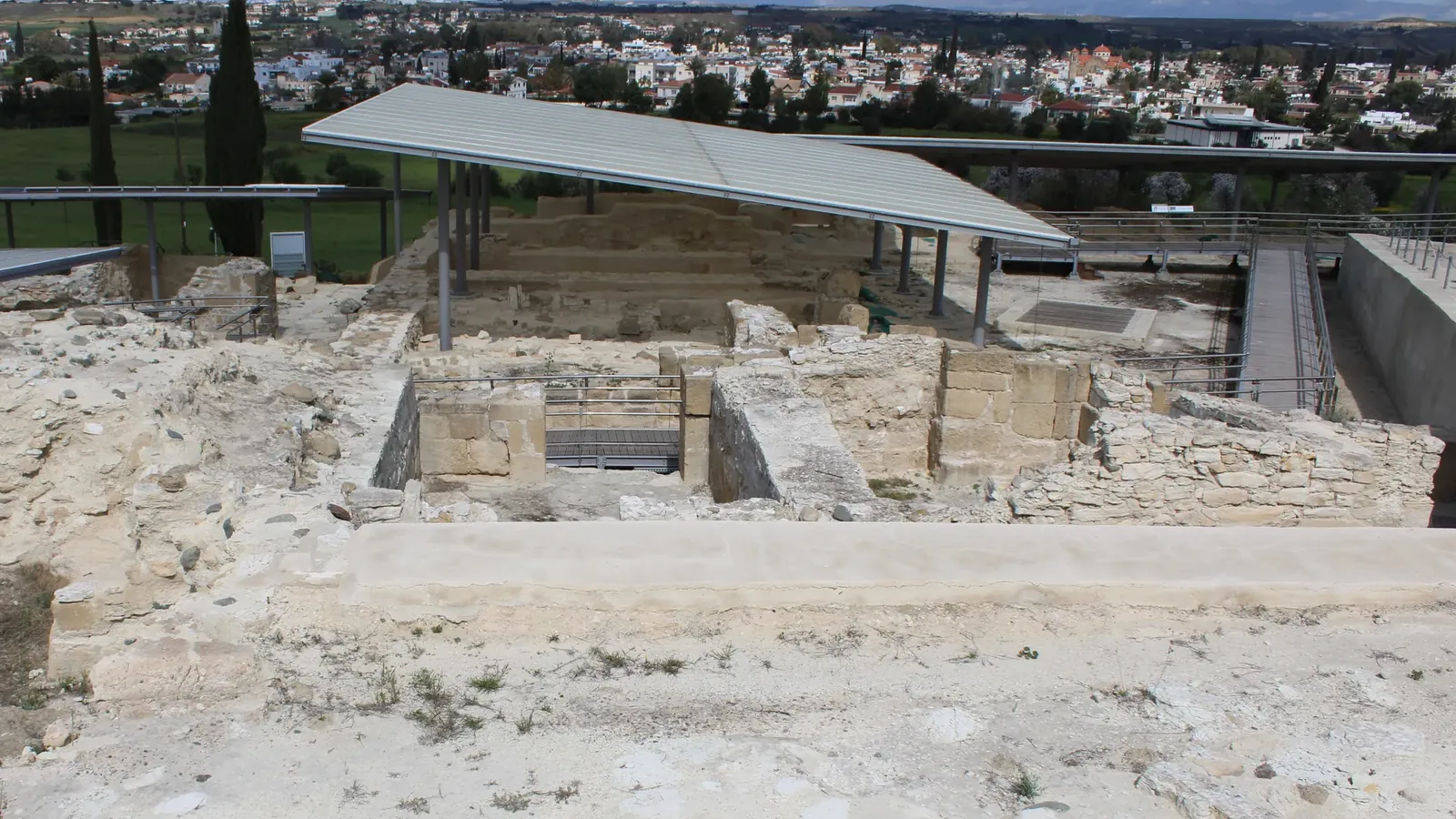
The American Expedition to Idalion, at the village of Dali, recorded its 2026 season with centimetre-accurate satellite positioning, a handheld 3D scanner and OCHRE, a database system developed at the University of Chicago. David Rhys Sharpe, a Southern Adventist University student and 2026 Eric & Carol Meyers Scholarship holder, described the work in a fieldwork report that the American Society of Overseas Research published on 19 October.
The expedition grew out of Pamela Gaber's excavations at the city, begun in 1987. In 2024, with Gaber as director and Andrew Wright of the University of Chicago as associate director, the team went nearly paperless, entering its field record in OCHRE [1].
This year OCHRE held the loci, features, pottery buckets and special finds. Wright, still an associate director, managed the equipment and trained volunteers who asked. Sharpe used an Artec Spider II scanner to model a small statue fragment found early in the season. He and another student set up the base station of the real-time kinematic (RTK) system each day and took it down again; he found levelling the tripod and tribrach the slowest step. Valerie Woelfel, another associate director, has applied GIS on many other excavations. Nine students from Sharpe's university joined the dig for three weeks; in his first week he cleaned rain-washed soil off a Lower City trench.
Original source
- ASOR, Fieldwork Report: David Rhys Sharpe
Official release·
On ancientcyprus.com
- Sites
- Idalion
- People
- Andrew M. Wright
References
- 1.Gaber, P. and Wright, A. M. (2024). The 2024 Season of the American Expedition to Idalion Redux.
More in Fieldwork
- French team finds 8th–7th century BC walls beneath Classical stone robbing at Kition
- Heritage committee to restore Maronite churches and an Armenian monastery in the occupied north
- Geophysical survey searches for buried remains at Agia Marina Xyliatou, a Roman copper-smelting site
- Karavas churches of 1804 and 1854 restored by Greek Cypriot and Turkish Cypriot conservators
- New Central Prisons at Agios Sozomenos to be kept apart from the Bronze Age site