
Heritage crime·News
Antiquities from Cyprus, Iraq and Egypt forfeited by a Florida man will be repatriated
Matthew Weinberg of Miramar Beach also gave up $75,000 after undervalued shipments of terracotta idols, bronzes and tablets were traced to him.



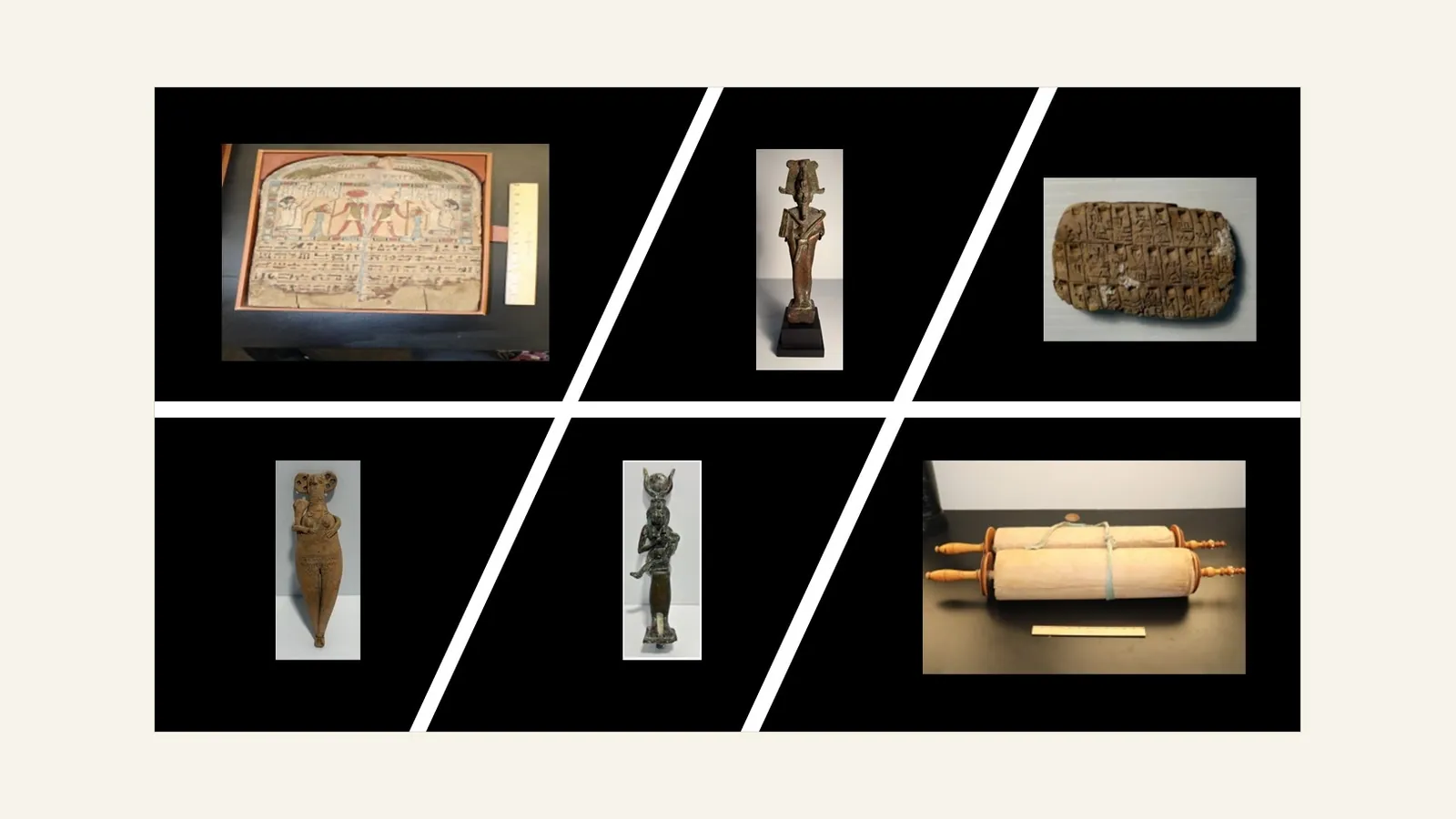
Antiquities shipped to a Florida man from Cyprus, Egypt and Iran, along with two cuneiform tablets from Iraq, are to be returned to their countries of origin after Matthew Weinberg, of Miramar Beach, forfeited them to the United States. Federal prosecutors in Florida's Northern District made the forfeiture public on 9 November 2026. The oldest pieces, it said, go back to about 3000 BCE.
From an undervalued parcel to a house search
The office traces the case, from court documents, to July 2025. Customs and Border Protection in Pensacola detained a parcel bound for Weinberg from the United Arab Emirates, due at Pensacola International Airport, and alerted Homeland Security Investigations. Its manifest declared two terracotta objects worth under $200. An appraisal found two cuneiform tablets from what is now Iraq, dated to 3000–2000 BCE and together worth more than $15,000.
Investigators then went through other consignments sent to Weinberg. They concluded that he had received shipments from Iran, Egypt and Cyprus contrary to law, each one declared far below its value, as the tablets had been. Their contents included bronze figures, ceramic models of buildings and terracotta idols. In March 2026 federal agents searched his house in Miramar Beach under a warrant and took, among other things, Hebrew Torah scrolls, painted scrolls from China and Egyptian objects of about 712–525 BCE.
According to an affidavit filed in the case in federal court in Pensacola, the seized objects include a terracotta female idol from Cyprus dated to about 1450–1200 BCE. One of the six photographs of seized objects released by the office shows a slender clay figurine of a nude woman with large ears.
What Weinberg gave up
Import restrictions agreed between the United States and Cyprus, Egypt, Iraq and other countries meant that Weinberg could not lawfully hold the objects, the office said. He also forfeited $75,000 in cash, which prosecutors treated as the proceeds of breaches of federal anti-smuggling law, and for the next two years he may not trade in any foreign antiquities or artefacts. No criminal charge has been announced.
"These improperly obtained foreign antiquities have been recovered and will be repatriated back to their countries of origin," said John P. Heekin, the U.S. Attorney for the district. Homeland Security Investigations and Customs and Border Protection in Pensacola investigated; Assistant U.S. Attorneys Winifred L. Acosta and David L. Goldberg handled the case.
The American restrictions on Cypriot antiquities
The United States applies the 1970 UNESCO Convention through the Convention on Cultural Property Implementation Act. Under it, the two governments signed an agreement on 16 July 2002 restricting the import of Cypriot archaeological material from about the 8th millennium BCE to about 330 CE; an emergency action of April 1999 had already covered Byzantine church material. The 2022 rule that sets out the current terms records a State Department finding that the island's heritage "continues to be in jeopardy from pillage". That renewal extended the restrictions to material as late as 1770 and runs to 13 July 2027.
Its Designated List includes terracotta figurines from the Neolithic to the Late Bronze Age: small, handmade, mostly female, about 10–25 cm tall, in wares that include Base Ring. Listed material may enter the country only under the conditions of the federal regulations, such as a Cypriot export certificate or proof of an earlier export, so the date an object left the island usually decides its status. On 27–29 October 2026 the State Department's Cultural Property Advisory Committee met to review a proposal to extend the agreement with Cyprus. The rules and the earlier American cases involving Cypriot objects are set out in the US memorandum and the Designated List.
Figurines of the Late Bronze Age
The date given in the affidavit falls in the Late Bronze Age, when Cypriot potters made small handmade figures of nude women in Base Ring ware, a thin-walled fabric with a dark, lustrous surface. Two kinds were made side by side from Late Cypriot IIA to IIIA, roughly 1450 to 1125 BCE: Type A, the "Earring" figure, with a beaked nose and large ears pierced for clay rings, and Type B, the "Flathead", with a flattened head and plainer face. They have long been called Astarte figures, after the Levantine goddess, and often read as images of a fertility goddess.
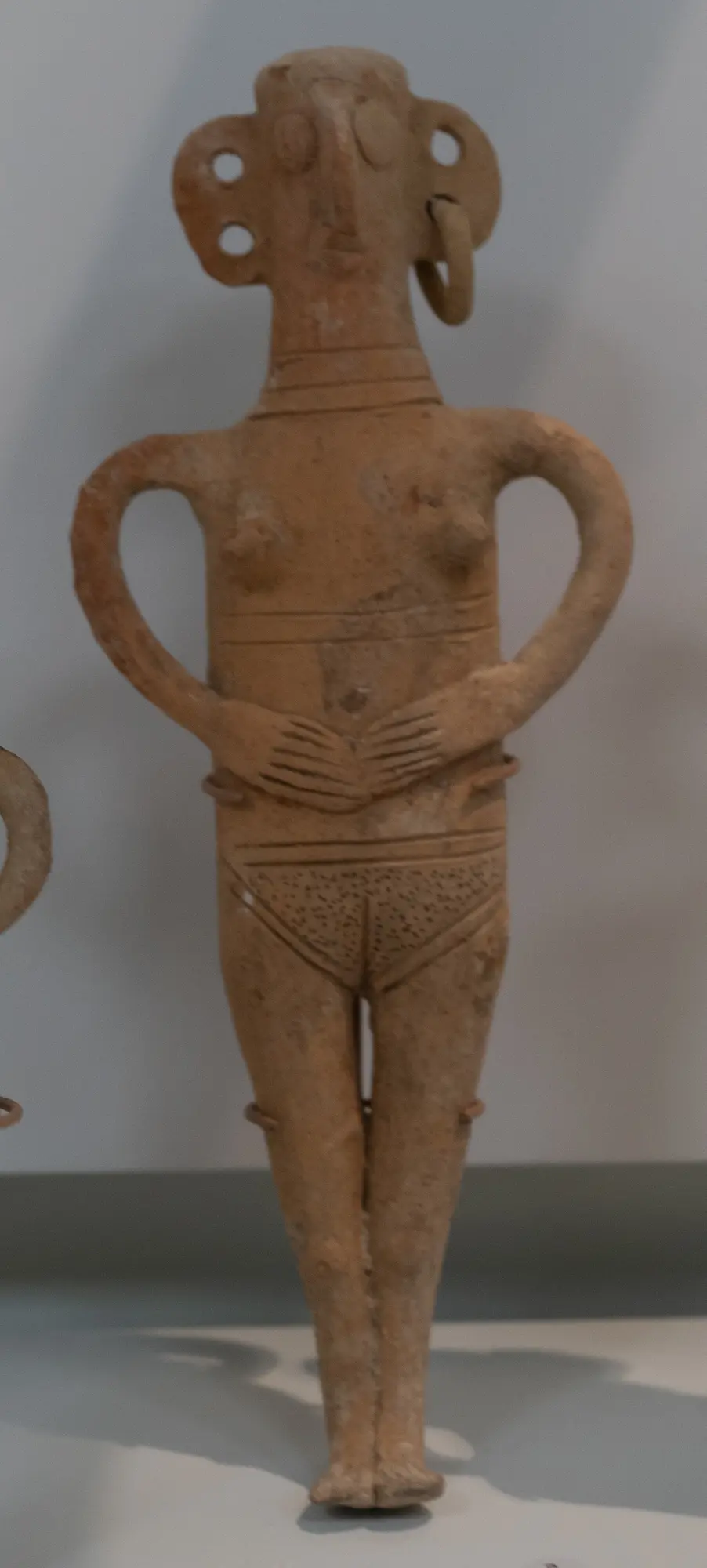
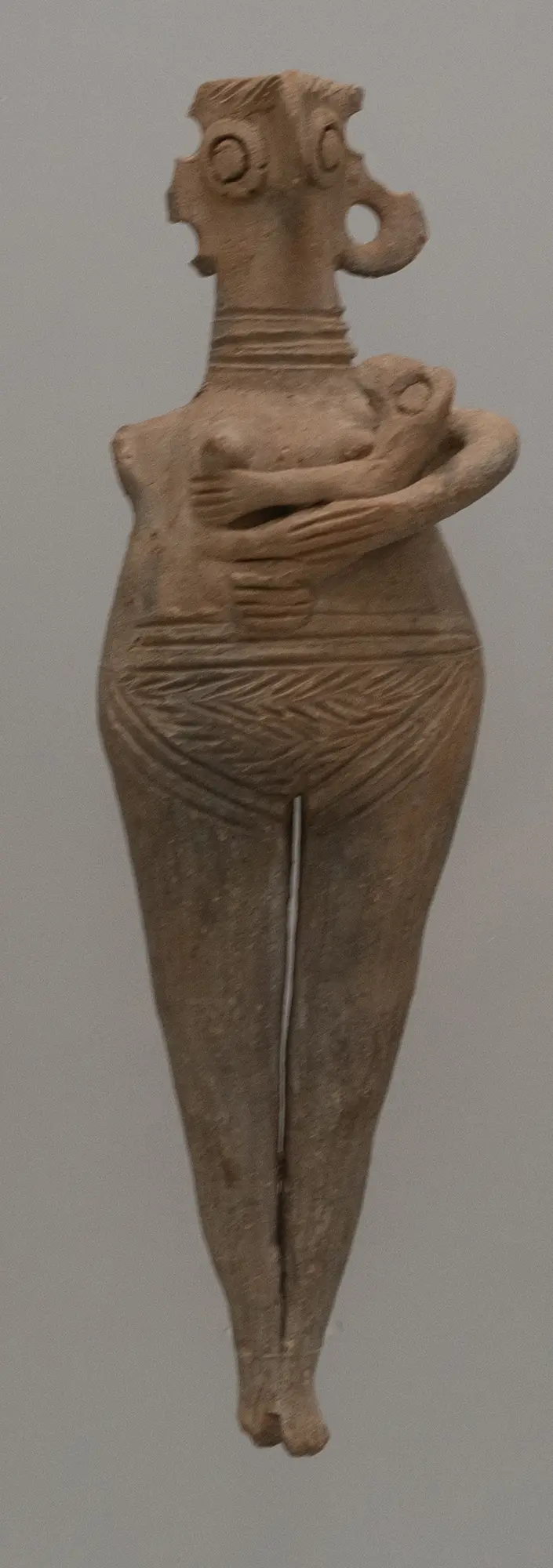
The figurines are found in tombs and in houses in about equal numbers and are rare in sanctuaries. Lead isotope analyses trace the clay of Base Ring ware to one source in south-west Cyprus, the Kathikas Formation. Some 86 Cypriot figurines are known from outside the island, most from Levantine sites such as Ugarit, Lachish and Alalakh. The class, how it was made and the debate over its meaning are described in Base Ring figurines (Astarte type).
Original sources
- U.S. Attorney's Office, Northern District of Florida: Miramar Beach Man Forfeits Foreign Antiquities to United States
Official release·
- U.S. Customs and Border Protection: Extension and Amendment of Import Restrictions on Archaeological and Ethnological Material From Cyprus (CBP Dec. 22-15), 87 FR 42636
Official release·
- U.S. Department of State: Meeting of the Cultural Property Advisory Committee; Proposals To Extend Bilateral Cultural Property Agreements With Cyprus, Guatemala, and Peru, 91 FR 60692
Official release·
On ancientcyprus.com
- Periods
- Late Bronze Age
More in Heritage crime
- Family returns five Cypriot antiquities acquired in the 1950s to Cyprus's ambassador in Sweden
- Israel hands Greece 22 antiquities seized in 2020 raids near Tel Aviv, its first such return
- Two 14th-century Asinou icons stolen after the 1974 invasion return to Cyprus from Britain
- This Week in Cypriot Archaeology: 29 June–5 July 2026
- Cyprus brings home 25 antiquities spotted in online auctions abroad, among them a chariot model