
Research·In brief
22 girls in a Phoenician account tablet from Kition took part in a substitution rite, study argues
Beatrice Pestarino argues the girls in the Phoenician tablet CIS I, 86 were probably not killed, and that its accounts were kept by Kition’s royal administration.



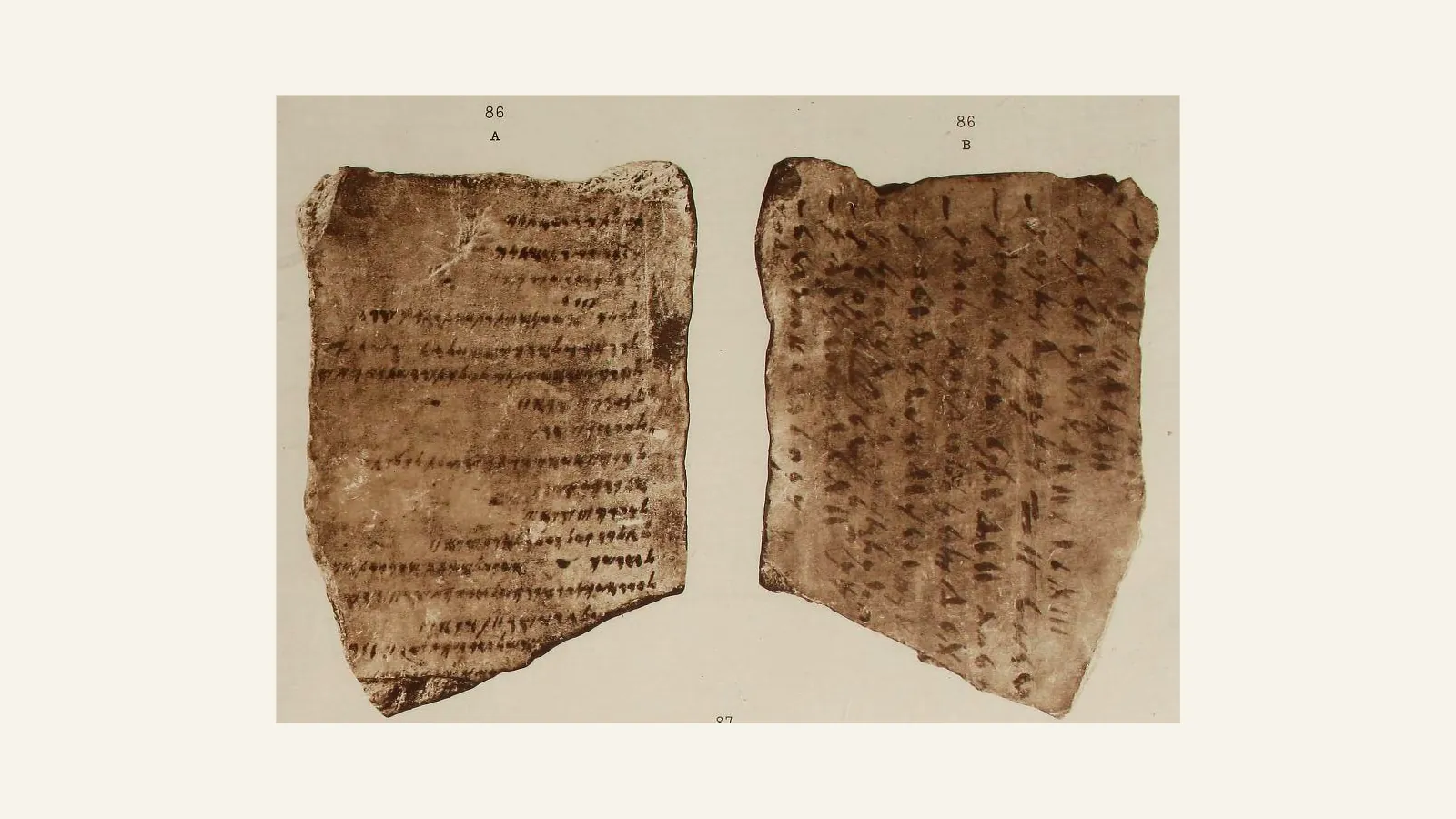
The 22 young girls entered in a Phoenician account tablet from Kition were probably spared death and took part in a substitution rite, in which a stand-in replaces the victim, according to the epigrapher Beatrice Pestarino of the University of Liverpool. Her paper appeared online in the Bulletin of the Institute of Classical Studies on 17 March 2026.
Known as the Kition tariff and edited as CIS I, 86, the tablet is a gypsum plaque inked in Phoenician on both faces in the 5th or 4th century BCE. It was found in 1879, when the Bamboula mound was levelled, and is in the British Museum (no. 125080).
Earlier scholars linked the girls to the temple of Astarte and called them sacred prostitutes. Pestarino holds that the king's officials probably kept the accounts, since the ostraca from the Phoenician archive at Idalion record the same kind of payments, to workers, for rituals and for temple upkeep. Every paid person in the tariff has a stated role, such as the two sacrificers, and the girls hold no such title. Citing girls' rites of passage to adulthood at the sanctuaries of Achna and the Salt Lake, she reads them as scapegoat figures whose rite, paid for by a royal house that had come to power relatively recently and faced revolts, was meant to protect the community and strengthen the king. She leaves open whether they were real victims or assistants, and whether 22 counts two groups of girls or only one.
Original source
On ancientcyprus.com
- People
- Beatrice Pestarino
- Periods
- Cypro-Classical
More in Research
- Doctorate gathers the scattered finds of Idalion's Aphrodite/Astarte sanctuary in one catalogue
- Mazotos desalination pipes should wait for an antiquities survey, Ecologists leader argues
- Architects map the 19 khans that survive inside the walls of Nicosia
- Akrotiri was once an island off Cyprus, and its salt lake an arm of the sea, NASA says
- Archbishopric seeks permit to refit Phaneromeni school for University of Cyprus archaeologists