
Research·In brief
Two Jerusalem toilets of the 7th–6th century BCE held Giardia, a diarrhoea parasite
Laboratory tests reported by Piers D. Mitchell add a microscopic parasite to the whipworm, tapeworm, roundworm and pinworm eggs found earlier at the House of Ahiel and Armon HaNatziv.



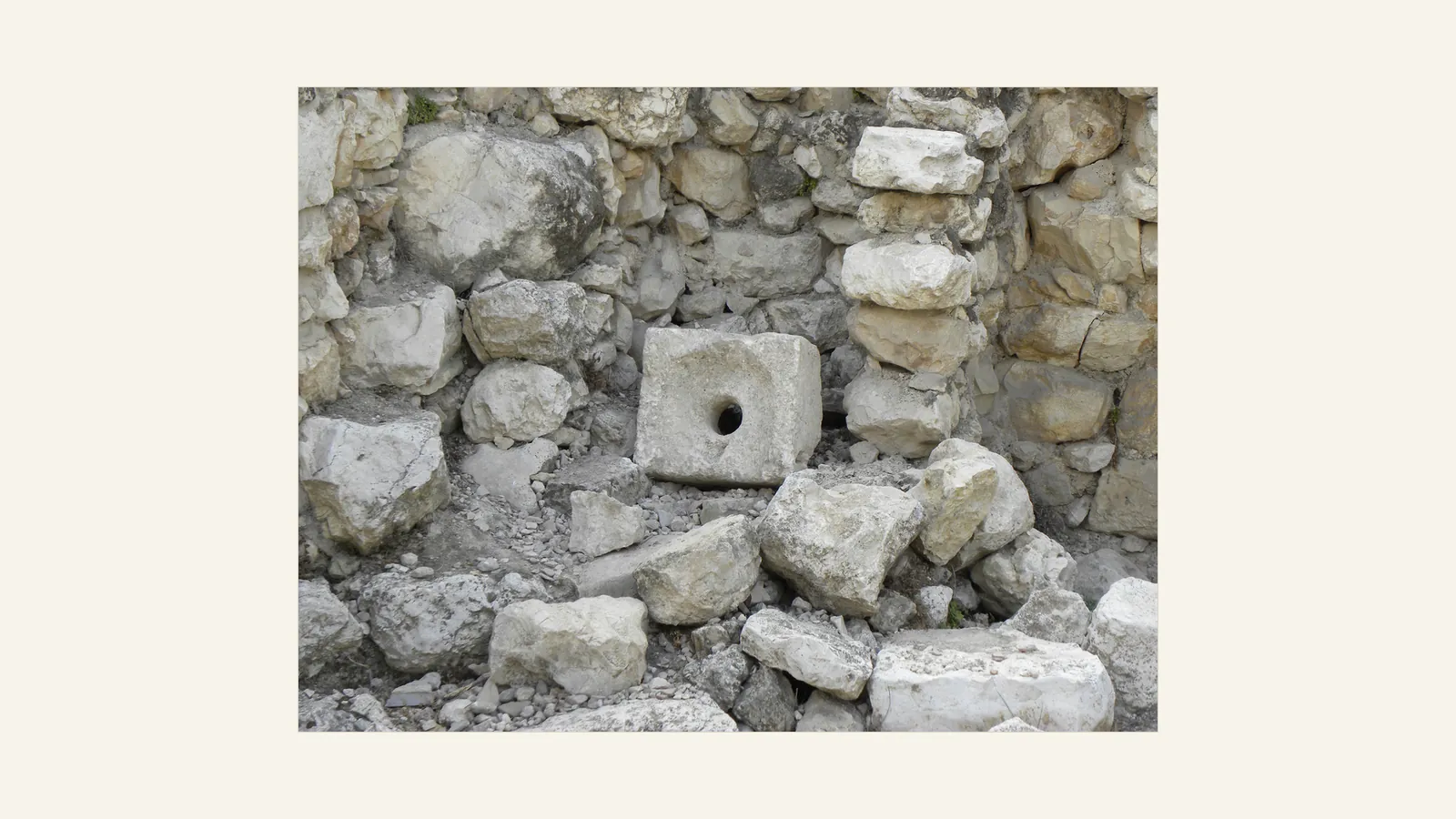
Sediment from two cesspits in Jerusalem dated to the seventh and sixth centuries BCE contains Giardia duodenalis, a single-celled parasite that causes diarrhoea, Piers D. Mitchell reports in "Tummy Trouble in Biblical Jerusalem", published in the Fall 2026 issue of Biblical Archaeology Review. The Biblical Archaeology Society outlined the findings on 14 October.
One cesspit belongs to the House of Ahiel in the City of David, the other to Armon HaNatziv in the south-east of the city. Earlier microscope work on the same deposits identified eggs of whipworm, tapeworm, roundworm and pinworm. Giardia is too small to see that way. Mitchell reports results from laboratory tests that detect such pathogens, and describes the samples as "strongly positive in both toilets". He takes it as a sign of poor sanitation: faeces reaching food or water, or carried onto food by flies.
Cyprus has comparable evidence from much earlier. Soil taken from the pelvic area of, or beneath, Neolithic burials at Parekklisha-Shillourokambos and Khirokitia held eggs of tapeworm, liver fluke, roundworm and whipworm. The parasites were found in all four people sampled at Shillourokambos and one adult at Khirokitia, and were read as signs of poor sanitation in the villages and of contaminated food and water [1, p. 5].
Original source
On ancientcyprus.com
- Sites
- Khirokitia
- Periods
- Cypro-Archaic, Neolithic
References
- 1.Harper, N. K., & Fox, S. C. (2008). Recent research in Cypriot bioarchaeology. Bioarchaeology of the Near East, 2, 1–38.
More in Research
- Silver bowl from Amathus may carry the earliest known picture of a hoplite phalanx
- Athens' 200 triremes were built partly with timber from Cyprus, study says
- Wine jars from Gaul and fish-sauce jars from Sicily reached ancient Cyprus, five free papers report
- At least 40 roof tiles lay in rows under fallen stone on the Amathus acropolis, report shows
- Wreck off Cape Apostolos Andreas is the Città di Alessandria, lost in 1972, diver concludes