
Documentary·Archaeological Research Unit - University of Cyprus·2021·In Greek
Looting of Antiquities
Chapters
About the video
Produced by the Archaeological Research Unit of the University of Cyprus, this short documentary in Greek examines the looting of antiquities in Cyprus and the measures taken by local communities and state authorities to stop it. It opens with the archaeological consequences of illicit digging, noting that removing objects from their context destroys the information they hold about ancient societies. In the years leading up to the film, authorities investigated nearly ninety looting cases in Cyprus, seizing over four hundred stolen antiquities and repatriating another two hundred from abroad.
The film focuses on the village of Deneia in the Nicosia district, where a fenced area encloses roughly two hundred and fifty looted tombs cut into the bedrock. Interviewees describe how tomb digging at Deneia was carried out by crews working for Luigi Palma di Cesnola and continued among villagers who probed the rock with iron weights and chisels to find tombs and sell the pottery. Heavy looting also took place in 1996 during the six-month grace period given for the registration of private collections.
For decades the open tombs were used as a rubbish dump, filling with dead animals, rubble and rodents; when an Australian archaeological mission entered the tombs to work, twenty-five team members contracted typhus. About ten years before the film and from 2015 onwards, the community council and residents set out to shed the village's reputation for tomb robbing. Working with the Department of Antiquities, volunteers removed a hundred lorry-loads of rubbish and rubble, fenced the cemeteries, built paths and held public lectures, and villagers now report suspicious activity to the council and the authorities.
The final part of the documentary covers the institutional response across Cyprus, including the National Committee for Combating Cultural Heritage Theft and Trafficking, established by the Council of Ministers in March 2015. State agencies, the Church of Cyprus and research organisations work together to monitor large rural areas against illegal excavation and metal detecting, while growing international awareness of the links between antiquities trafficking and organised crime has made market countries such as the United States, the United Kingdom, Belgium and the Netherlands more cooperative in repatriating Cypriot antiquities.
Background
Where to read more on this site before or after watching.
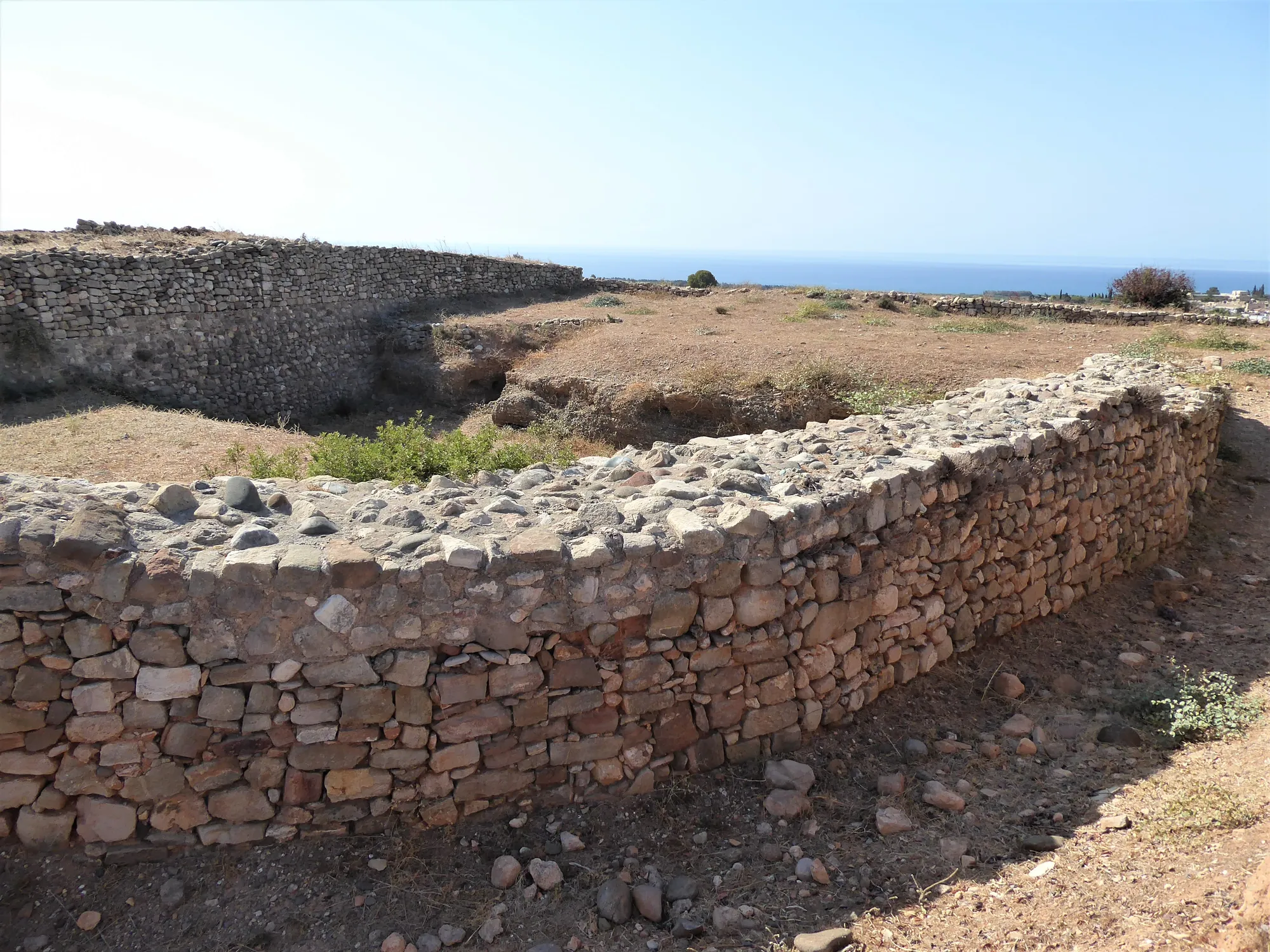
In the compendium
Chance Finds and Opportunistic Digging in the Republic of Cyprus after 1974
Chance finds, tomb robbing and metal-detecting in the south after 1974, the finder's duties under Cap. 31, the 2012 to 2017 case figures, and what they show.
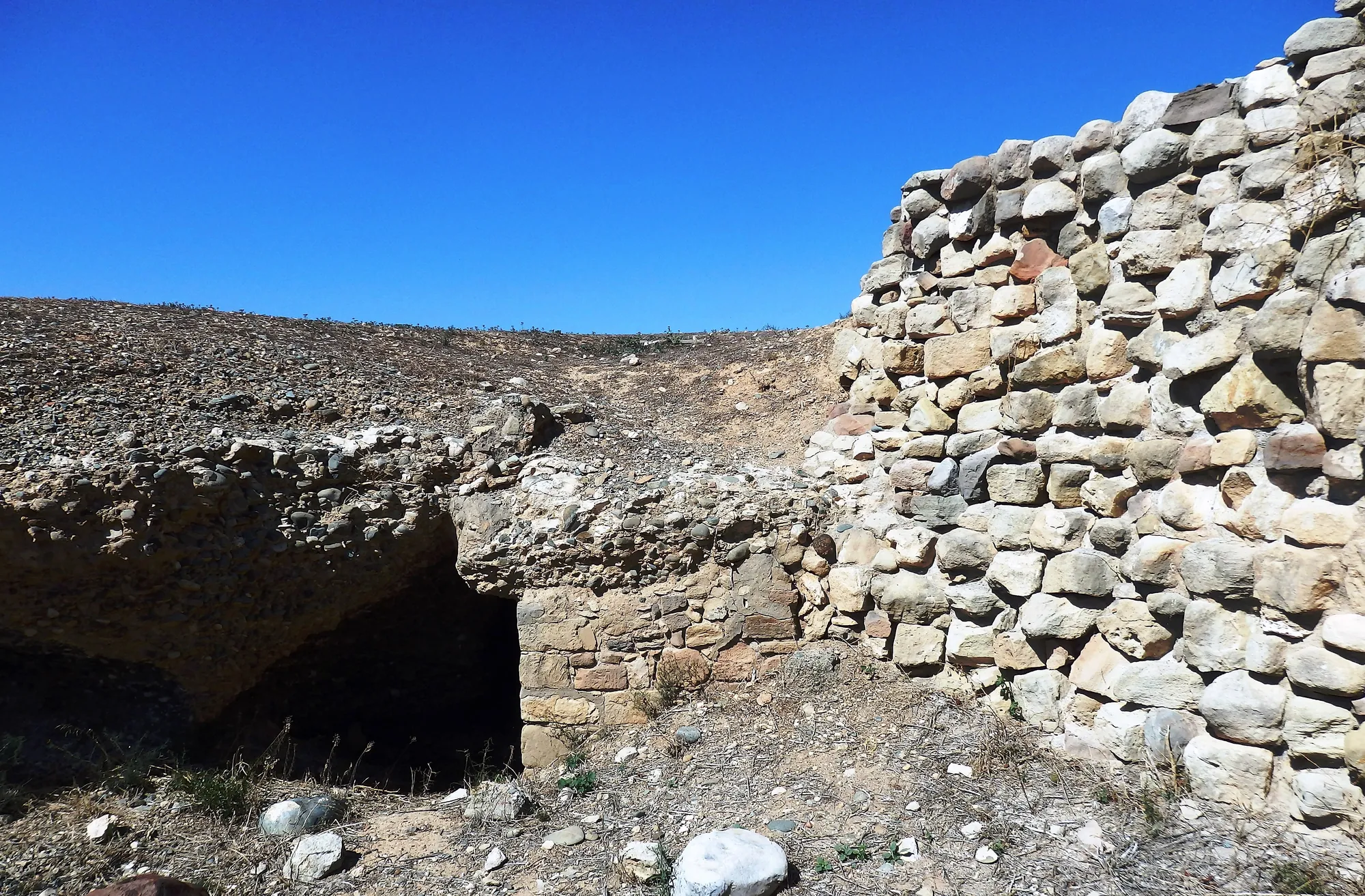
In the compendium
Policing and Monitoring: How the Republic of Cyprus Polices Antiquities and Watches the Market Abroad
The Republic's antiquities police office, national committee and online monitoring, the 2024 to 2026 withdrawals and returns, the penalties of Cap. 31, and what the monitoring catches.
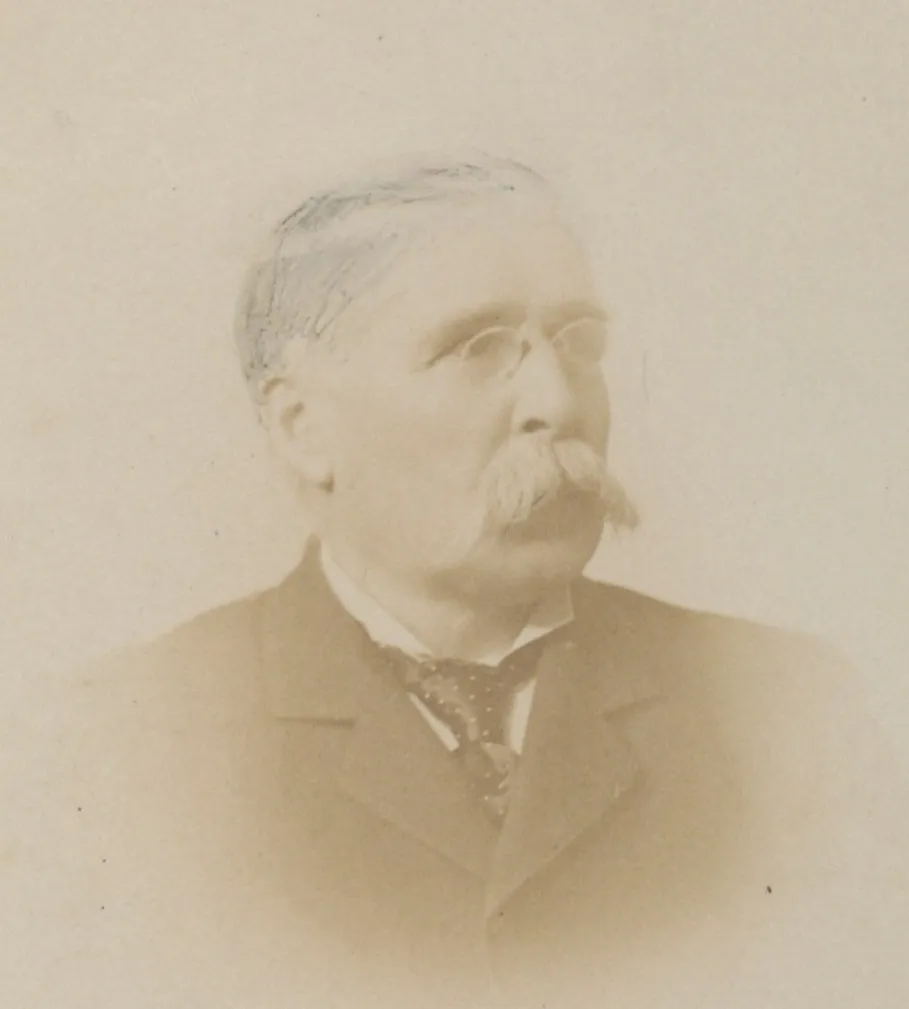
In the compendium
Luigi Palma di Cesnola: The Largest Export of Cypriot Antiquities
The American consul whose roughly 35,000 objects left Cyprus under Ottoman firmans for the Metropolitan Museum, and what his digging and sales mean for the trade.