
Lecture·Archaeological Research Unit - University of Cyprus·2023
Excavations at Ashdod-Yam from the Iron Age to the Byzantine period
A guest lecture in the University of Cyprus series on a subject outside Cyprus.
Chapters
About the lecture
Alexander Fantalkin of Tel Aviv University presents the results of excavations conducted since 2013 at Ashdod-Yam (Azotos Paralios) on the southern coast of Israel. The lecture opens with the relationship between inland Tel Ashdod, excavated by Moshe Dothan in the 1960s, and its coastal counterpart. Fantalkin discusses the late eighth-century BC rebellion of Ashdod against Sargon II of Assyria, led by Yamani or Yadna, whom some scholars suggest was a Cypriot mercenary, and mentions unpublished DNA analysis on skeletons from Dothan's mass burials pointing to Aegean origins among the eighth-century Philistines.
On the acropolis of Ashdod-Yam, Fantalkin re-evaluates the horseshoe-shaped mud-brick fortification wall and ramparts first probed by Jacob Kaplan. Combining excavation with geoarchaeological surveys and core drilling, the project concluded that the western opening toward the sea formed an artificial sheltered anchorage at an ancient river estuary, built locally in the eighth century BC. The acropolis also yielded a late seventh-century BC administrative building, overlain by a second-century BC Seleucid garrison fort that produced around 250 coins, ballista stones and arrowheads.
The second half of the talk covers excavations north of the acropolis that uncovered an early Byzantine basilica functioning from around 400 to 600 AD. The church preserved thirteen mosaic inscriptions translated by Leah Di Segni, dated by the era of the millennium of Rome and commemorating bishops, priests and female deaconesses. Tombs beneath the floors, including one skeleton with an iron spear in the skull, were reused in the sixth century for mass burials now being tested for Yersinia pestis. Analysis showed that the basilica's roof tiles and pine timbers originated in Cyprus.
Background
Where to read more on this site before or after watching.
In the compendium
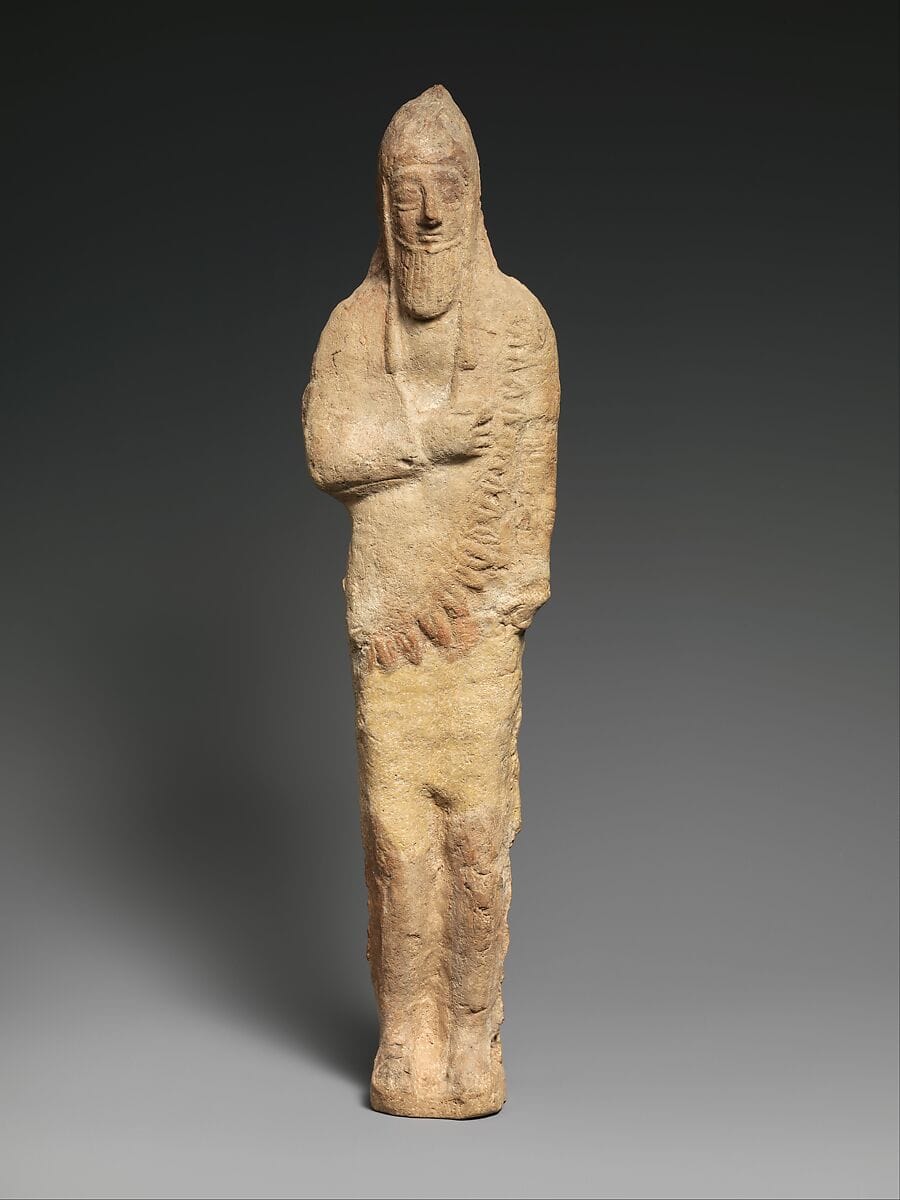
Neo-Assyrian Empire and Cyprus
The Mesopotamian empire to which the Cypriot kings submitted around 709 BCE, ruling them indirectly as tribute-paying clients.
In the compendium
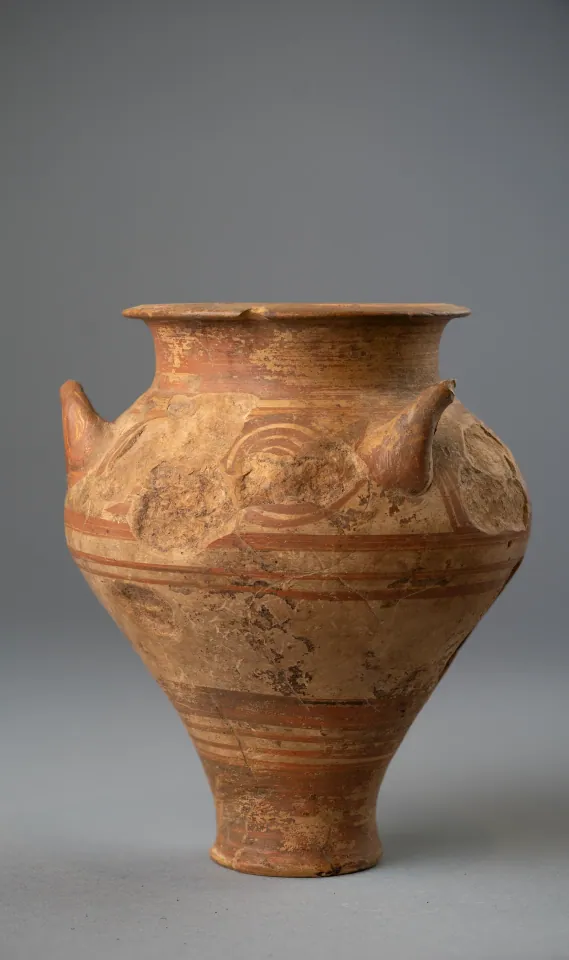
The Philistines
The 12th-century BCE newcomers to the southern Levantine coast, whose Aegean-style pottery, hearths and houses derive most directly from Cyprus.