
Fieldwork·In brief
131 more Hittite tablets from Kayalıpınar record a royal infant's death and a plea for chariots
The 2026 season at ancient Šamuḫa in central Turkey brings the royal archive from the reign of Tudhaliya II to 184 tablets and fragments.



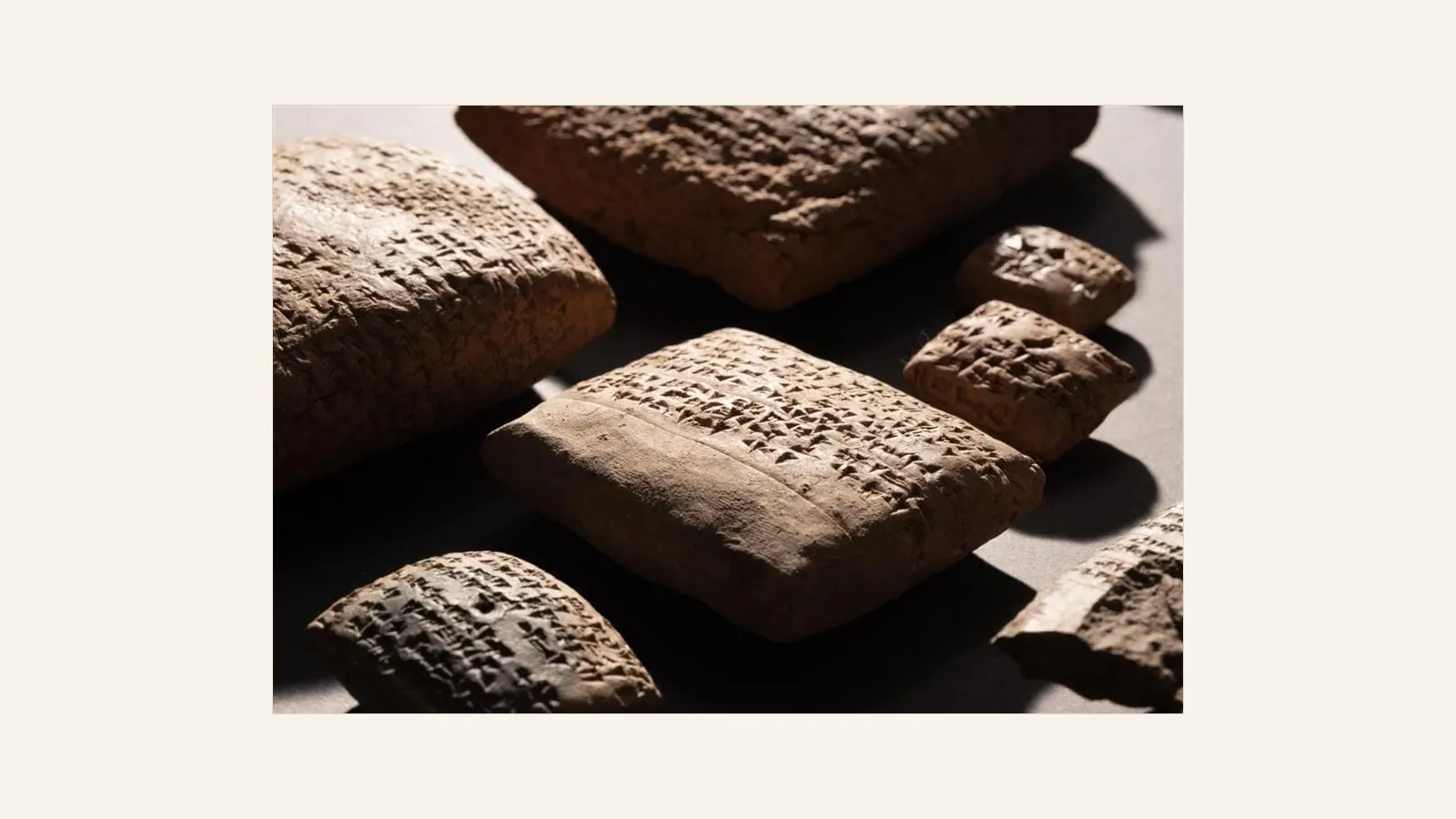
Excavators at Kayalıpınar, in the Yıldızeli district of Sivas province in central Turkey, found 131 cuneiform tablets and fragments during the 2026 season at the Hittite city of Šamuḫa, Turkey's Minister of Culture and Tourism, Mehmet Nuri Ersoy, announced on 8 October. With the 53 pieces recovered in the same area in 2025, the group now numbers 184. The ministry treats it as the royal archive of Kayalıpınar, and Ersoy ranks it as the most extensive Hittite-language archive found in the 21st century.
Written in Hittite and Hurrian, the texts date to the reign of King Tudhaliya II, about 3,400 years ago, and cover divination, omens, rituals, prayers and letters. In one letter, Hittite generals in western Anatolia tell the king, then at Šamuḫa, that enemies have surrounded their territory, and ask for soldiers, horses and chariots. Other tablets track an epidemic of high fever that moved between cities and was deadliest for infants and children. They record how a princess still being breastfed fell ill in Ziulila, a city not yet located, then her death and her funeral rite. A diary-like tablet lists the birds that diviners watched outside Šamuḫa, with their routes and the cities where they stayed.
The work is led by Çiğdem Maner of Koç University. Šamuḫa, named in Old Assyrian and Hittite texts, was a main political, military and religious centres of the Hittite state, ruled from Hattusa in the Late Bronze Age.
Original sources
On ancientcyprus.com
- Institutions
- Koç University
- Periods
- Late Bronze Age
More in Fieldwork
- Swedish team reaches Hala Sultan Tekke's earliest town levels, of the 17th–15th centuries BCE
- Jars off Turkey's Kekova may come from the oldest known shipwreck, up to 4,700 years old
- Old Smyrna dig finds six Early Bronze Age building phases where two were known
- 300 metres of Jerusalem's Hasmonean Lower Aqueduct exposed ahead of new housing
- Buried sand grains are dating Kallirhoe, Herod's palace and port on the Dead Sea