Lecture·Archaeological Research Unit - University of Cyprus·2023
The Contribution of Botanical Reference Collections to Archaeological Studies
Maria Rousou
Chapters
About the lecture
Maria Rousou of the Department of Antiquities presents the botanical reference collections of Cypriot flora that she assembled during her doctoral research at the University of Cyprus and the National Museum of Natural History in Paris, supervised by Ourania Kouka and Margareta Tengberg. Her thesis studied plant exploitation and human environmental impact in Pre-Pottery Neolithic Cyprus, and the lecture focuses on the comparative collections built to identify the archaeological remains.
Rousou begins by outlining the scope of archaeobotany and its branches: carpology (seeds and fruits), anthracology (wood charcoal), xylology (uncharred wood), palynology (pollen), and the study of phytoliths and starch grains. She breaks archaeobotanical work into three stages: observation and anatomical identification, quantification, and contextual interpretation alongside other disciplines. Because archaeological plant remains are identified by comparing their morphology and anatomy against known modern taxa, researchers rely on published identification atlases and physical reference collections. Sampling existing herbaria or seed banks has strict limits: destructive sampling is often restricted, sample numbers are small, and unvouchered seeds may carry unreliable identifications as plant taxonomy changes. Rousou argues that field sampling is the soundest method because it collects multiple individuals, pairs wood and seed samples with herbarium vouchers for verification, and records habitat and ecological data.
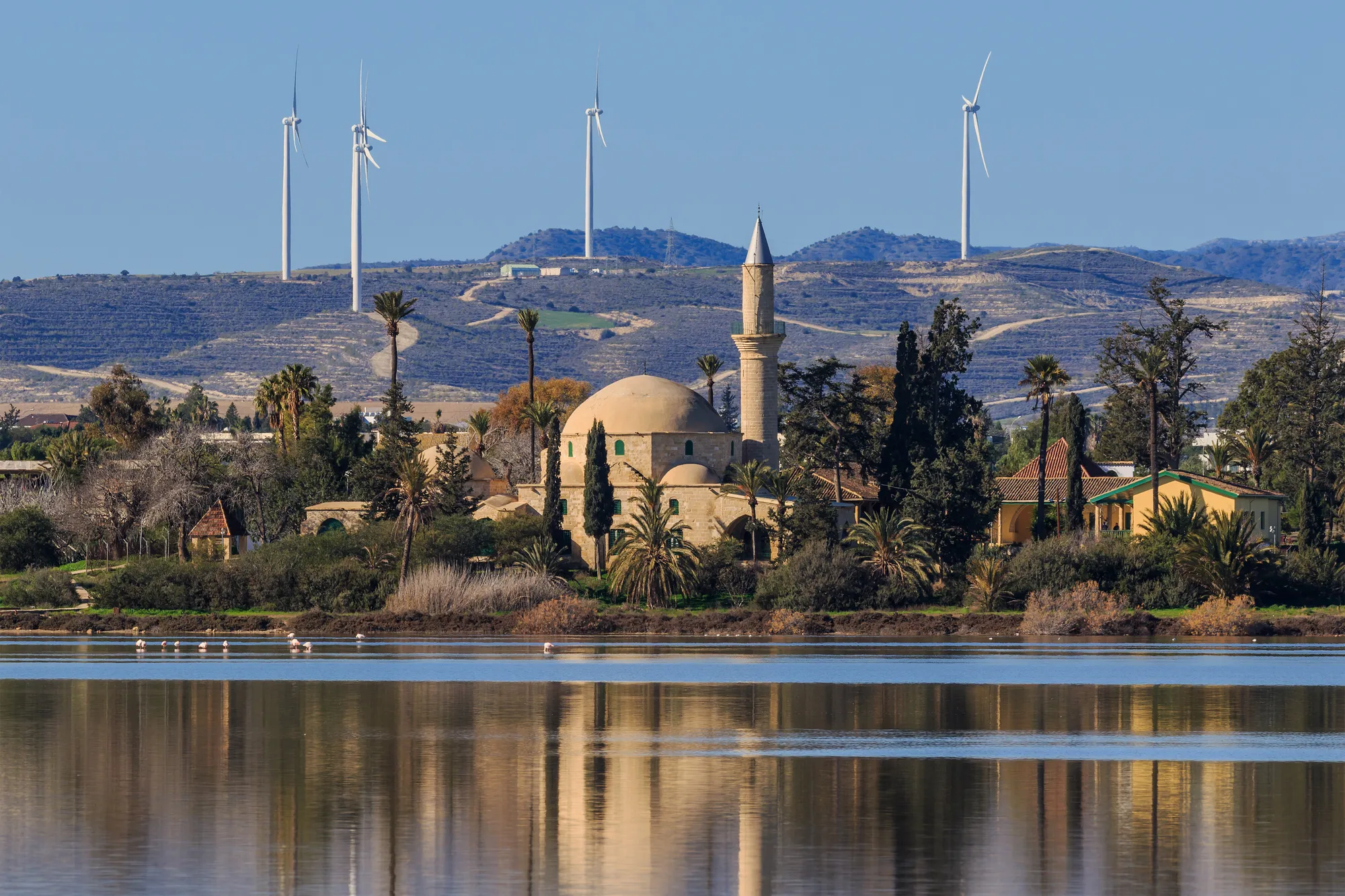
In the second half of the talk, Rousou walks through the fieldwork and laboratory protocols used to build the Cypriot collections. She visited more than thirty localities across Cyprus in different seasons to sample across altitudes and vegetation zones, from coastal phrygana and maquis to deciduous and pine forests in the Troodos, riparian forests near Khirokitia, and halophilous plants at the Larnaca salt lakes. Each specimen received a recording sheet and a single reference code carried through all stages of processing. Wood samples were air- or oven-dried with Michel Lemoine in Paris until their weight stabilized, carbonized at 400 degrees Celsius for ninety minutes, and documented under metallographic and scanning electron microscopes to build an anatomical atlas. Seeds and fruits were kept in a refrigerator for a month to kill insects and cleaned by hand, while leafy branches were pressed for three to four months into herbarium sheets, with identifications checked alongside specialists from the Department of Forests and the Agricultural Research Institute.
The project produced over two hundred specimens, forming the first carpological and anthracological reference collections at the University of Cyprus, with duplicates deposited in Paris and at the Department of Forests, and a metallographic microscope co-funded by the University of Cyprus and the French Archaeological Mission at Khirokitia. Rousou notes that the fieldwork also contributed to modern botany by recording a Pistacia hybrid and new individuals of the near-endemic pear species Pyrus cyprius, and she closes with plans for an online database and expanded microremain and ethnobotanical collections.
Background
Where to read more on this site before or after watching.