
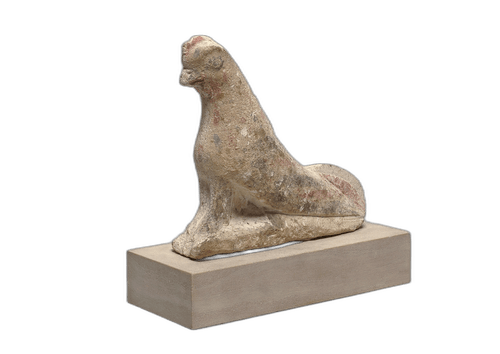
Classical
Faucet
Hahn among the animal votives preferred in Cyprus are also chickens and roosters.The small limestone sculpture from Amathus shows a tap with superiors sitting on a base, the head uphill and put on the tail feathers.The plumage is red and black striped.Remnants red painting are preserved on the beak and comb;Black with the eyes and nostrils.Chickens only reached the 8th century BCBC from the Orient to Cyprus and Greece;Your representations have been detectable in art since then.In the 5th century at the latest, they were part of the common animal population of rural estates.They were assigned to combative deities such as Ares and Athena as holy animals.In the image art of the 6th and 5th centuries, the rooster, which was praised for his courage and fearfulness, often meets as a symbol of male virtue.Bernhard-Walcher u.Collection catalogs of the KHM Vol. 2, Vienna: 1999 H. 10 cm, L. 10,9 cm
Classification
- Object type
- Stone sculpture
- Decoration
- Painted
- Motif
- Bird
- Place of production
- Cyprus
- Findspot
- Amathus
- Date
- 500 - 400 BC
Accession No.
Antikensammlung, I 637
Collection
Provenance
- ENFALLSCHETHERE, MAX;1890 exchange
More from the Catalogue
Browse related objects
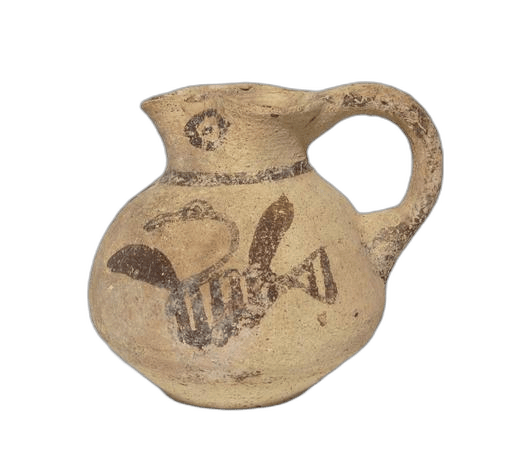
White Painted Oinochoe
Archaic I
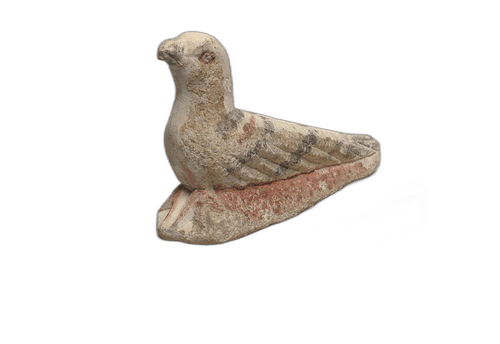
Dove
Classical
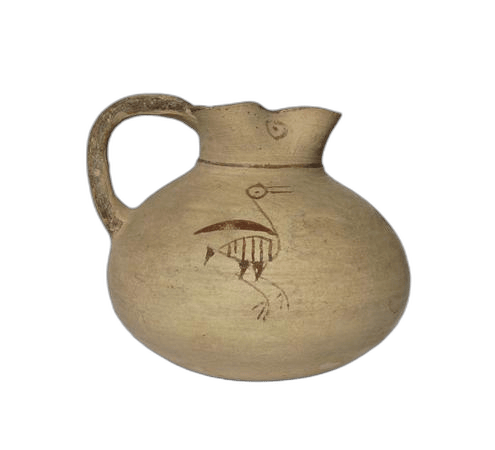
Bichrome Figural Oinochoe
Archaic I
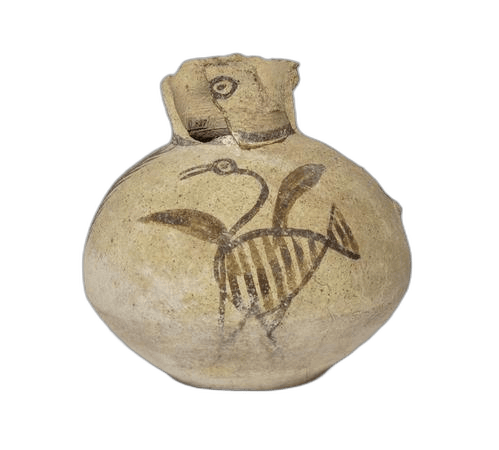
Bichrome IV Oinochoe
Archaic I
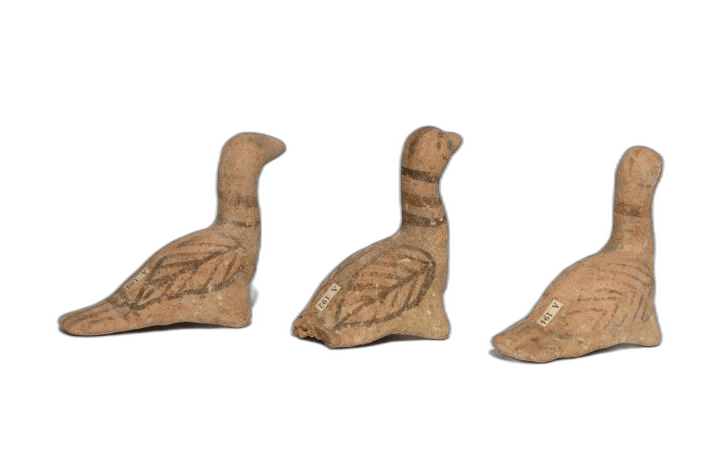
Bichrome Duck
Archaic II
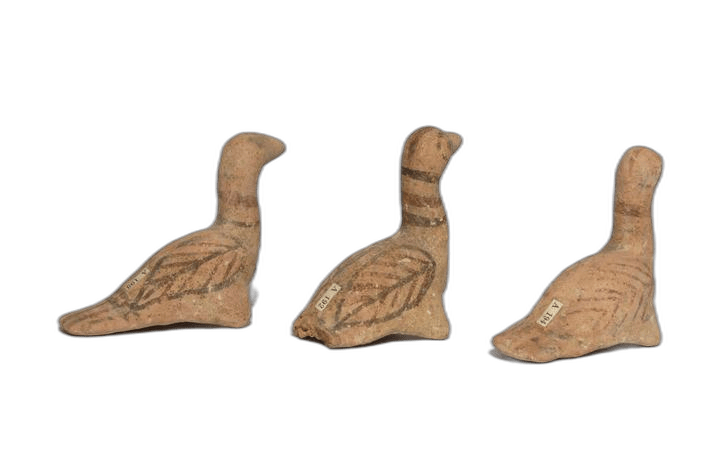
Terracotta Duck Figurine
Archaic II
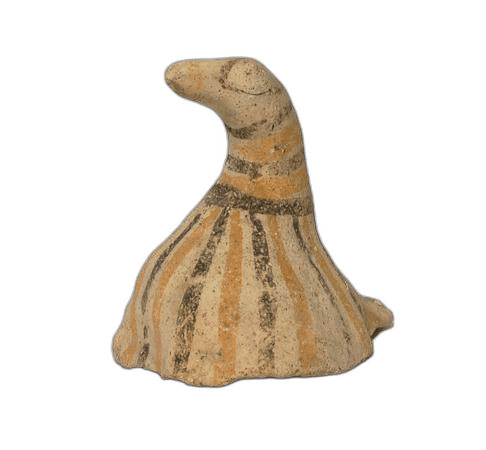
"Terracotta Duck Figurine"
Archaic II
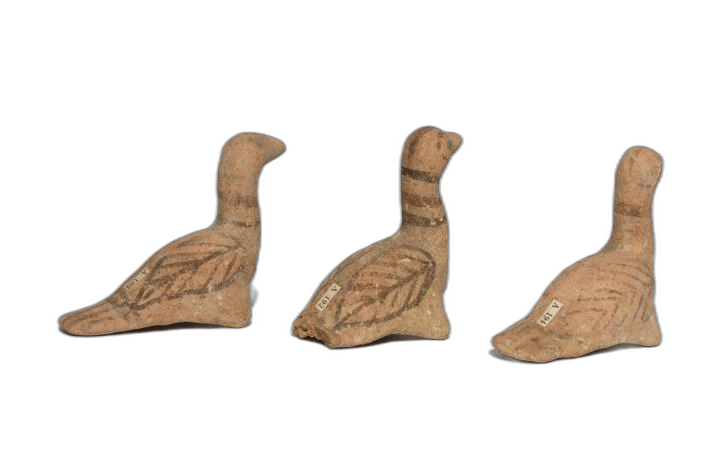
Terracotta Duck Figurine
Archaic II
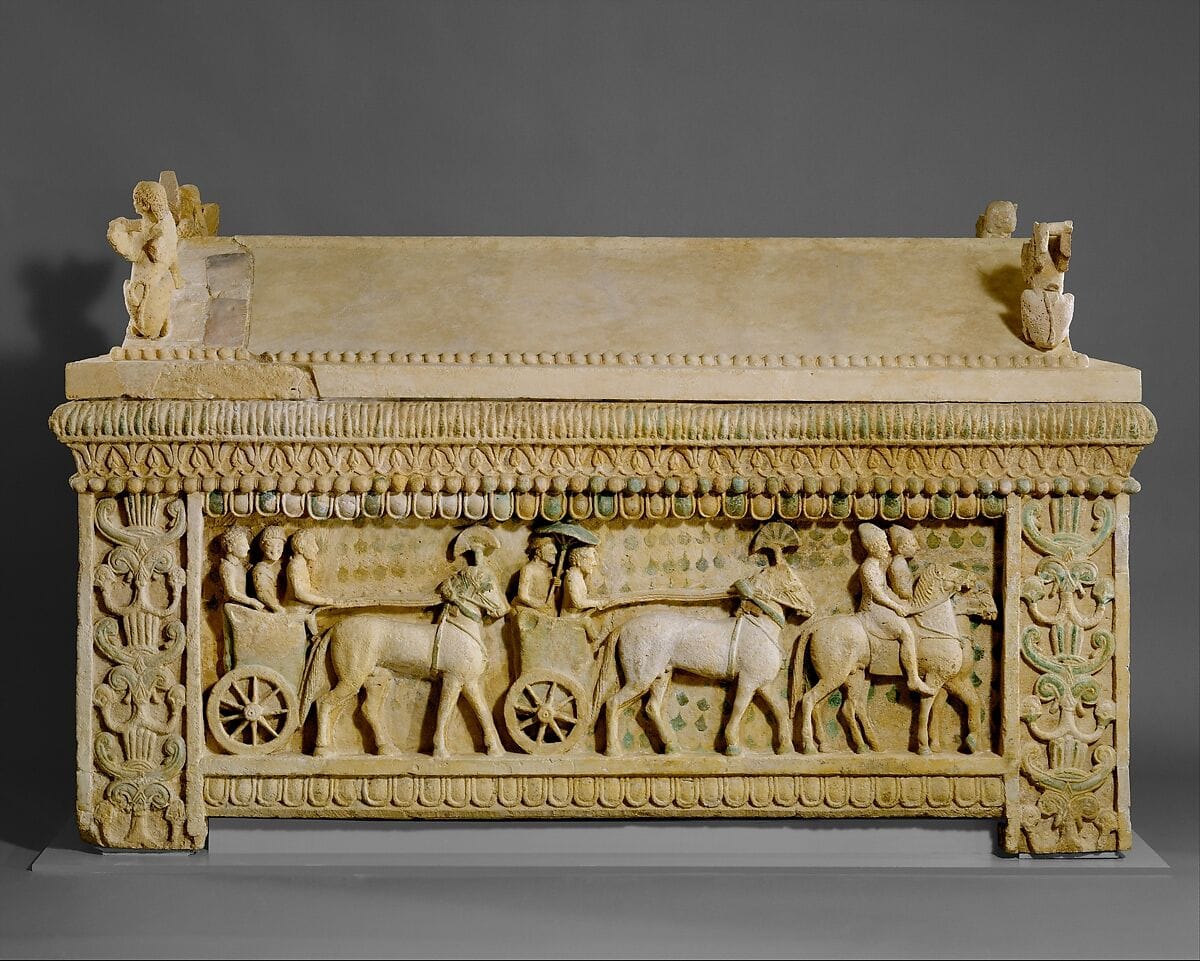
Limestone sarcophagus: the Amathus sarcophagus
Classical
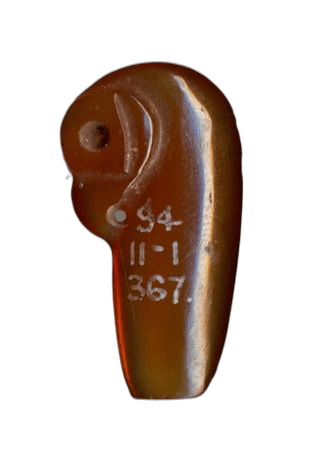
Sard Bird-Head Pendant
Archaic
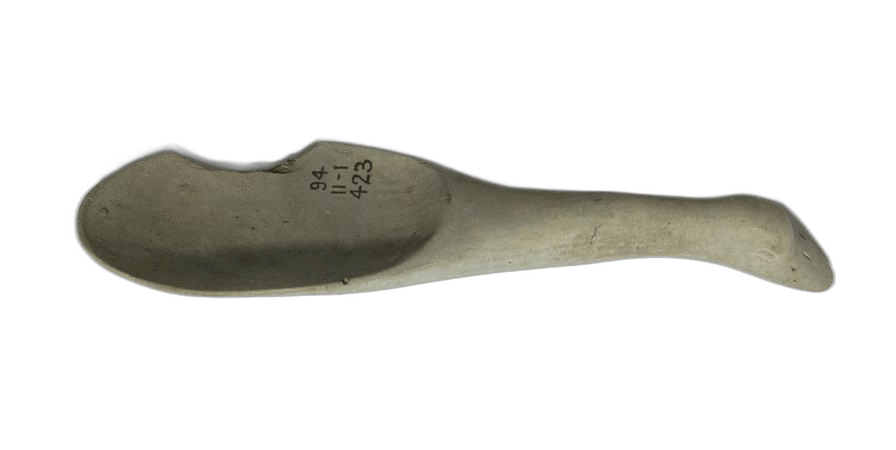
Blue Glazed Duck Spoon
Archaic
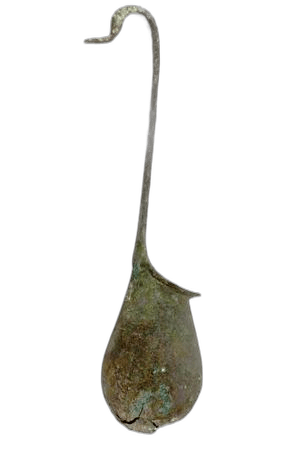
Bronze Bird-head Dipper
Archaic
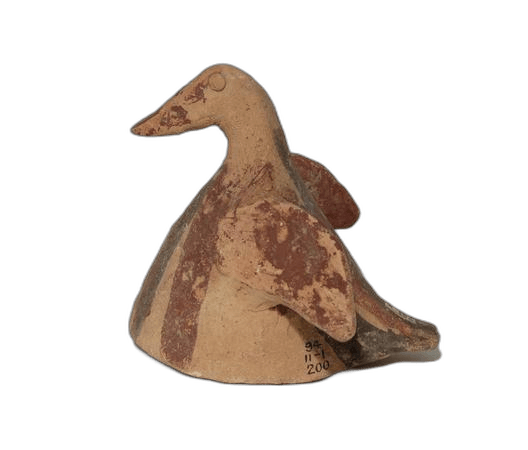
Buff Clay Bird Figurine
Archaic II
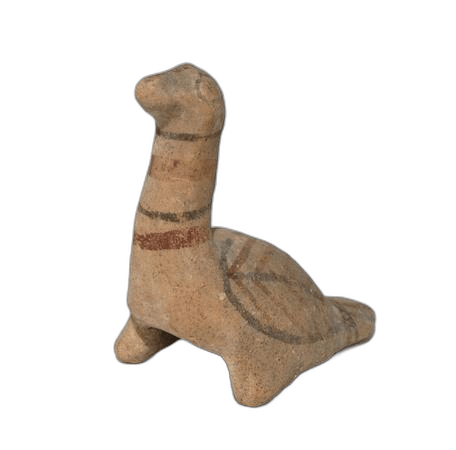
Terracotta Duck Figurine
Archaic II
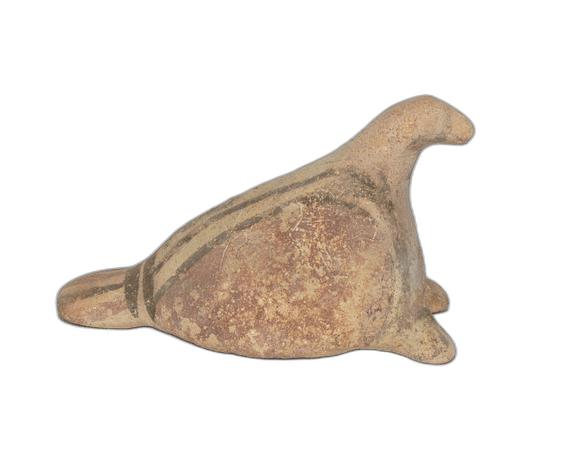
Terracotta Duck Figurine
Archaic II
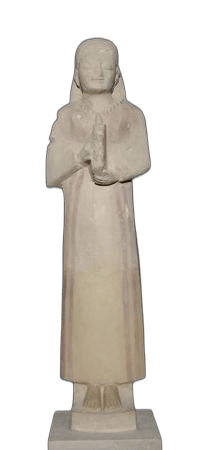
Neo-Cypriote Tambourine Figure
Archaic II
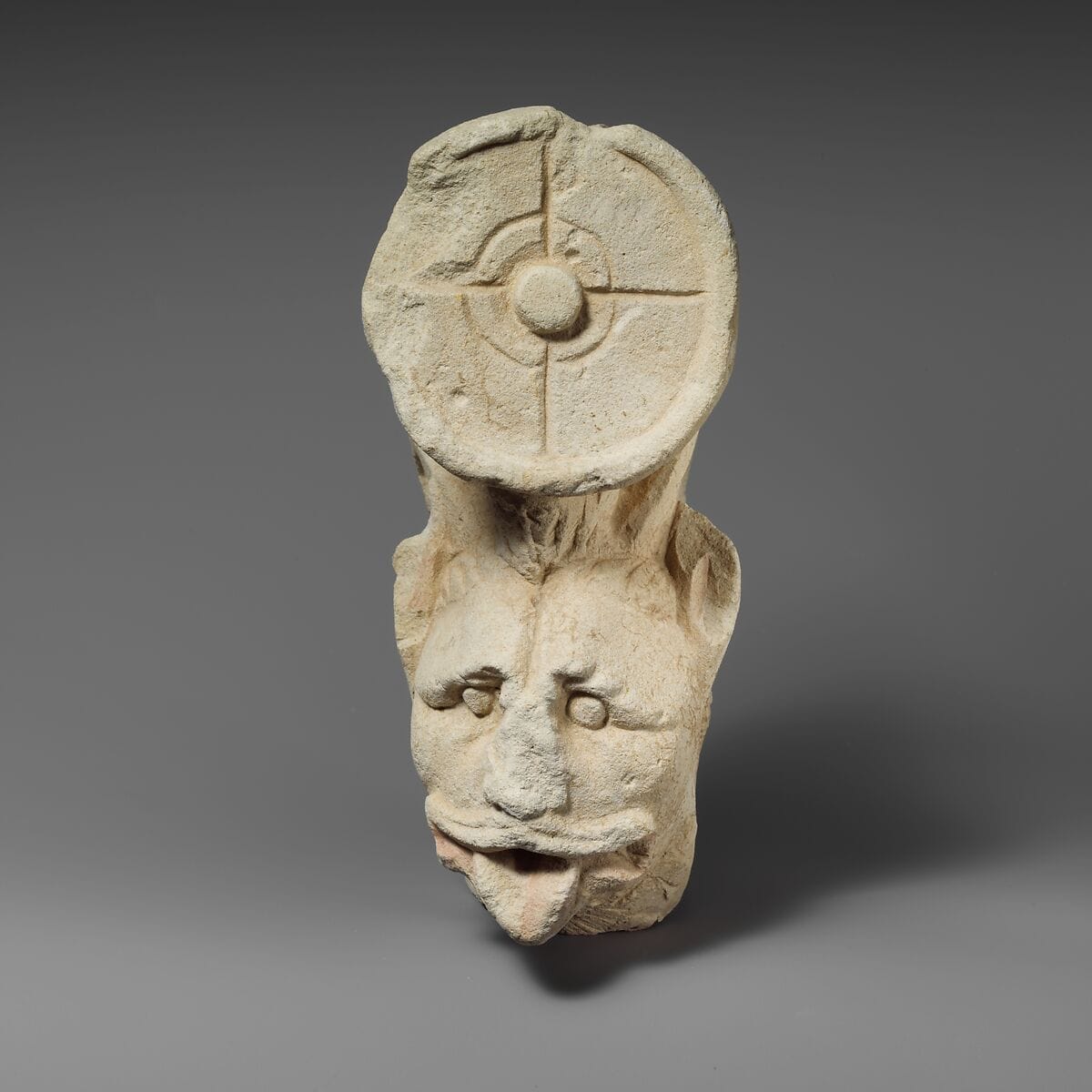
Fragment of a limestone throne (?) with the head of a horned lion
Roman
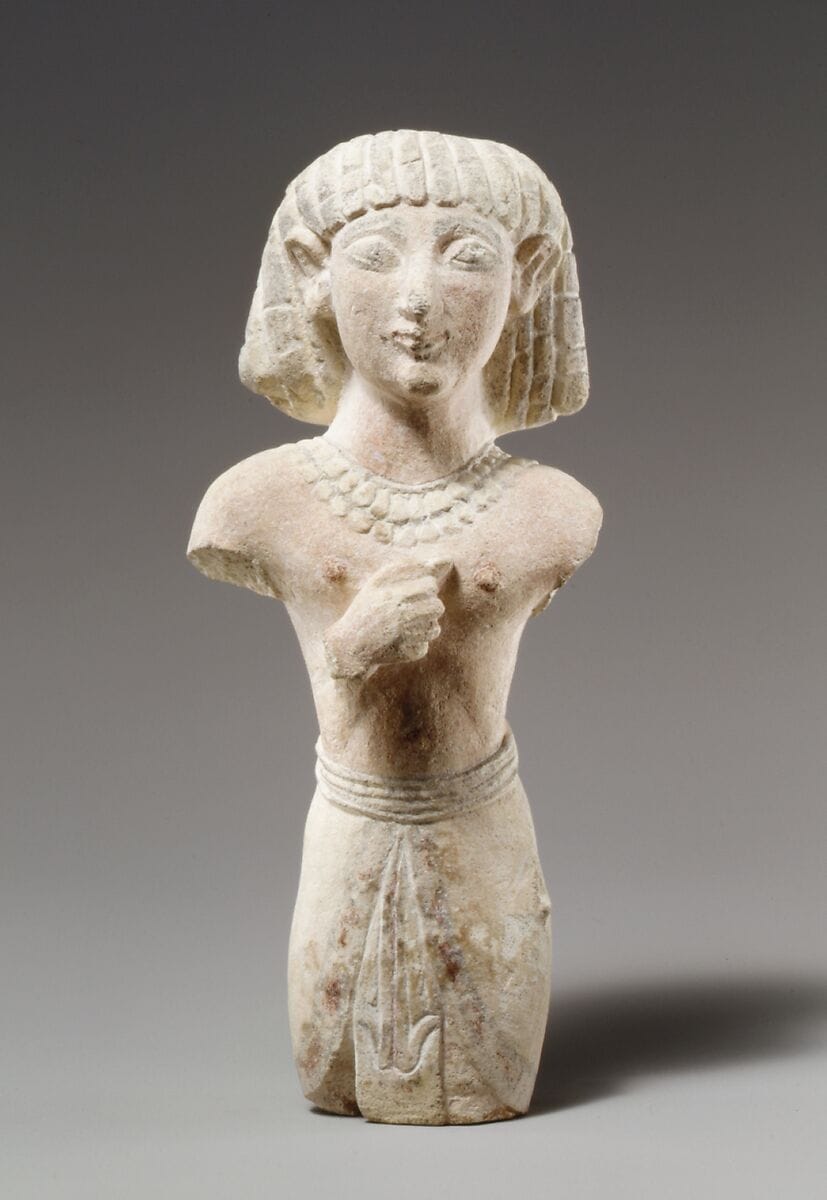
Limestone youth
Archaic II