

Archaic I
Woman with calf
Woman with calf The statuette belongs to a type, which is known from numerous examples found northwest of Kition.The sacred building there was partially excavated by John L. Myres in 1894.The terracotta and limestone statuettes discovered here are now largely in the Cyprus Museum in Nicosia;The Asmolean Museum, Oxford, has numerous other copies.The sanctuary was probably in the 7th century BCBC built and existed to Hellenistic time. To see is a statuette of a standing human figure that holds a small animal.The gender cannot be determined, but probably female.Cylindrical body made on the pane, which became wider in its lower part, which is only preserved fragmented.The head shaped in a model is right and poorly attached to the body with a cone.The facial features are reproduced exactly, with raised eyelids and eyebrows.Red painting on the whole face.Short hair curls on both sides of the face, hair painted black.Flat back of the head with air hole.Both arms are angled and wear a small, horned animal with balls as eyes that could be a calf.Bernhard-Walcher and others, the Cypricer Antique Collection in the KHM.Collection catalogs of the KHM Vol. 2, Vienna 1999 (V. Karageghis) H. 22,7 cm
Classification
- Object type
- Terracotta figurine
- Decoration
- Painted
- Material
- Clay
- Period
- probablyIron AgeCypro-Archaic
- Date
- 700 - 600 BC
- Place of production
- Cyprus
Collection
Provenance
- Ashmolean Museum Oxford;From the excavations by John L. Myres 1894;1905 gift
Identifiers
- Accession no.
- Antikensammlung, V 1987, Vienna Museum
Corrections and additions
Do you know this object?
We are always looking for more of an object's history: who owned it, where it was sold or shown, and where it was published.
Missing from this record
- No publication recorded
We would like to hear about
- Earlier owners, sales or exhibitions
- Publications that illustrate or mention it
- Where it is now, if it has moved
- Better photographs, or a close parallel
- A mistake in what we say about it
Messages are read by us alone and kept confidential, unless the law requires otherwise. Tell us if you would like to be thanked by name on the page.
Similar pieces
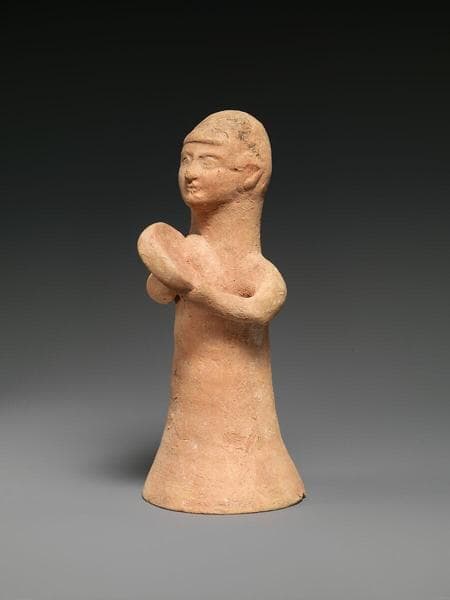 Terracotta female musicianMetropolitan Museum of Art
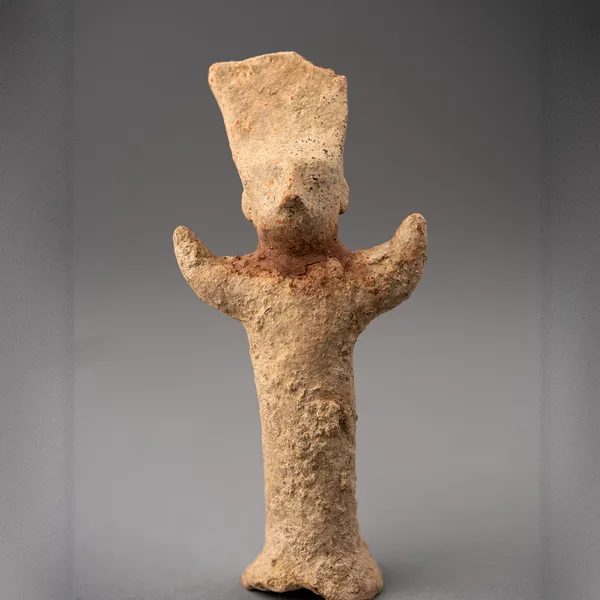 Terracotta Figure with Upraised Arms and Flaring HeaddressDrakopoulos Collection
 Terracotta figurineAyia Irini-Palaeokastro
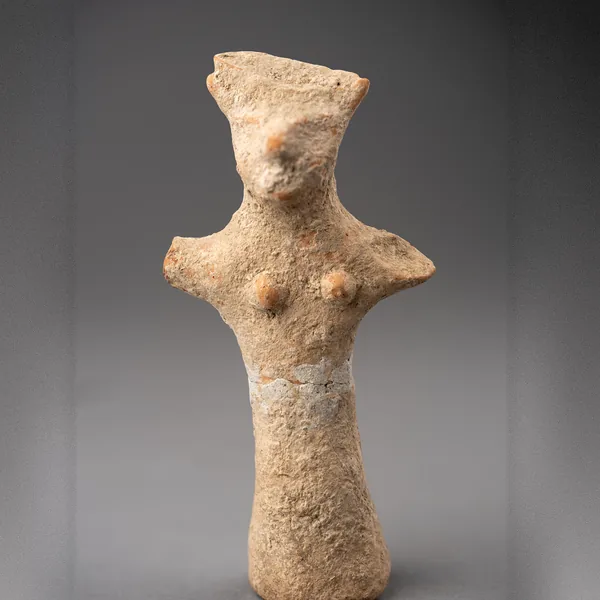 Terracotta Female Figure with Outstretched ArmsDrakopoulos Collection
 Cypro-Archaic Terracotta Musician or Votive RepresentationCyprus Museum, Jacksonville
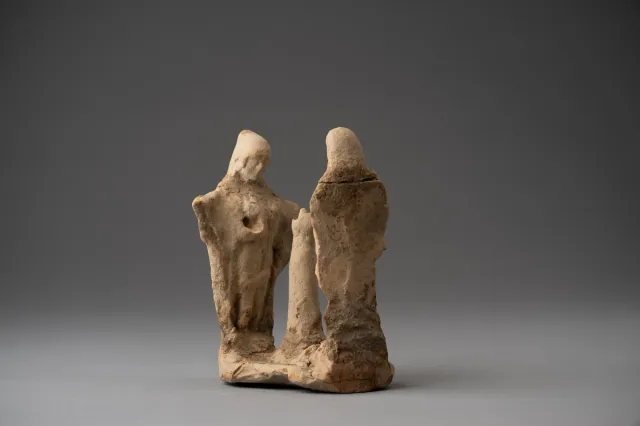 Two Veiled Figures from a Terracotta Ring-Dance Group, with the Stump of the Central TreeDrakopoulos Collection
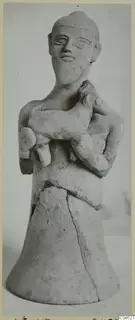 Terracotta figurineAyia Irini-Palaeokastro
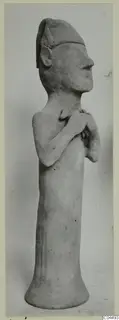 Terracotta figurineAyia Irini-Palaeokastro
 Cypro-Archaic Terracotta Fertility StatuetteCyprus Museum, Jacksonville
 Indeterminate Figurine with VesselBritish Museum
 Tambourine Female Worshipper FigurineBritish Museum
 Cypriot Terracotta Statuette of a Female VotaryCyprus Museum, Jacksonville
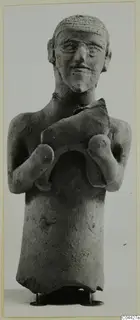 Terracotta figurineSwedish Cyprus Expedition
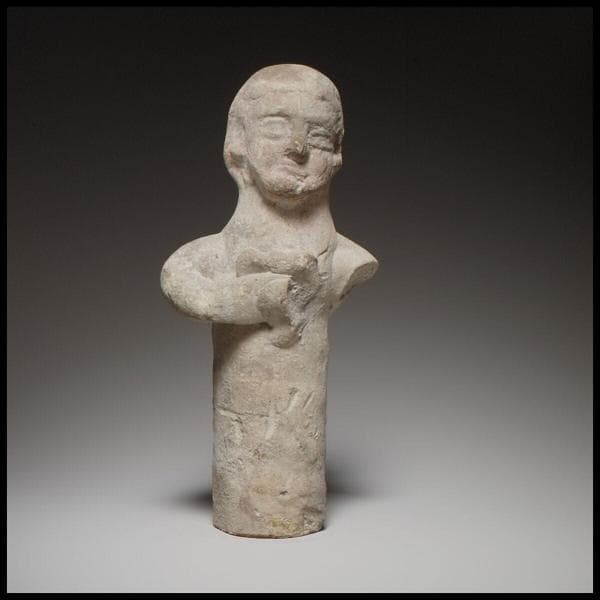 Standing male(?) figurineMetropolitan Museum of Art
 Terracotta Female FigureBritish Museum
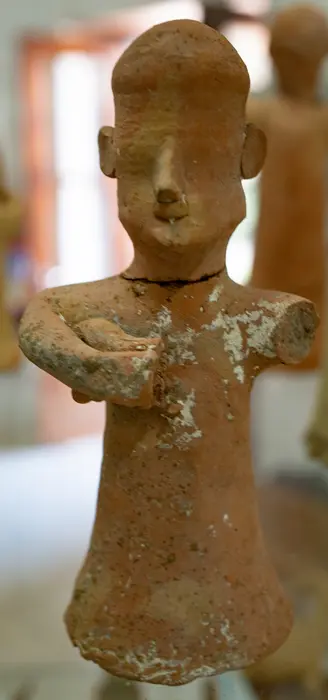 terracotta figurineKourion Museum
 Terracotta figurineSwedish Cyprus Expedition
 Terracotta FigurinesLarnaca Museum
 Terracotta FigurineLarnaca Museum
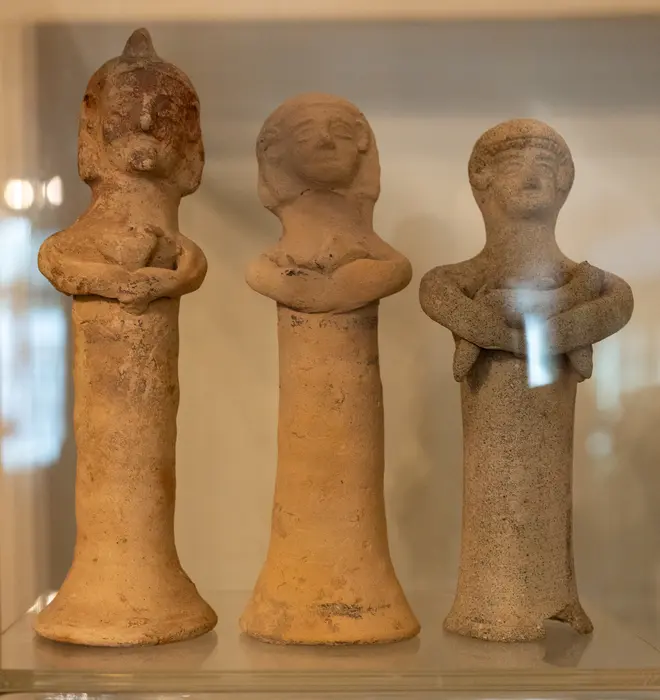 Three Terracotta FigurinesPierides Museum, Larnaca