

Archaic I
Bichrome Merchant Ship Model
Elaborately detailed terracotta model of merchant ship in Bichrome-style ware; hand-made with many applied details; large heavy hull with a rounded bottom with a highly detailed, raised poop-deck; large vertical shafts on each side of the poop-deck may be for oars for steering (an iron example of which was found in the original excavation, now lost); cross-beads span the hull, the central example of which frames a mast-socket; perforations along the length of the hull may have been drainage holes for an intermediary deck, or else oar holes; made of coarse red-brown clay, decorated black, red and (originally) yellow clay, much of which has faded since excavation; lines of black dots on the cross beams; parts of the model are damaged and cracked, and some of the original details seem to have disappeared, perhaps made of perishable materials. Dimensions: Height: 7 centimetres max. amidship ; Height: 3.50 centimetres stern above gunwale ; Length: 31 centimetres; Width: 9 centimetres max. amidship ; Depth: 10.50 centimetres Object Type: ship; model Ware: Bichrome Ware Techniques: handmade; painted; perforated
Classification
- Object type
- Model
- Decoration techniques
- Painted, PaintedPainted in two colours
- Motif
- Ship
- Material
- Clay
- Period
- probablyIron AgeCypro-Archaic
- Date
- 750 - 500 BC
- Place of production
- probablyCyprus
- Findspot
- Amathus
Also recorded as
A museum record
British Museum, 1894,1101.182 (“ship; model”)
Corrections and additions
Do you know this object?
We are always looking for more of an object's history: who owned it, where it was sold or shown, and where it was published.
Missing from this record
- No publication recorded
We would like to hear about
- Earlier owners, sales or exhibitions
- Publications that illustrate or mention it
- Where it is now, if it has moved
- Better photographs, or a close parallel
- A mistake in what we say about it
Messages are read by us alone and kept confidential, unless the law requires otherwise. Tell us if you would like to be thanked by name on the page.
Similar pieces
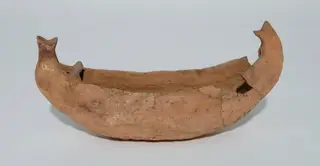 Boat; modelBritish Museum
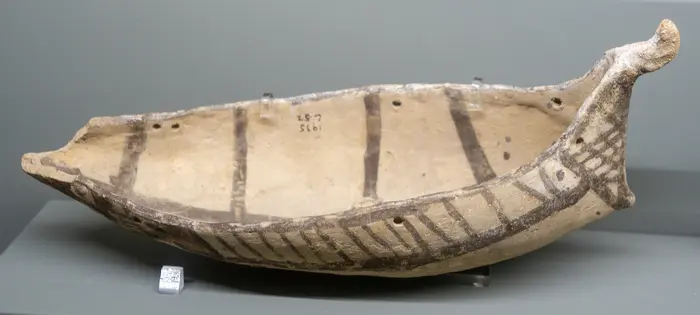 Terracotta BoatCyprus Museum, Nicosia
 Terracotta BoatLarnaca Museum
 Proto-White Painted BathtubBritish Museum
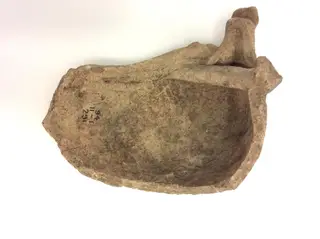 Model; boatBritish Museum
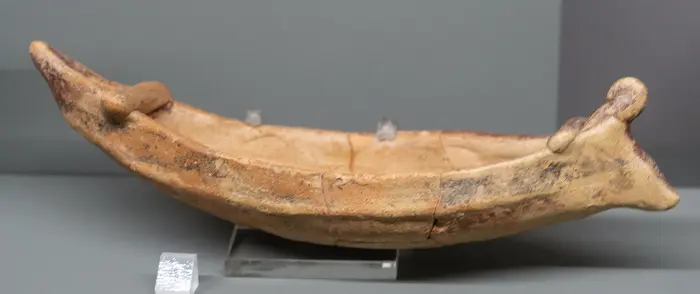 Terracotta BoatCyprus Museum, Nicosia
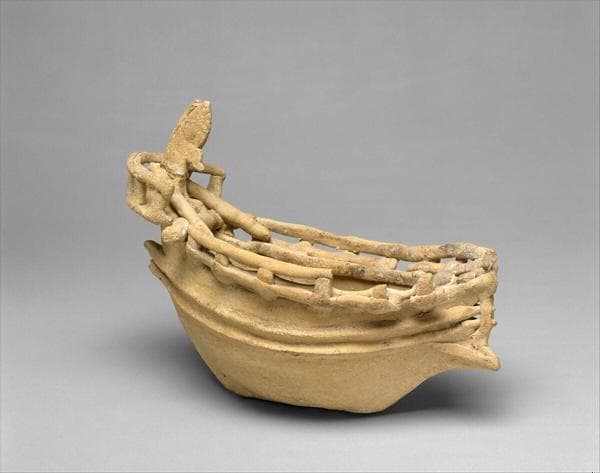 Terracotta model of a shipMetropolitan Museum of Art
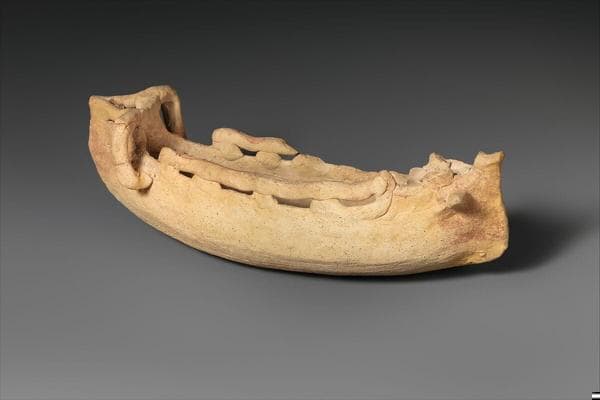 Terracotta model of a shipMetropolitan Museum of Art
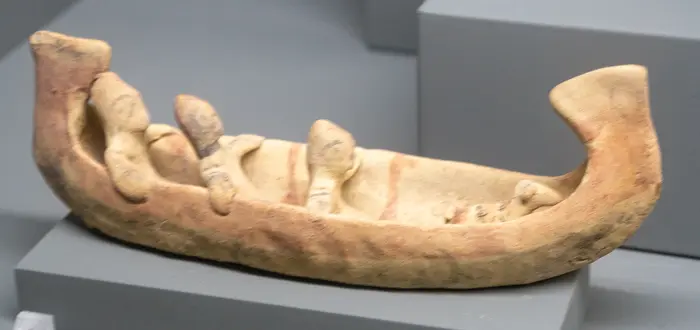 Terracotta BoatCyprus Museum, Nicosia
 Ivory objectLarnaca Museum
 Red Polished ShrineCyprus Museum
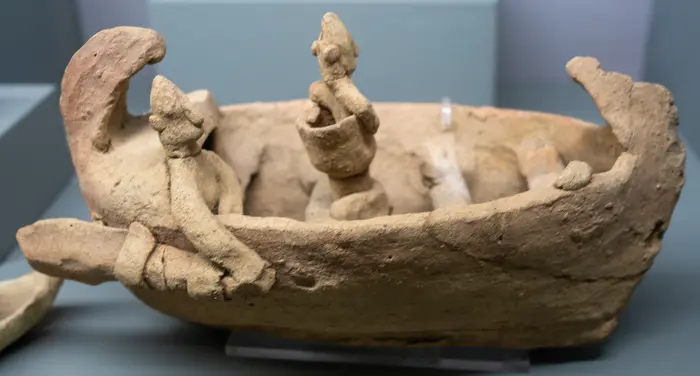 Terracotta BoatCyprus Museum, Nicosia