
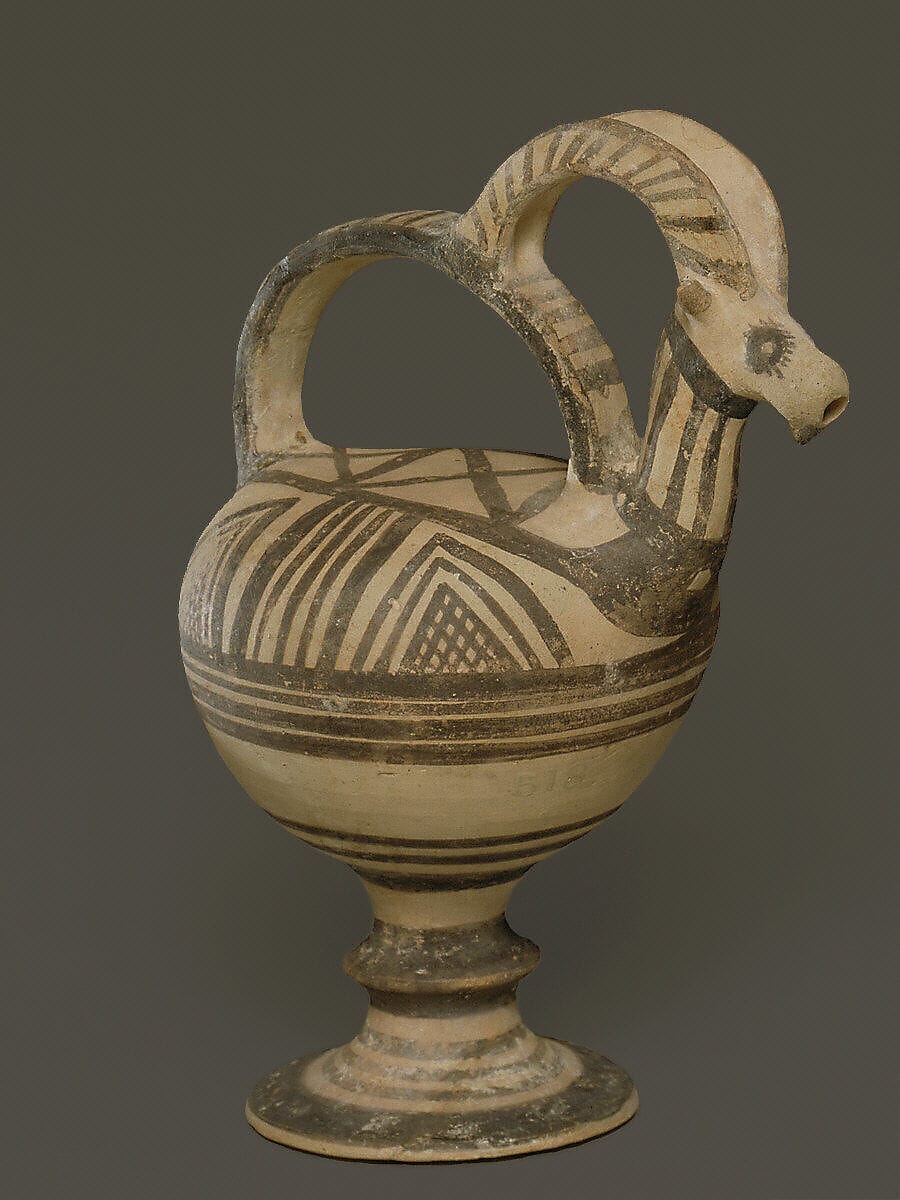
Geometric I
Terracotta trick vase
The body was filled through the hollow stem, and the liquid poured out through the hold in the goat's muzzle. This type of vase was most popular during the late eleventh century B.C. H. 8 in. (20.3 cm)
Classification
- Object type
- Pottery vessel
- Motif
- Goat, deer and ibex
- Material
- Clay
- Date
- 1050 - 950 BC
- Place of production
- Cyprus
Accession No.
74.51.782
Collection
Provenance
References
- Cesnola, Luigi Palma di. 1885. A Descriptive Atlas of the Cesnola Collection of Cypriote Antiquities in the Metropolitan Museum of Art, New York, Vol. 1. pl. XCV.813, Boston: James R. Osgood and Company.Myres, John L. 1914. Handbook of the Cesnola Collection of Antiquities from Cyprus. no. 518, New York: The Metropolitan Museum of Art.Karageorghis, Vassos, Joan Mertens, and Marice E. Rose. 2000. Ancient Art from Cyprus: The Cesnola Collection in The Metropolitan Museum of Art. no. 126, p. 80, New York: The Metropolitan Museum of Art.
More from the Catalogue
Browse related objects
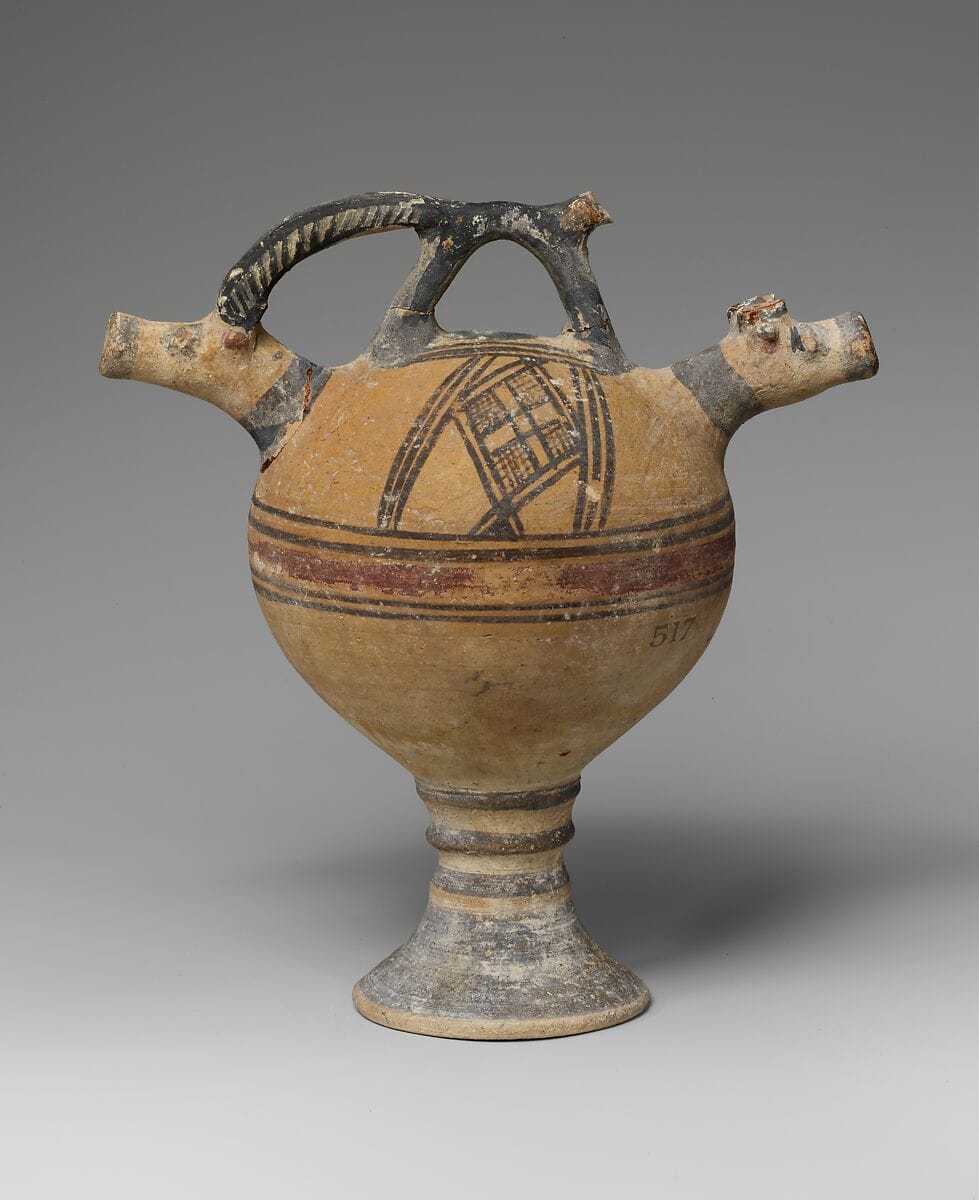
Terracotta vase on a high foot with two goats' heads in relief
Geometric I
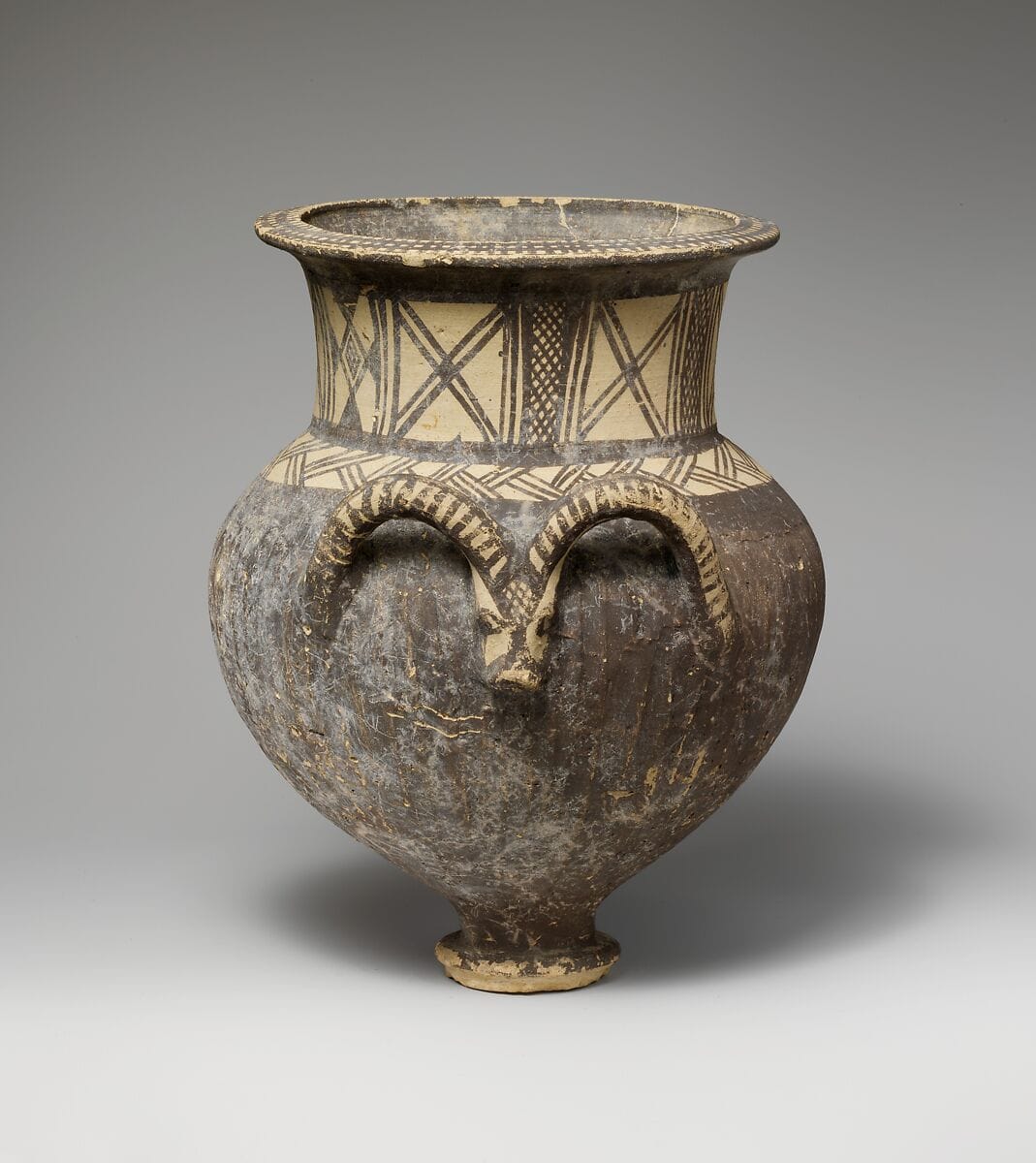
Terracotta amphora (jar)
Geometric I
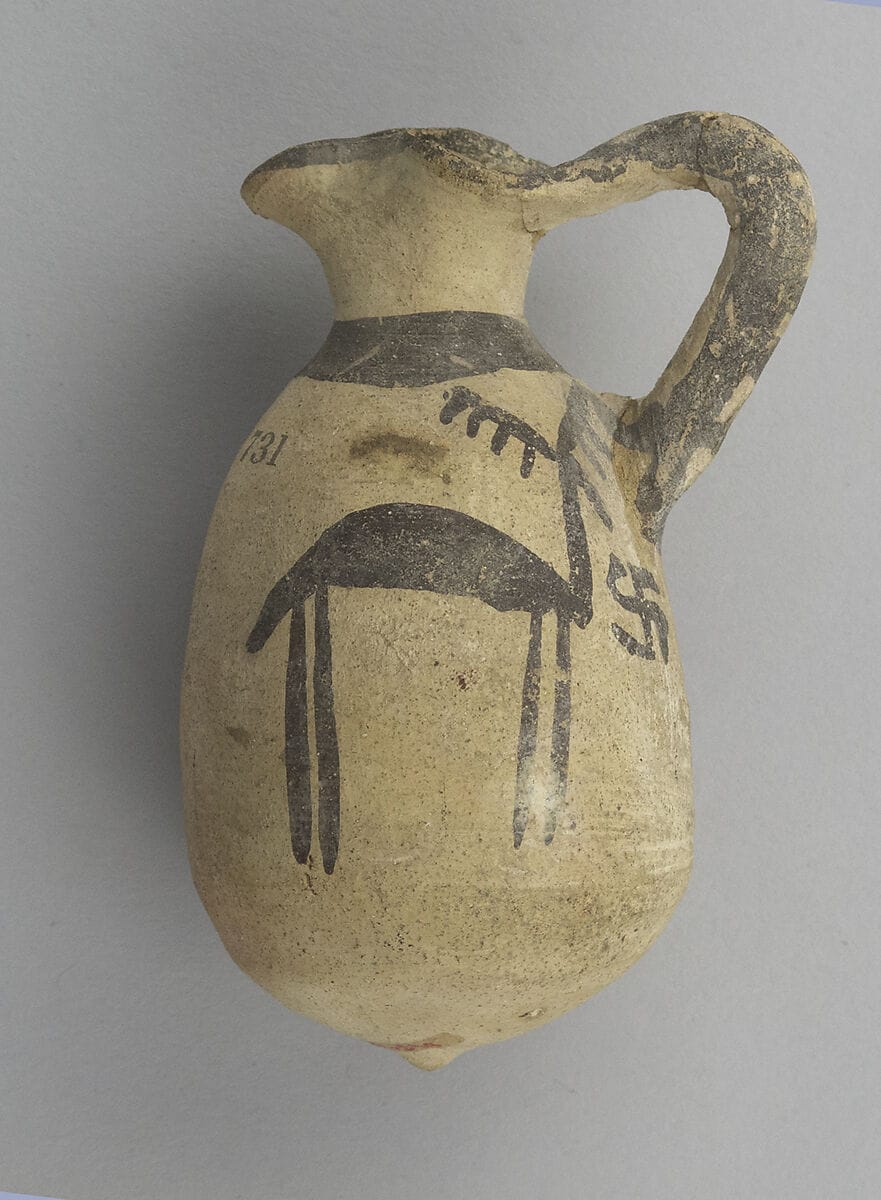
Jug
Geometric III
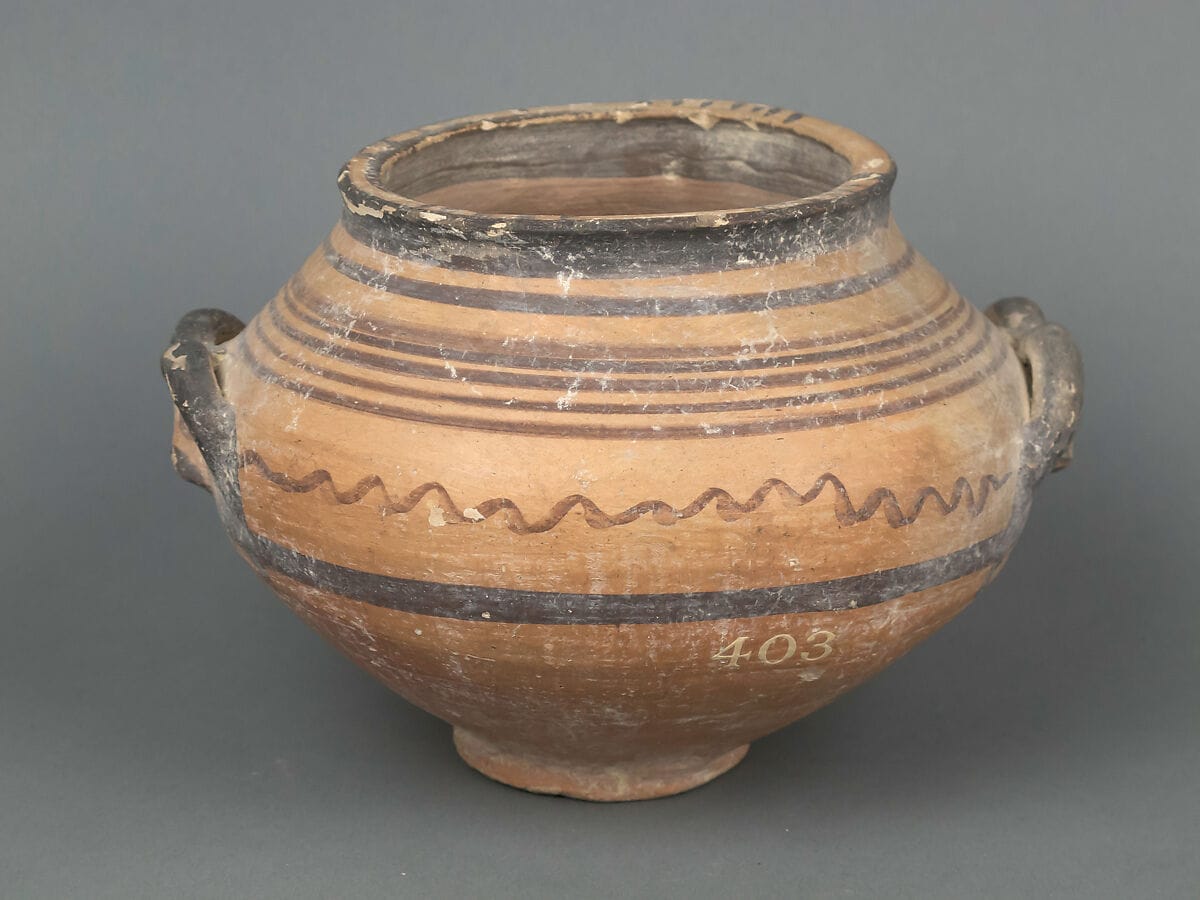
Jar
Geometric III
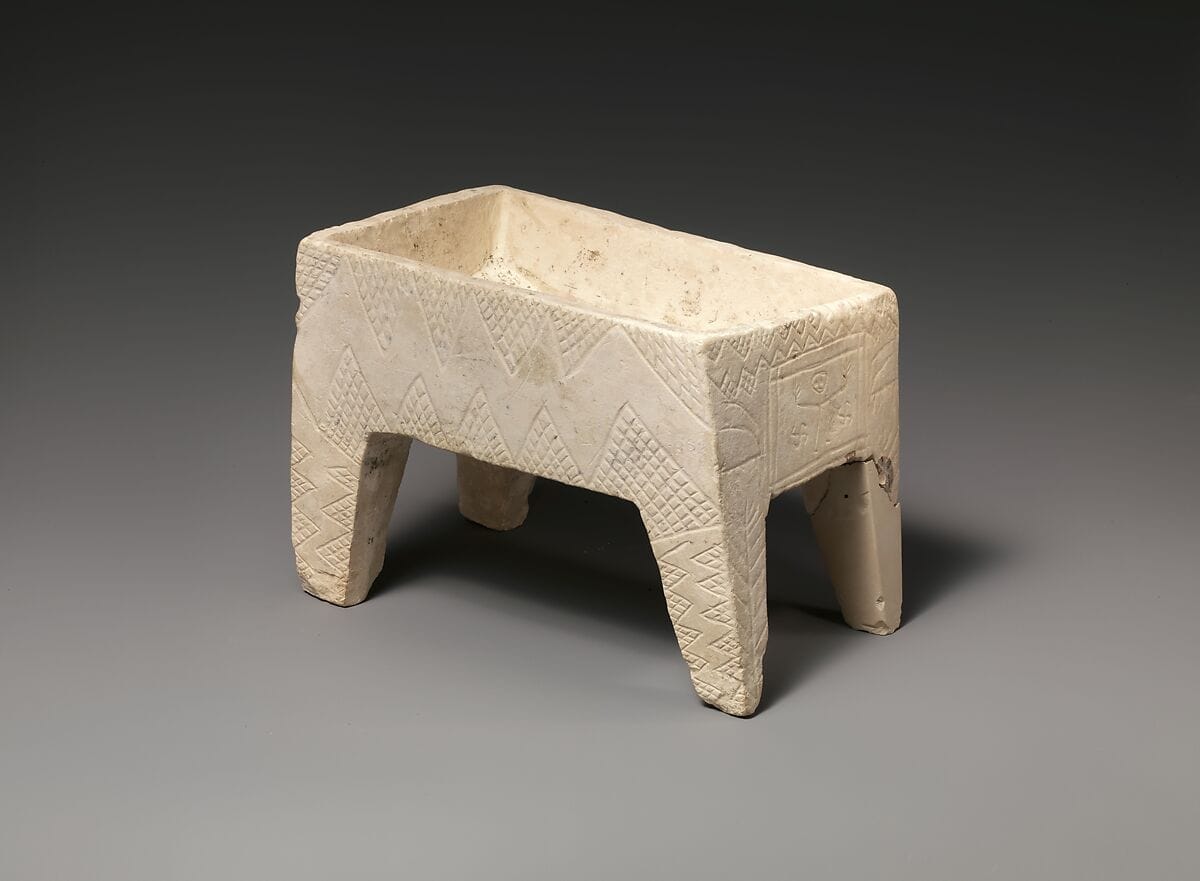
Limestone model of a coffin
Geometric I
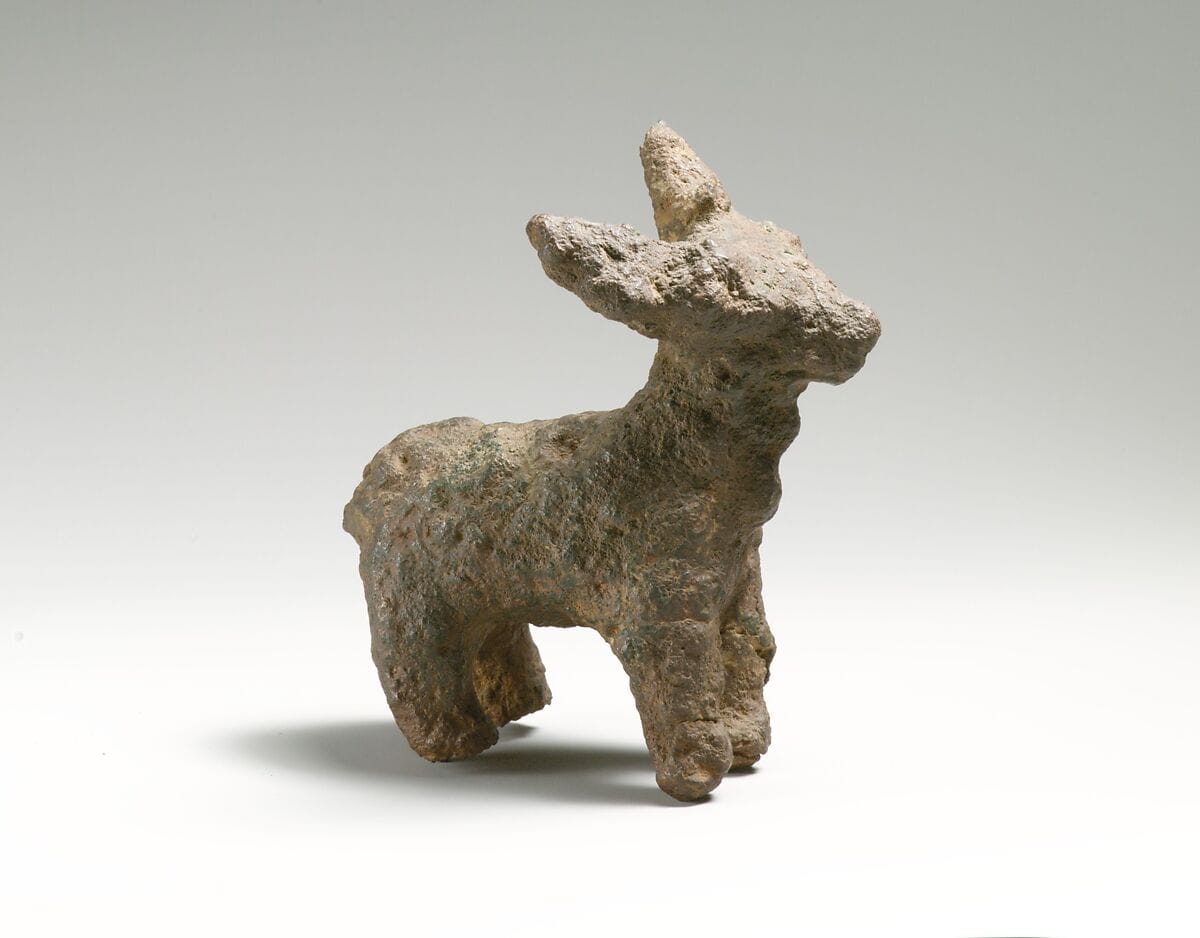
Bronze statuette of a stag
Geometric III
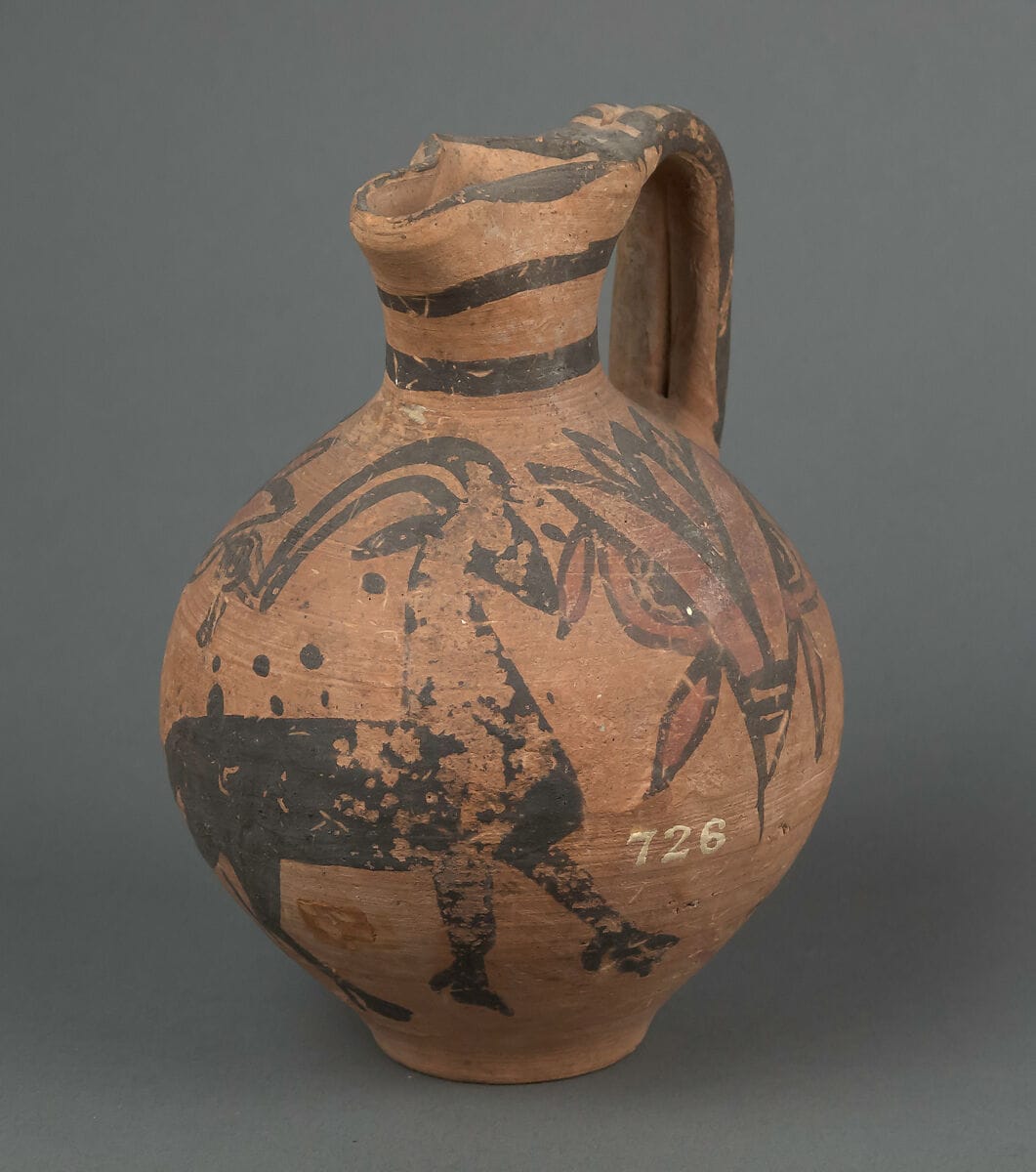
Jug
Archaic I
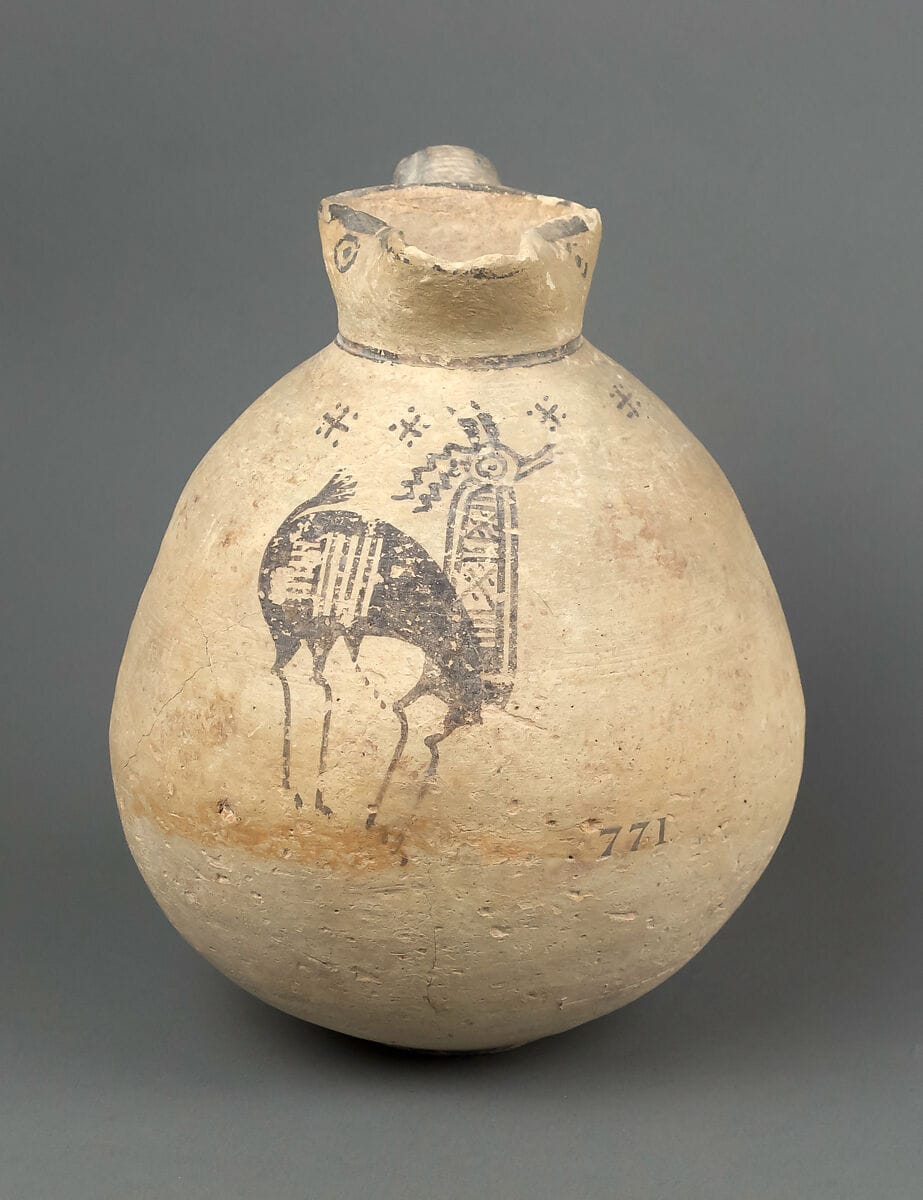
Juglet
Archaic I
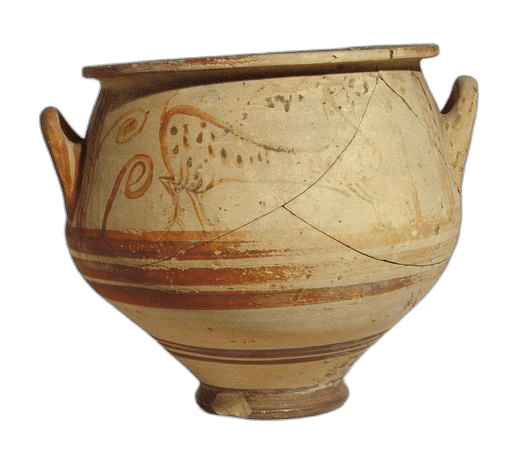
White Painted Bell Krater
Late Bronze Age II
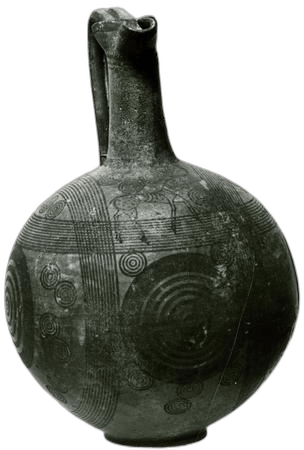
Black-On-Red Oinochoe
Archaic I

Bichrome Red Shallow Bowl
Archaic
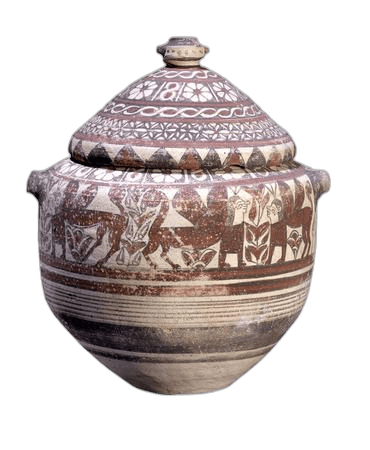
Bichrome Sphinx Jar
Archaic II
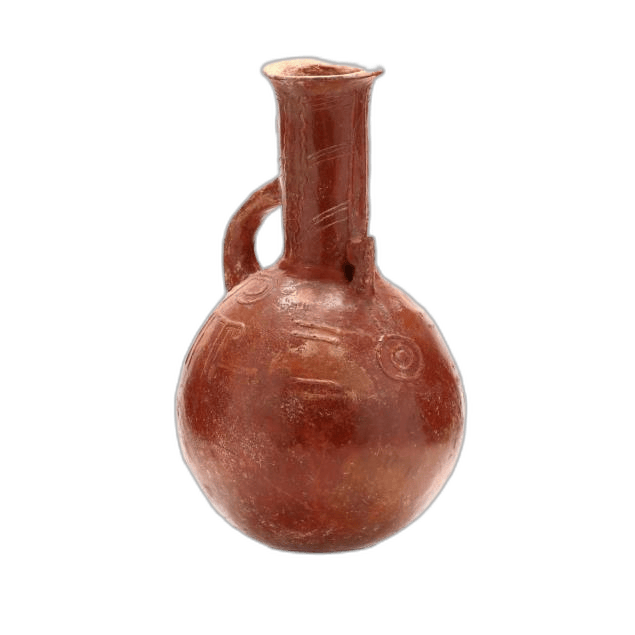
Cypriot Early Bronze Age Polished Red Ware Pitcher
Early Bronze Age III
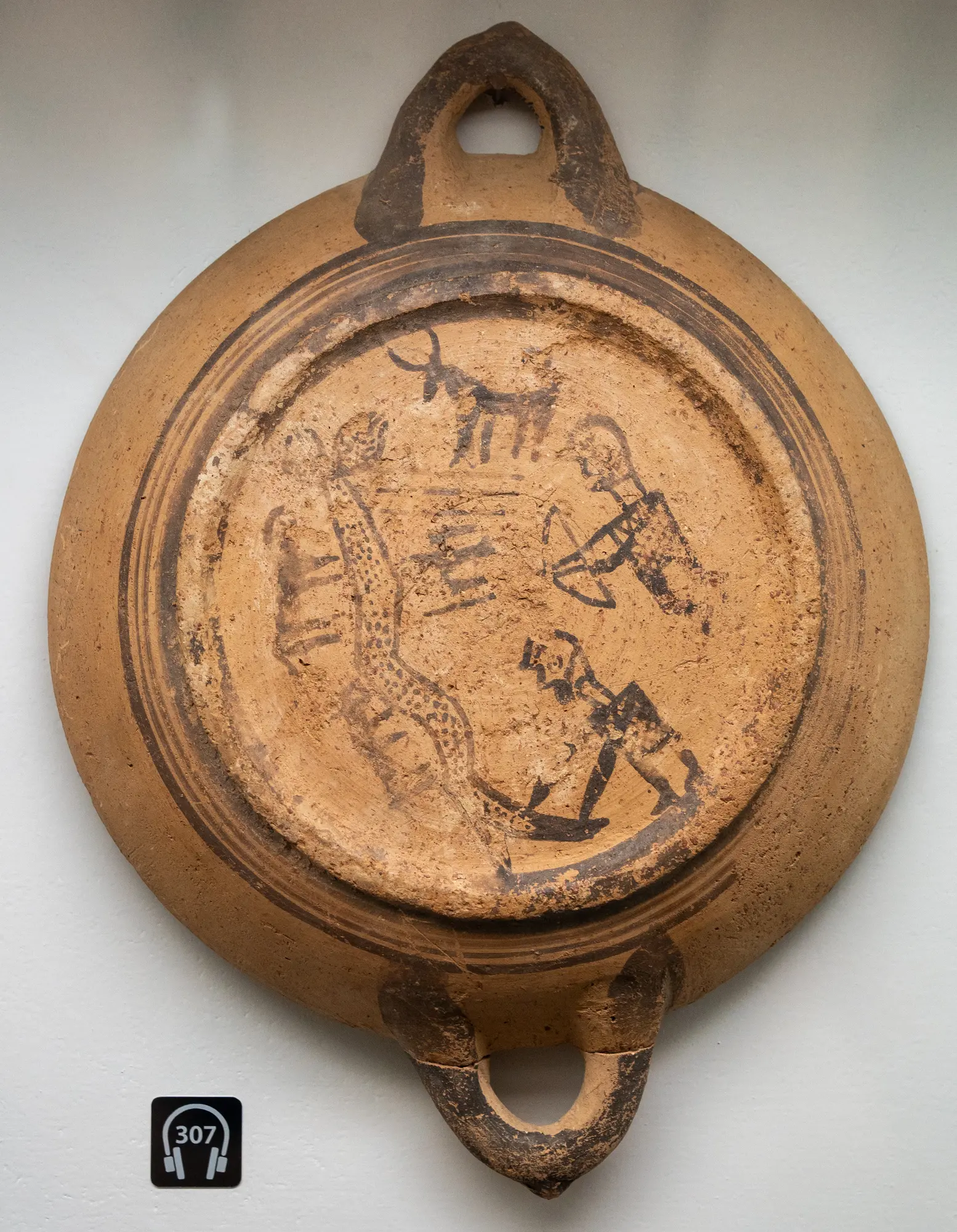
Free Field Dish
Geometric
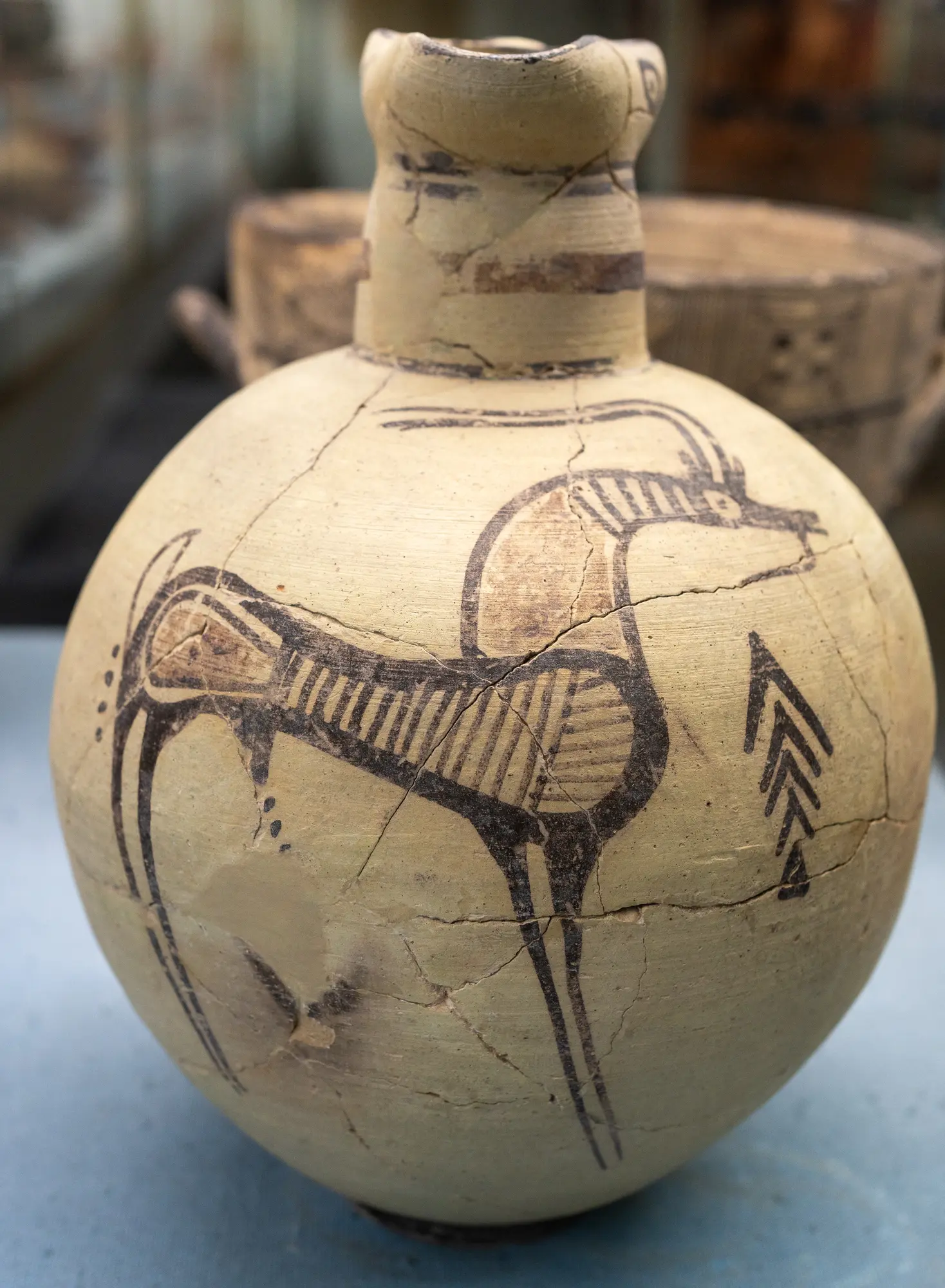
Free Field Goat Oinochoe
Archaic I
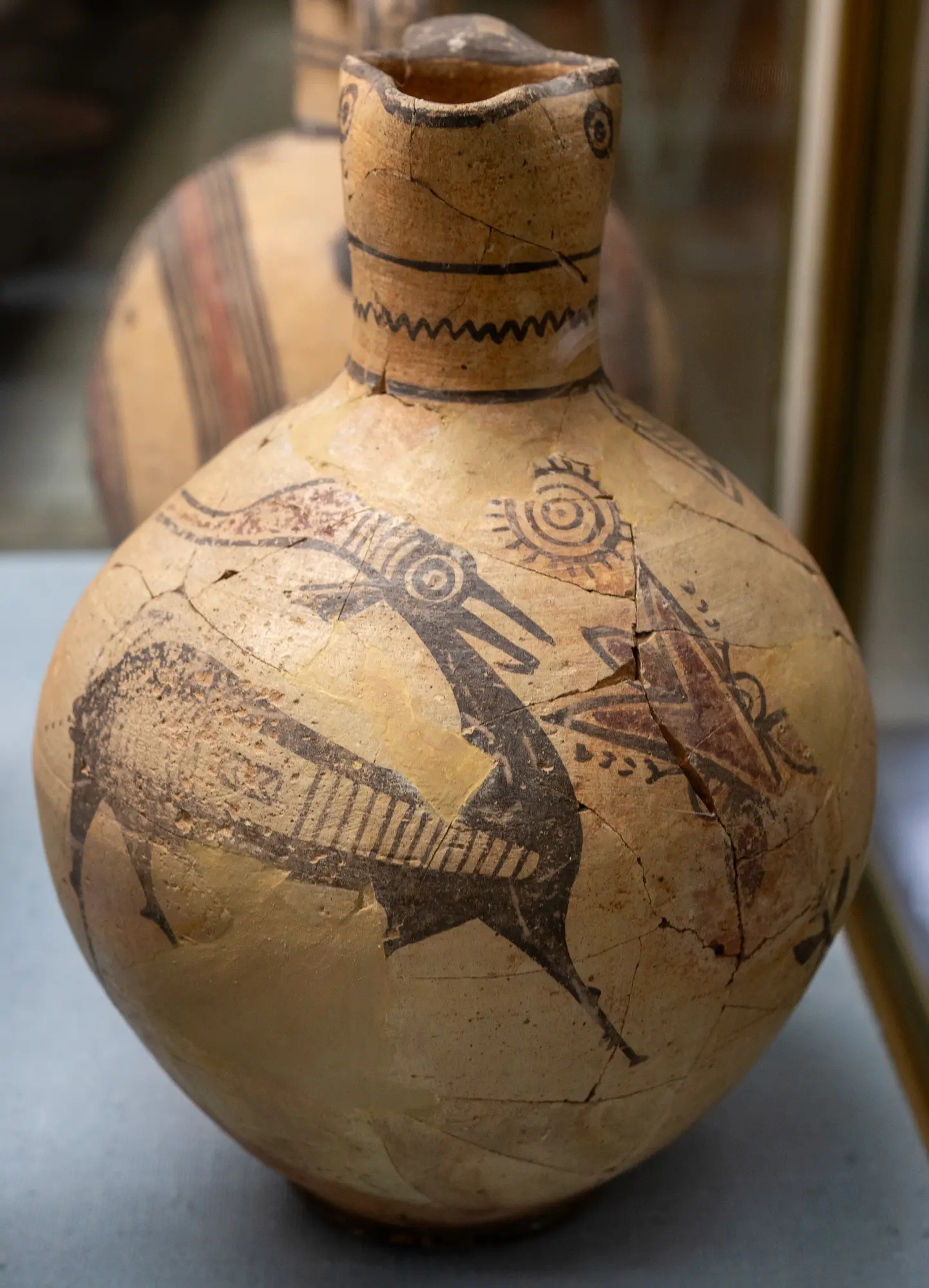
Free Field Bichrome Oinochoe
Archaic I
Free Field Oinochoe
Archaic I
Free Field Jar
Archaic I