
Archaic II
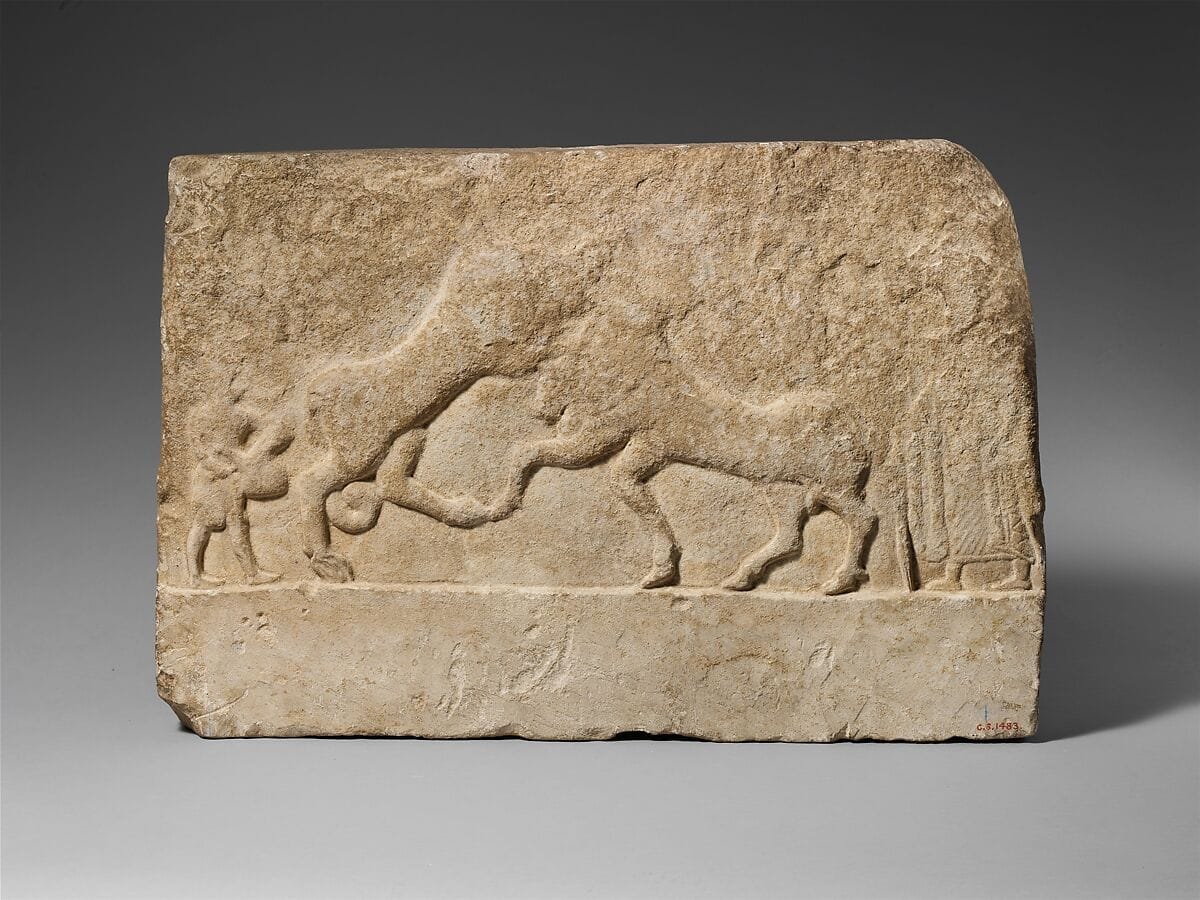
Limestone votive relief with a lion killing a bull and two human figures
Above the flat band serving as a ground line is a wild animal standing on its hind legs, only one of which touches the ground. He grips the throat of a bovid, the body of which is slightly raised. Overall: 17 3/4 × 26 1/8 × 3 3/4 in. (45.1 × 66.3 × 9.5 cm)
Date
550 - 501 BC
Accession No.
74.51.2878
Collection
Metropolitan Museum of Art
Provenance
- Sanctuary of Golgoi-Ayios Photios
References
- Doell, Johannes. 1873. Die Sammlung Cesnola. no. 773, p. 50, pl. XI.9, St. Petersburg: L’Académie Impérial des Sciences.Cesnola, Luigi Palma di. 1877. Cyprus: Its Ancient Cities, Tombs, and Temples. A Narrative of Researches and Excavations During Ten Years' Residence in That Island. pl. XLVIII, London: John Murray.Cesnola, Luigi Palma di. 1885. A Descriptive Atlas of the Cesnola Collection of Cypriote Antiquities in the Metropolitan Museum of Art, New York, Vol. 1. pl. XCIV.626, Boston: James R. Osgood and Company.Myres, John L. 1914. Handbook of the Cesnola Collection of Antiquities from Cyprus. no. 1396, New York: The Metropolitan Museum of Art.Hermary, Antoine and Joan R. Mertens. 2013. The Cesnola Collection of Cypriot Art : Stone Sculpture. no. 437, pp. 310-11, Online Publication, New York: The Metropolitan Museum of Art.
More from the Catalogue
Browse related objects
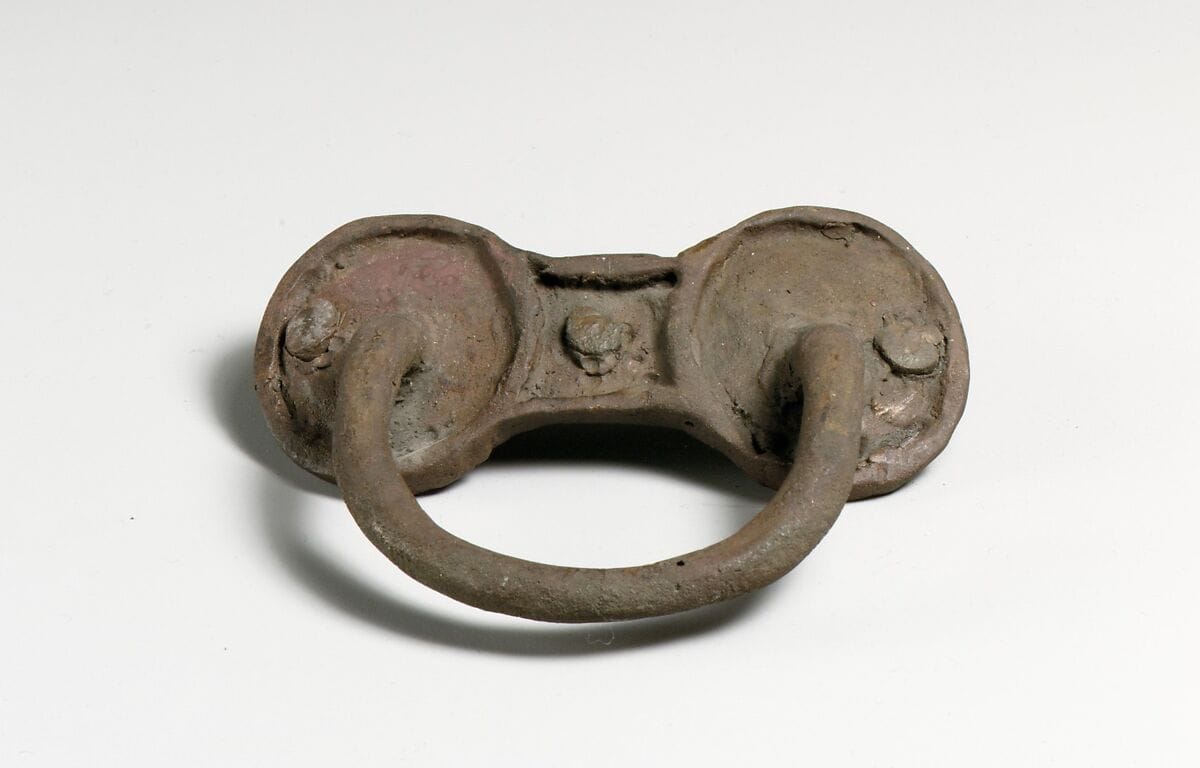
Handle
Archaic II
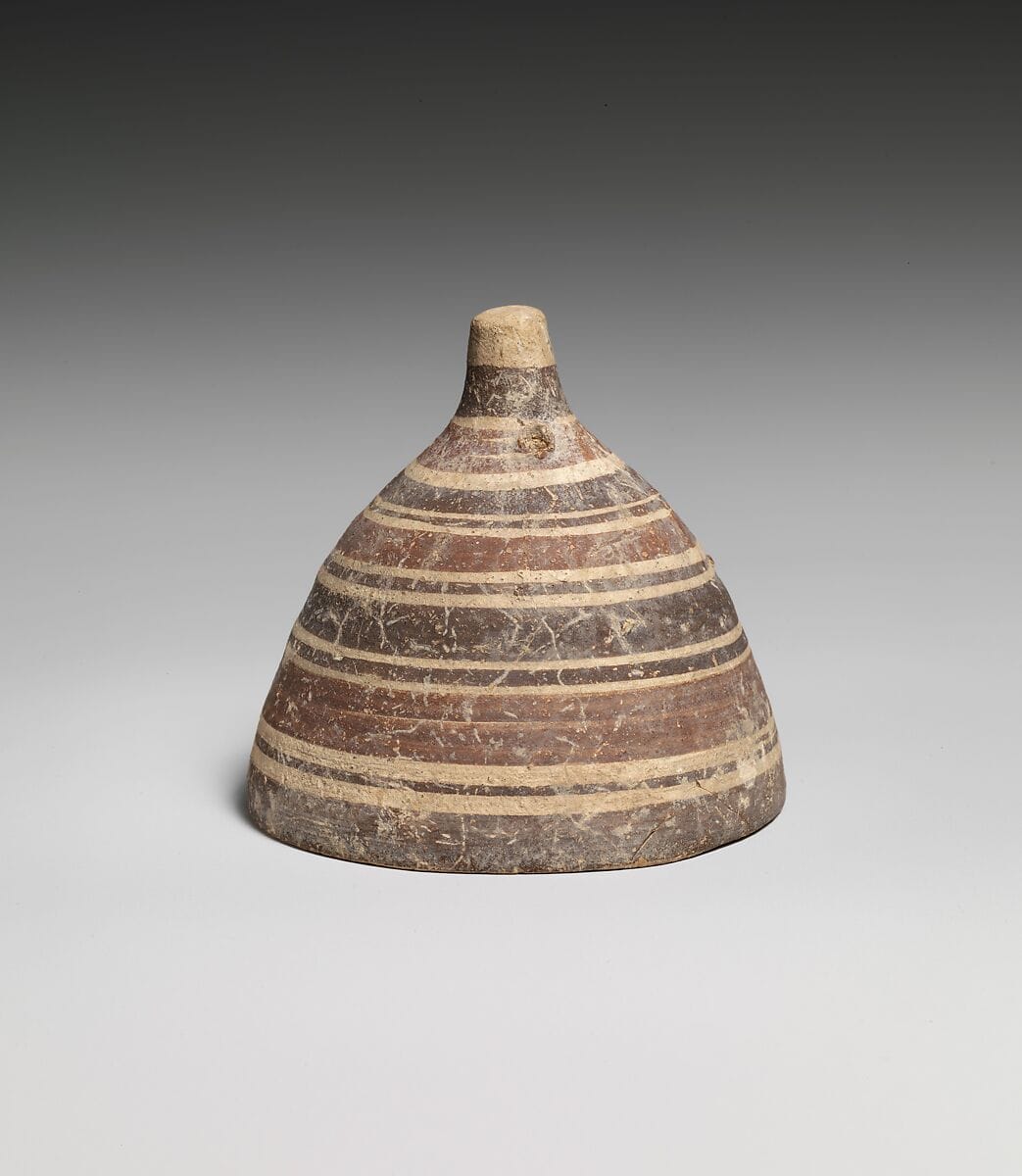
Terracotta bell
Archaic II
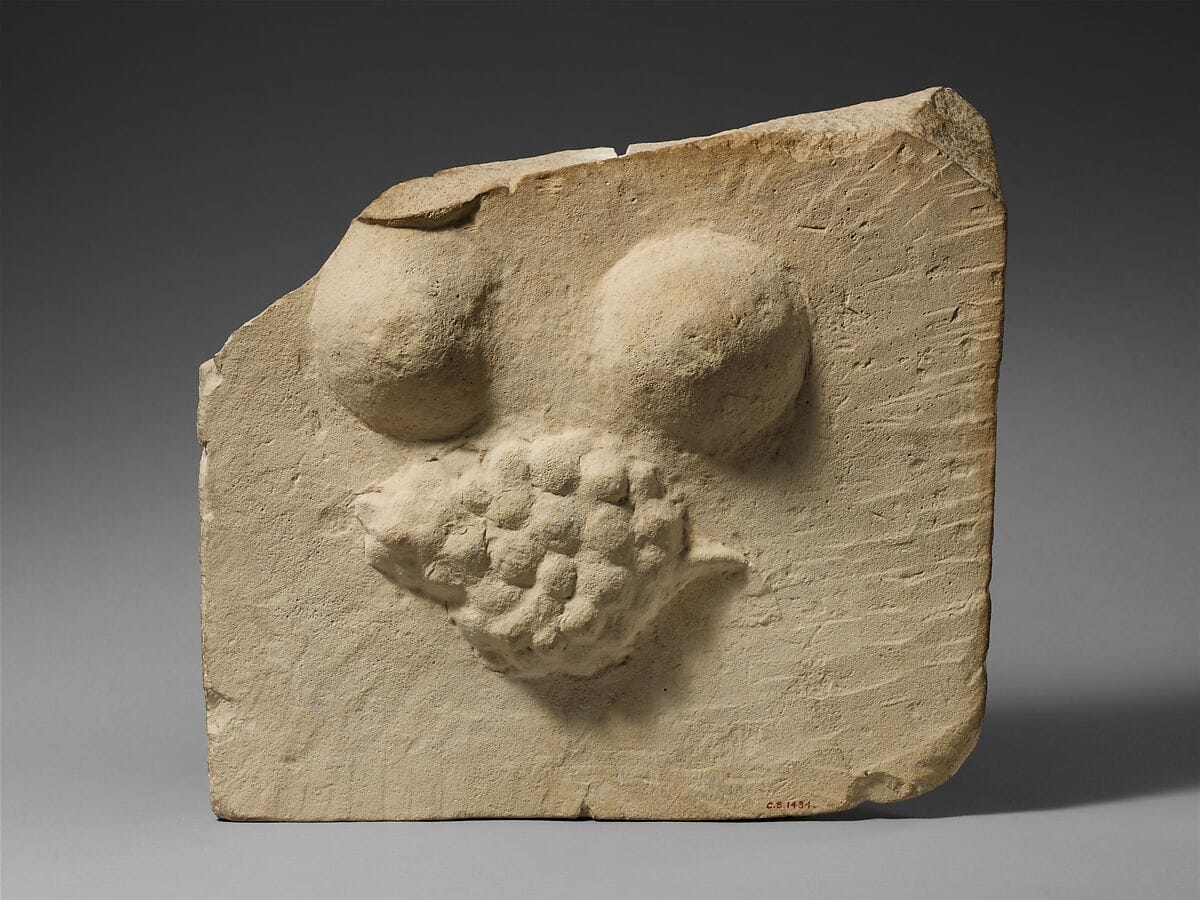
Limestone plaque with breasts and a bunch of grapes in relief
Hellenistic
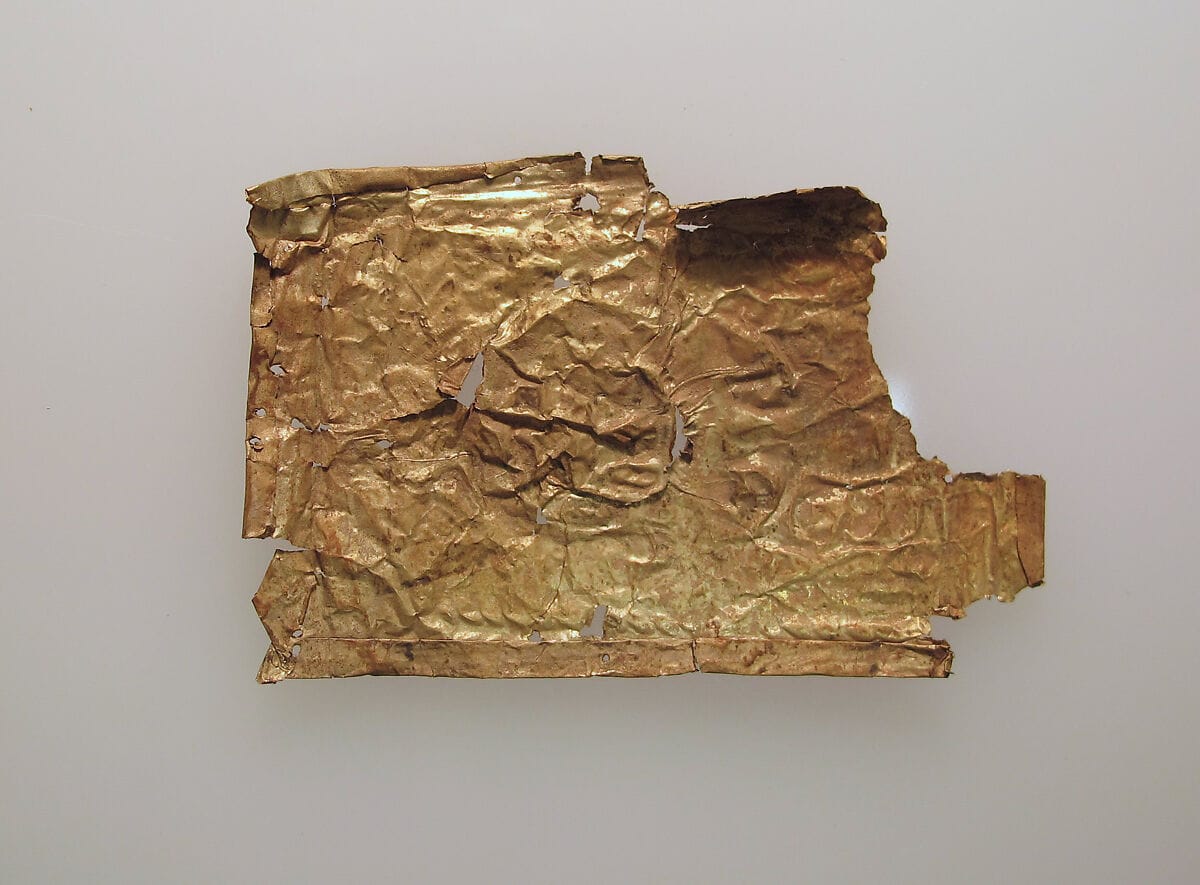
Plaque, thin gold leaf
Bronze Age
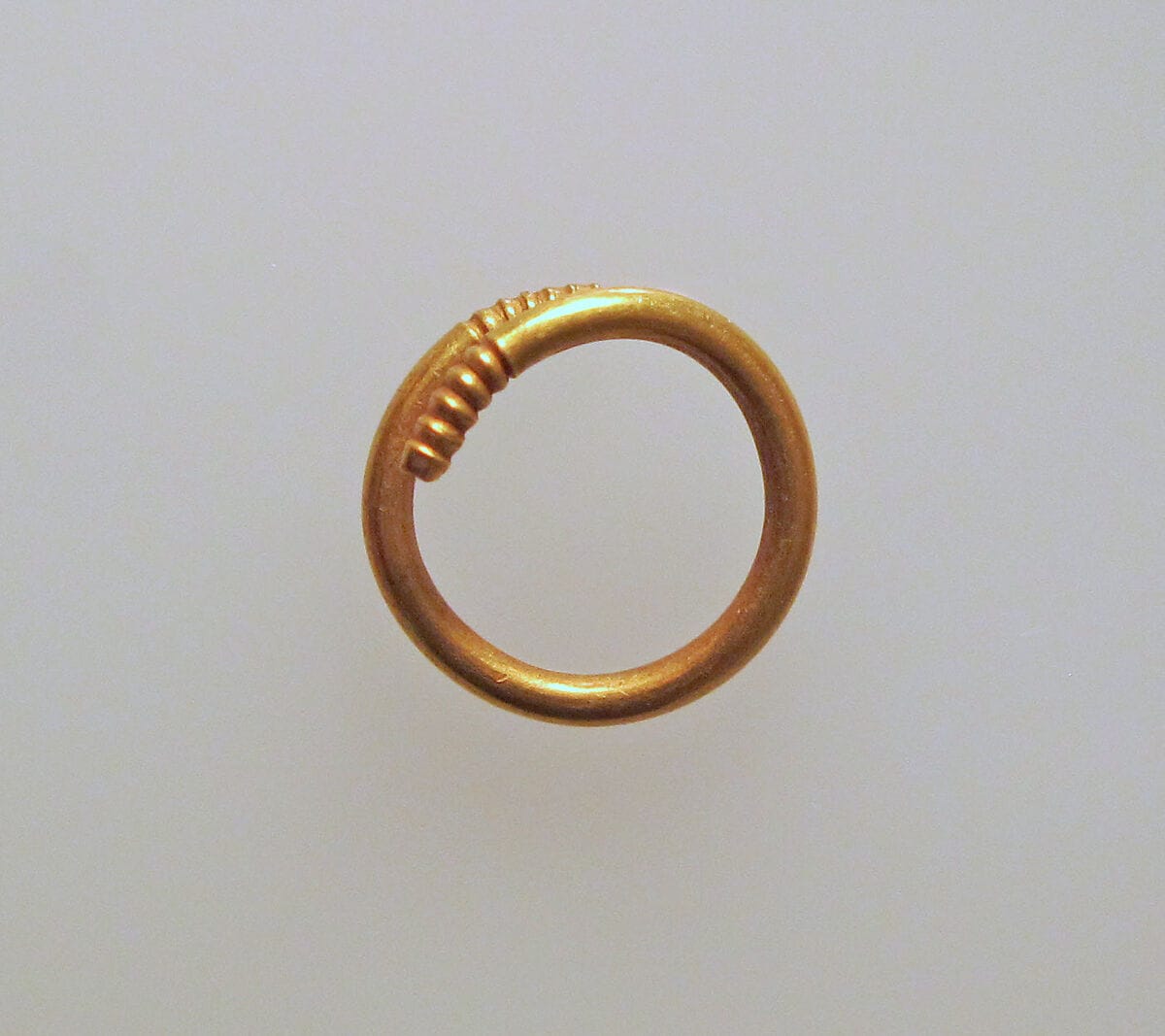
Spirals
Bronze Age
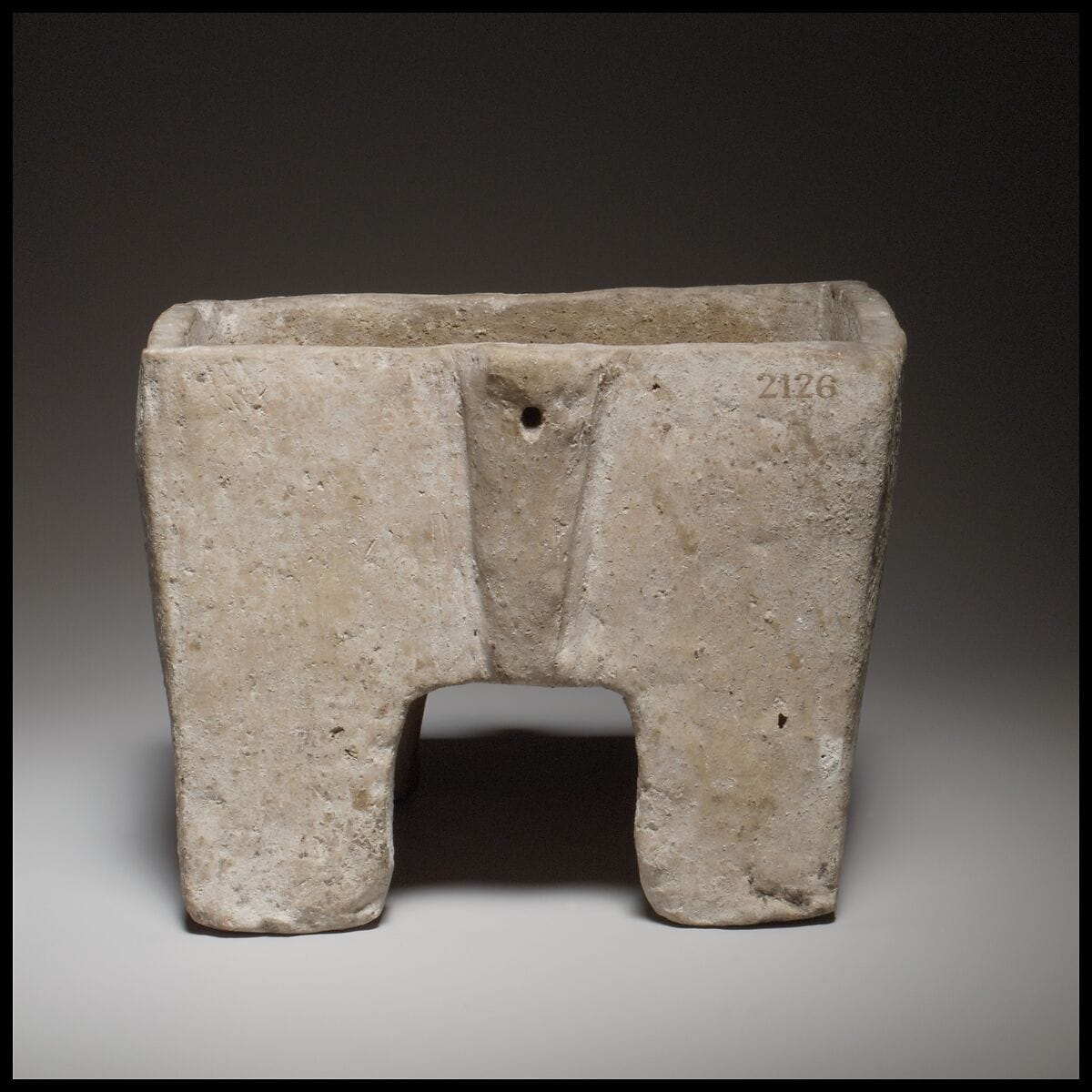
Model of a chest
Archaic II
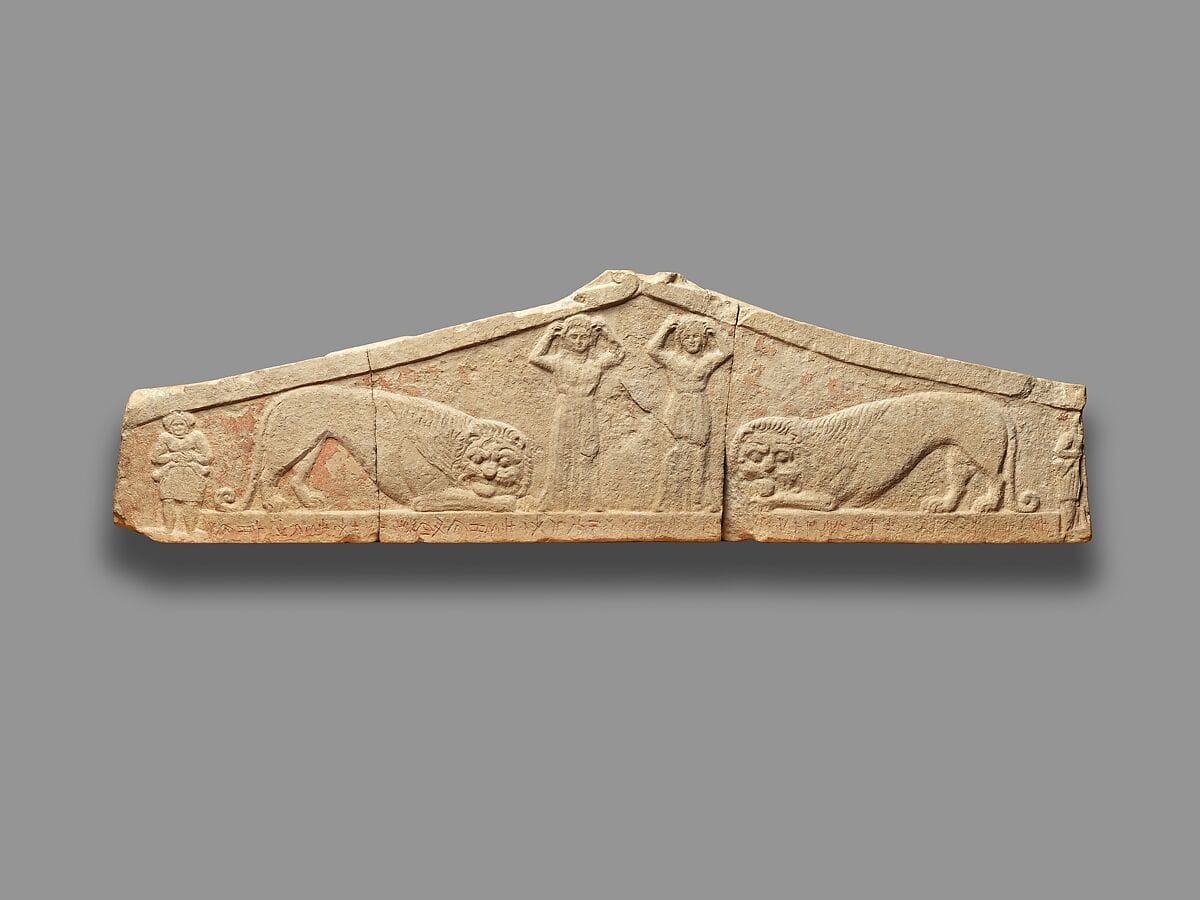
Limestone pediment from a funerary stele (shaft)
Hellenistic
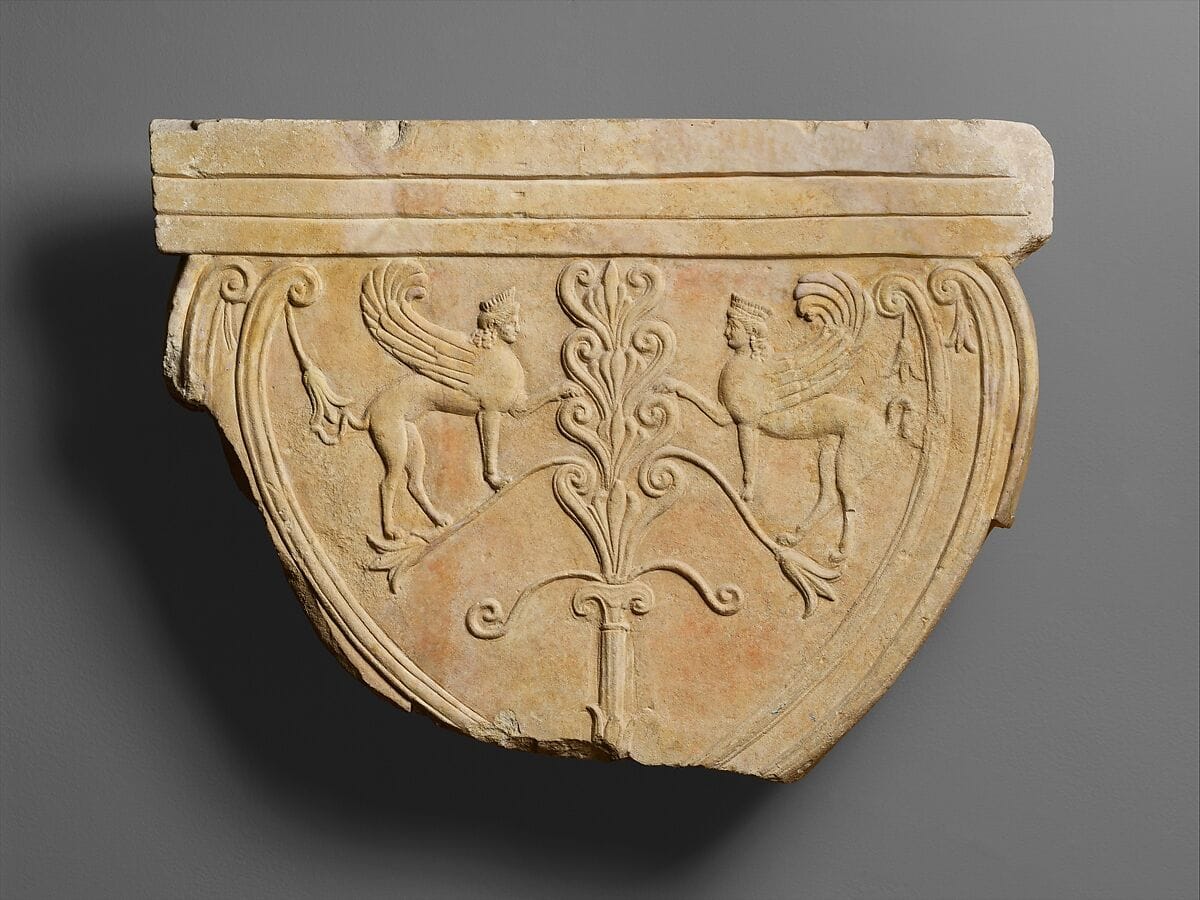
Fragmentary limestone Cypriot capital
Classical
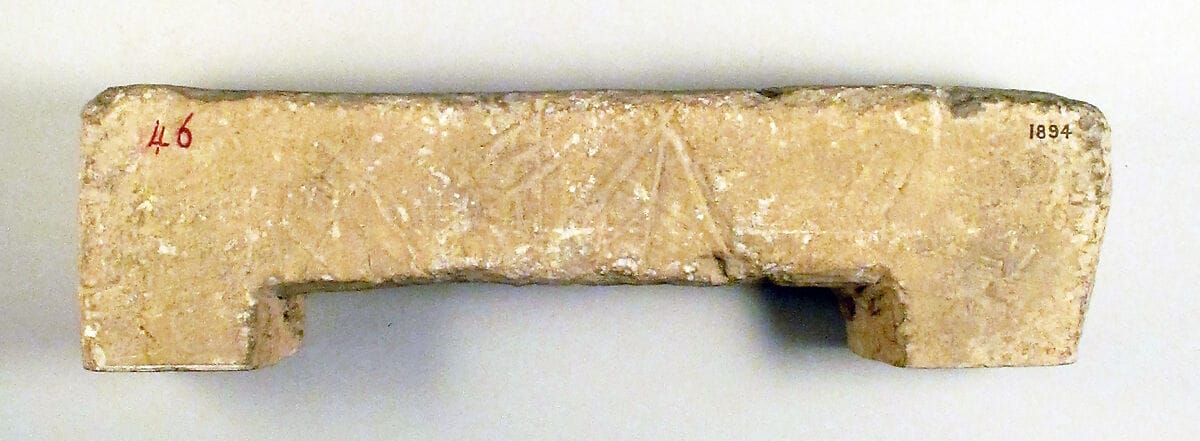
Limestone inscribed statue base
Chalcolithic
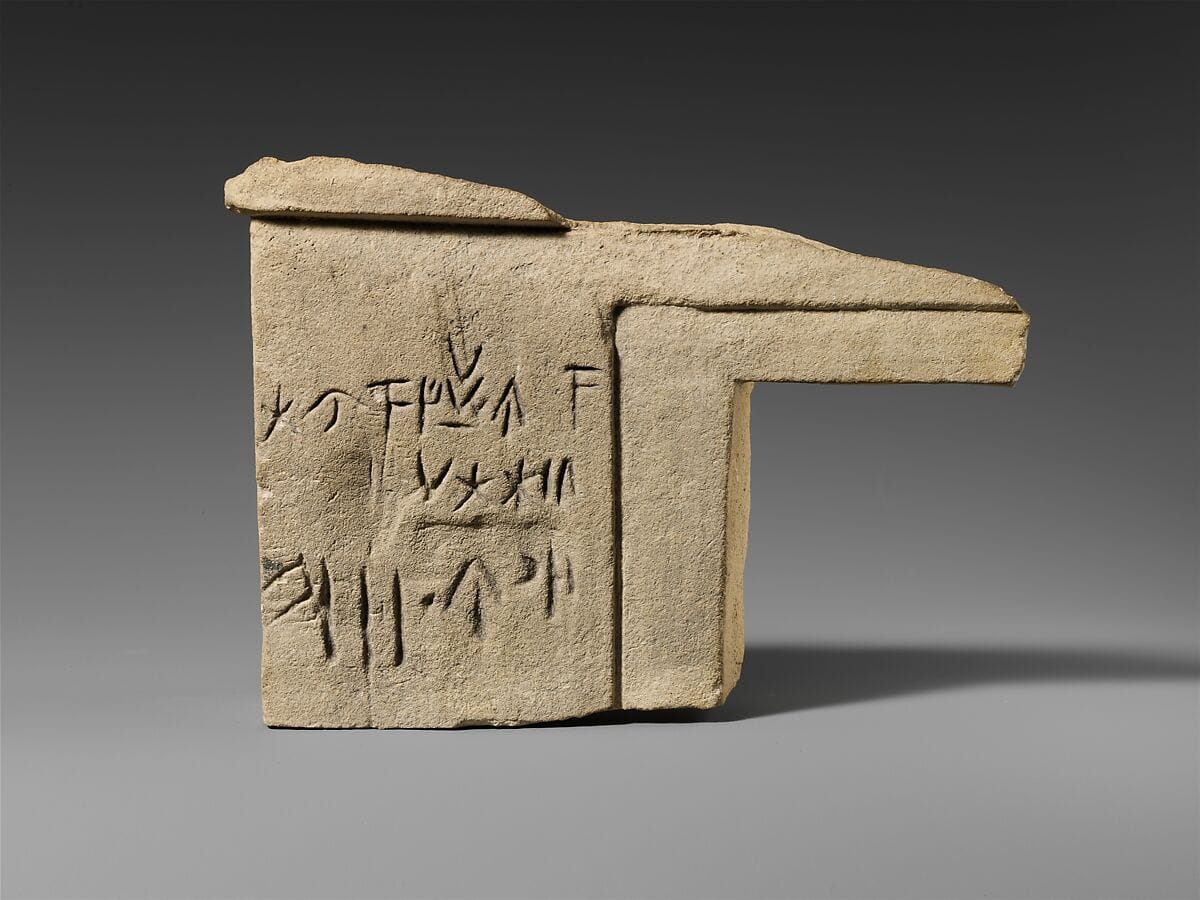
Fragment of a limestone naiskos (?)
Classical
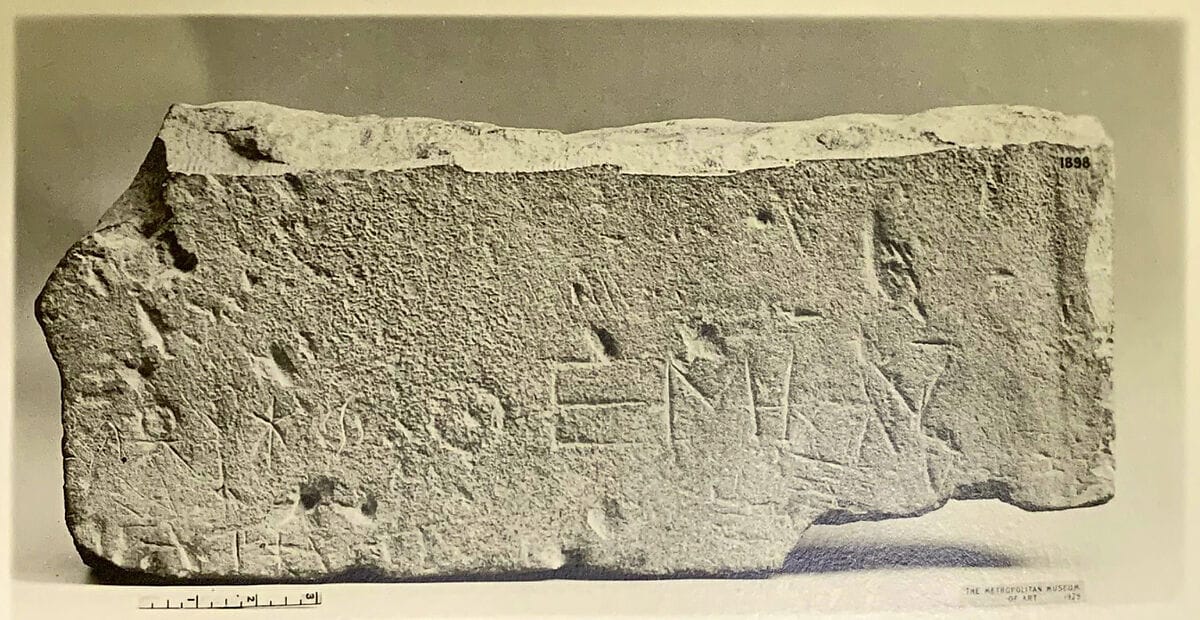
Limestone inscribed block
Classical
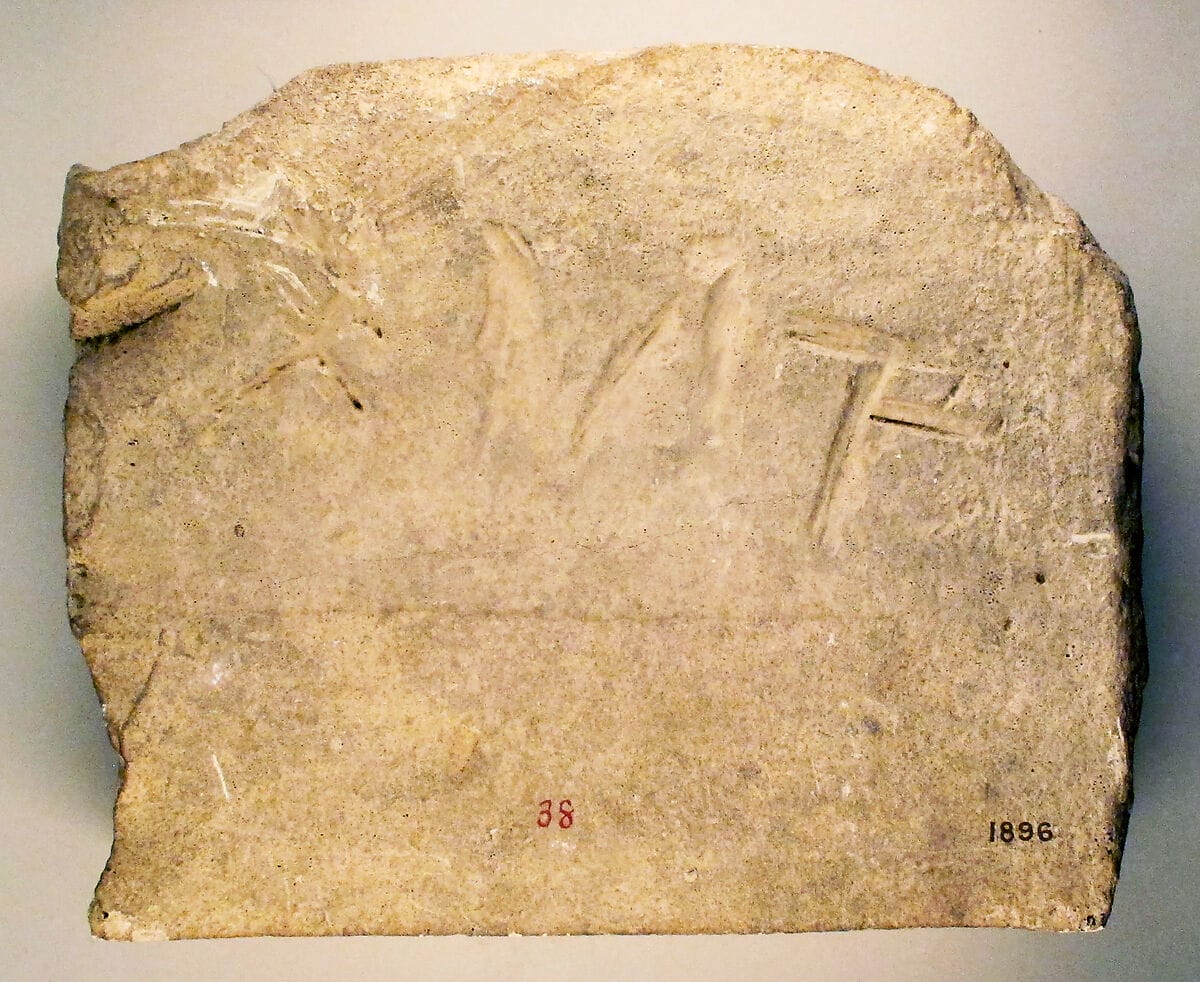
Limestone inscribed block
Bronze Age
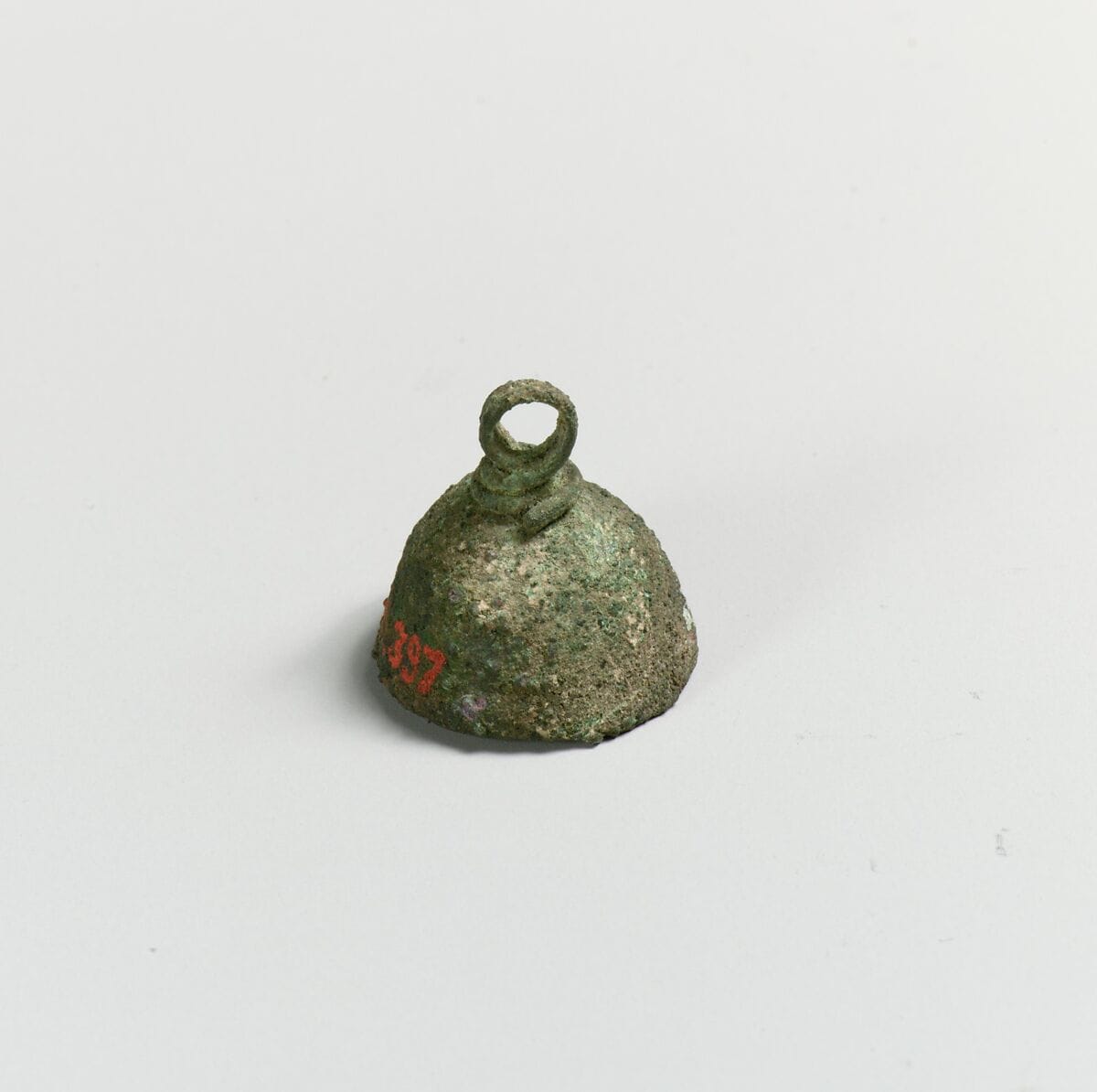
Bell
Classical
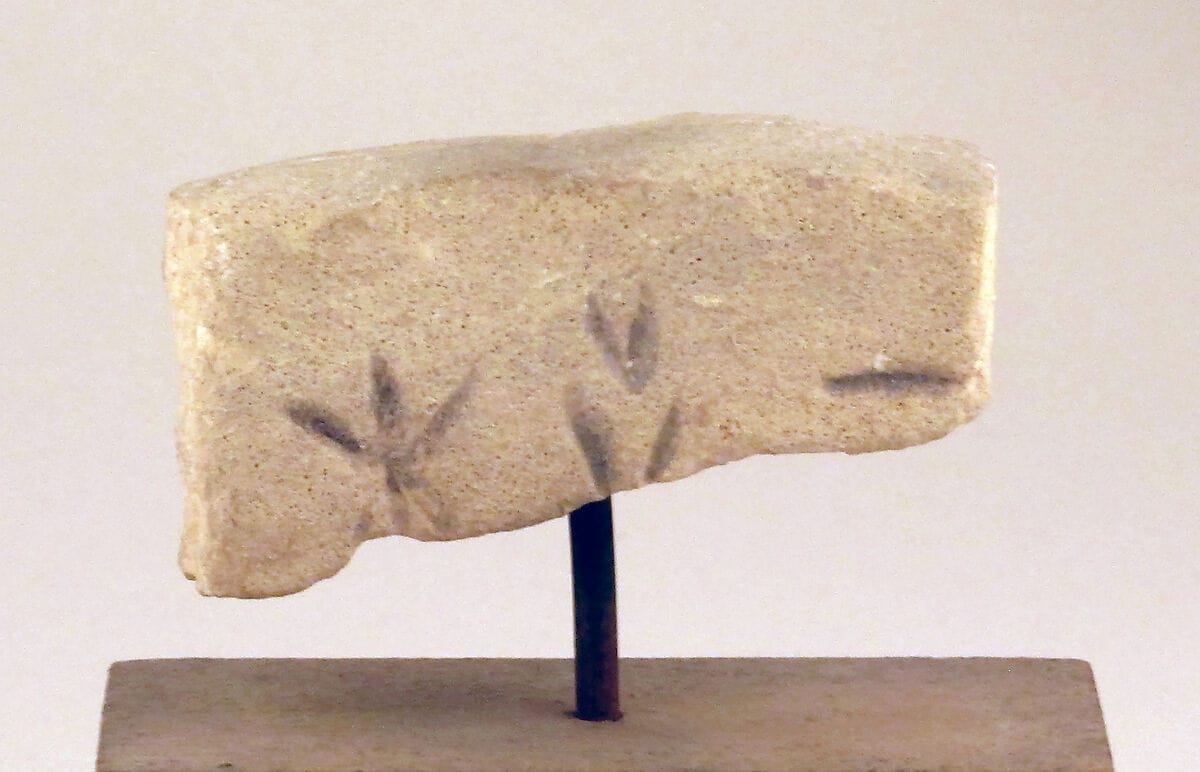
Limestone inscribed box fragment
Bronze Age
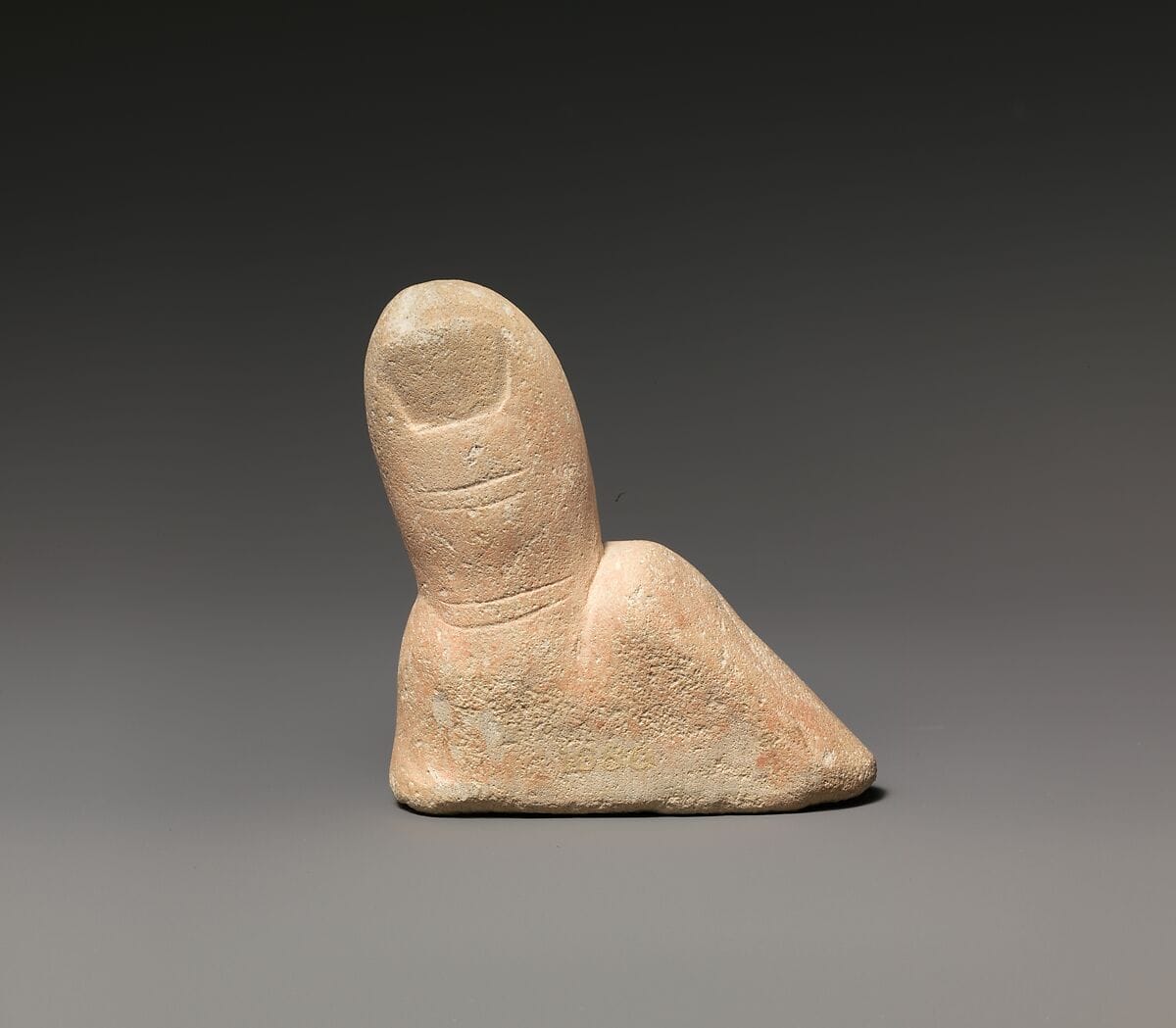
Limestone votive toe
Hellenistic
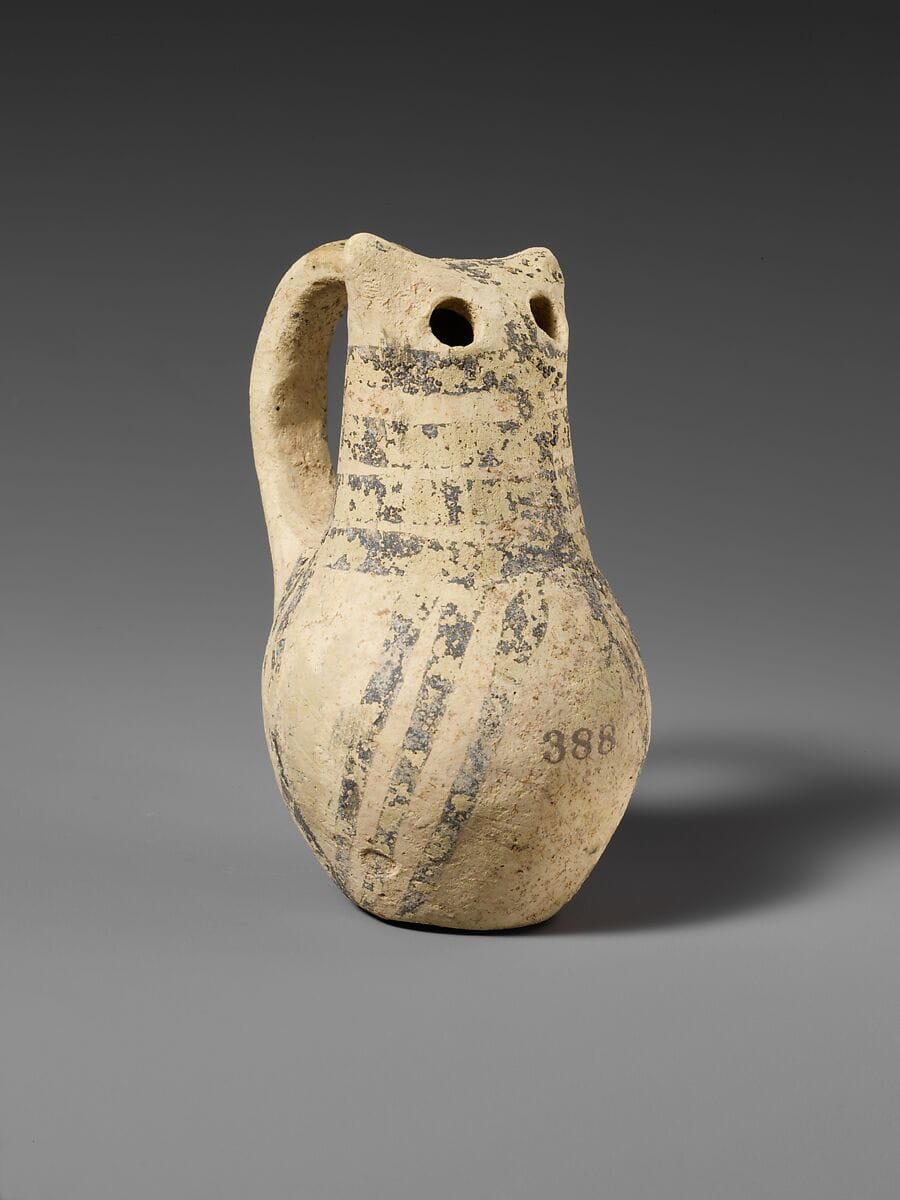
Terracotta rattle (?)
Late Bronze Age I
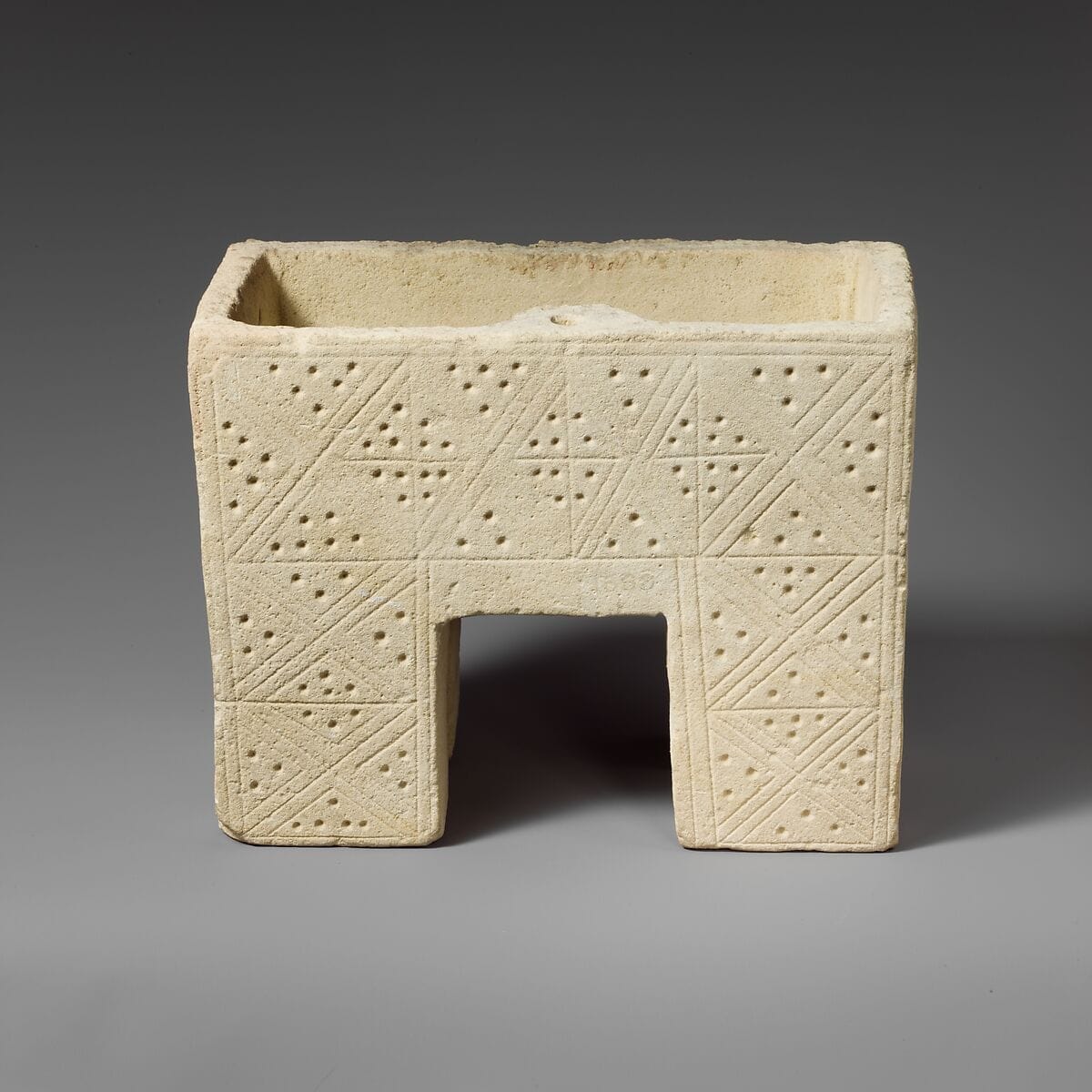
Limestone chest with incised decoration
Geometric III
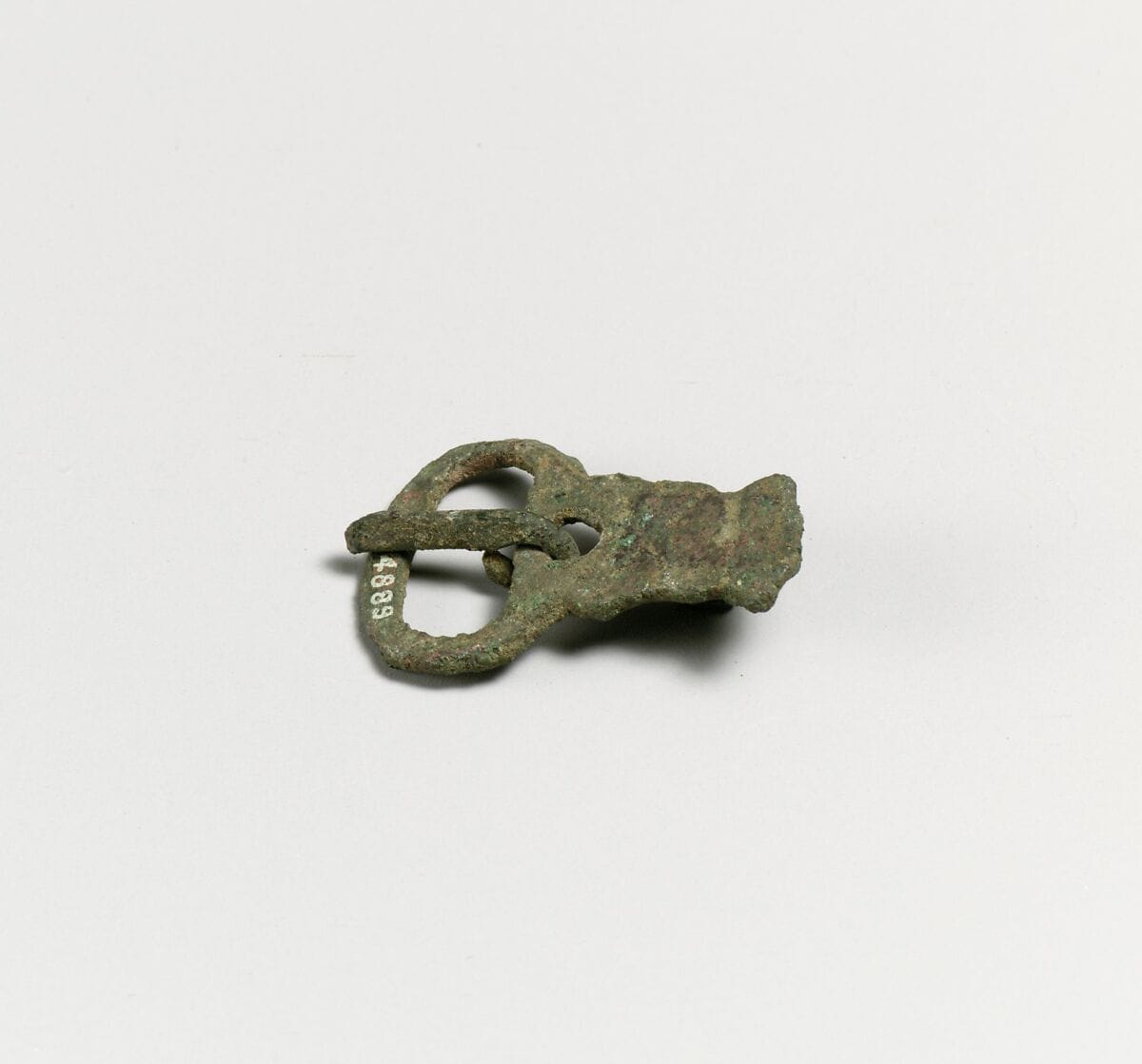
Buckle
Bronze Age